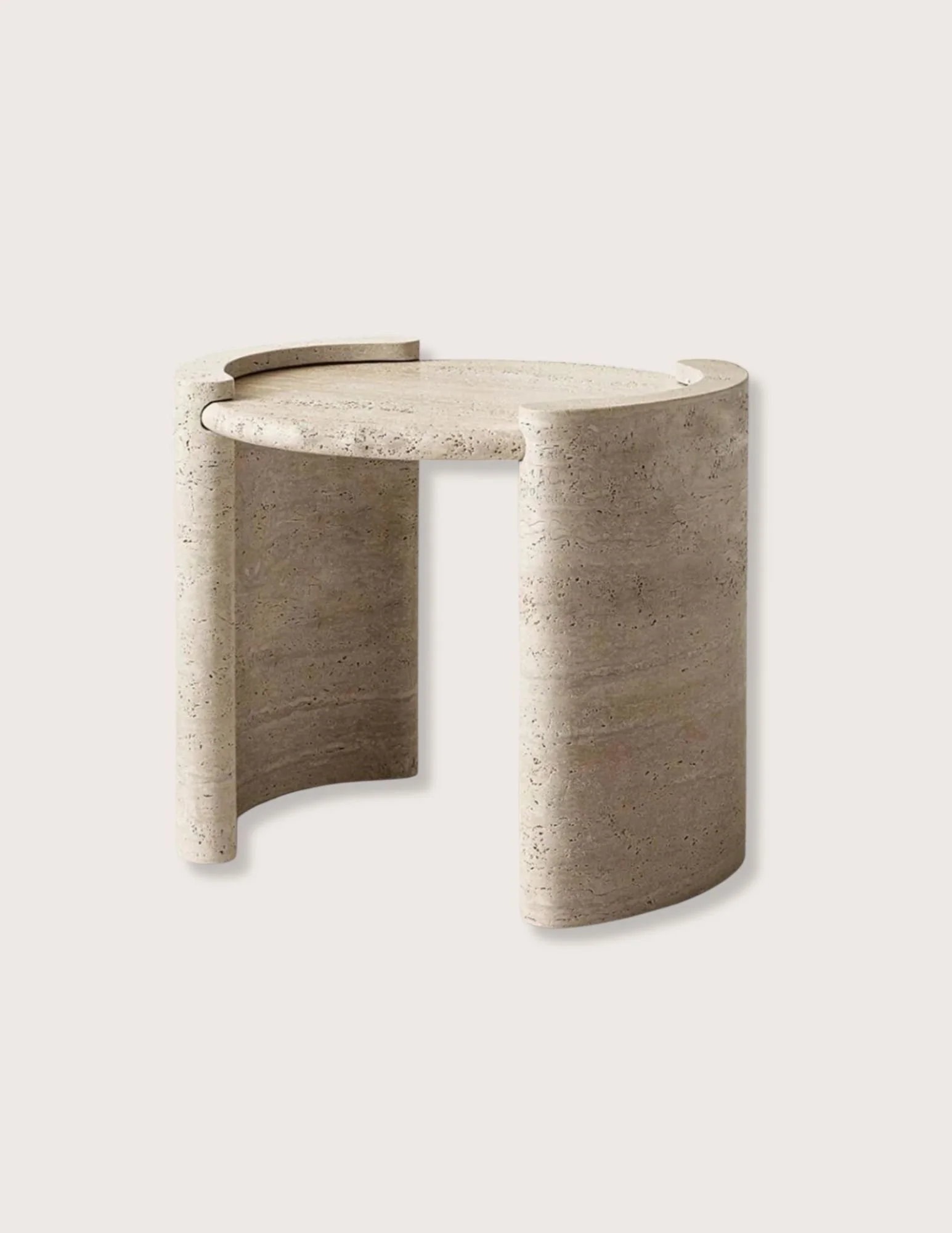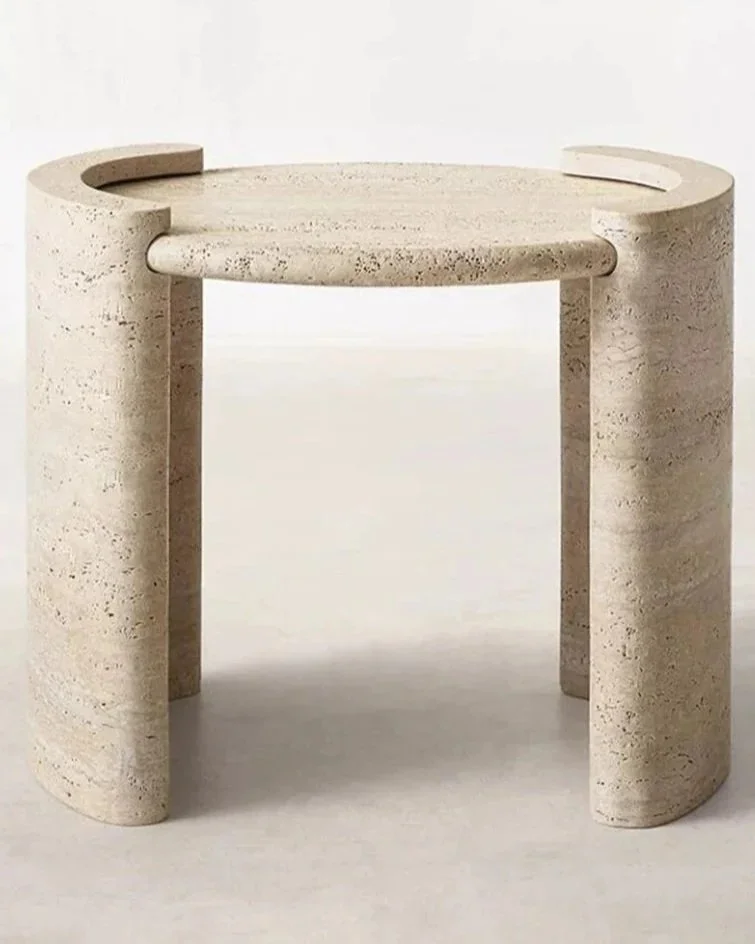
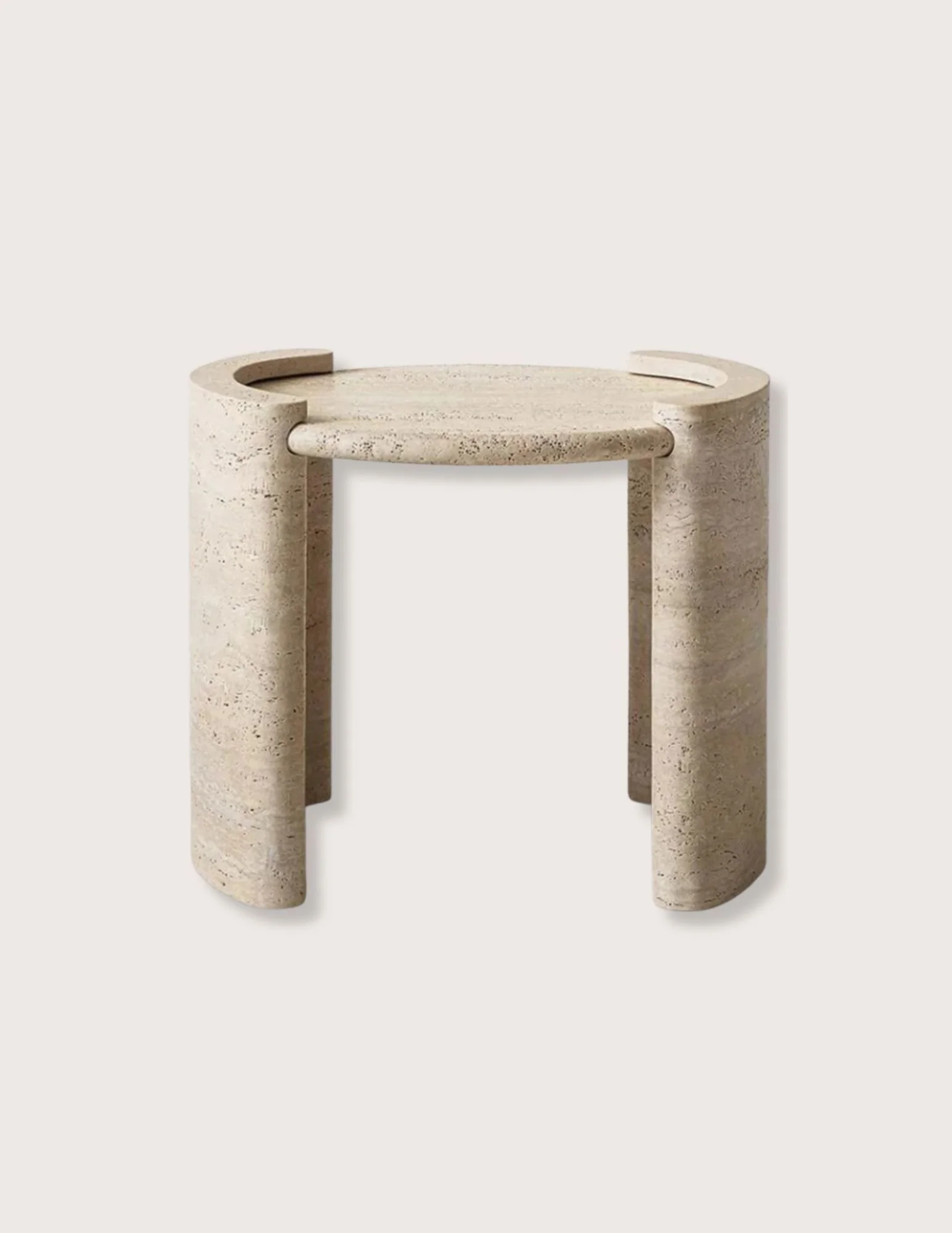
Mandela Natural Travertine Crescent Accent Table

from $2,600.00

Details

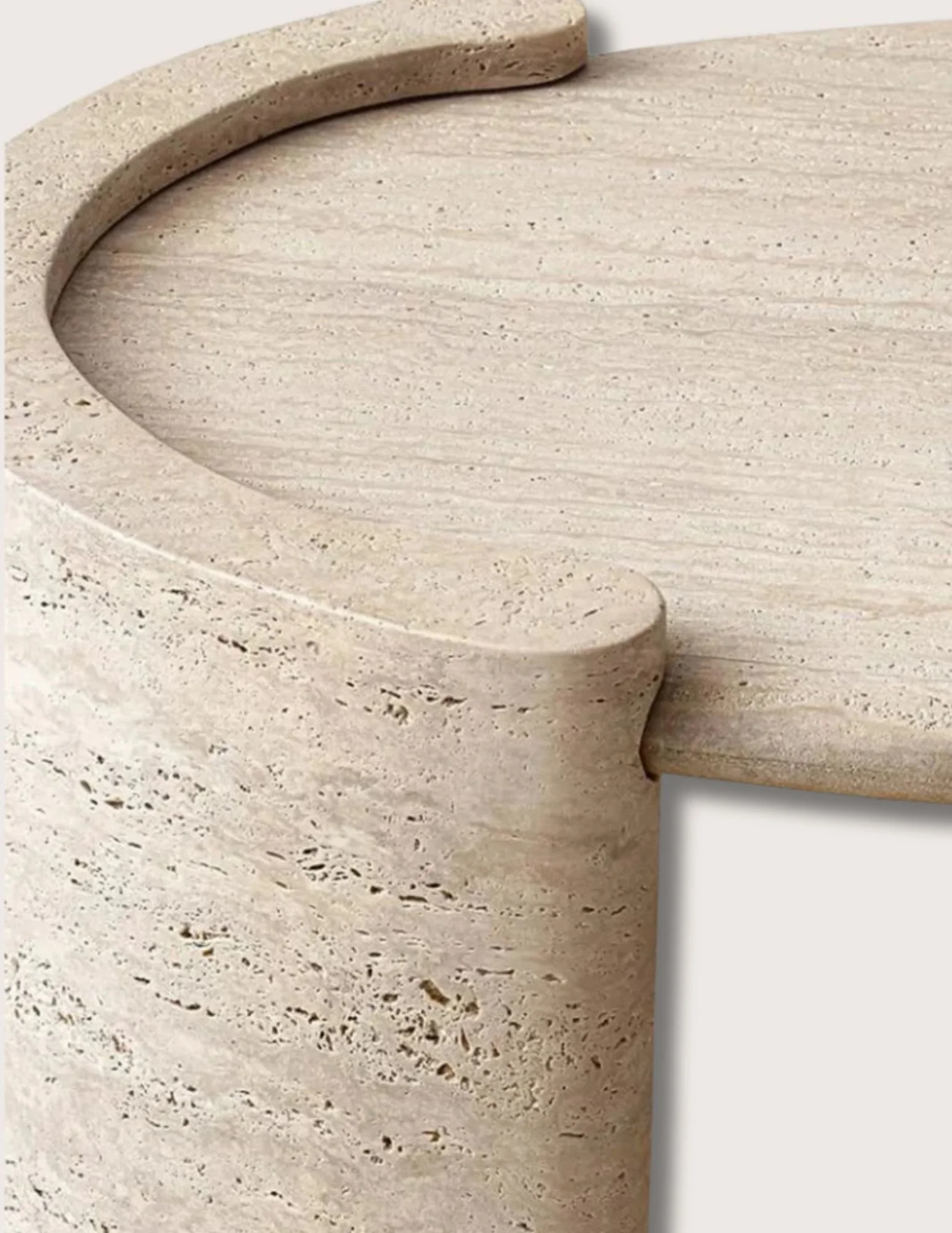
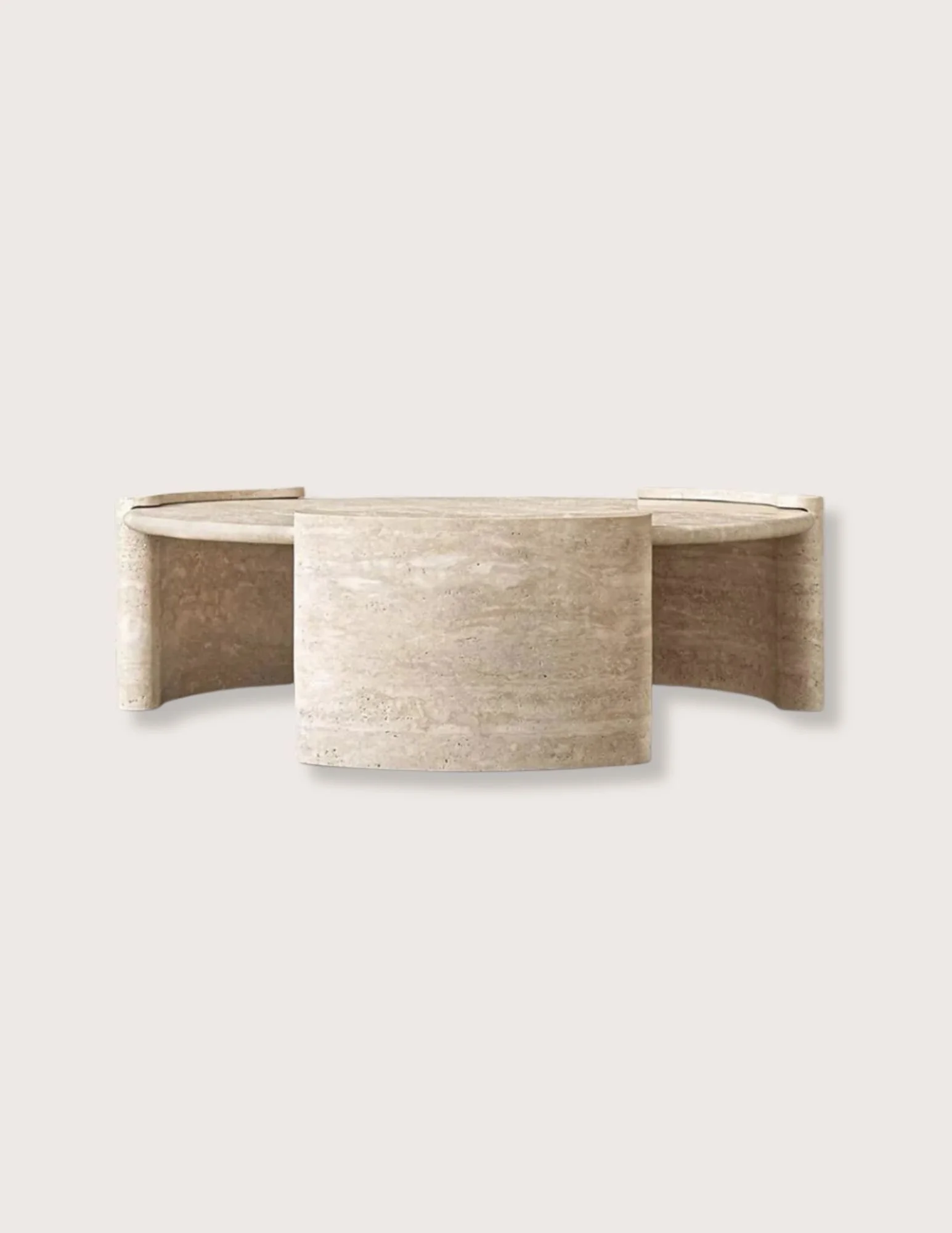
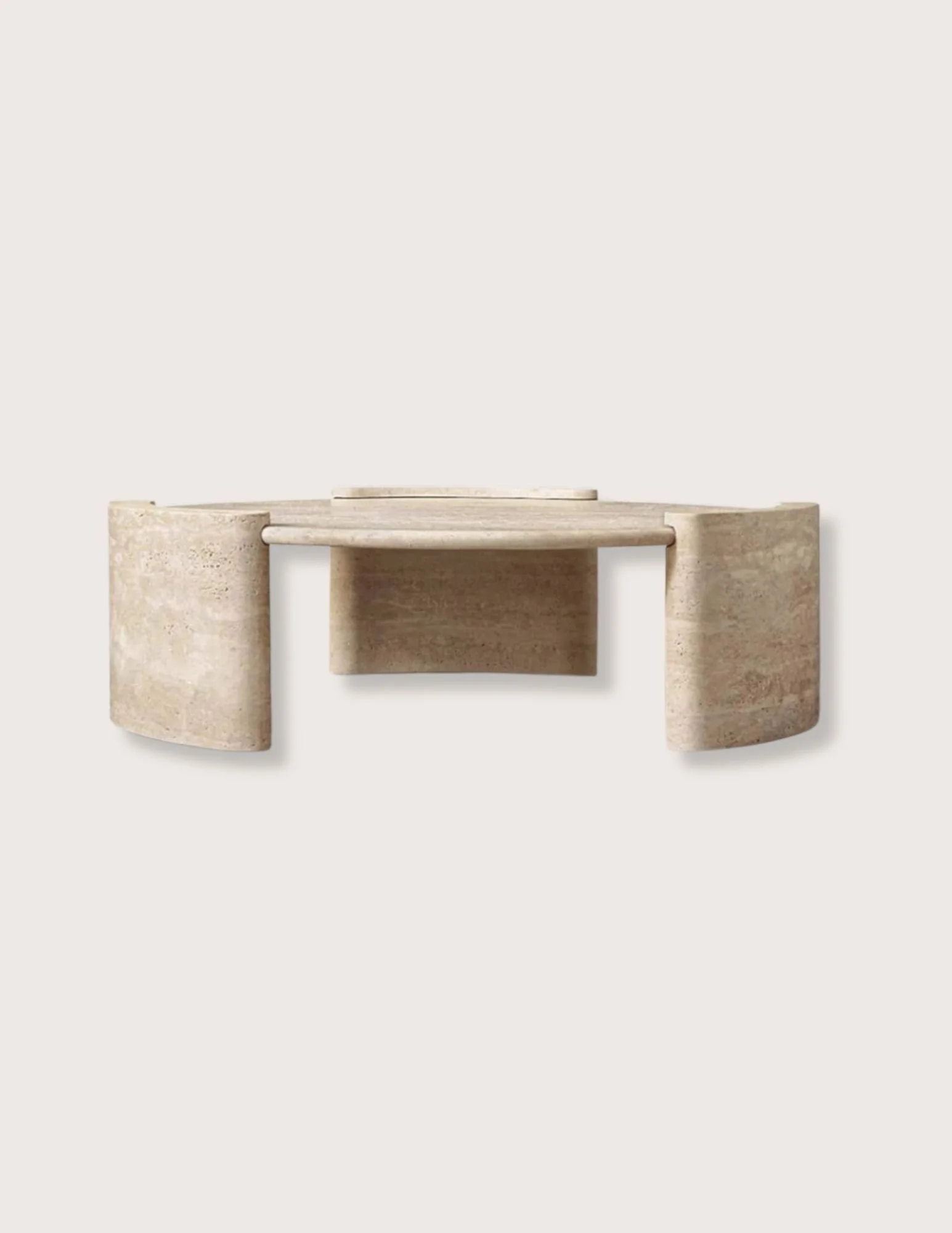
Introducing our Mandela Natural Travertine Crescent Accent Table featuring a crescent moon design that seamlessly flows with artisan-made circular lines. Crafted with high quality and durable 100% natural travertine, this piece features stone sourced from South Africa and other countries around the world. More than a side table, the Mandela Natural Travertine Crescent Accent Table is an incredible work of art for your interior -- a handcrafted stone sculpture that is sure to make a statement in your home for generations. Explore the complete Mandela Collection to finish the look.

Editors' Note

This collection is named in honor of Nelson Rolihlahla Mandela, former President of South Africa and longtime figure in his nation’s struggle for equality. Born in Mvezo, South Africa in July of 1918, Mandela was the son of Nonqaphi Nosekeni and Henry Mgadla Mandela, leader of the Madiba clan as well as a grandson of King Ngubengcuka of the abaThembu and chief councilor to the paramount chief of the Thembu. Mandela would attend the University of Ft. Hare in the Eastern Cape — the only university in the nation to admit Black (African, Indian, or Coloured) South Africans. Leaving school before graduation due to tensions, Mandela would flee to Johannesburg where he met Walter Sisulu, who introduced him to the African National Congress (ANC), which Mandela joined in 1944. By 1948 the South African National Party introduced its platform of total segregation called Apartheid (“apartness”). In 1952, Mandela was elected deputy national president of the ANC as well as president of the Transvaal chapter. By 1954, the ANC had as many as 100,000 members, attributed to Mandela as a trusted figure in the movement. Yet as the threat of a government ban loomed, the ANC went further underground with Mandela arrested and imprisoned more than once. One arrest, under the Suppression of Communism Act, came in December of 1952, the same year that he opened the nation’s first African-run law practice with Oliver Tambo. He was arrested again in 1956 with 155 other members of the Congress Alliance leadership — men and women of all colors — and tried for treason over a course of nearly five years. 1960 marked a major turning point, both for Mandela and the nation as a peaceful protest planned on March 21st by the Pan Africanist Conference (PAC) became remembered as the Sharpeville Massacre. Government troops opened fire on the protesters, killing 69 people and wounding upwards of 200, with many being shot in the back as they fled. Mandela was one of several thousand political activists detained in the immediate aftermath, and by April, both the ANC and PAC were banned. For the next several years, Mandela traveled clandestinely throughout the continent, meeting with leaders and other political activists in nations such as Morocco, Ethiopia, and Algeria. The discovery of personal materials documenting Mandela’s travels, training and strategies for guerrilla war led to the 1963 Rivonia Trial, at which Mandela, already imprisoned, was tried alongside several comrades and ultimately sentenced, in 1964, to life in prison. Through 27 years of imprisonment, Mandela continued to grow in international prestige as a symbol of growing anti-Apartheid sentiment. In 1989, he would meet the nation’s incoming president, F.W. De Klerk, who, in his inaugural address to the nation’s parliament in 1990, would announce the lift of the ban on the ANC and PAC, and the release of Nelson Mandela and all political prisoners. Greeting the world with a spirit of “peace, democracy and freedom for all,” Mandela resumed his work with the ANC. In 1991 he succeeded in bringing together the IFP, ANC and PAC to jointly oppose Apartheid. His meeting with American president George H.W. Bush in November of that year further cemented his position as an international figure and leader of his nation. In May of 1994, Nelson Mandela was elected president of South Africa, marking the end of nearly 50 years of Apartheid. Dedicating his time in office to the causes of rebuilding and reconciliation, Mandela retired from political life after his first term ended in 1999. On December 5, 2013, after a series of mounting health issue, it was confirmed that he had passed away, leaving a legacy of unvarying strength in the face of oppression that continues to inspire today.

Size:
Finish:

Details

Introducing our Mandela Natural Travertine Crescent Accent Table featuring a crescent moon design that seamlessly flows with artisan-made circular lines. Crafted with high quality and durable 100% natural travertine, this piece features stone sourced from South Africa and other countries around the world. More than a side table, the Mandela Natural Travertine Crescent Accent Table is an incredible work of art for your interior -- a handcrafted stone sculpture that is sure to make a statement in your home for generations. Explore the complete Mandela Collection to finish the look.

Editors' Note

This collection is named in honor of Nelson Rolihlahla Mandela, former President of South Africa and longtime figure in his nation’s struggle for equality. Born in Mvezo, South Africa in July of 1918, Mandela was the son of Nonqaphi Nosekeni and Henry Mgadla Mandela, leader of the Madiba clan as well as a grandson of King Ngubengcuka of the abaThembu and chief councilor to the paramount chief of the Thembu. Mandela would attend the University of Ft. Hare in the Eastern Cape — the only university in the nation to admit Black (African, Indian, or Coloured) South Africans. Leaving school before graduation due to tensions, Mandela would flee to Johannesburg where he met Walter Sisulu, who introduced him to the African National Congress (ANC), which Mandela joined in 1944. By 1948 the South African National Party introduced its platform of total segregation called Apartheid (“apartness”). In 1952, Mandela was elected deputy national president of the ANC as well as president of the Transvaal chapter. By 1954, the ANC had as many as 100,000 members, attributed to Mandela as a trusted figure in the movement. Yet as the threat of a government ban loomed, the ANC went further underground with Mandela arrested and imprisoned more than once. One arrest, under the Suppression of Communism Act, came in December of 1952, the same year that he opened the nation’s first African-run law practice with Oliver Tambo. He was arrested again in 1956 with 155 other members of the Congress Alliance leadership — men and women of all colors — and tried for treason over a course of nearly five years. 1960 marked a major turning point, both for Mandela and the nation as a peaceful protest planned on March 21st by the Pan Africanist Conference (PAC) became remembered as the Sharpeville Massacre. Government troops opened fire on the protesters, killing 69 people and wounding upwards of 200, with many being shot in the back as they fled. Mandela was one of several thousand political activists detained in the immediate aftermath, and by April, both the ANC and PAC were banned. For the next several years, Mandela traveled clandestinely throughout the continent, meeting with leaders and other political activists in nations such as Morocco, Ethiopia, and Algeria. The discovery of personal materials documenting Mandela’s travels, training and strategies for guerrilla war led to the 1963 Rivonia Trial, at which Mandela, already imprisoned, was tried alongside several comrades and ultimately sentenced, in 1964, to life in prison. Through 27 years of imprisonment, Mandela continued to grow in international prestige as a symbol of growing anti-Apartheid sentiment. In 1989, he would meet the nation’s incoming president, F.W. De Klerk, who, in his inaugural address to the nation’s parliament in 1990, would announce the lift of the ban on the ANC and PAC, and the release of Nelson Mandela and all political prisoners. Greeting the world with a spirit of “peace, democracy and freedom for all,” Mandela resumed his work with the ANC. In 1991 he succeeded in bringing together the IFP, ANC and PAC to jointly oppose Apartheid. His meeting with American president George H.W. Bush in November of that year further cemented his position as an international figure and leader of his nation. In May of 1994, Nelson Mandela was elected president of South Africa, marking the end of nearly 50 years of Apartheid. Dedicating his time in office to the causes of rebuilding and reconciliation, Mandela retired from political life after his first term ended in 1999. On December 5, 2013, after a series of mounting health issue, it was confirmed that he had passed away, leaving a legacy of unvarying strength in the face of oppression that continues to inspire today.


Additional Details

Travertine Side Table

Dimensions:

20” Wide Table: 19.6" W x 18.1" D x 20" H

24” Wide Table: 23.6" W x 22" D x 20" H

Color: Beige

Material: 100% Natural Travertine. Each piece will have unique variations in tone, color, texture and pattern.

Finish: Matte or Polished

Artisan-made

Imported

Made to order

Contact us for customization options

Shipping: This item ships free within the continental US in 12-20 weeks. Additional shipping fees may apply to countries outside of the US. Please enquire. Please note that this item will be delivered via truck service. The service will contact the customer in advance to schedule delivery. The truck service is responsible for transporting the package to the address provided. For subsequent processes, e.g., unloading, moving the piece indoors, and assembly, this will need to be completed by the customer. If necessary, assembly instructions will be included.

Care: Immediately clean up spills, water stains, or other stains to prevent them from penetrating the marble surface and causing discoloration. Avoid placing food or drinks containing acidic or alkaline ingredients directly on the marble surface to prevent etching or damage. Avoid using sharp tools or knives on the marble surface to prevent scratching. Avoid placing heavy or sharp objects on the marble surface to prevent damage. Avoid placing hot items directly on the marble surface as high temperatures can cause the stone to crack. Use coasters or trivets to protect the surface from heat damage. Use a sealer designed for natural stone regularly to prevent stains and etching. For stubborn stains, use a specialized marble cleaner, but make sure it is a neutral pH and follow the instructions carefully. Natural marble is prone to staining, so avoid using colored liquids or dyes on the surface. If the natural marble surface has been damaged, seek professional stone repair and restoration services.
Shipping and returns policy