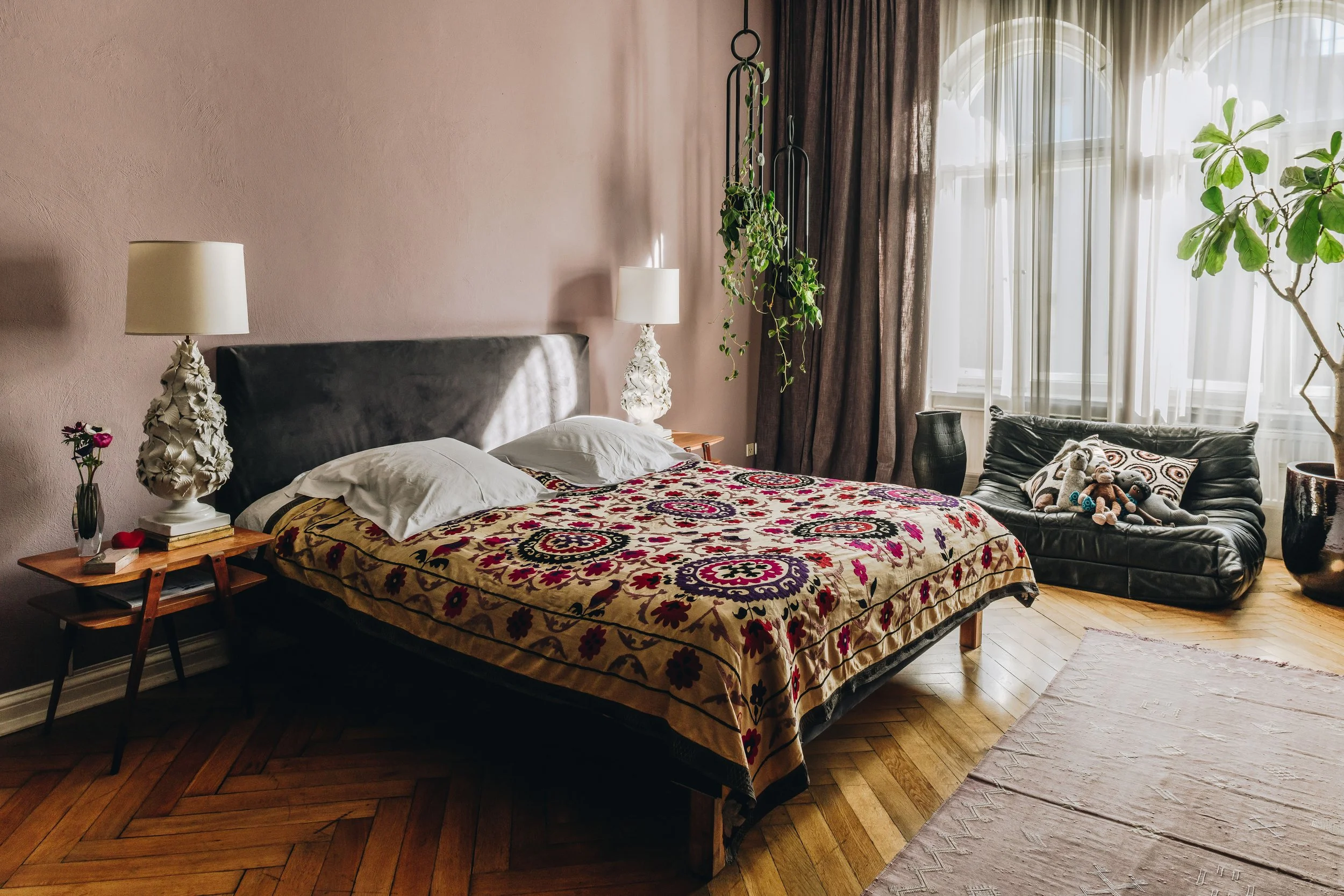
Chris Glass has been living around the world for nearly twenty years. He takes inside his stunning 1200-square-foot, 2-bedroom apartment in Berlin, that he has worked extensively to turn into a reflection of his global lifestyle and tastes.Chris Glass’ Chic Retreat In Berlin
Nathalie Joachim Gives Voice
In her Grammy-nominated solo debut, Fanm d’Ayiti, Nathalie Joachim’s crisp vocals pair beautifully with her stunning arrangements of flutes, strings, and electronics to seamlessly blend the weight of history with a rising sense of wonder and joy.

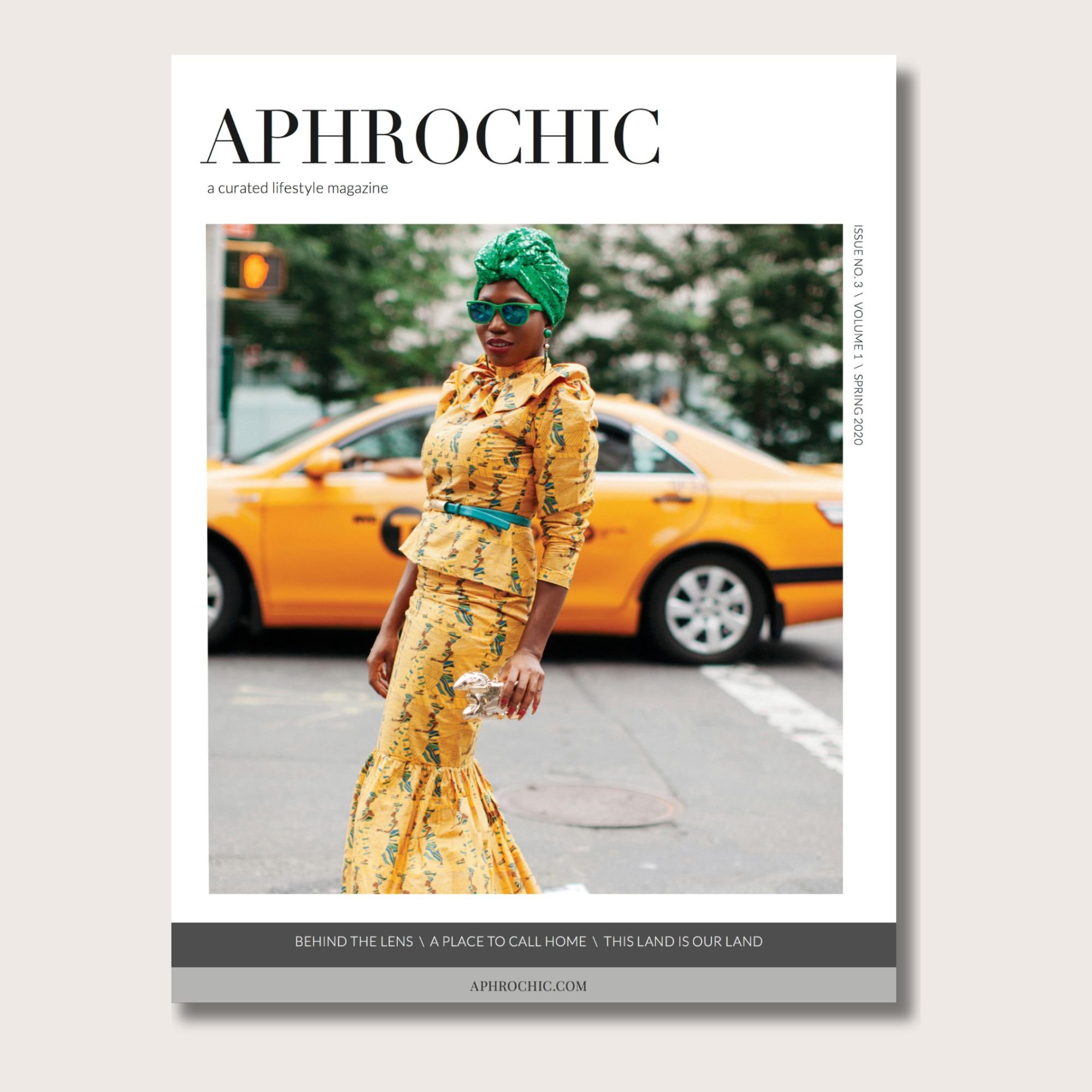
From AphroChic Magazine Issue No. 3
Black Music Month
Celebrate the legacy of Black music.

SOUNDS | Music Icon Dyana Williams and the Making of Black Music Month: Dyana Williams is a Philly music legend. Actually, she’s a music legend everywhere, but if you’re from Philly (and we are), you not only know the name, you know the vibes.

SOUNDS | Soul Man: New Orleans-born music artist Greg Banks is proving to be the Saint of Soul Music. The artist shares with us his journey, including his neighborhood concert series in New York City.

SOUNDS | It Ain't All Love: Eras pass, and for a time it seemed like R&B powered reflections on the soft sides and hard truths of relationships were part of the Hip-Hop genre’s past. Then came Ace Clark.

SOUNDS | Respect Given Respect Earned: Maya Angelou once said, “I respect myself and insist upon it from everybody. And because I do it, I then respect everybody, too.” On her third album, Eve, Rapsody pays respect to Black women while demanding her own.
Cooking With Culture
With the release of The Contemporary African Kitchen, Alexander Smalls continues his legacy of storytelling, celebrating the rich culinary traditions of the African Diaspora.


The Contemporary African Kitchen by Alexander Smalls
BLACK FAMILY HOMES
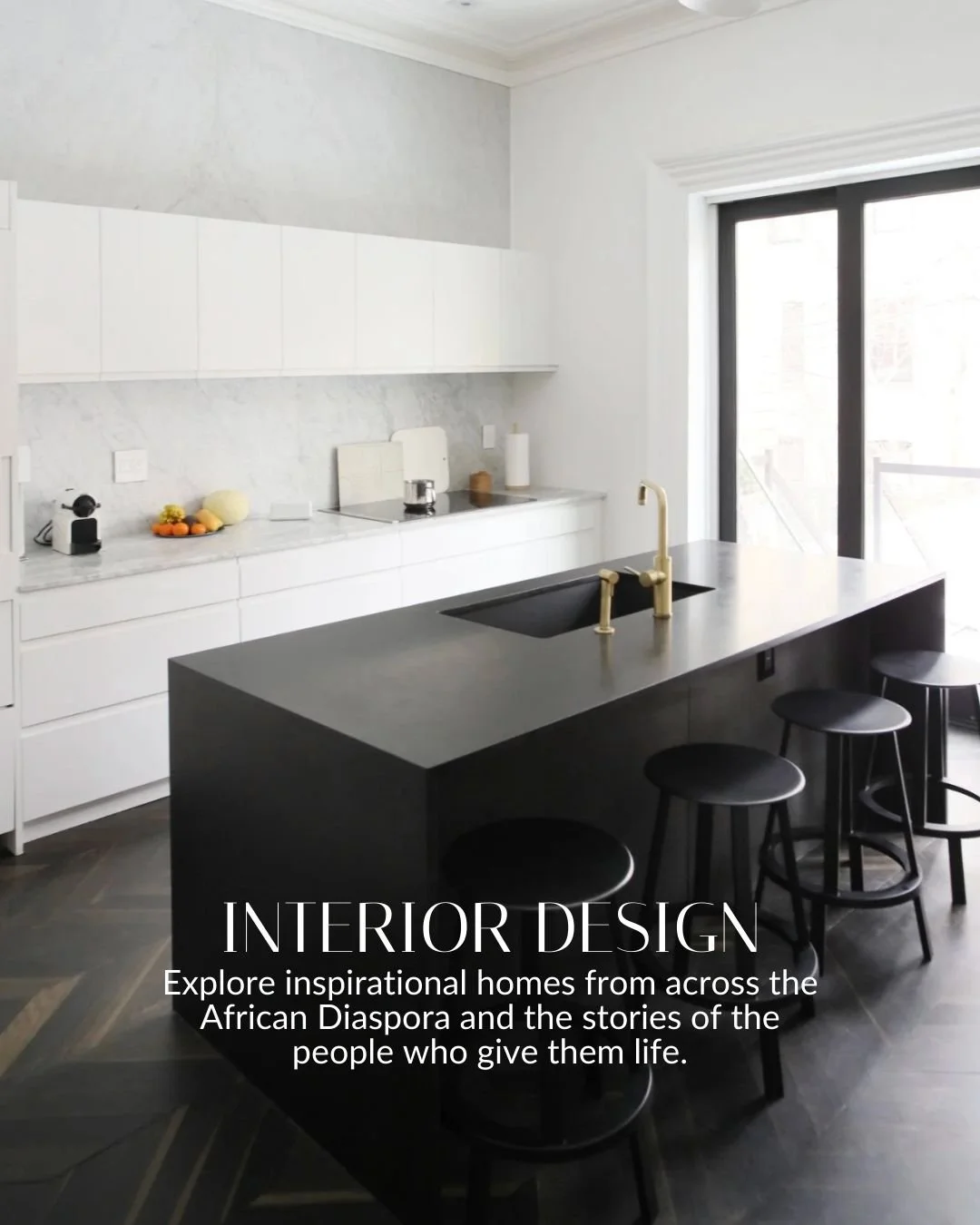
Tour stunning homes by Black interior designers and design enthusiasts.
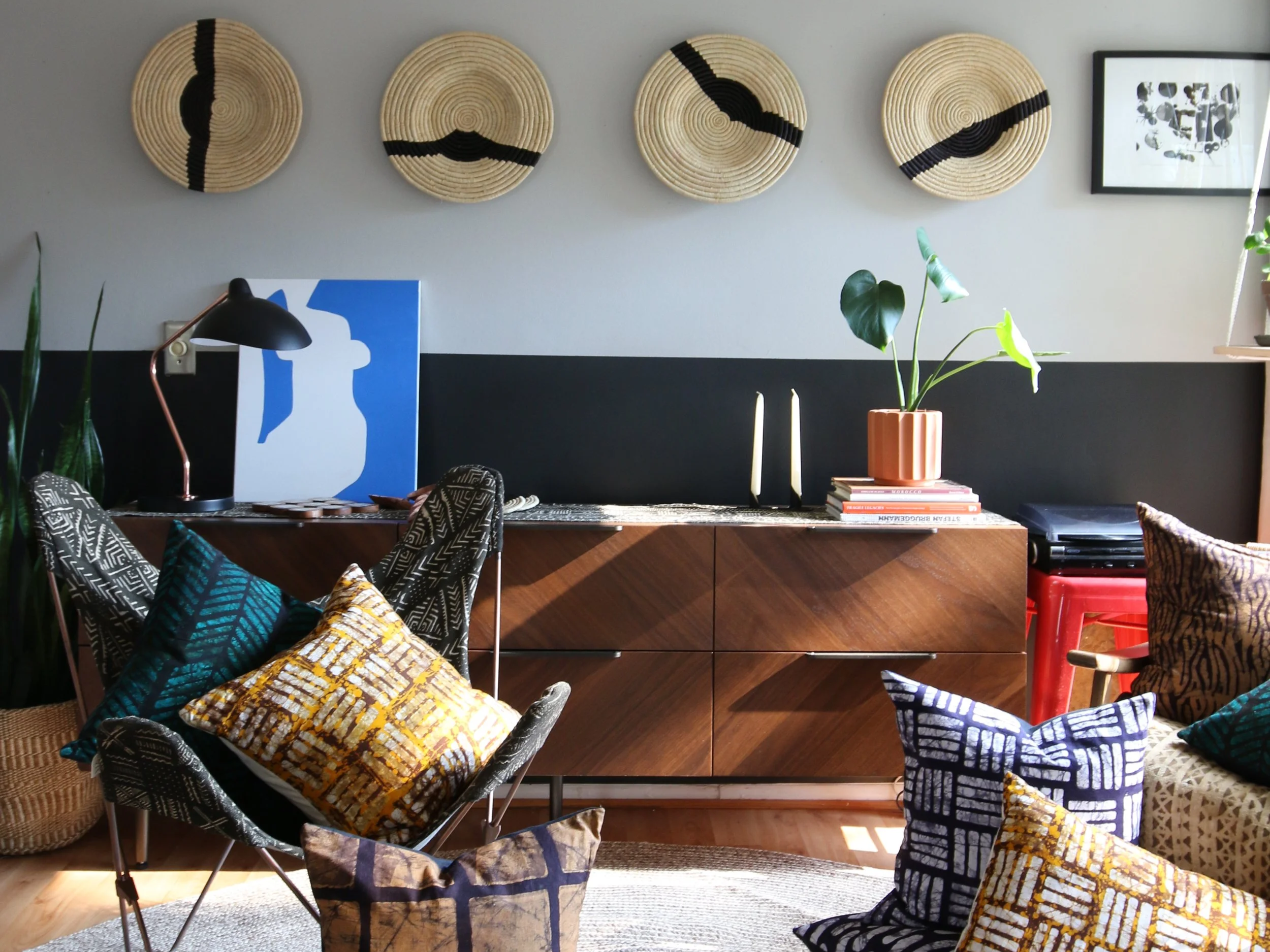
INTERIOR DESIGN | In 2011, Nasozi Kakembo founded her lifestyle brand, xN Studio. Offering beautiful pieces handmade by artisans in Uganda, Ghana and Tanzania, Nasozi’s love of African home decor accents is evident throughout her own home located in the suburbs of Washington DC.
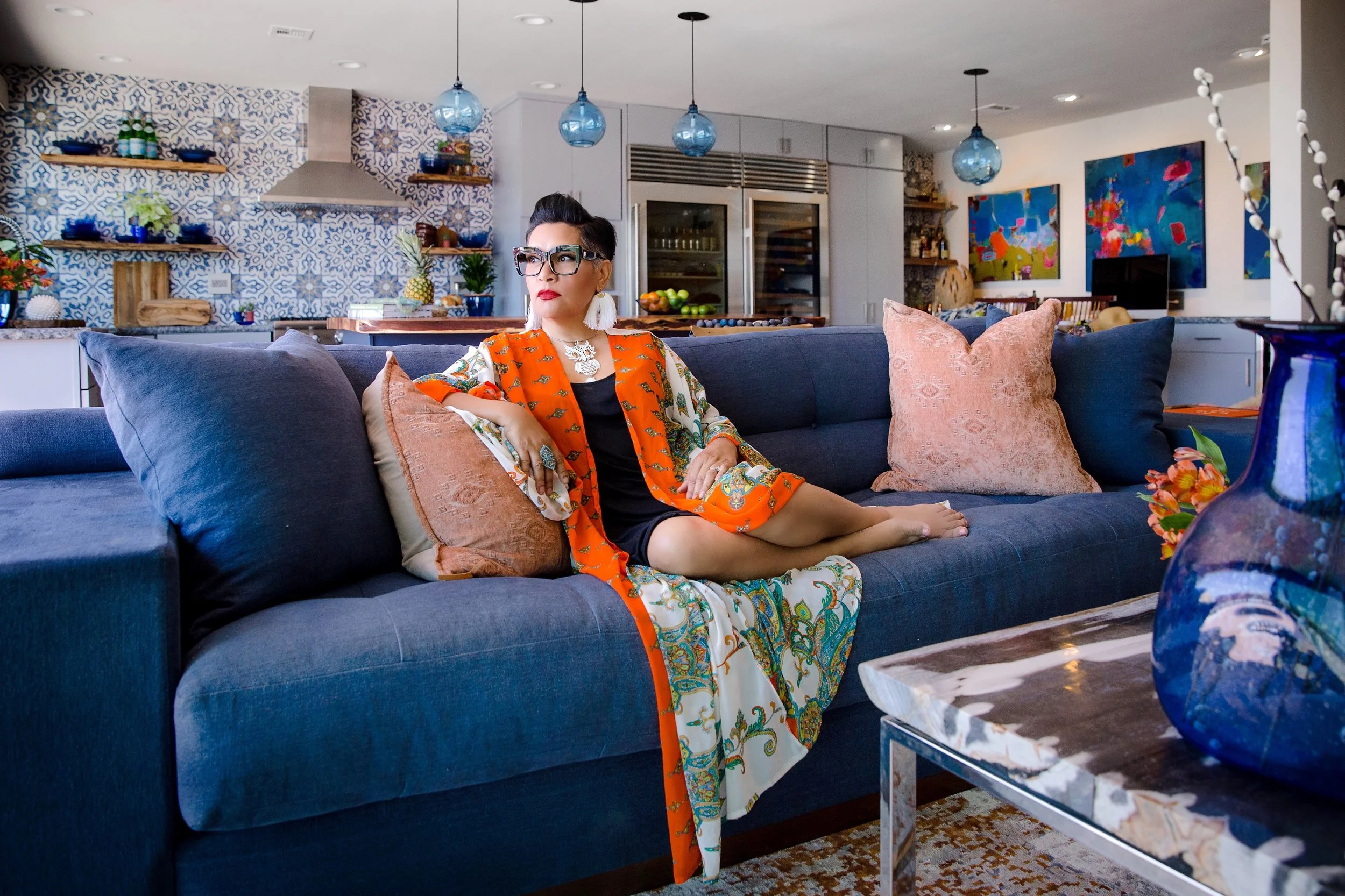
INTERIOR DESIGN | Rachel Moriarty is a dazzling interior designer, known as much for her personal style as for her amazing rooms. The CEO and principal designer of her self-named design firm, has clients ranging from creative entrepreneurs and single parents to architecture lovers with historic homes. For Susan, a California law firm partner with a love for poodles, Rachel created the perfect beach home. It’s crowning attraction - a multilevel outdoor oasis.
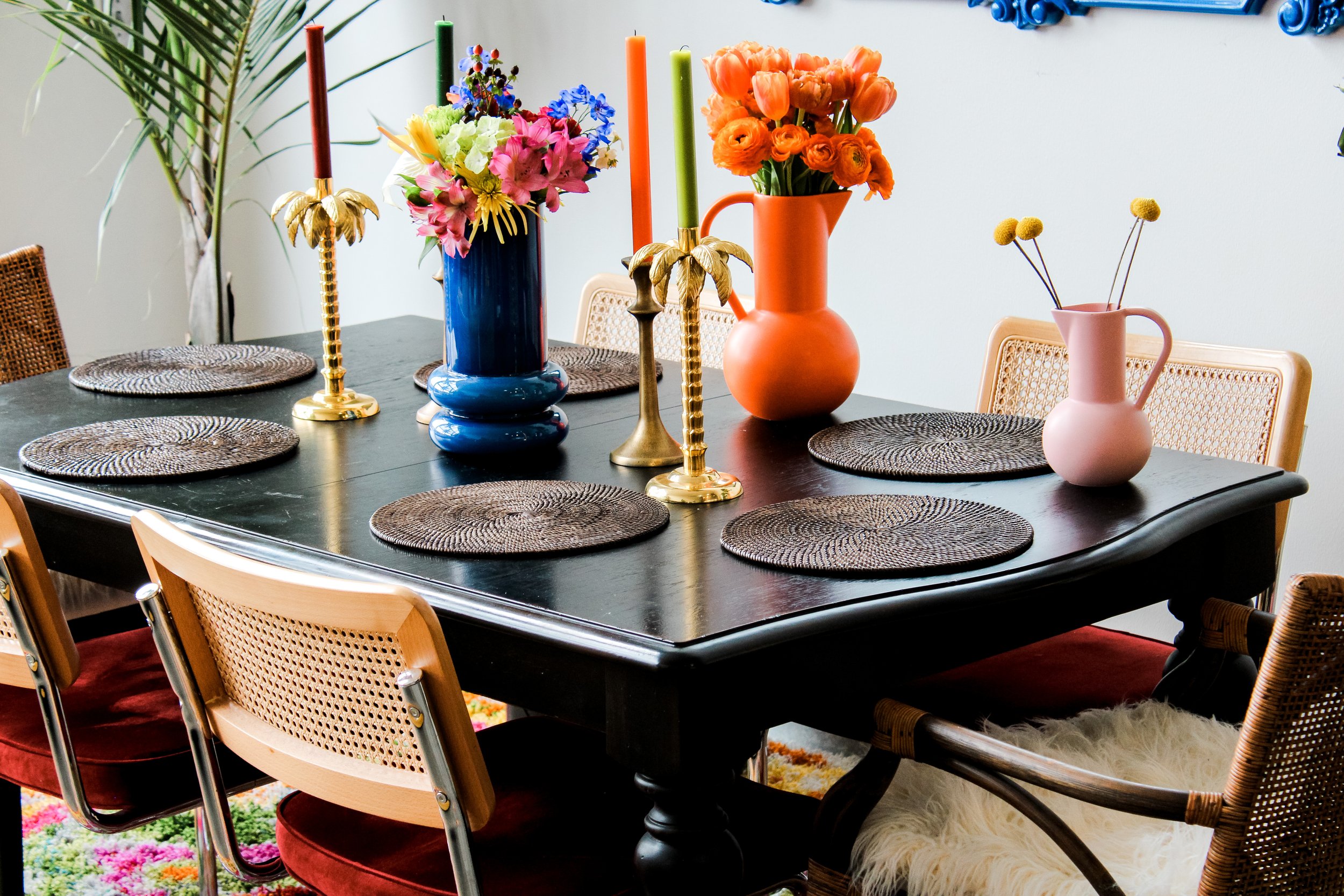
INTERIOR DESIGN | When people ask Shayla Owodunni why she loves plants so much her answer always starts at home: she grew up around them. However, the Minnesota native admits that they weren’t hers ,they were her mom’s - and back then she didn’t get it either. Now back home in Minnesota, the accountant-turned-business-consultant and chief creative behind The Plant Penthouse has turned her loft-style condo into her own verdant oasis.
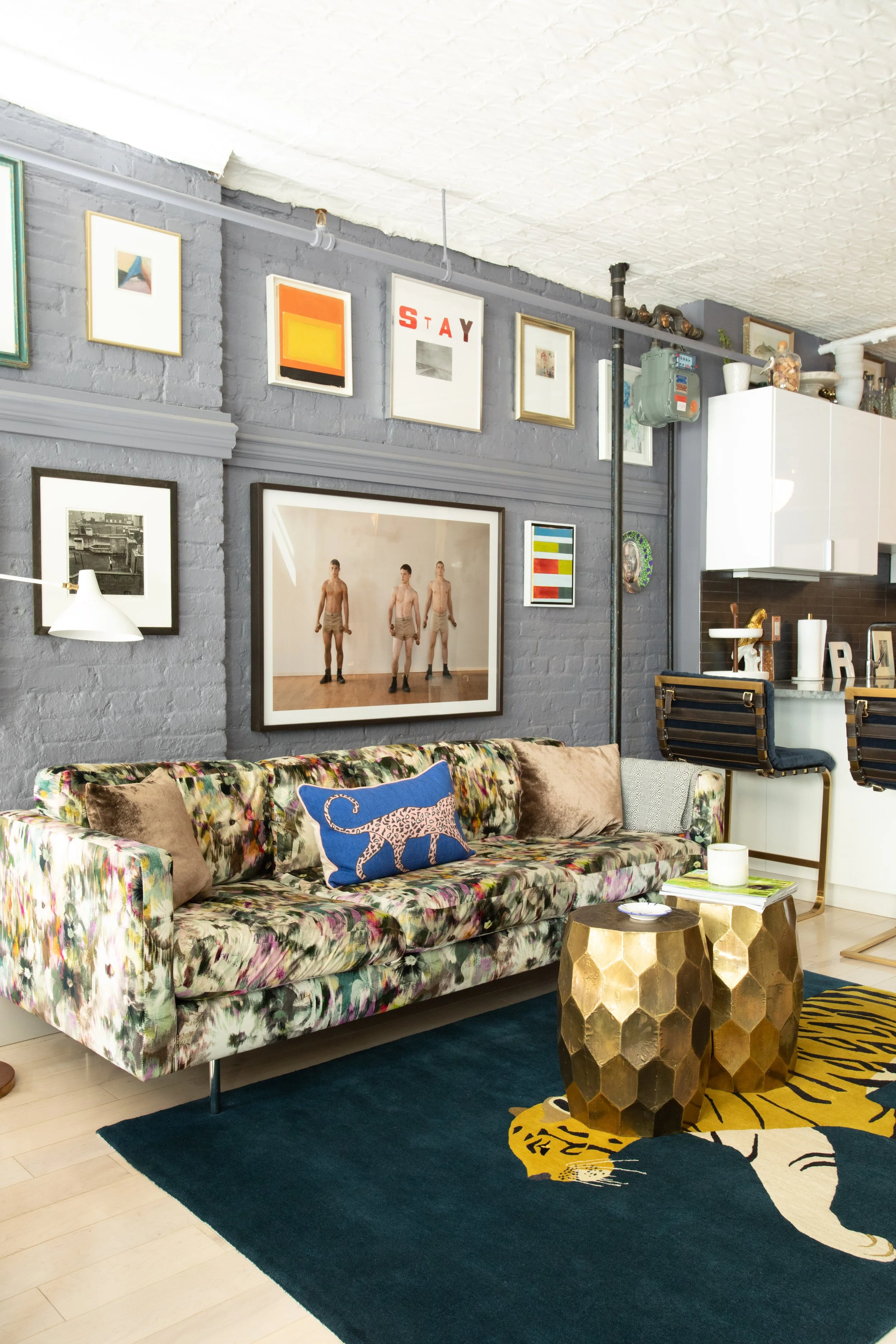
INTERIOR DESIGN | Rayman Boozer is the founder and principal designer of Apartment 48 Interior Design, a Manhattan-based firm with a varied client list and a deep portfolio of impressive spaces to its credit. With clients ranging from major companies to individual residences, the firm provides Rayman ample opportunity to be creative with interiors. Here, the sought-after designer takes us inside his gorgeous Manhattan home.
MORE LIFESTYLE & NEWS
Explore the interiors, fashion, music, and art that make up our global community.