Details
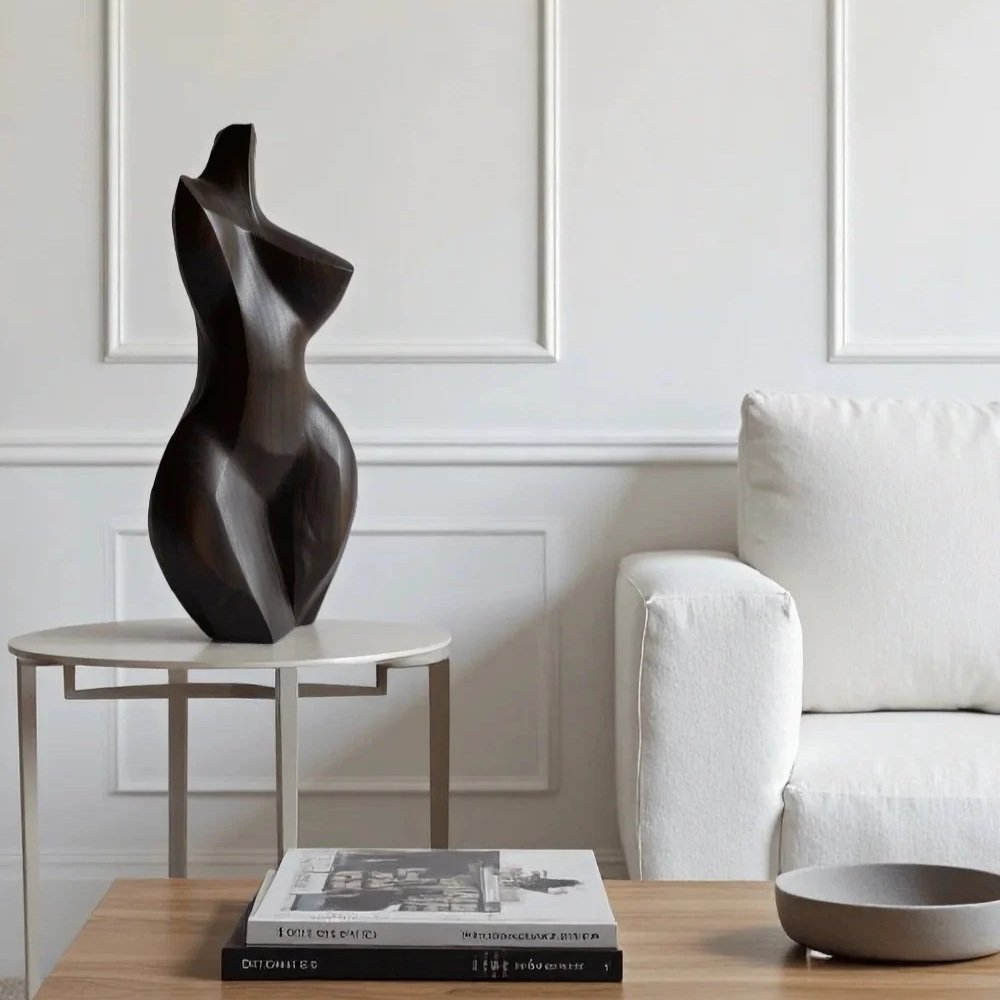
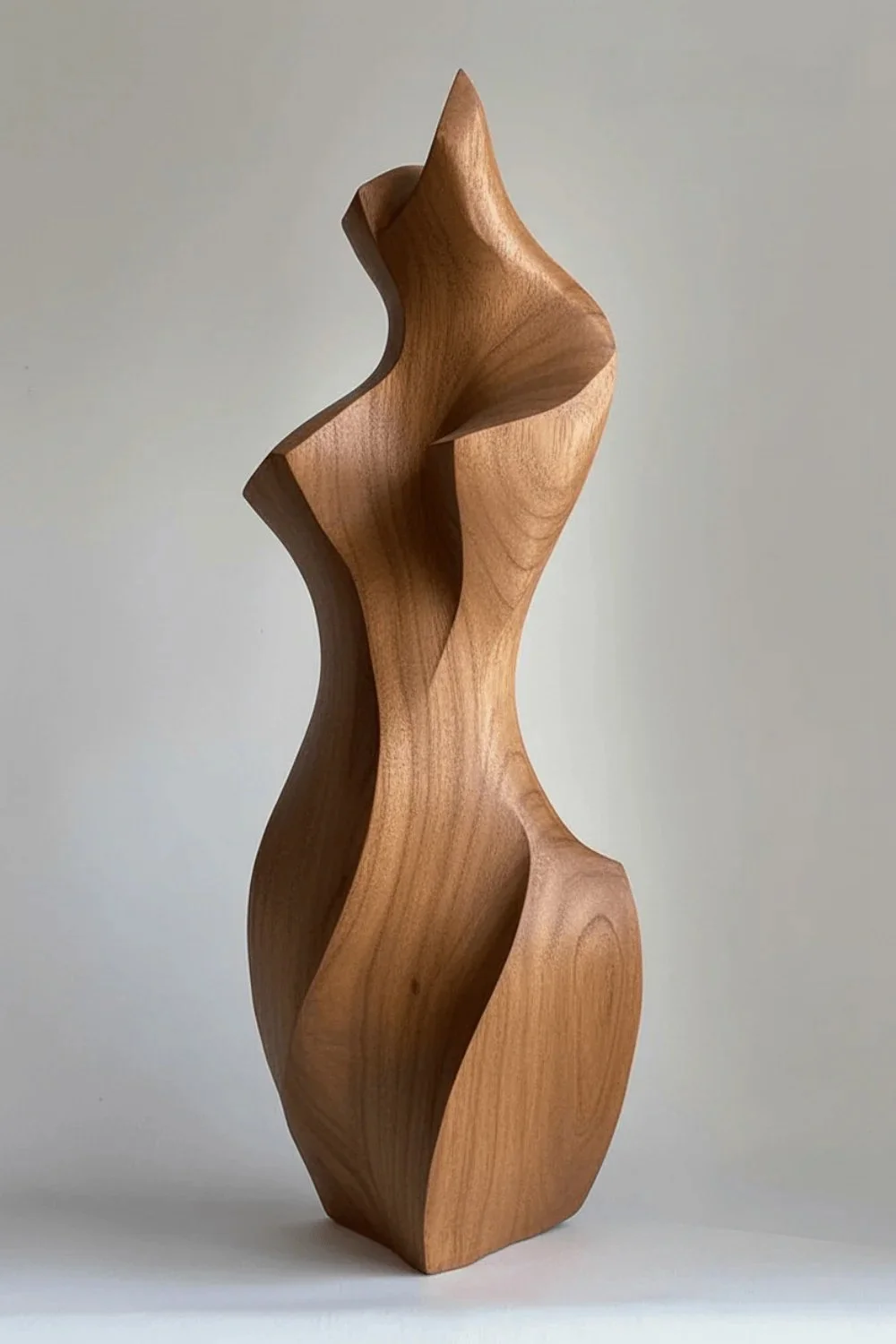
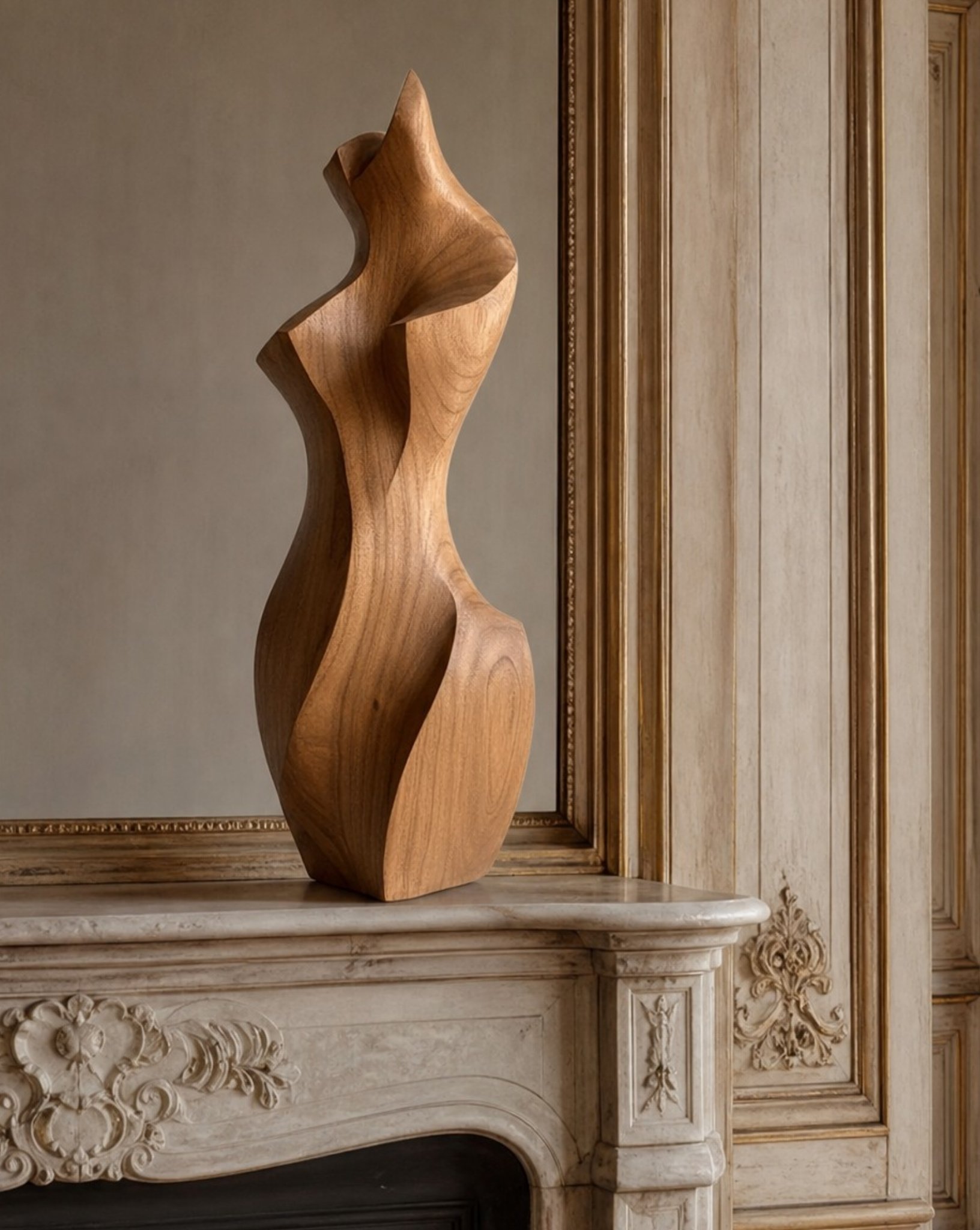
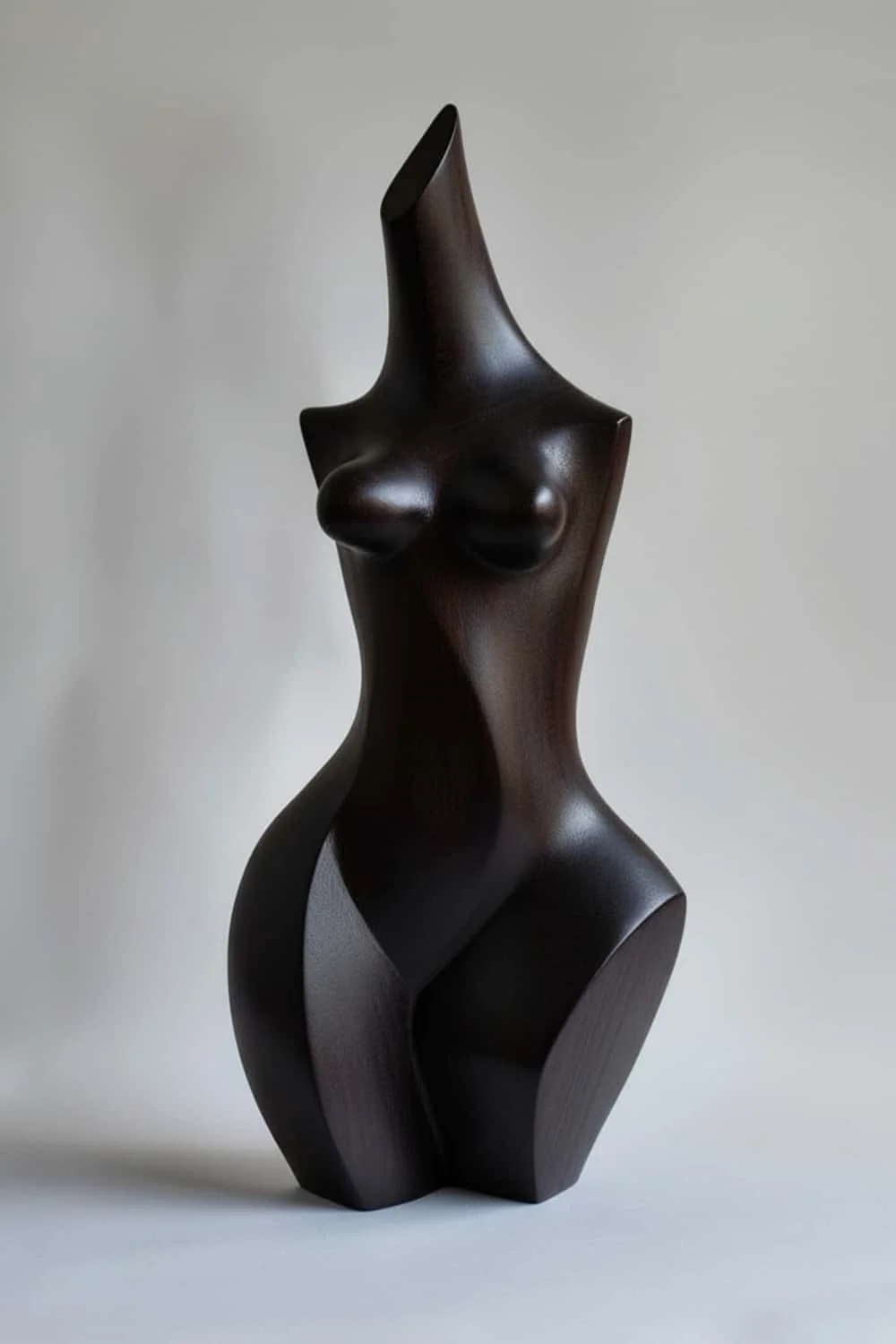
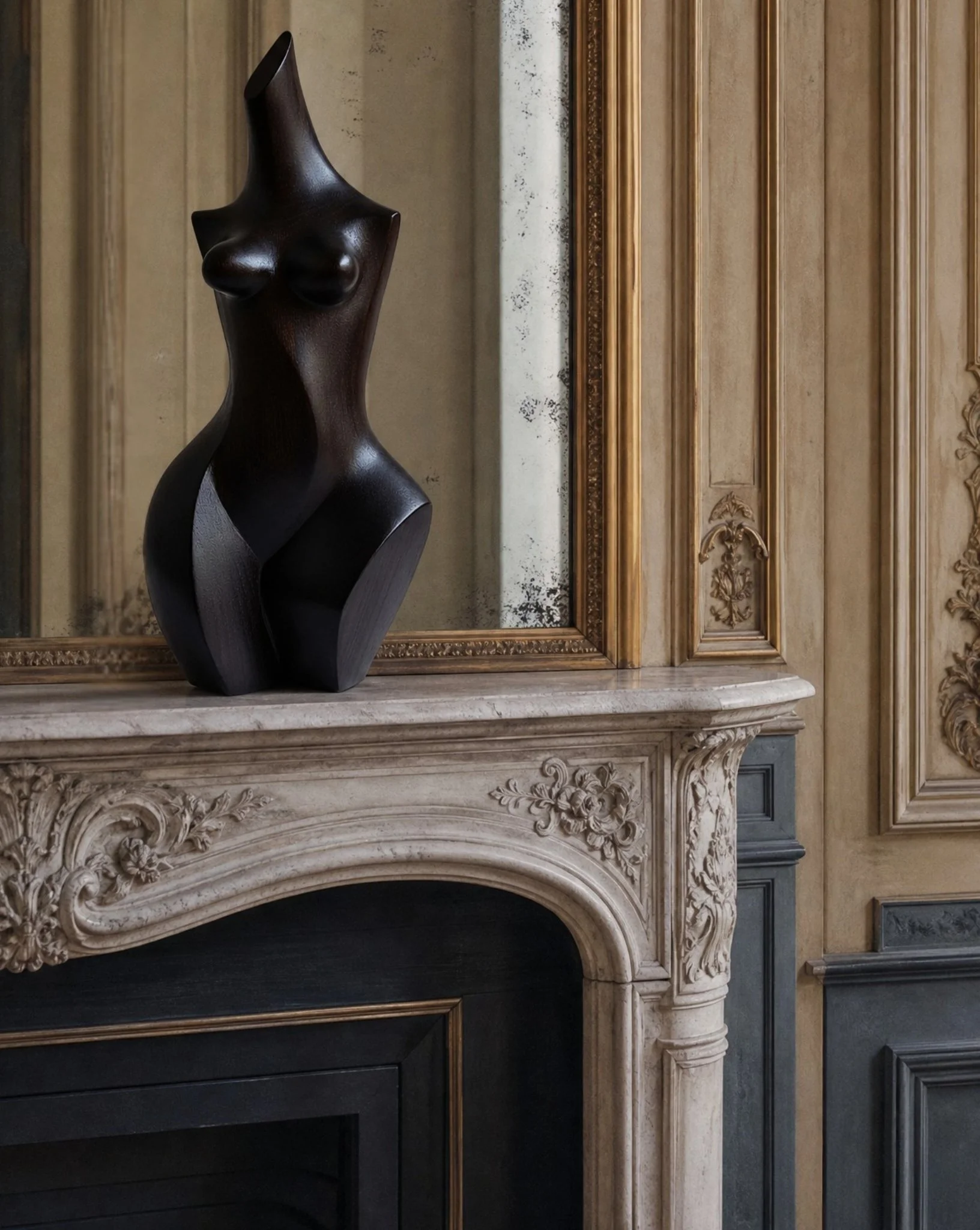
Our Nardal Wood Sculpture No. 1 is an homage to the Nardal sisters whose Paris salon was integral to the development of the Négritude movement. This artisan-made sculpture is a stunning statement piece for the home, standing at over a foot tall, and featuring a natural wood grain. Abstract in design, with an art deco, cubist silhouette, this sculpture is the perfect addition to a growing art collection.
Editors' Note
This piece is part of the Nardal Collection — dedicated to the seven Nardal sisters whose lives and work shaped so much of Black internationalism throughout the world, and laid the groundwork for the Négritude movement of the 1930s and 40s. The sisters — Paulette, Emilie, Alice, Jane, Lucy, Cécile and Andrée — born between 1896 and 1910 in Martinique, were the children of Paul Nardal and Louise Achille, both of whom hailed from prominent families. Both highly educated and accomplished musicians, Paul and Louise raised their daughters to follow in their footsteps, with the then lofty expectation that their daughters would earn their livings themselves, outside of the home. Accordingly, all 7 were highly educated and accomplished in various fields from healthcare to education. Further, the Nardal’s home often hosted gatherings of local intellectuals and musicians of high regard, a habit which, as it would be repeated by their daughters, would have a significant impact on the world. Paulette Nardal arrived in Paris in 1920 to pursue the study of English literature at Sorbonne University, one of first Black people to gain admission. She was joined in time by her sisters Jane and Andrée, who had come to pursue studies of their own. In the period between World Wars I and II, Paris became a haven for Black artists, intellectuals and writers. Following their parents’ example, in 1929 the three Nardal sisters established a salon in their home — an apartment in the Parisian suburb of Clamart. Known as, Le Salon de Clamart, it quickly became a hub of social, intellectual and artistic Black life in Paris, and in the process, a major connecting point for the young creative and intellectual vanguard of the emerging Black world. The salon drew visits from figures as varied as Alain Locke and Marcus Garvey, Marian Anderson, doctor and diplomat, Jean-Price Mars, authors Claude McKay and Countee Cullen, American singer and composer Roland Hayes, and Paul and Eslanda Robeson, among many others. The salon also attracted francophone writers René Maran, Aimé Césaire, Léopold Sédar Senghor, and Léon Gontran Damas, the latter three of which are credited with founding the seminal Negritude movement of the 1930s, of which the Nardal sisters are recognized as an integral part. Perhaps, the Nardal sisters’ most impactful tool was their writing. Both Paulette and Jane wrote for La Dépêche africaine (“The African Dispatch”) — a 1920s Parisian newspaper printed by Guadeloupean Maurice Satineau — providing rich cultural and political commentary. In fact, it was Jane’s article, Internationalisme noir (“Black Internationalism”), printed in the paper’s first issue, which is often highlighted as most clearly laying out the principles of Négritude. Later, Jane and Paulette would embark on their own publication journey, establishing the highly impactful journal, La Revue du Monde Noir (“The Review of the Black World”) in 1931. Though the journal saw only six issues before shuttering in 1932, the sisters remained active on various fronts even as the interwar period ended and the world drifted into its next major conflict.
Details
Our Nardal Wood Sculpture No. 1 is an homage to the Nardal sisters whose Paris salon was integral to the development of the Négritude movement. This artisan-made sculpture is a stunning statement piece for the home, standing at over a foot tall, and featuring a natural wood grain. Abstract in design, with an art deco, cubist silhouette, this sculpture is the perfect addition to a growing art collection.
Editors' Note
This piece is part of the Nardal Collection — dedicated to the seven Nardal sisters whose lives and work shaped so much of Black internationalism throughout the world, and laid the groundwork for the Négritude movement of the 1930s and 40s. The sisters — Paulette, Emilie, Alice, Jane, Lucy, Cécile and Andrée — born between 1896 and 1910 in Martinique, were the children of Paul Nardal and Louise Achille, both of whom hailed from prominent families. Both highly educated and accomplished musicians, Paul and Louise raised their daughters to follow in their footsteps, with the then lofty expectation that their daughters would earn their livings themselves, outside of the home. Accordingly, all 7 were highly educated and accomplished in various fields from healthcare to education. Further, the Nardal’s home often hosted gatherings of local intellectuals and musicians of high regard, a habit which, as it would be repeated by their daughters, would have a significant impact on the world. Paulette Nardal arrived in Paris in 1920 to pursue the study of English literature at Sorbonne University, one of first Black people to gain admission. She was joined in time by her sisters Jane and Andrée, who had come to pursue studies of their own. In the period between World Wars I and II, Paris became a haven for Black artists, intellectuals and writers. Following their parents’ example, in 1929 the three Nardal sisters established a salon in their home — an apartment in the Parisian suburb of Clamart. Known as, Le Salon de Clamart, it quickly became a hub of social, intellectual and artistic Black life in Paris, and in the process, a major connecting point for the young creative and intellectual vanguard of the emerging Black world. The salon drew visits from figures as varied as Alain Locke and Marcus Garvey, Marian Anderson, doctor and diplomat, Jean-Price Mars, authors Claude McKay and Countee Cullen, American singer and composer Roland Hayes, and Paul and Eslanda Robeson, among many others. The salon also attracted francophone writers René Maran, Aimé Césaire, Léopold Sédar Senghor, and Léon Gontran Damas, the latter three of which are credited with founding the seminal Negritude movement of the 1930s, of which the Nardal sisters are recognized as an integral part. Perhaps, the Nardal sisters’ most impactful tool was their writing. Both Paulette and Jane wrote for La Dépêche africaine (“The African Dispatch”) — a 1920s Parisian newspaper printed by Guadeloupean Maurice Satineau — providing rich cultural and political commentary. In fact, it was Jane’s article, Internationalisme noir (“Black Internationalism”), printed in the paper’s first issue, which is often highlighted as most clearly laying out the principles of Négritude. Later, Jane and Paulette would embark on their own publication journey, establishing the highly impactful journal, La Revue du Monde Noir (“The Review of the Black World”) in 1931. Though the journal saw only six issues before shuttering in 1932, the sisters remained active on various fronts even as the interwar period ended and the world drifted into its next major conflict.

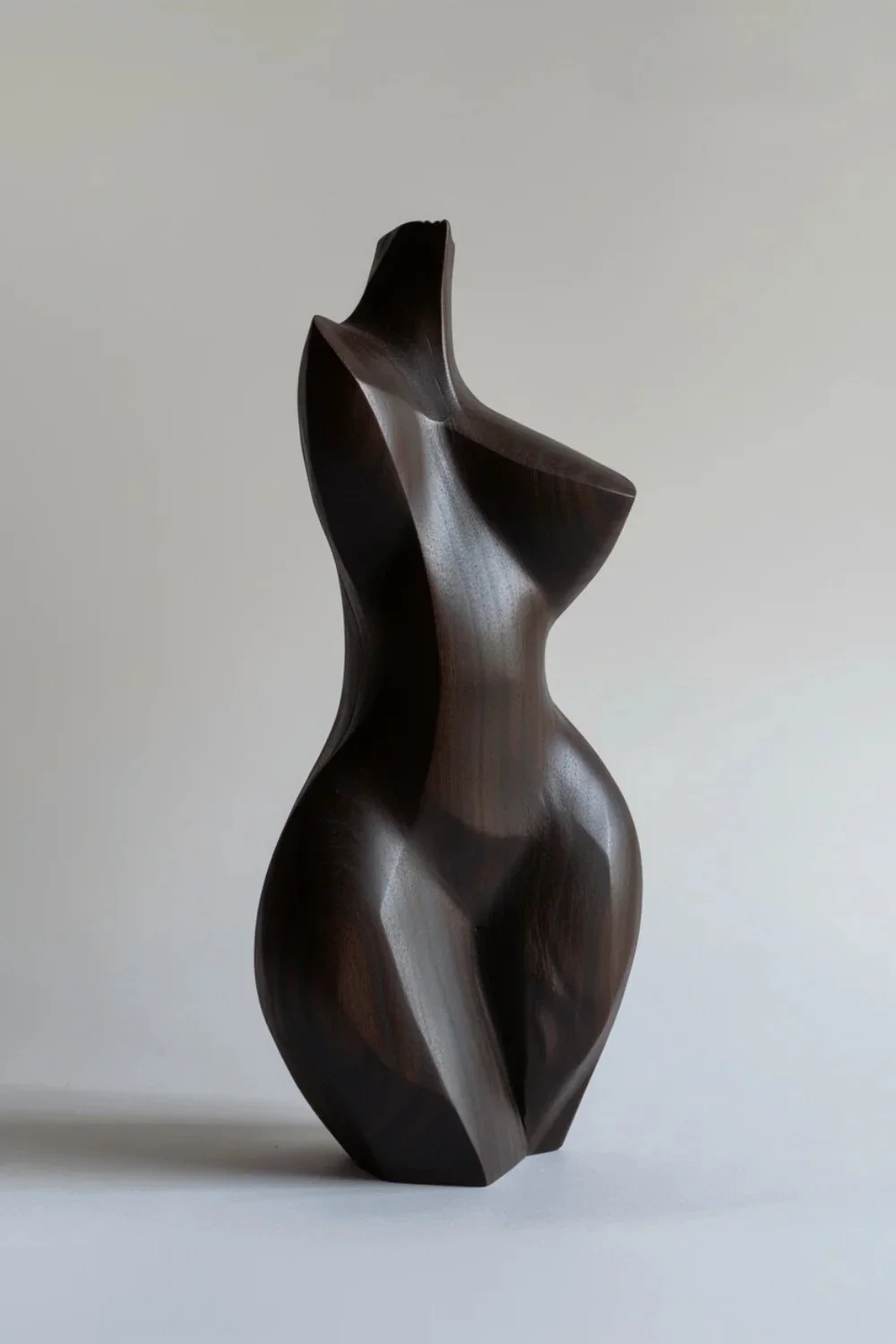 Image 1 of 2
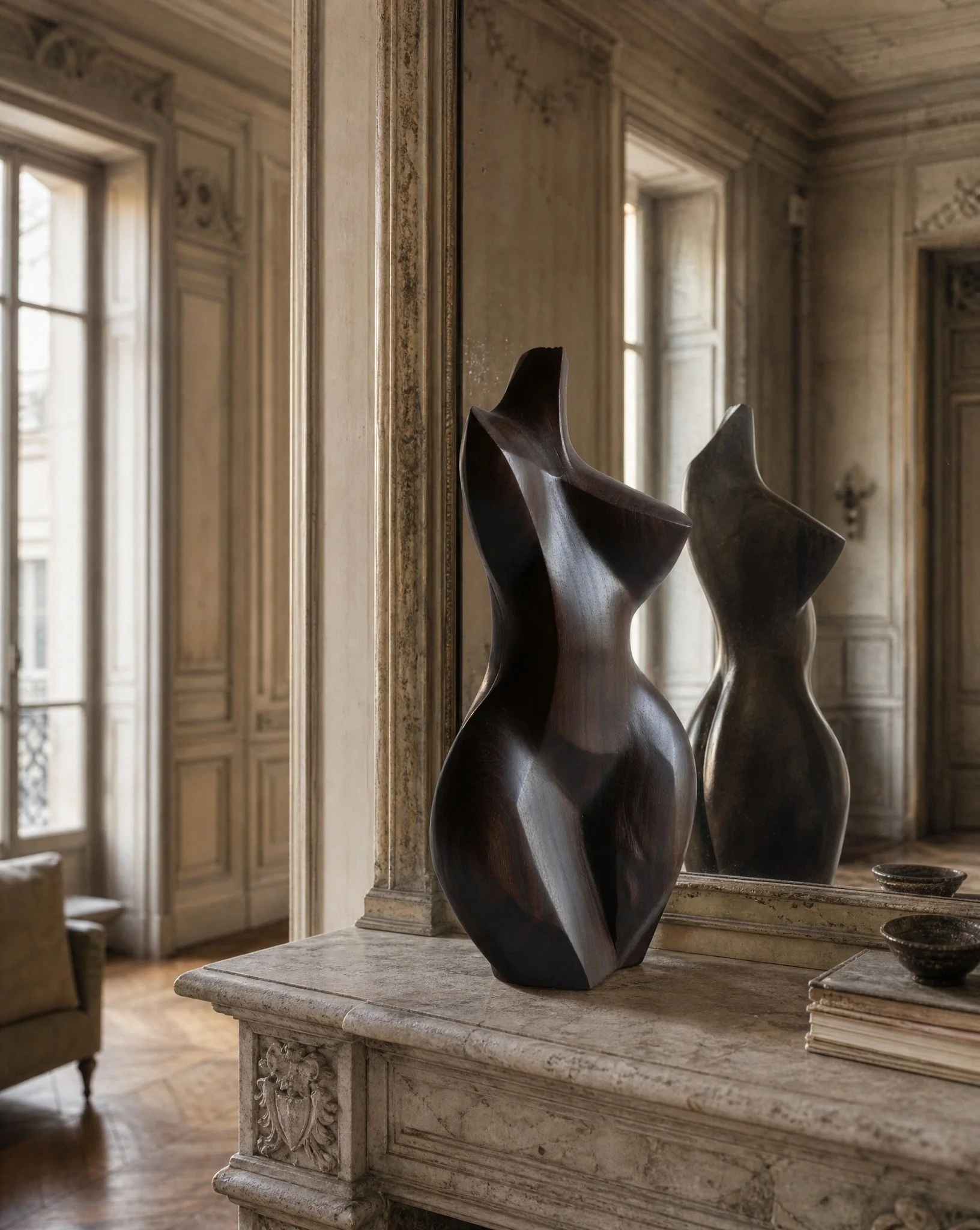 Image 2 of 2