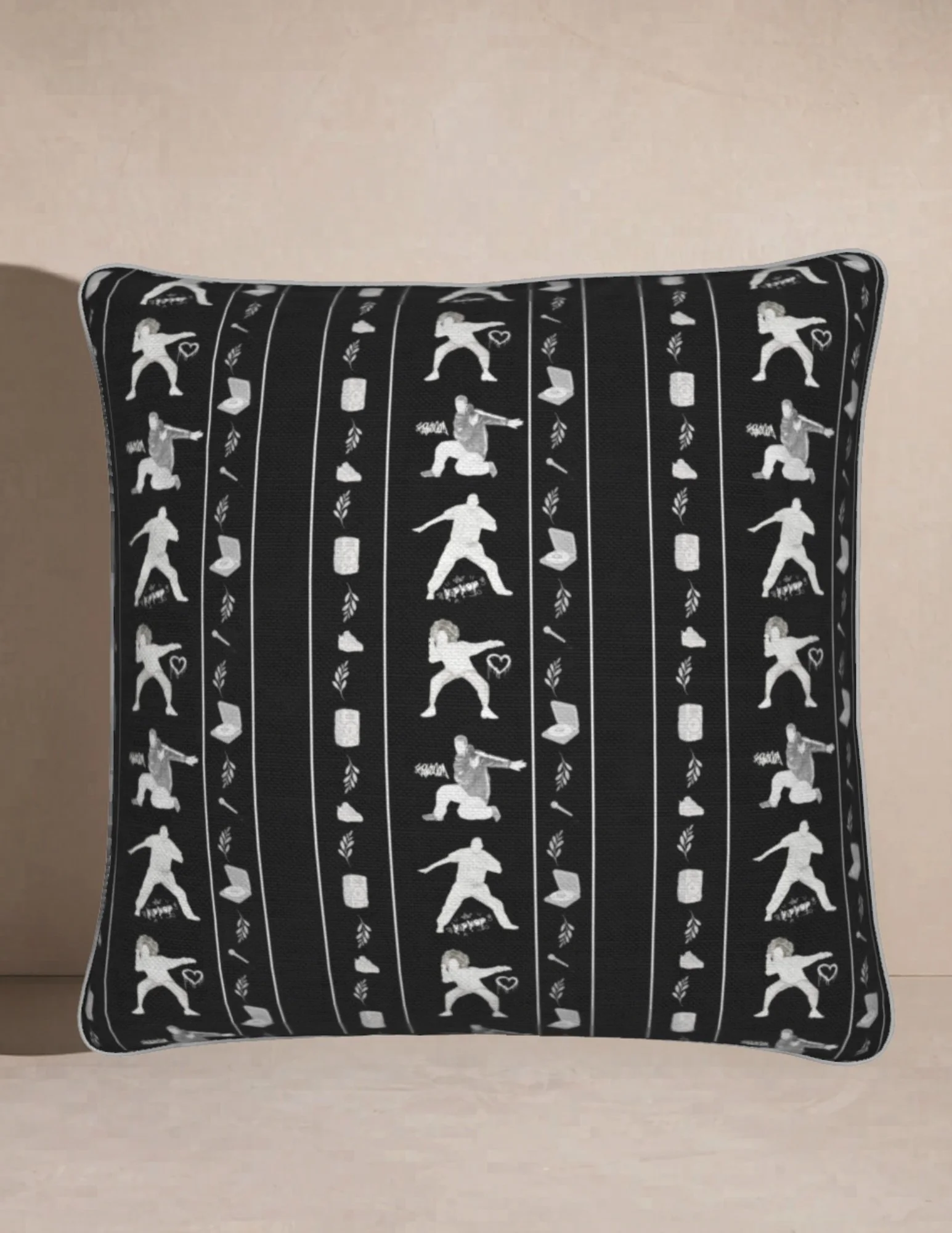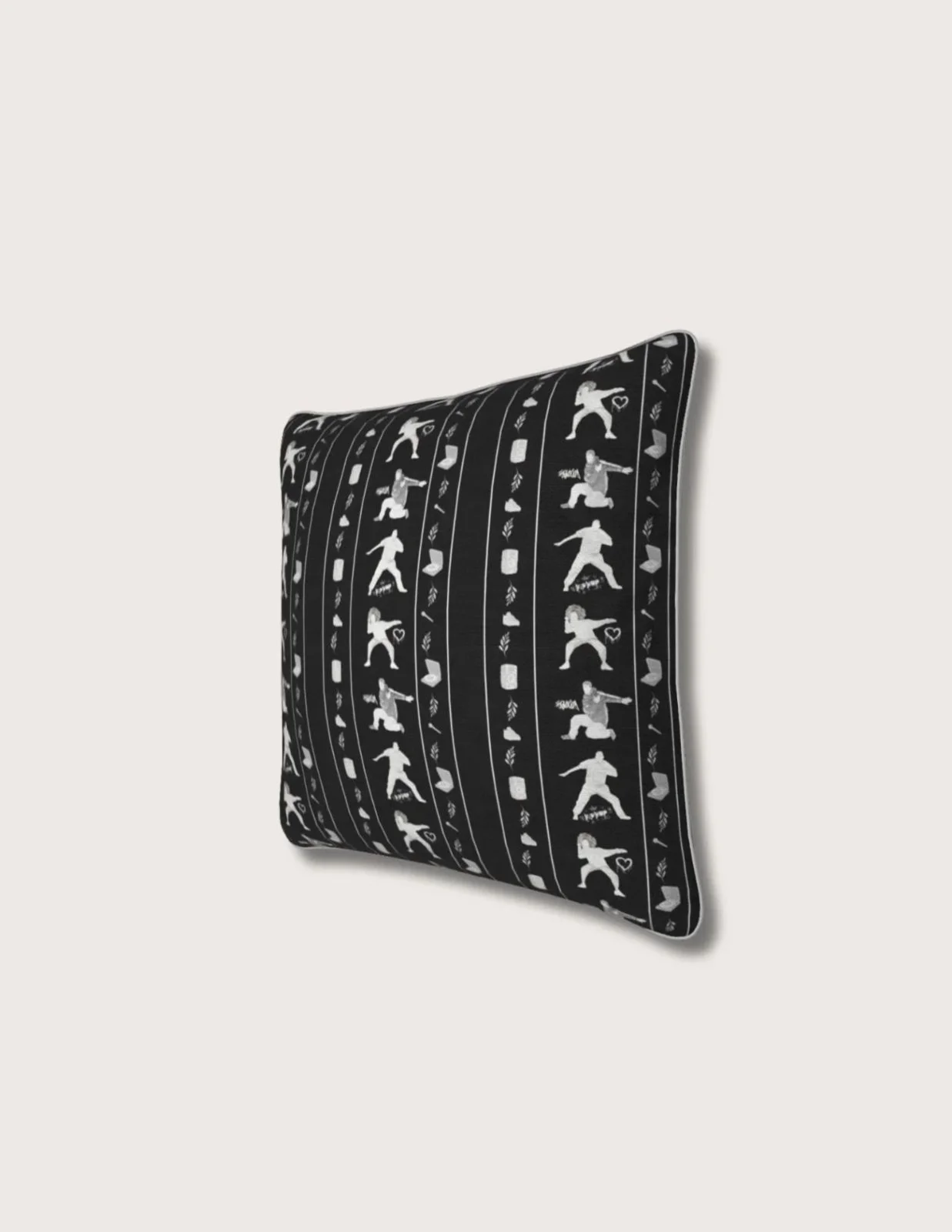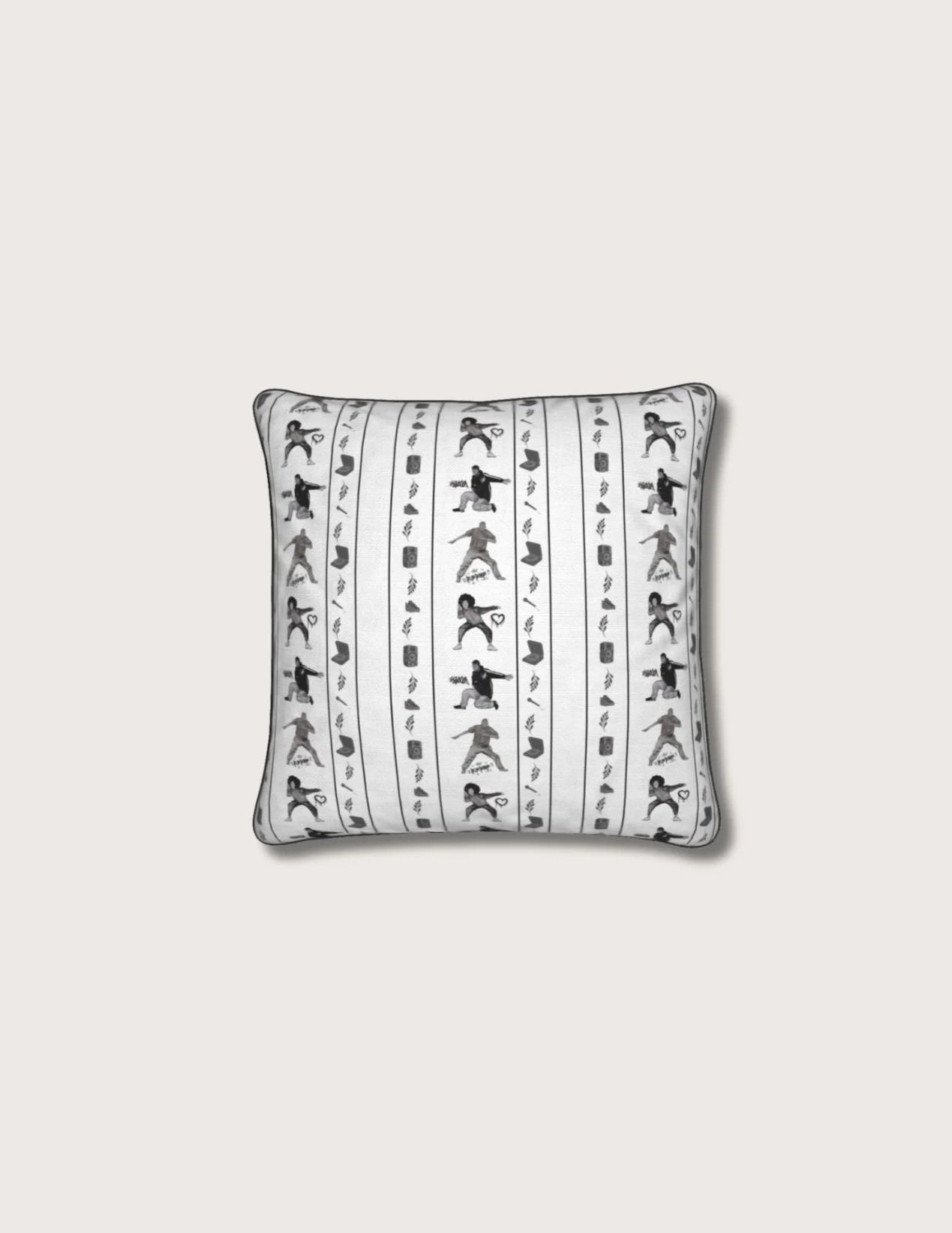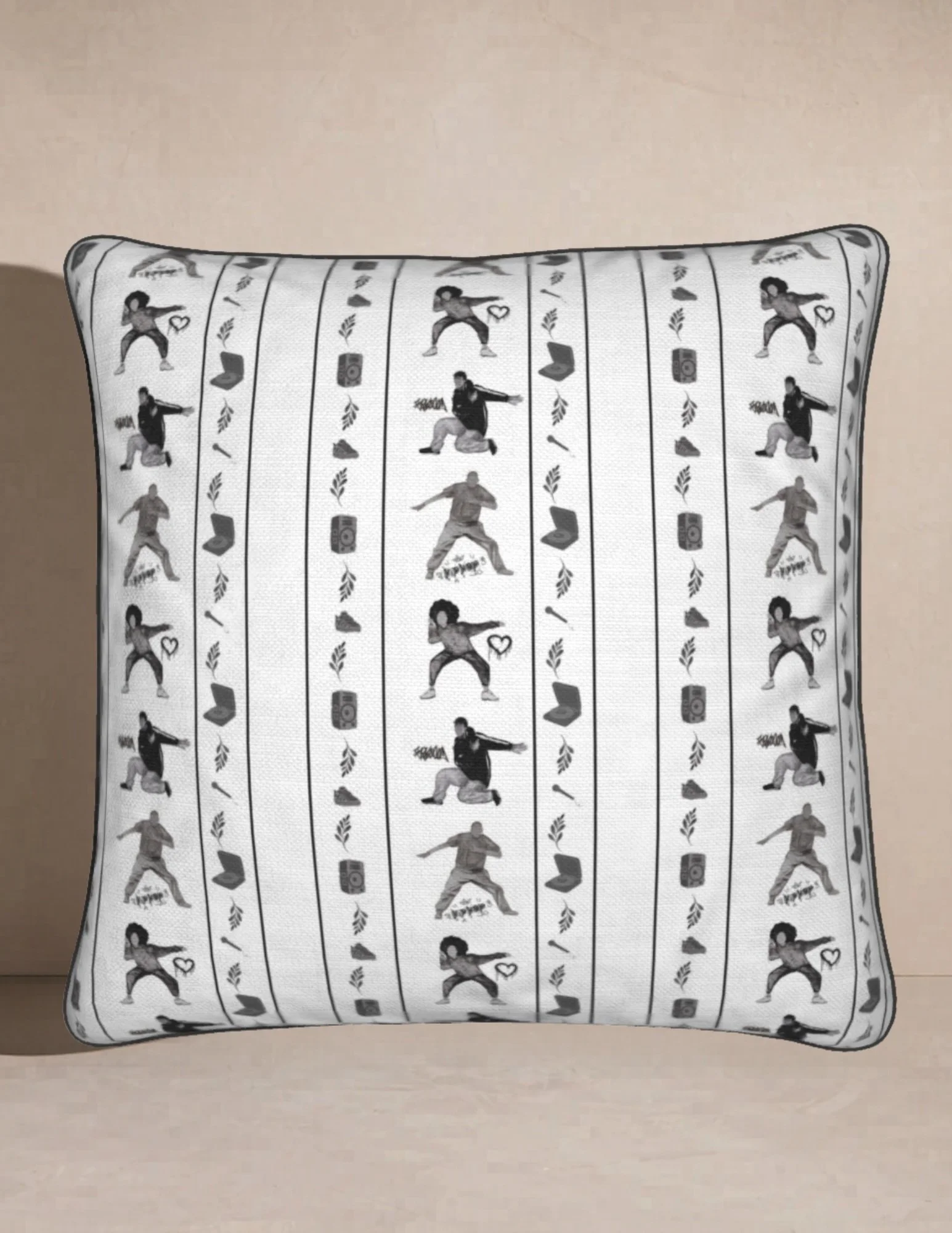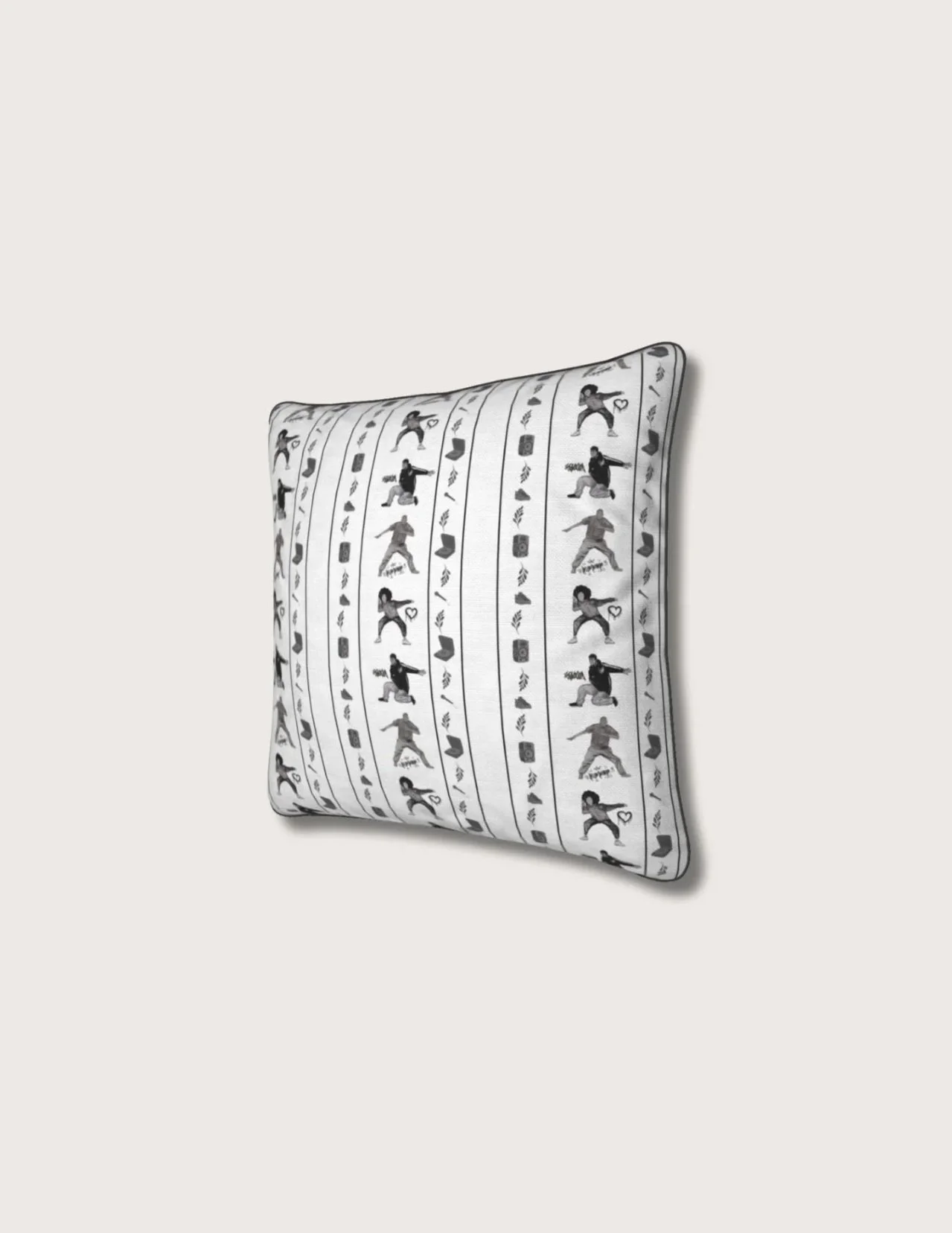
Kente Ebony Pillow

from $288.00
Material:

Details

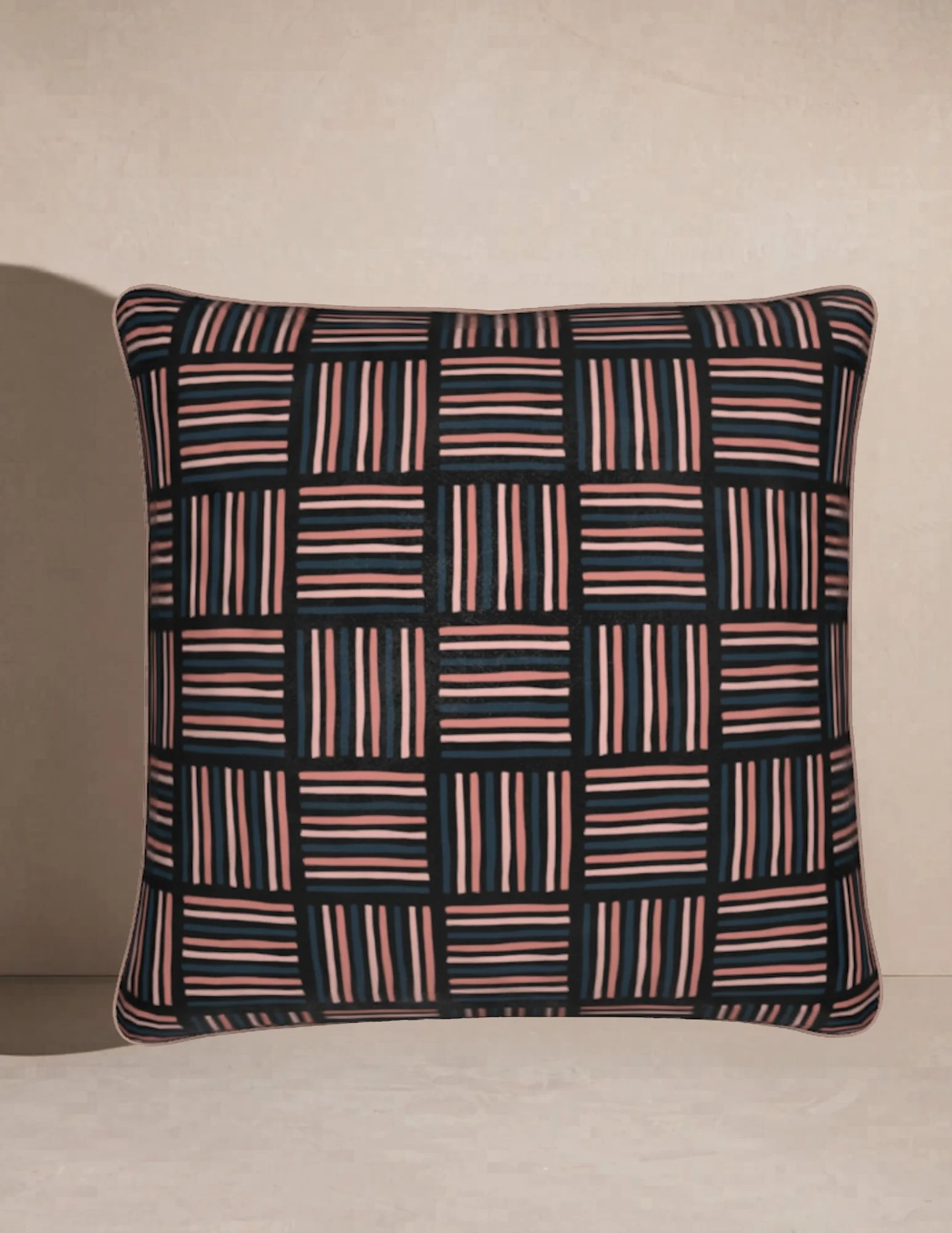
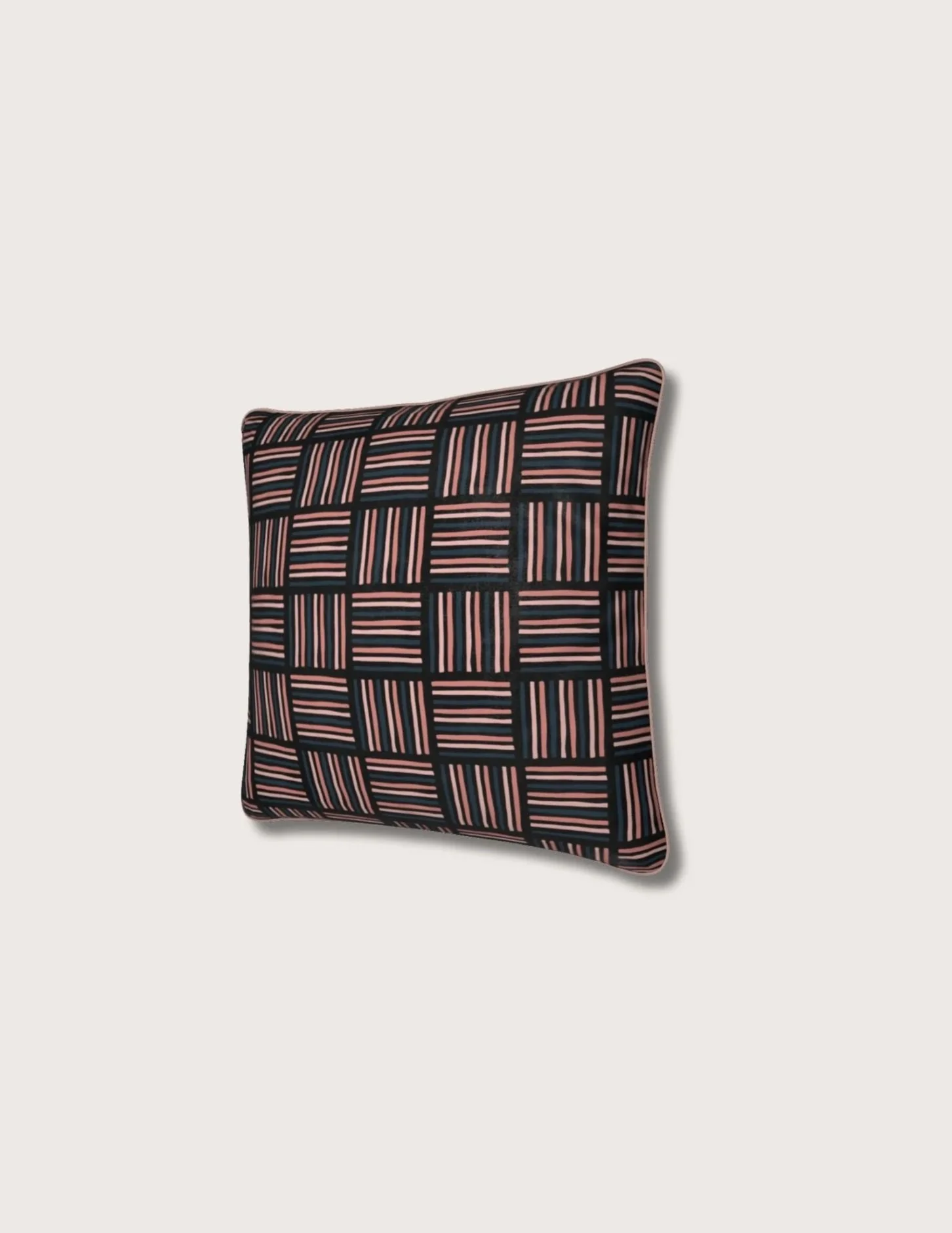
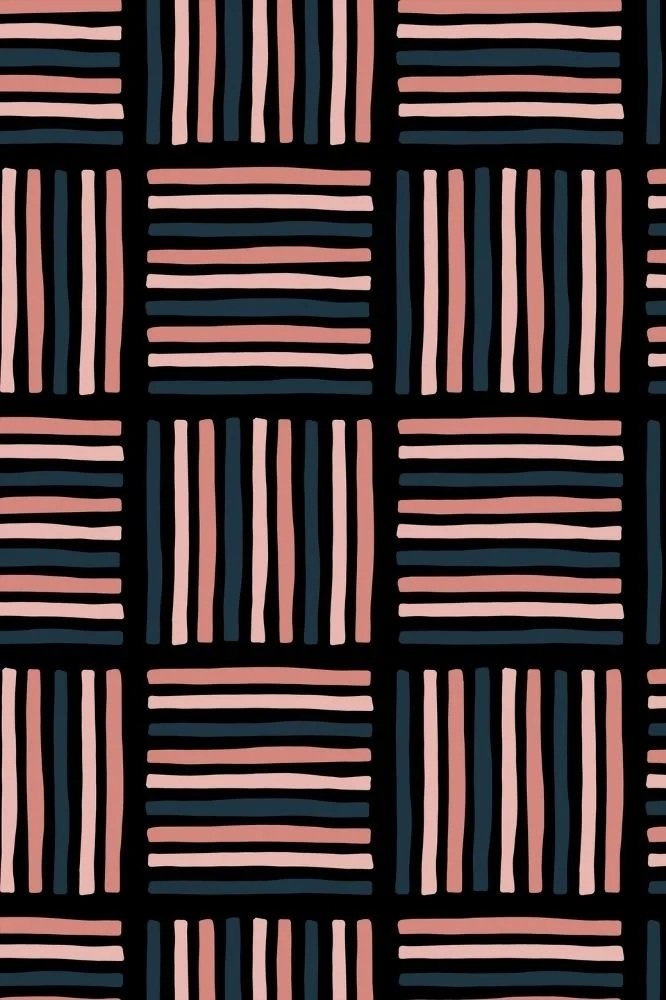
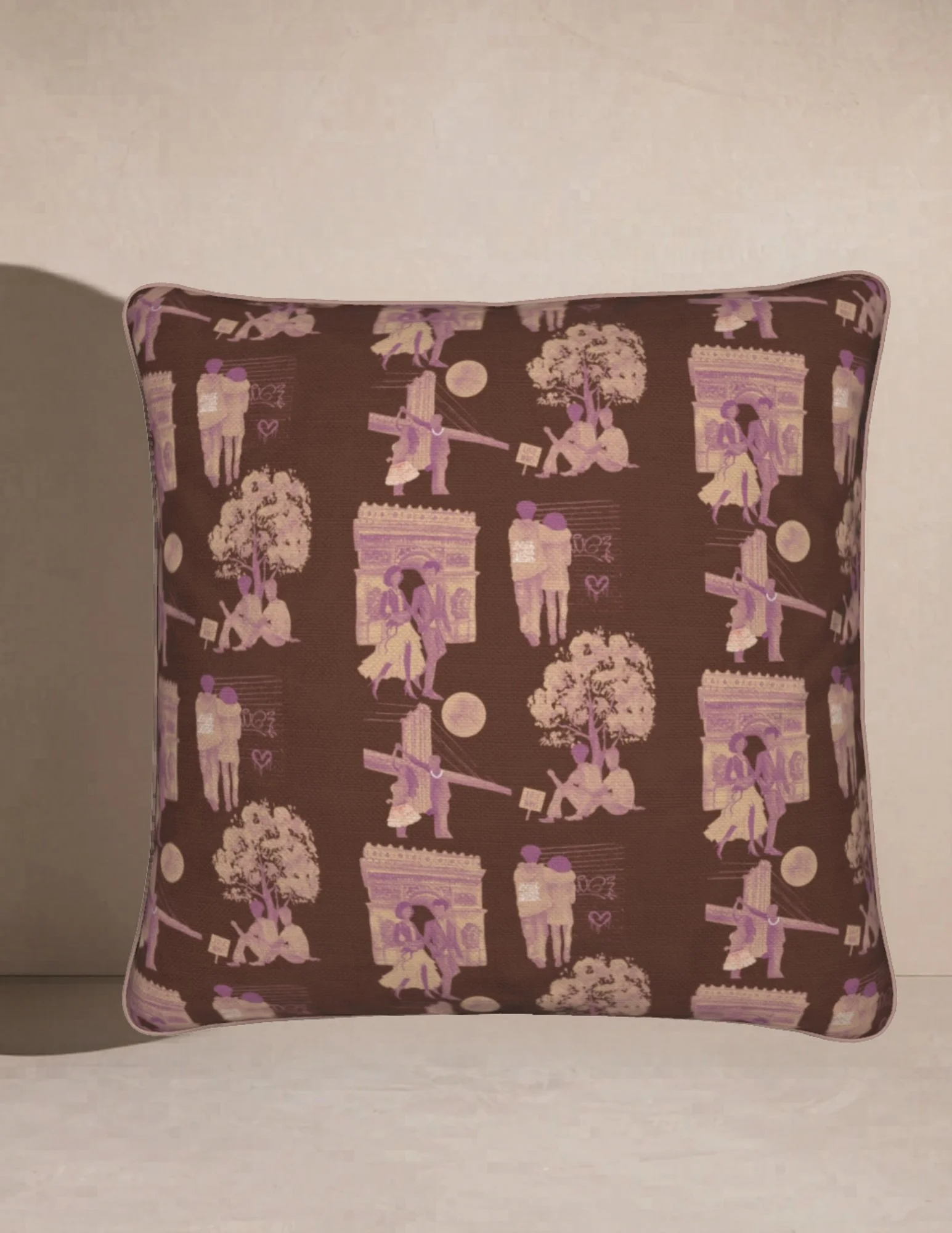
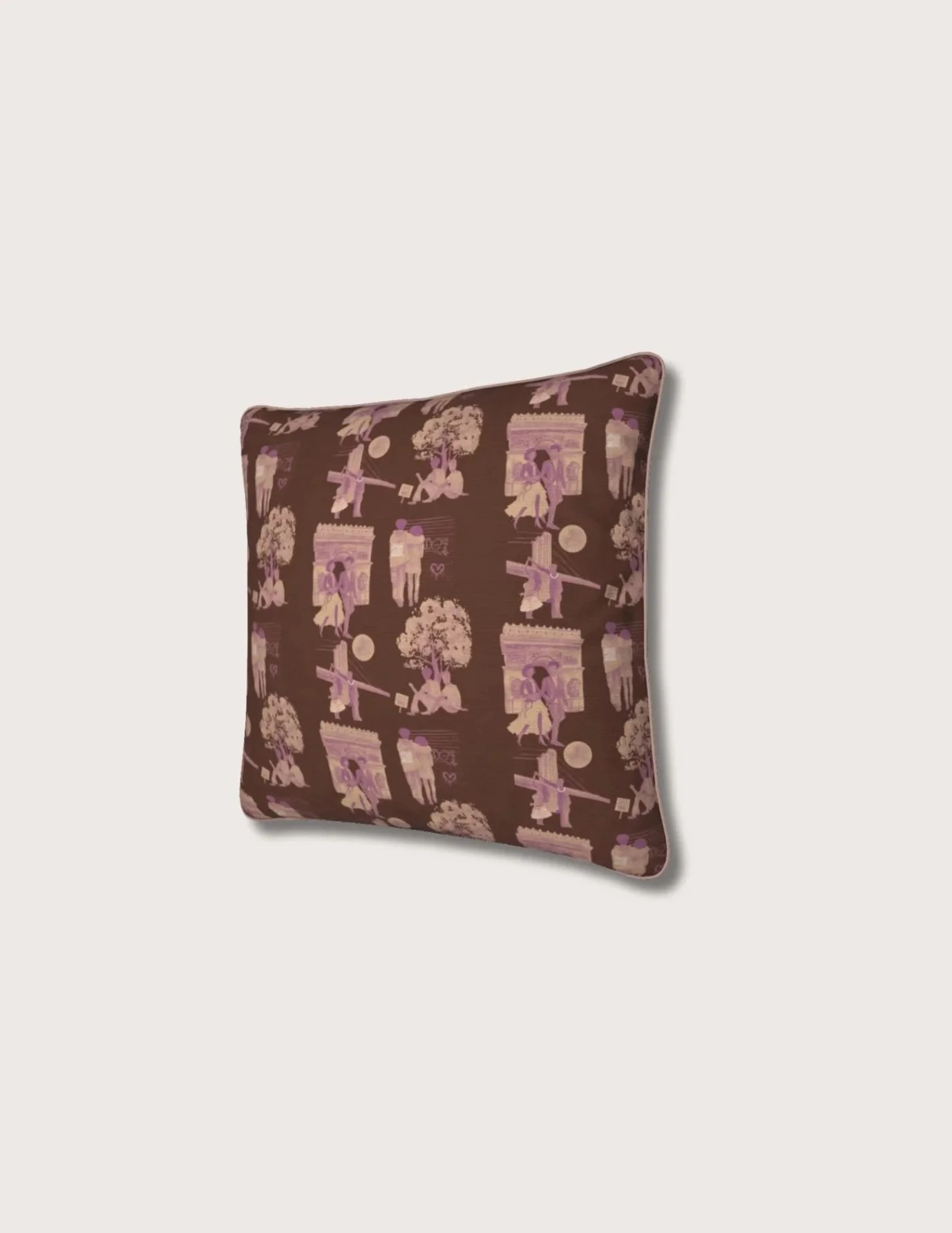
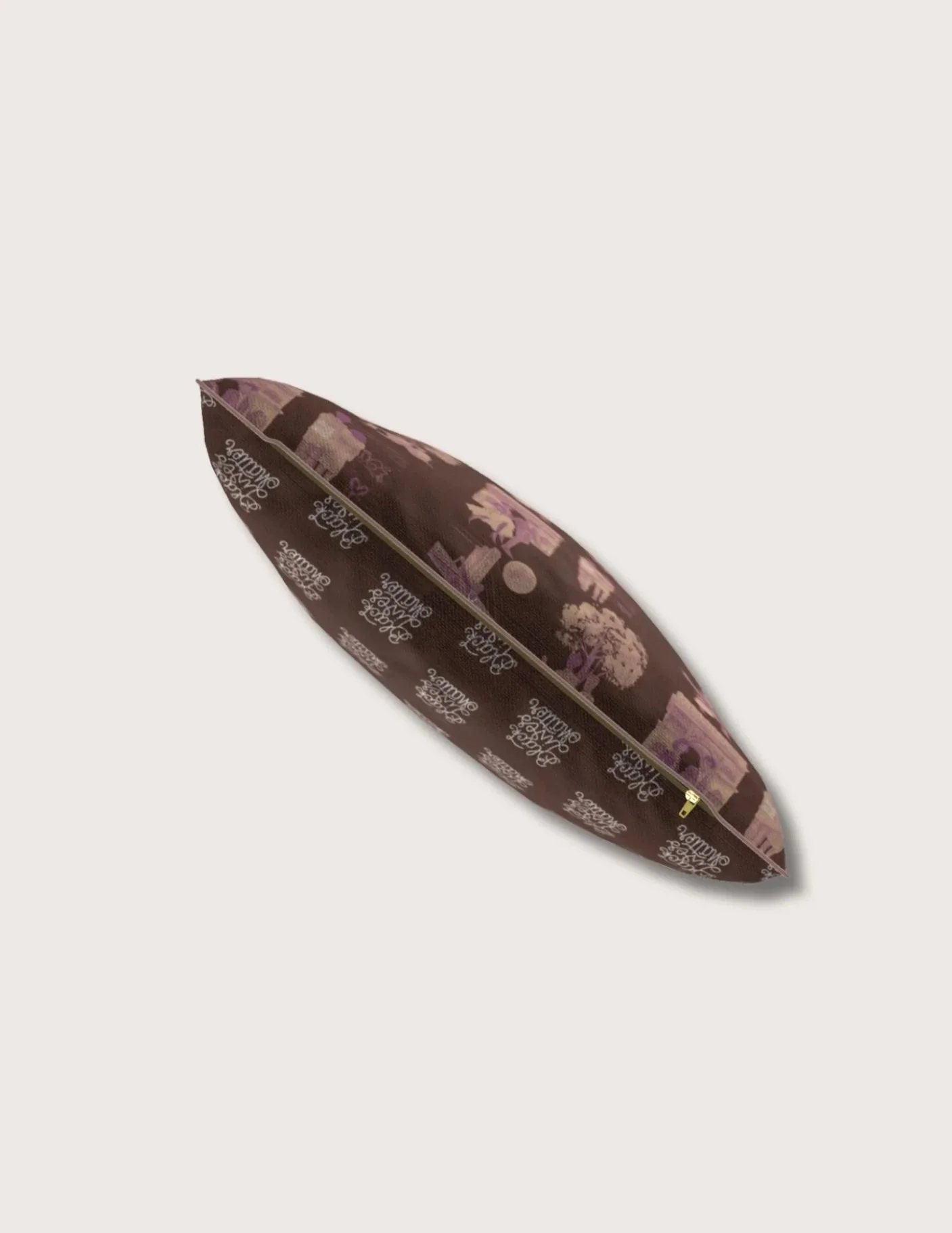
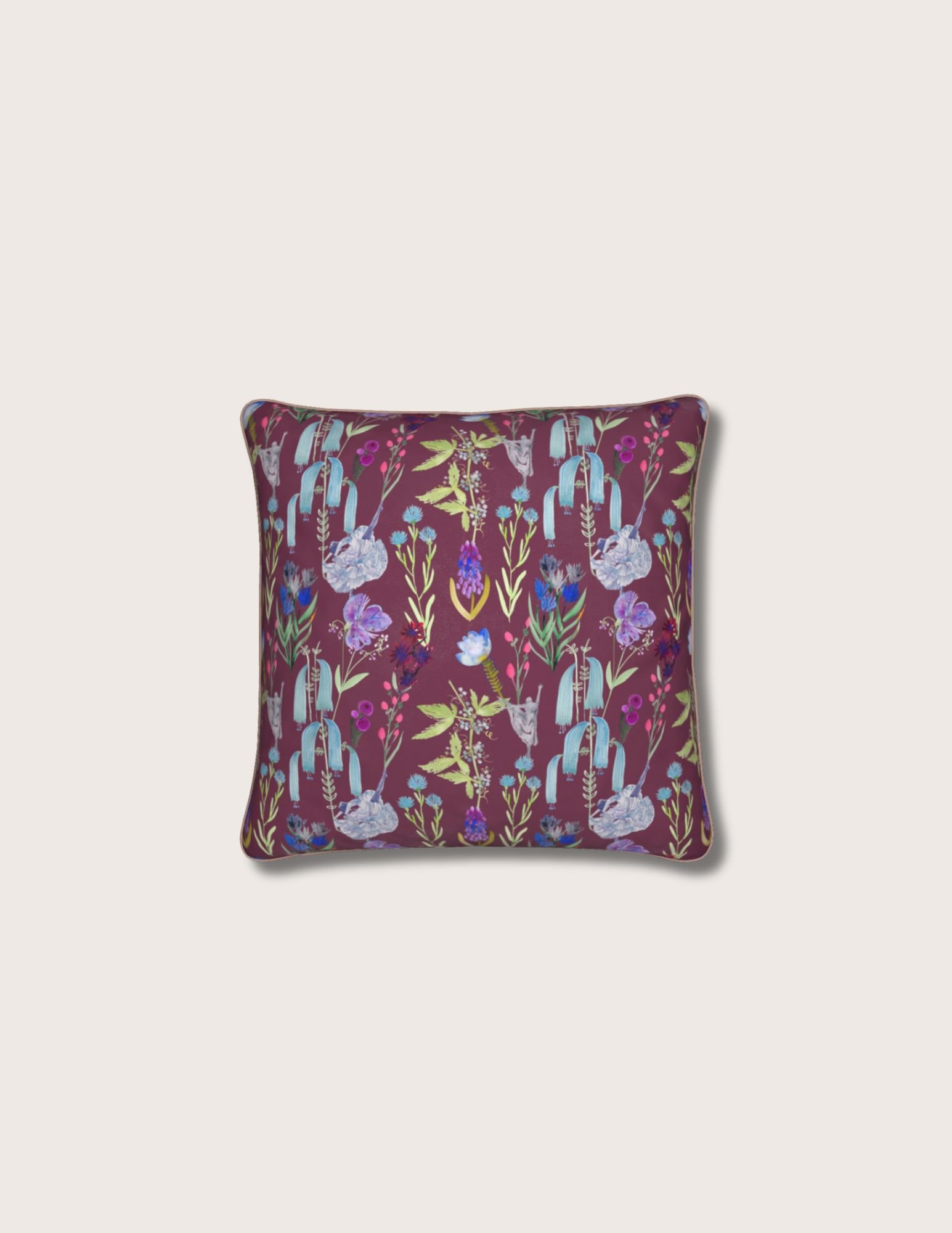
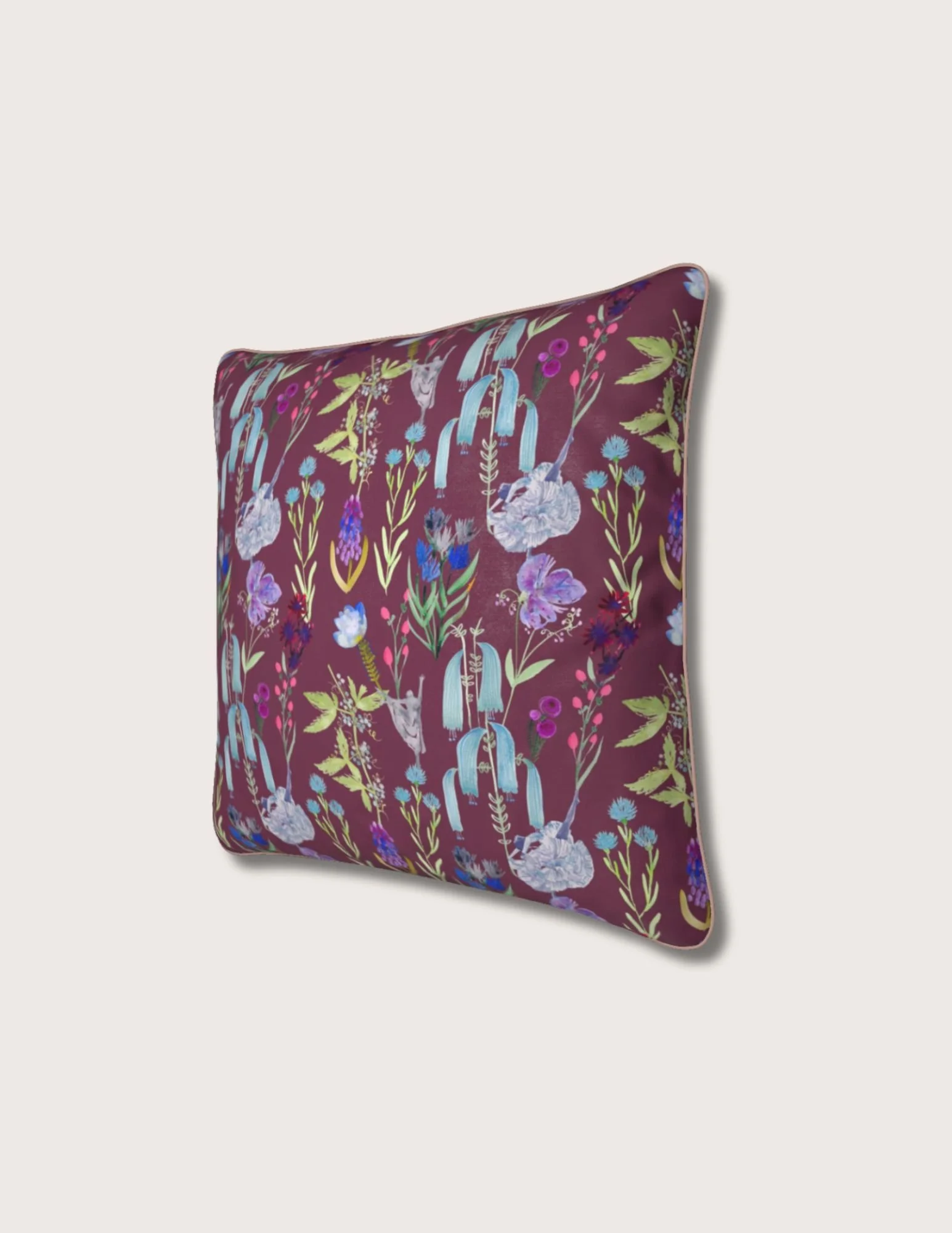
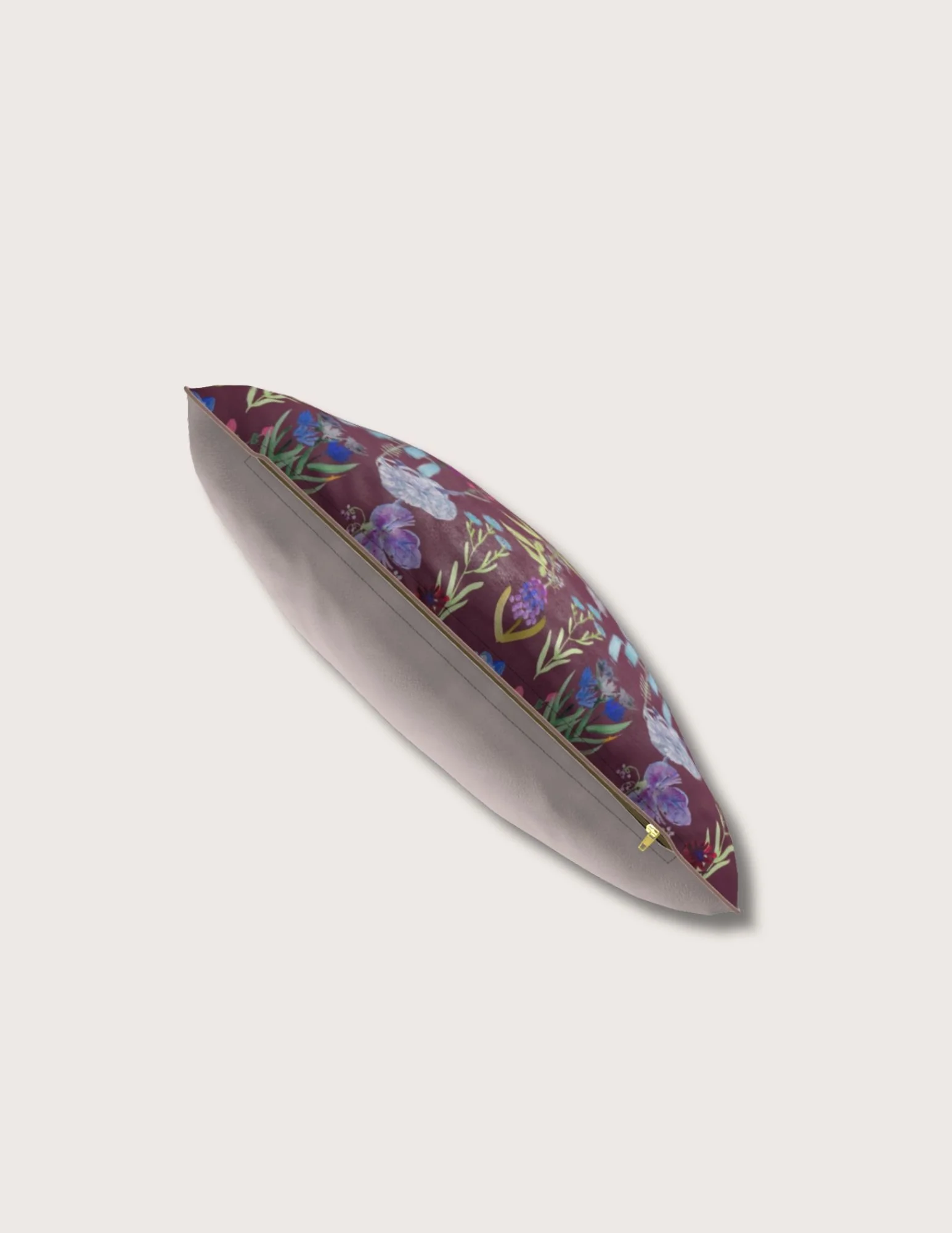
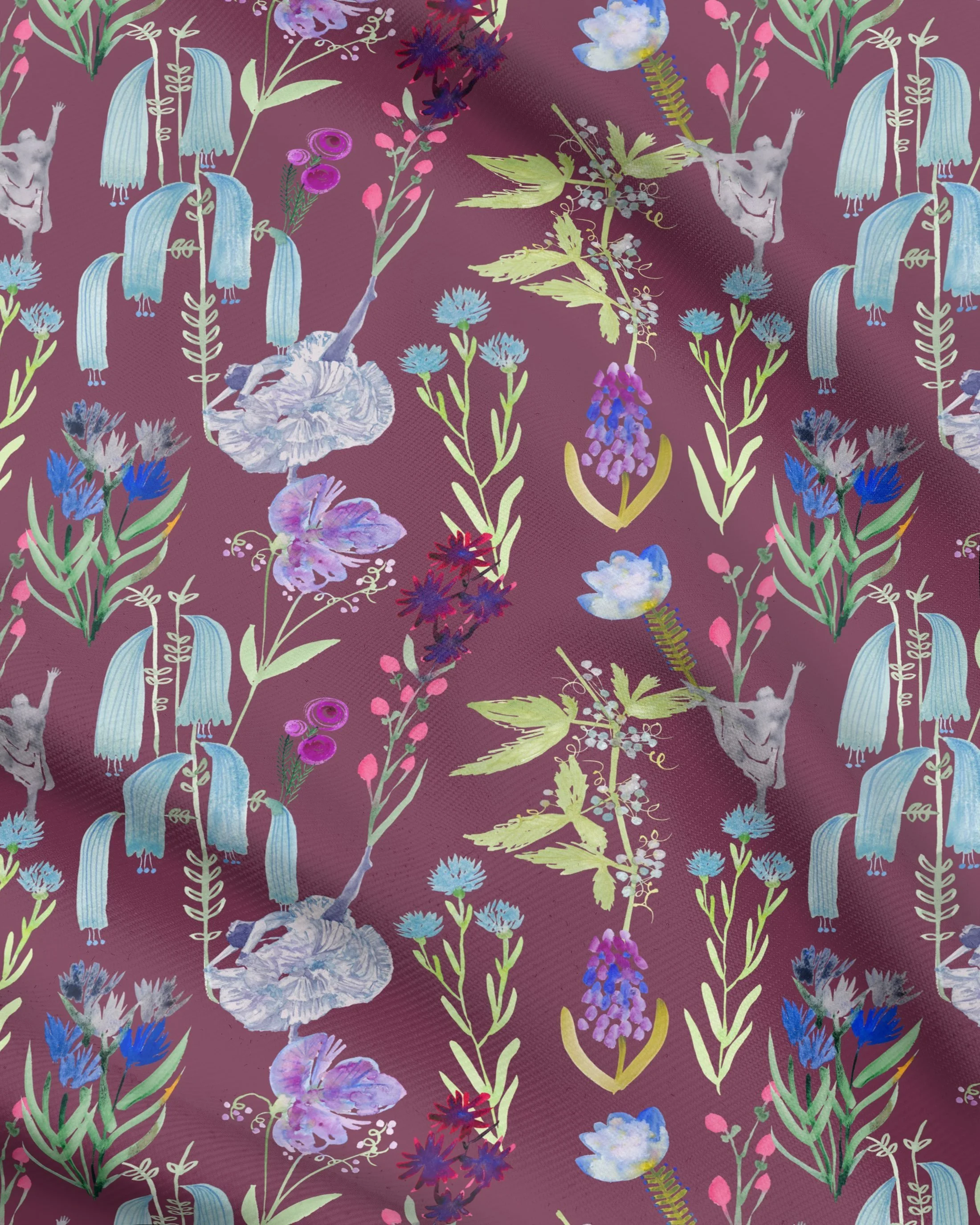
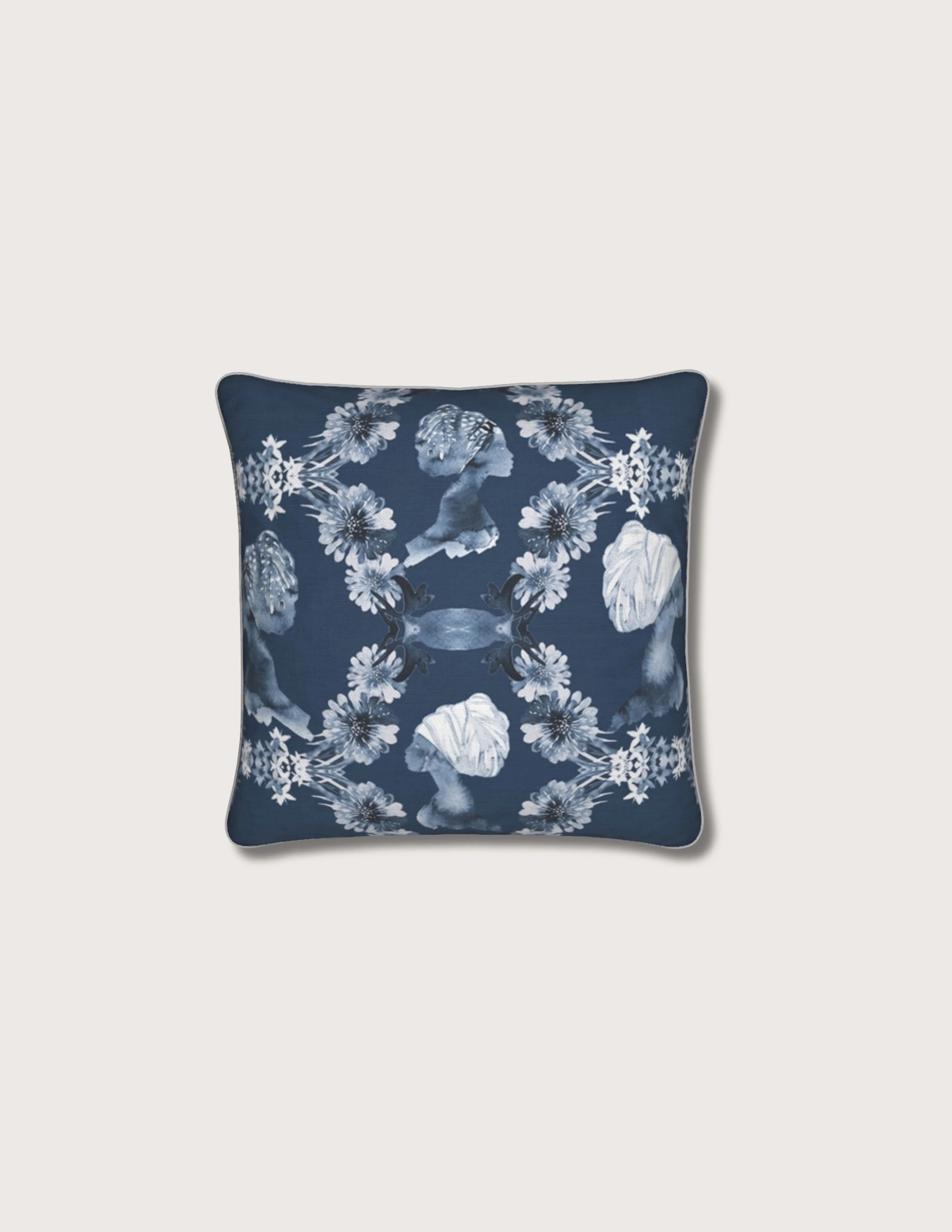
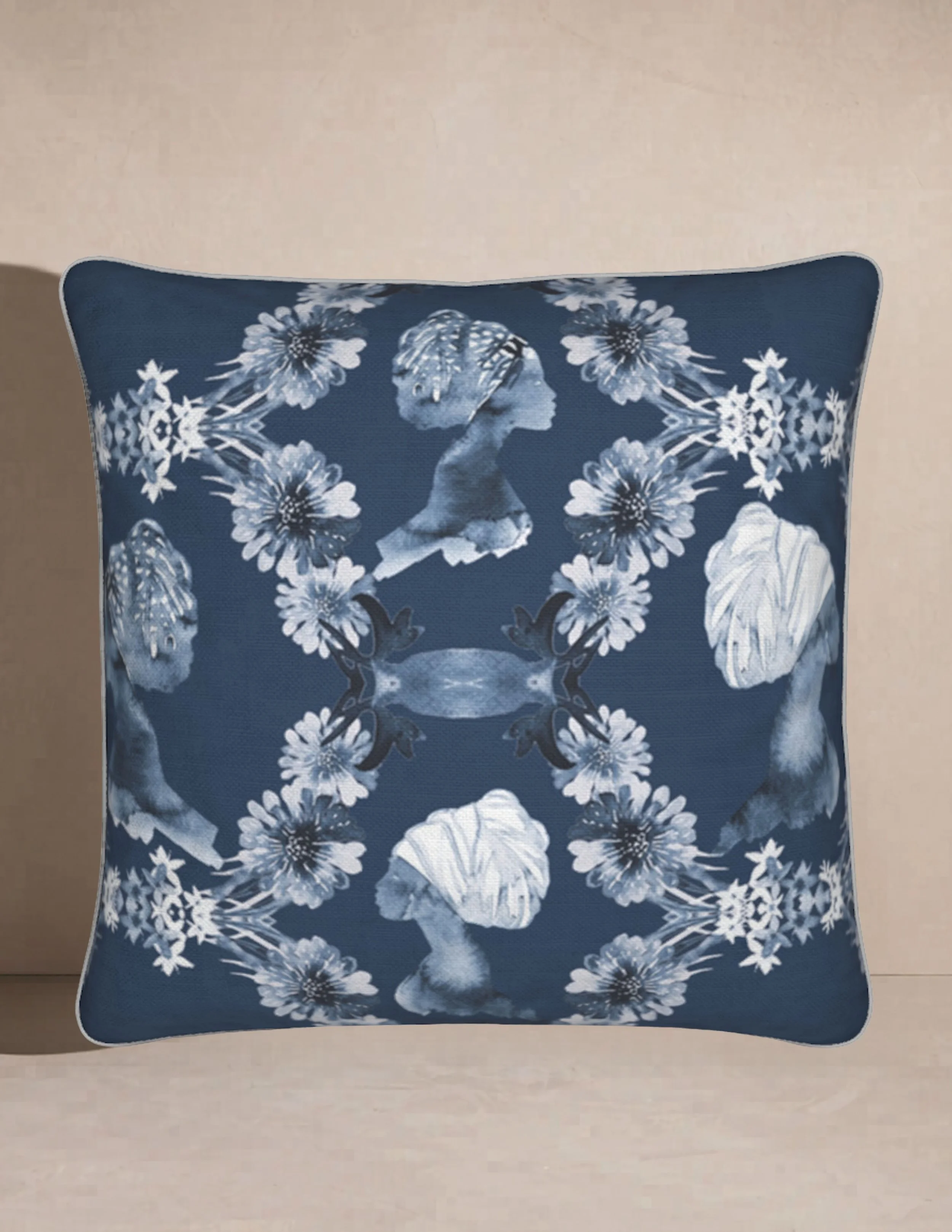
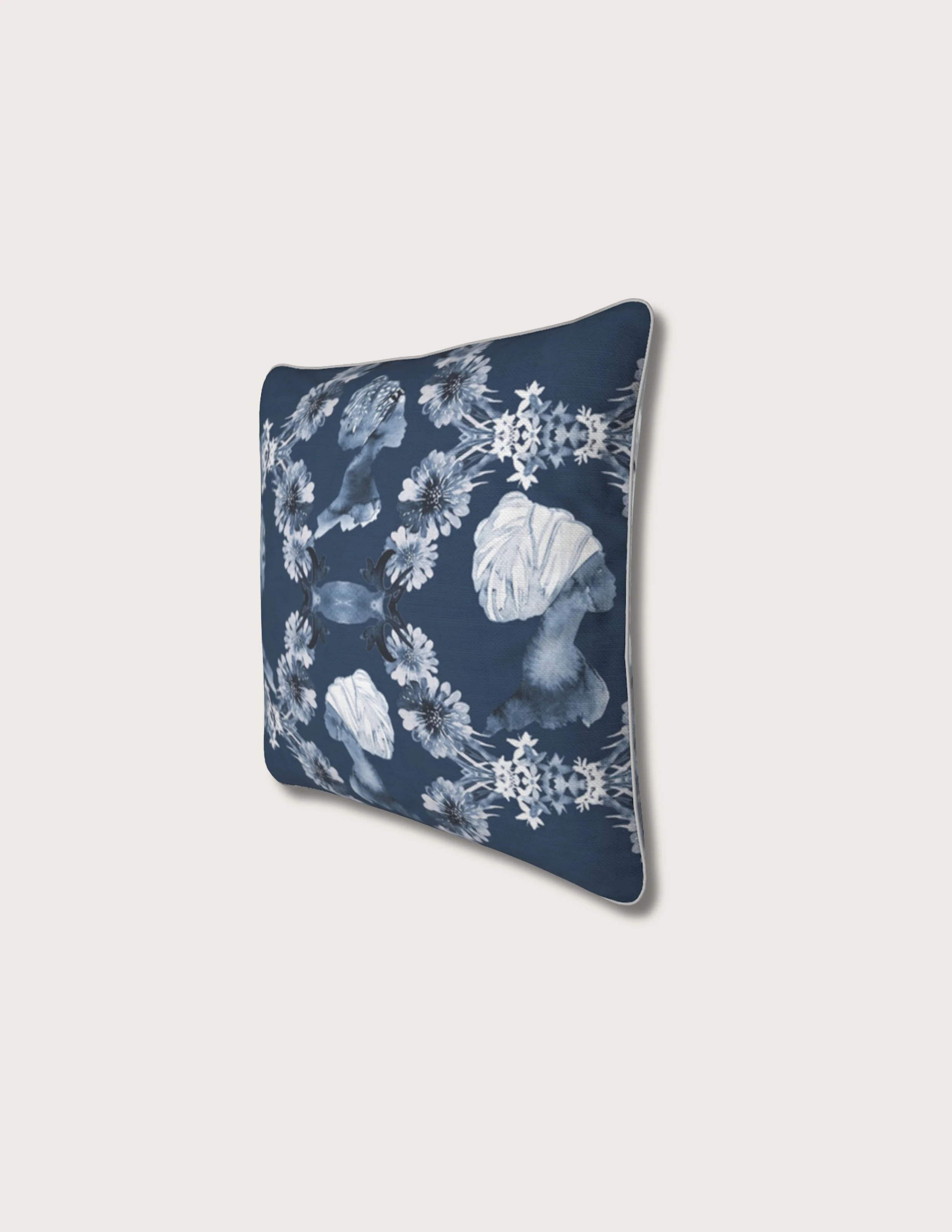
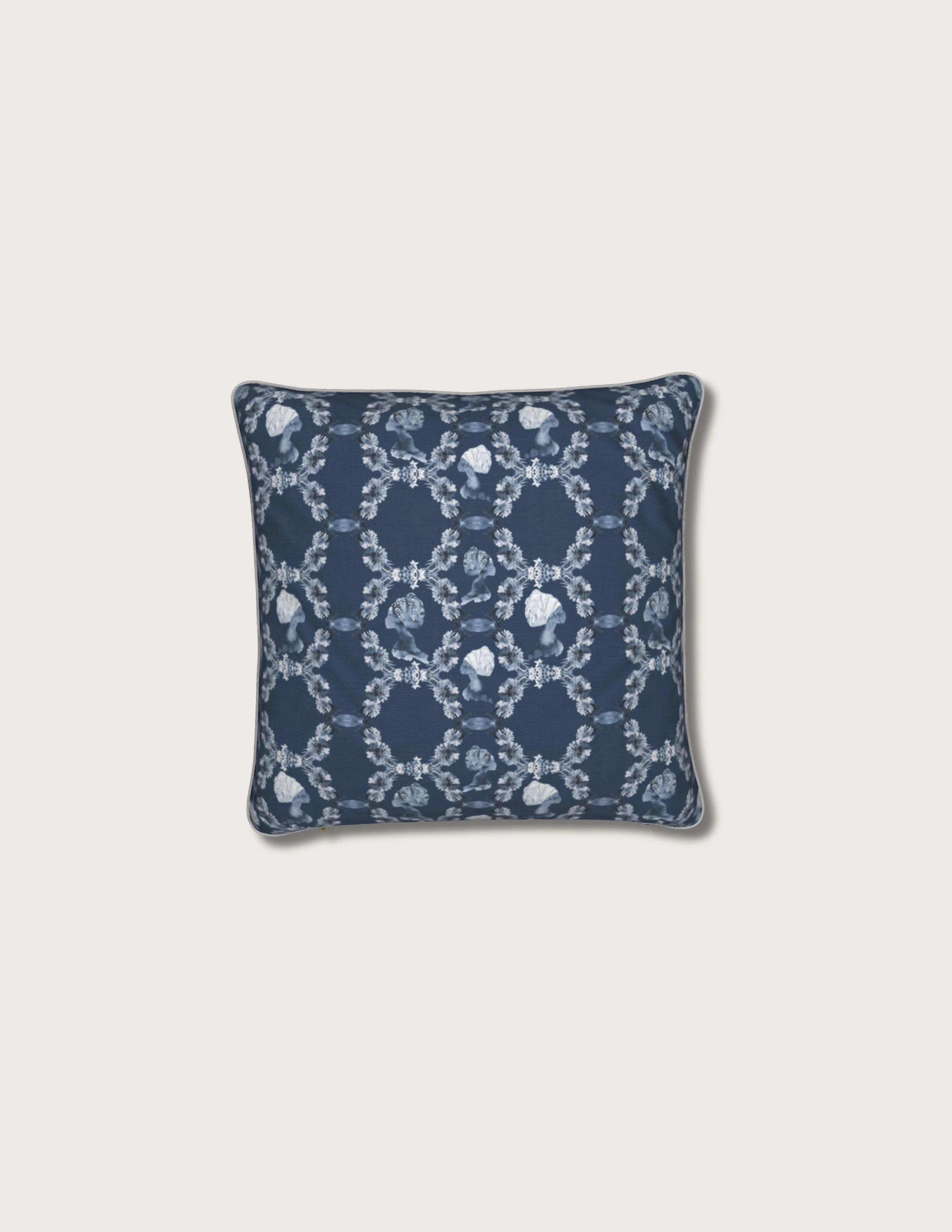
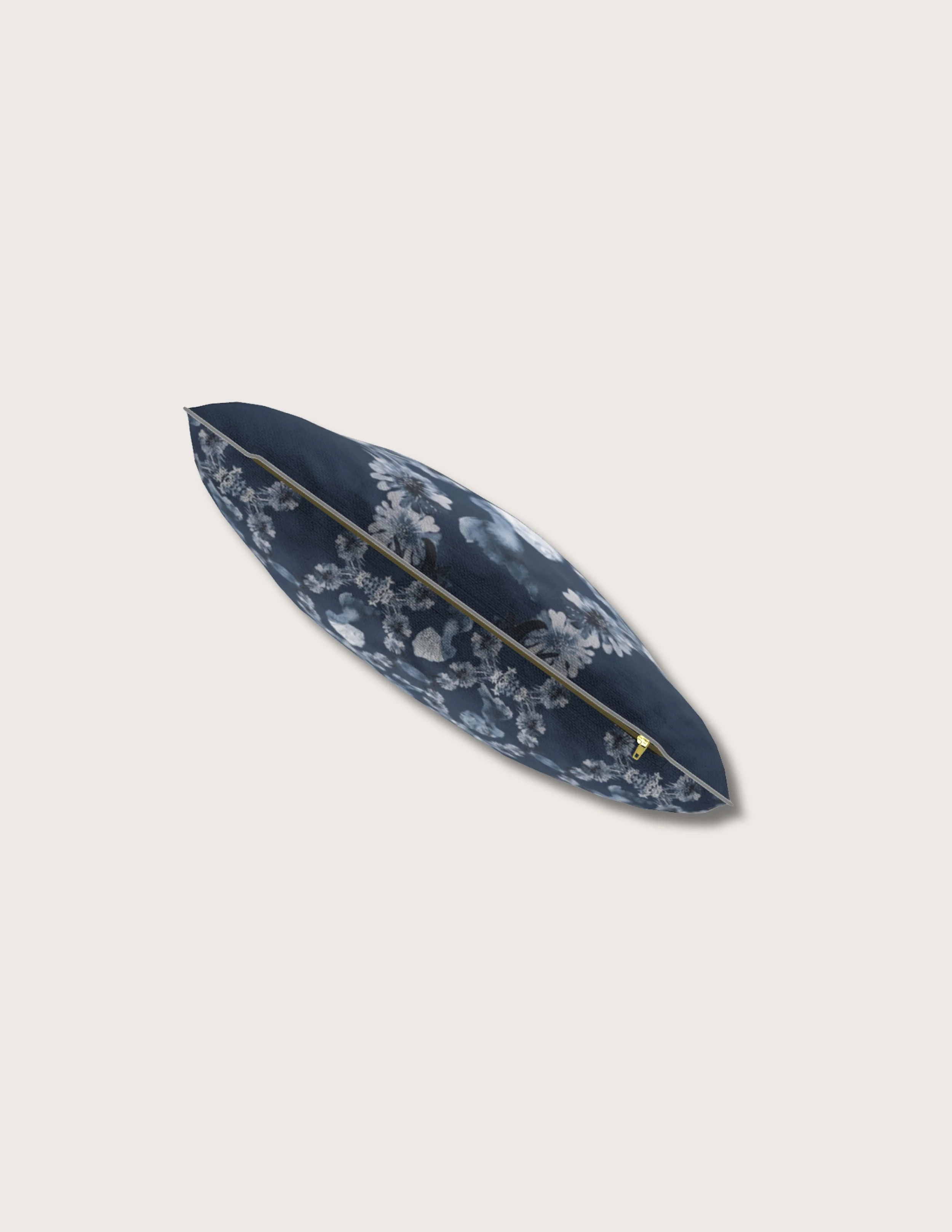
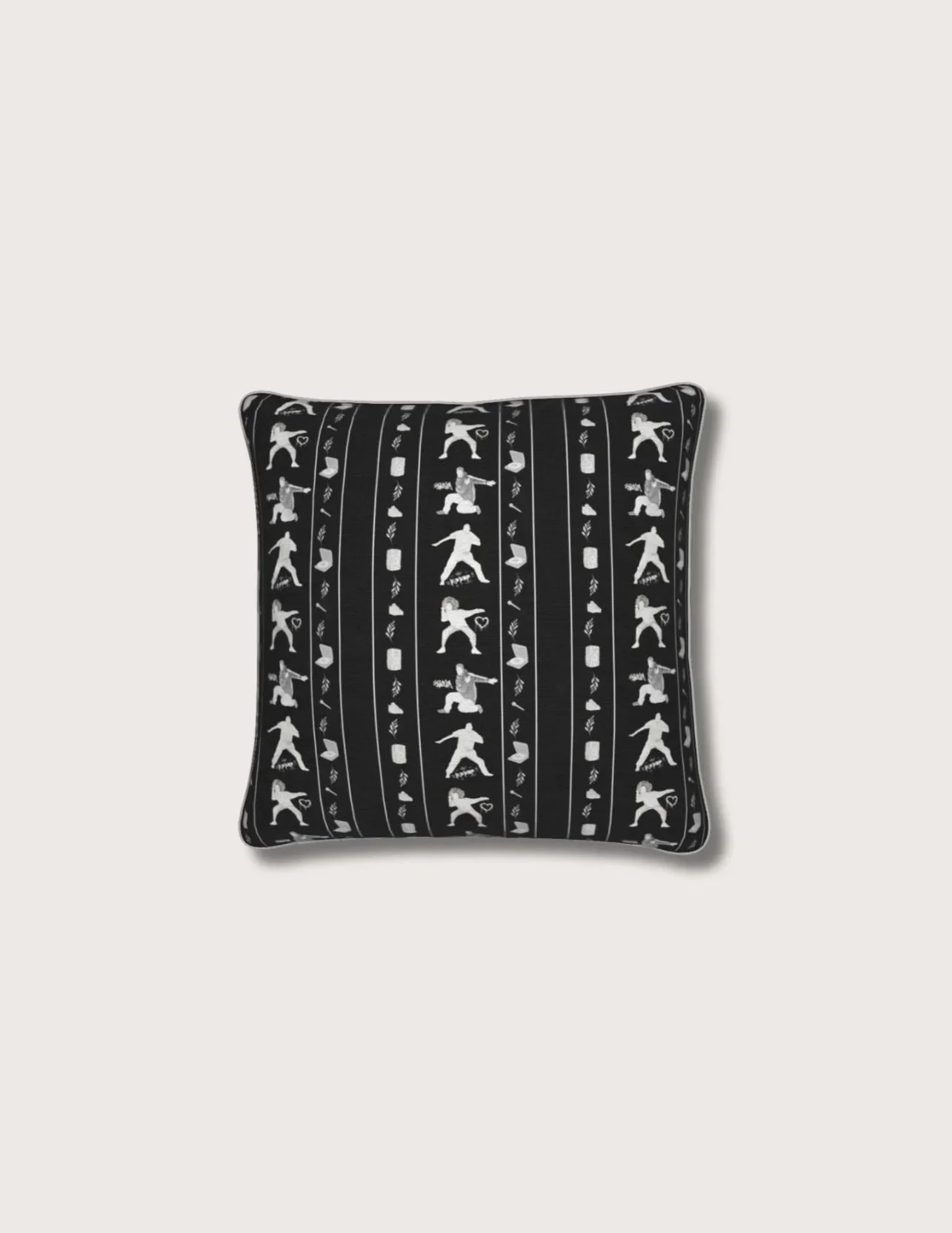
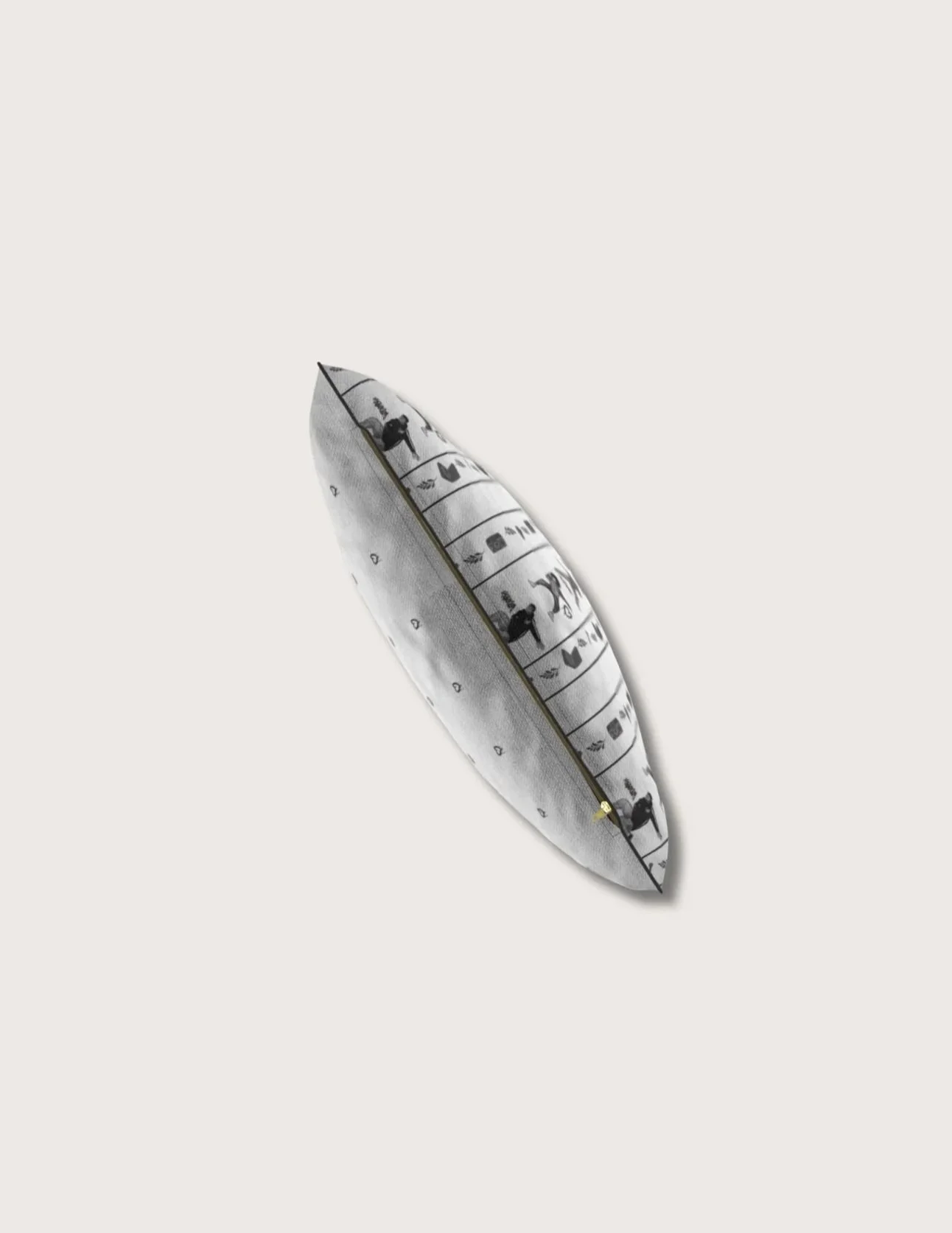
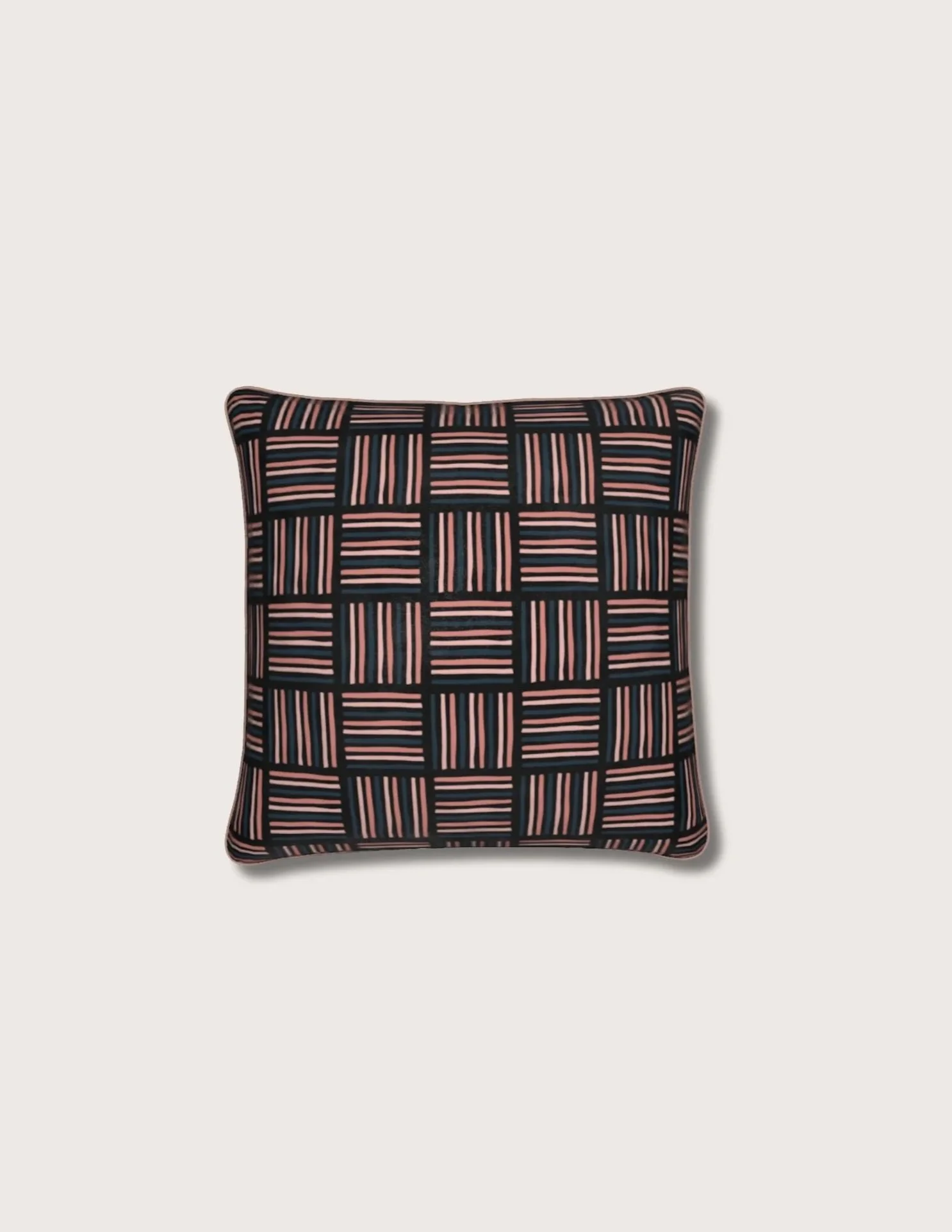
Bring culture home with the Kente Ebony Pillow. Sustainably woven and printed, featuring a luxe duck feather insert, it’s the perfect cushion to lay back on at the end of a long day. Finished with sophisticated touches like its colorful piping and a custom gold zipper, it’s a magazine-worthy addition to any room. When it’s not comforting your body, let the design refresh and renew your spirit — featuring a jubilant pattern inspired by the traditional Ghanaian Kente cloth patterns that became a staple of Black culture from the 1960s through the 1990s. With its vibrant colors and bold pattern, the Kente Ebony Pillow is the perfect note of joy and recognition to welcome you home at the end of any day. Available in cotton-linen, soft velvet, or in our outdoor eco weave fabric.

Editors' Note

A world famous example of African artistry in textiles, and an iconic symbol of Pan-African ideals and Diasporic identity, Ghanaian Kente cloth has a long history detailing a fascinating journey that extends thousands of years into the past. Weaving is believed to have begun in the region as far back as 1000 B.C. among the Akan and Ewe peoples. Many centuries later, the Asante (or Ashanti), members of the Akan ethnic group, were a prosperous kingdom, established under Osei Kofi Tutu I, ruler of the Kwaman State, who led a coalition of Asante kingdoms against the powerful Denkyira, another Akan state that was dominant in the region. According to legend, it was around this time that two brothers, Nana Ameyaw and Nana Koragu, both weavers from Bonwire, came across the web of Anansi, the trickster-god known to manifest as a giant spider. Taught by Anansi to mimic his web, the brothers created the first Kente cloth. Presented to the Asantehene — the supreme ruler of the Asante — it was accepted and reserved for the ritual garments of royalty. From then on, new patterns developed by master weavers had to be presented to the king before they could be released to anyone else. Traditionally, men wear Kente as a single, toga-like garment, while women wear the cloth in two pieces — a dress and a shawl. Originally, Kente cloth was produced all in white, and later in black and white. However, as the Asante kingdom grew in power and wealth, engaging in trade through the export of kola nuts and gold, colored threads, whether dyed domestically or imported, were incorporated into the designs. By 1900, Kente cloth had assumed the form by which it is most popularly known today. In the later years of the Pan-African movement, Kente cloth would achieve global fame, spurred on by combined efforts of Ghana's first president, Kwame Nkrumah, and American scholar, W. E. B. Du Bois. Nkrumah made Kente cloth a staple of his wardrobe for important occasions, including his release from prison in 1951. The pattern he wore that day, Mmeeda, meaning, "Something that has not happened before," was a bold prophecy of the independence that awaited the nation only six years later. Similarly, Du Bois famously wore kente cloth on his 95th birthday as he received an honorary doctorate from the University of Ghana, beginning the African American tradition of adding Kente cloth to graduation attire. Other notable visitors to Ghana in the 1960s, including Maya Angelou, Julian Bond, and Malcolm X, also made Kente cloth part of their attire, adding to its worldwide appeal which would continue into the late 1990s.

Details

Bring culture home with the Kente Ebony Pillow. Sustainably woven and printed, featuring a luxe duck feather insert, it’s the perfect cushion to lay back on at the end of a long day. Finished with sophisticated touches like its colorful piping and a custom gold zipper, it’s a magazine-worthy addition to any room. When it’s not comforting your body, let the design refresh and renew your spirit — featuring a jubilant pattern inspired by the traditional Ghanaian Kente cloth patterns that became a staple of Black culture from the 1960s through the 1990s. With its vibrant colors and bold pattern, the Kente Ebony Pillow is the perfect note of joy and recognition to welcome you home at the end of any day. Available in cotton-linen, soft velvet, or in our outdoor eco weave fabric.

Editors' Note

A world famous example of African artistry in textiles, and an iconic symbol of Pan-African ideals and Diasporic identity, Ghanaian Kente cloth has a long history detailing a fascinating journey that extends thousands of years into the past. Weaving is believed to have begun in the region as far back as 1000 B.C. among the Akan and Ewe peoples. Many centuries later, the Asante (or Ashanti), members of the Akan ethnic group, were a prosperous kingdom, established under Osei Kofi Tutu I, ruler of the Kwaman State, who led a coalition of Asante kingdoms against the powerful Denkyira, another Akan state that was dominant in the region. According to legend, it was around this time that two brothers, Nana Ameyaw and Nana Koragu, both weavers from Bonwire, came across the web of Anansi, the trickster-god known to manifest as a giant spider. Taught by Anansi to mimic his web, the brothers created the first Kente cloth. Presented to the Asantehene — the supreme ruler of the Asante — it was accepted and reserved for the ritual garments of royalty. From then on, new patterns developed by master weavers had to be presented to the king before they could be released to anyone else. Traditionally, men wear Kente as a single, toga-like garment, while women wear the cloth in two pieces — a dress and a shawl. Originally, Kente cloth was produced all in white, and later in black and white. However, as the Asante kingdom grew in power and wealth, engaging in trade through the export of kola nuts and gold, colored threads, whether dyed domestically or imported, were incorporated into the designs. By 1900, Kente cloth had assumed the form by which it is most popularly known today. In the later years of the Pan-African movement, Kente cloth would achieve global fame, spurred on by combined efforts of Ghana's first president, Kwame Nkrumah, and American scholar, W. E. B. Du Bois. Nkrumah made Kente cloth a staple of his wardrobe for important occasions, including his release from prison in 1951. The pattern he wore that day, Mmeeda, meaning, "Something that has not happened before," was a bold prophecy of the independence that awaited the nation only six years later. Similarly, Du Bois famously wore kente cloth on his 95th birthday as he received an honorary doctorate from the University of Ghana, beginning the African American tradition of adding Kente cloth to graduation attire. Other notable visitors to Ghana in the 1960s, including Maya Angelou, Julian Bond, and Malcolm X, also made Kente cloth part of their attire, adding to its worldwide appeal which would continue into the late 1990s.


Additional Details

20” x 20” Pillow

Pink satin piping

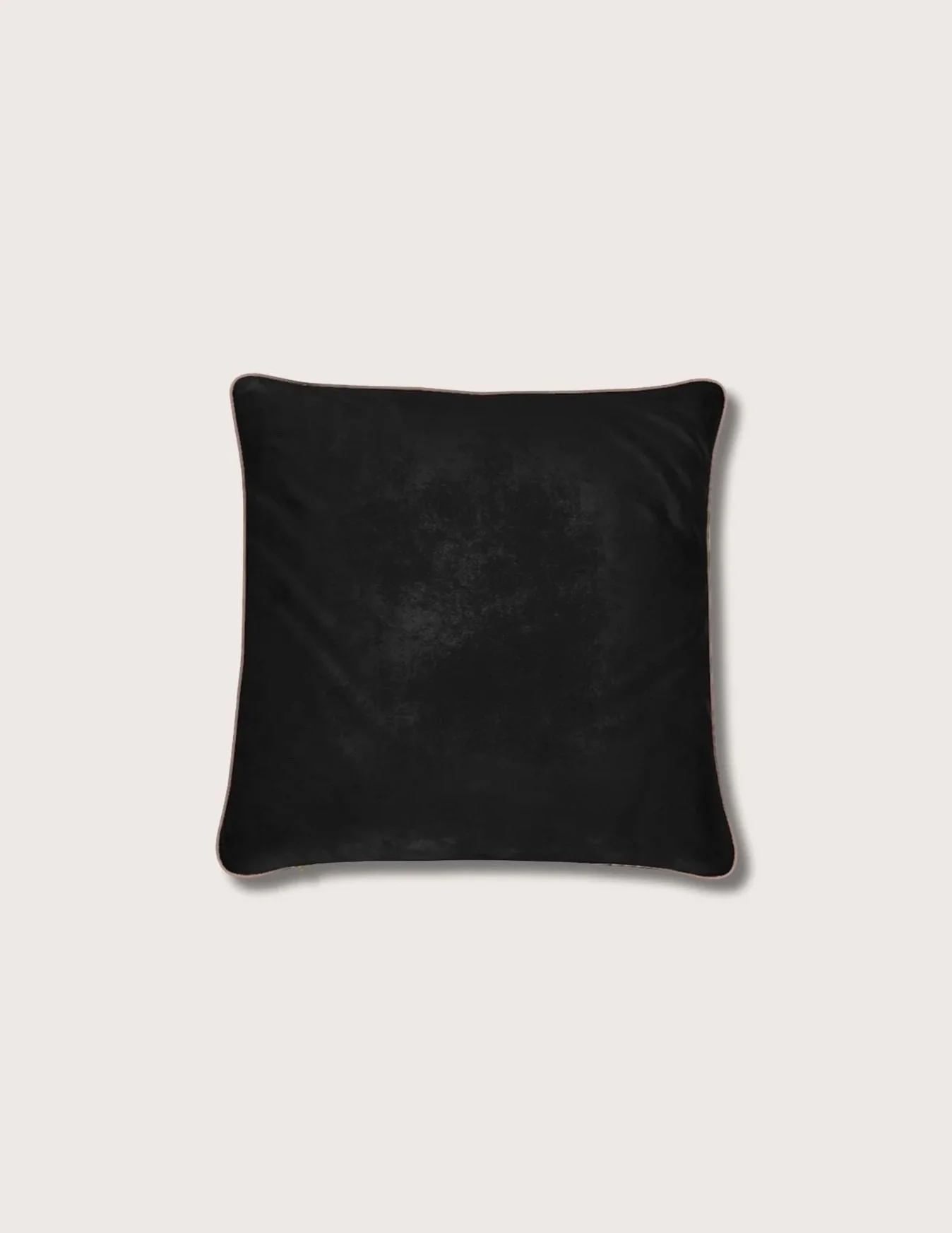
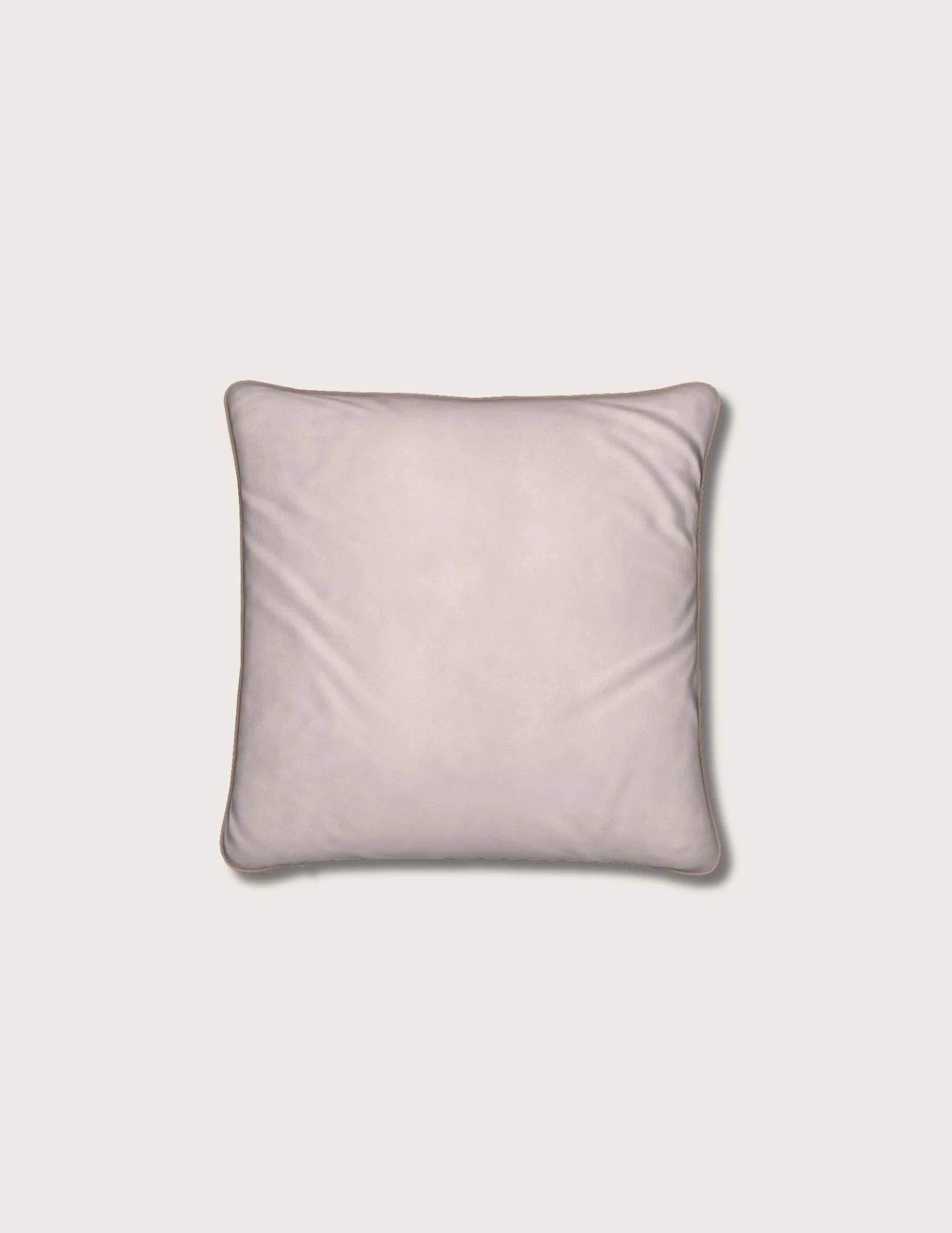
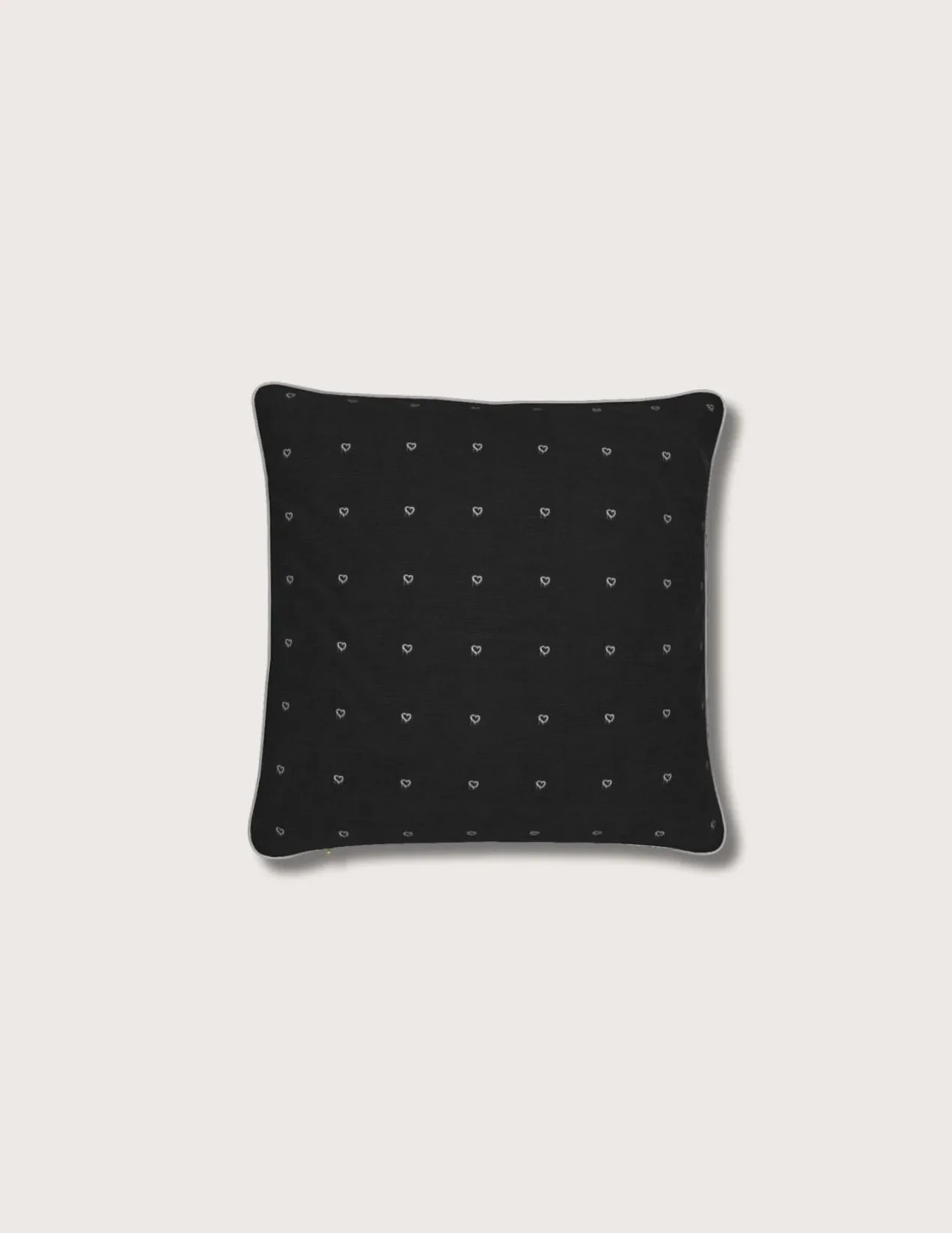
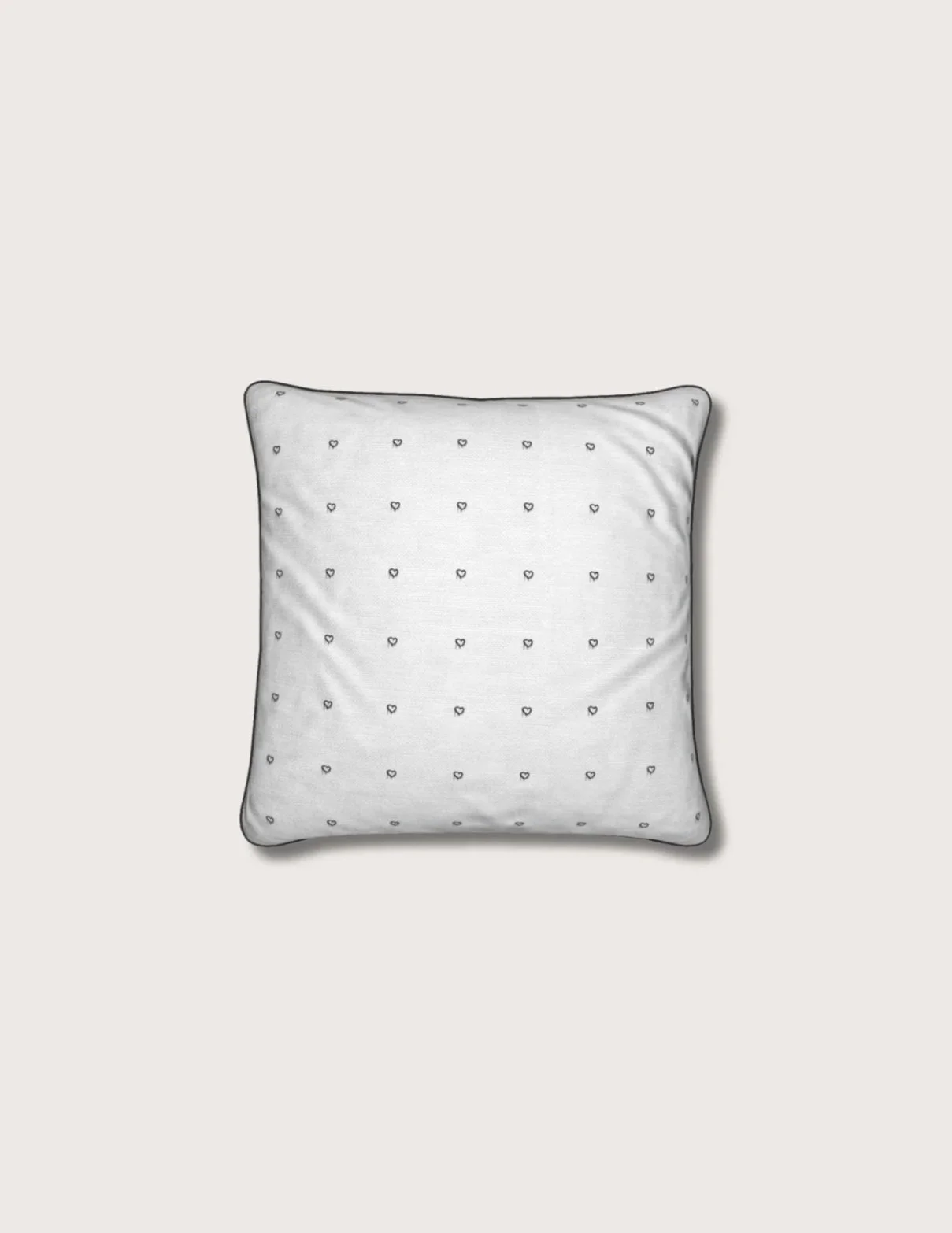
Ebony back

Down feather insert

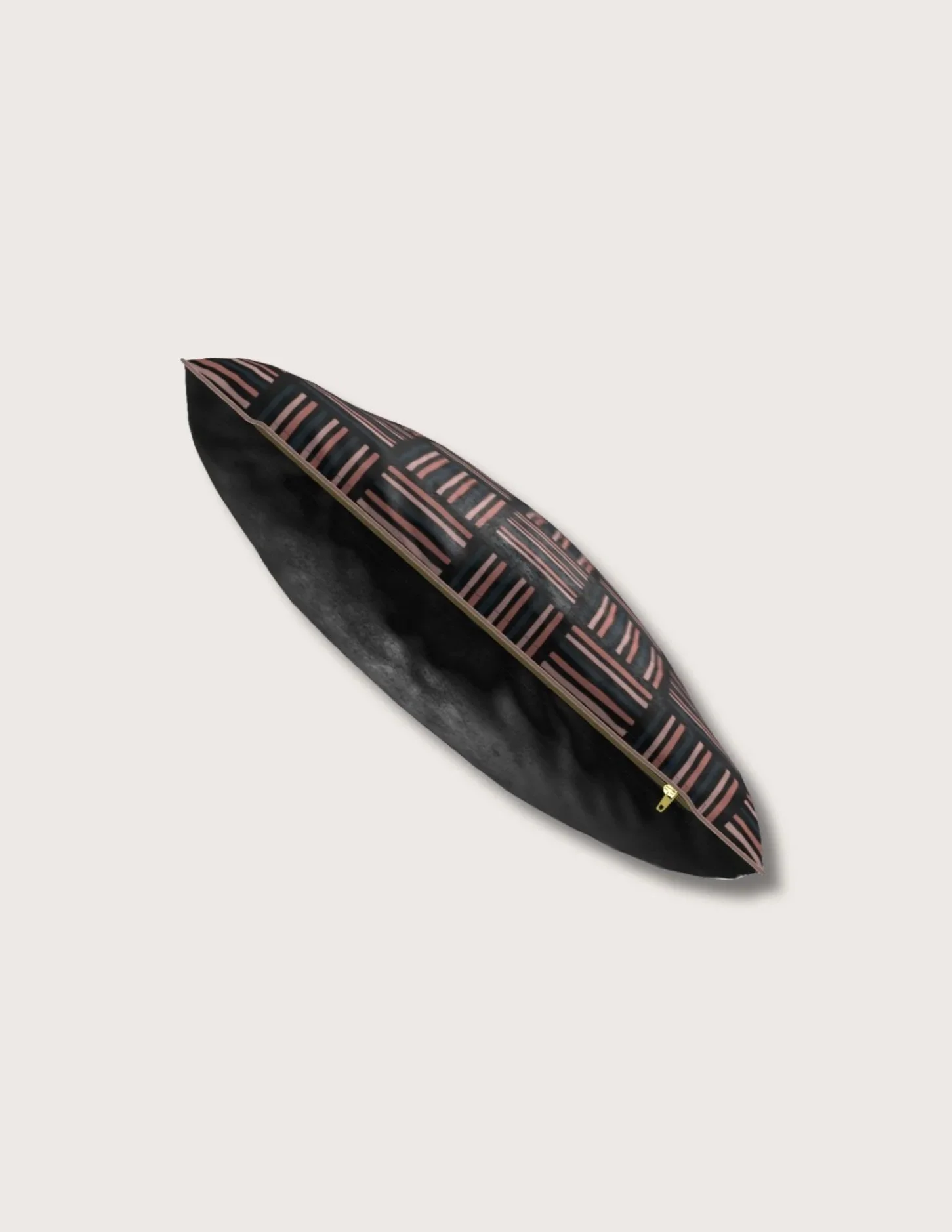
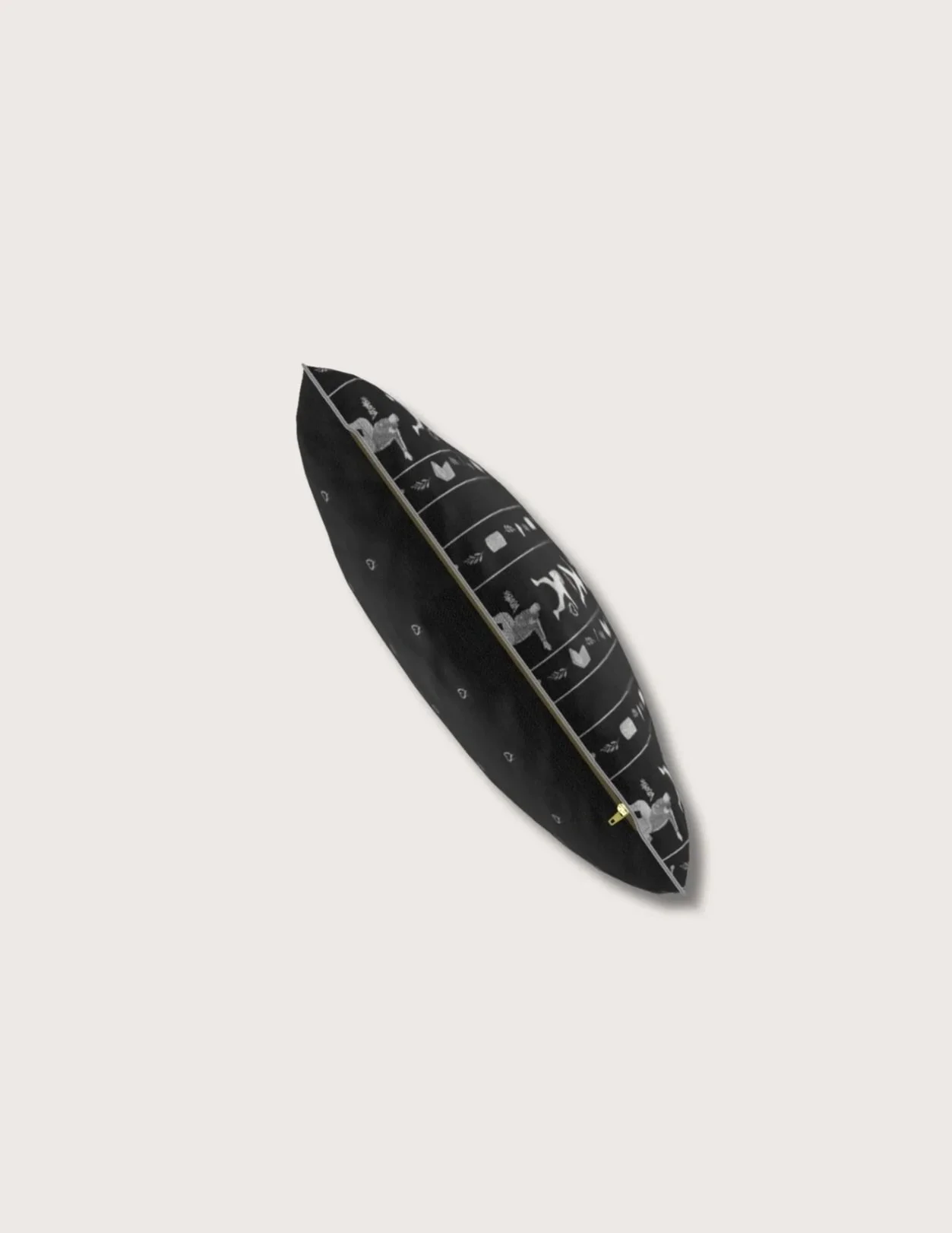
Gold zipper

Available in velvet (shown), cotton-linen or outdoor eco weave

Cotton-Linen:

95% cotton 5% linen

Weight: 6.72 oz

BCI organic FABRIC

Oeko-Tex Standard 100 Ink

GOTS ECOCERT Certified Ink

Velvet Fabric:

100% polyester

Weight: 8.26 oz

Oeko-Tex Standard 100 Ink

BS EN ISO 13934. 600N+

BS EN ISO 6330 @ 30°C

BS EN ISO 13936

Outdoor Eco Weave Fabric:

Water resistant outdoor fabric

100% recycled polyester

Weight: 7.67 oz

Oeko Tex Standard 100 fabric

Global Recycled Standard (GRS)

Do not place in direct sunlight to avoid fading

Certifications

Martindale > 20,000 revs:  Suitable for use in medium wear applications

Rub Fast 80k: Suitable for use in high wear / Severe Contract applications

Resistance to Piling: Grade 3/4 for appropriate for use in high wear domestic environments

Tear Strength ≥30N+: good fabric to use in domestic or public areas

Tensile Strength 600N+: good for use in domestic or public areas

Fire Safety: This fabric complies with the flammability performance requirements of The Nightwear (Safety) Regulations 1985. (Statutory Instrument 1985 No 2043)

Care Instructions: Wash at 86°F, low tumble dry heat, hang to dry, do not wring, low heat iron

Sustainably printed and woven in the UK

Made to order

Ships from 4 weeks worldwide
Contact us for custom options

Shipping and returns policy