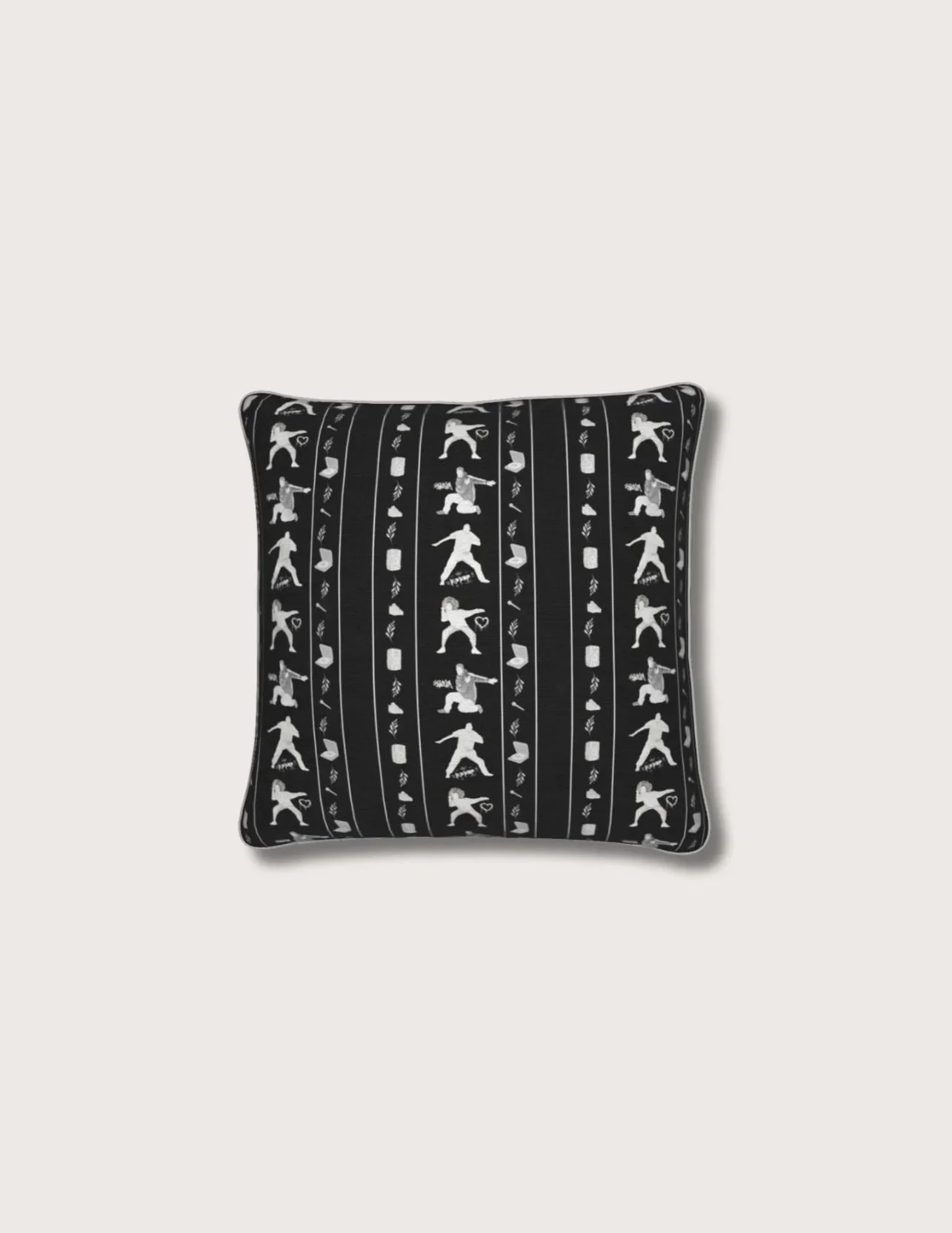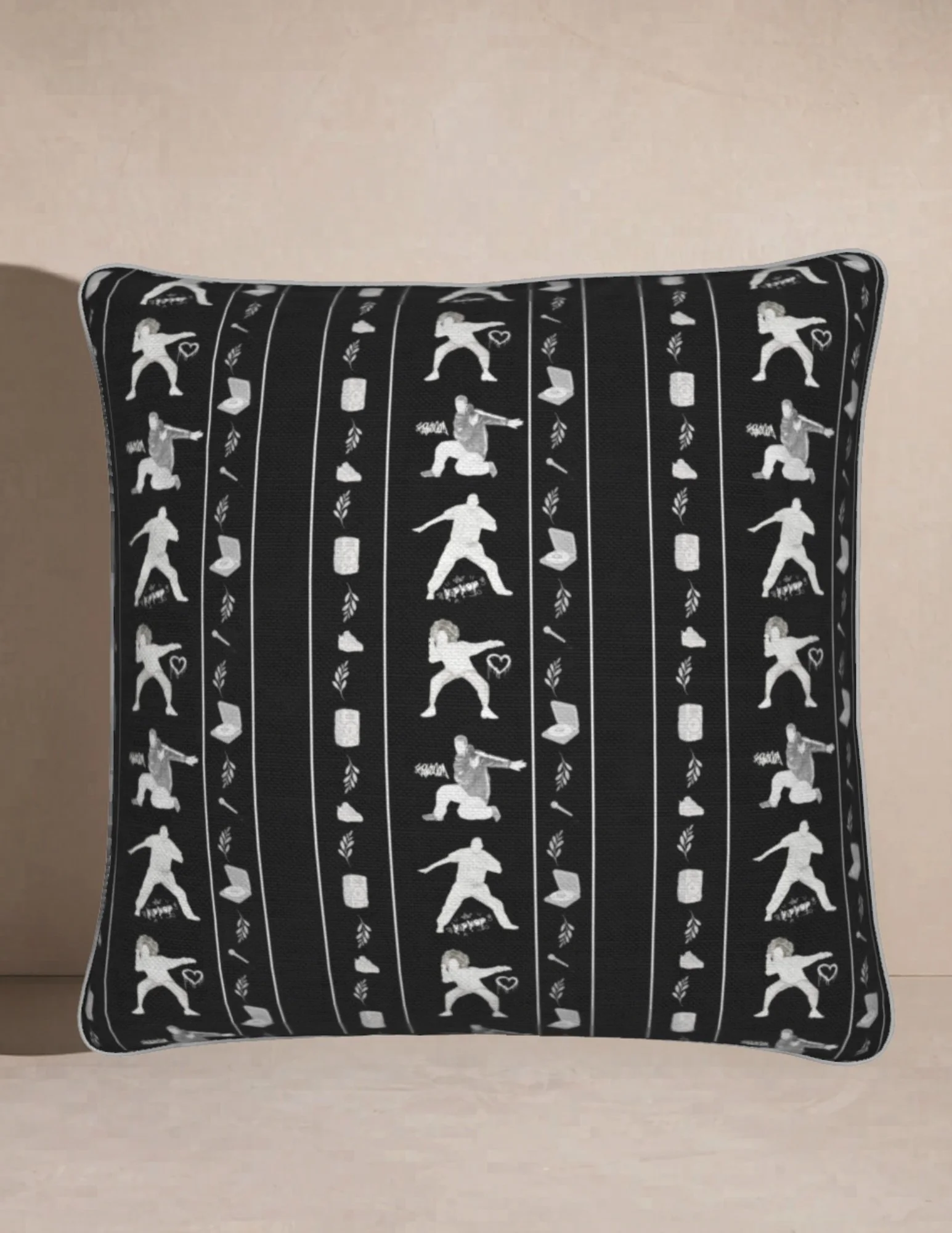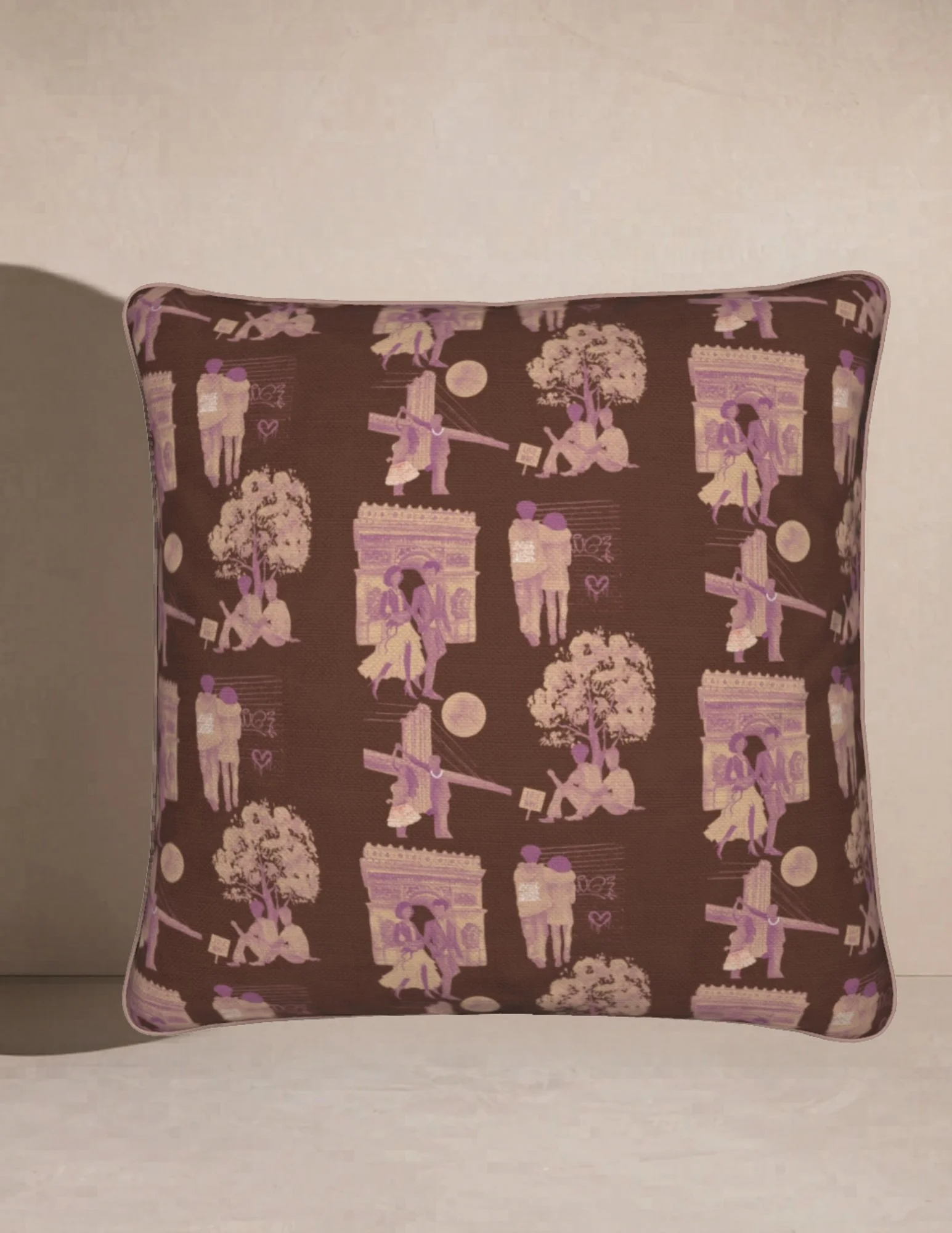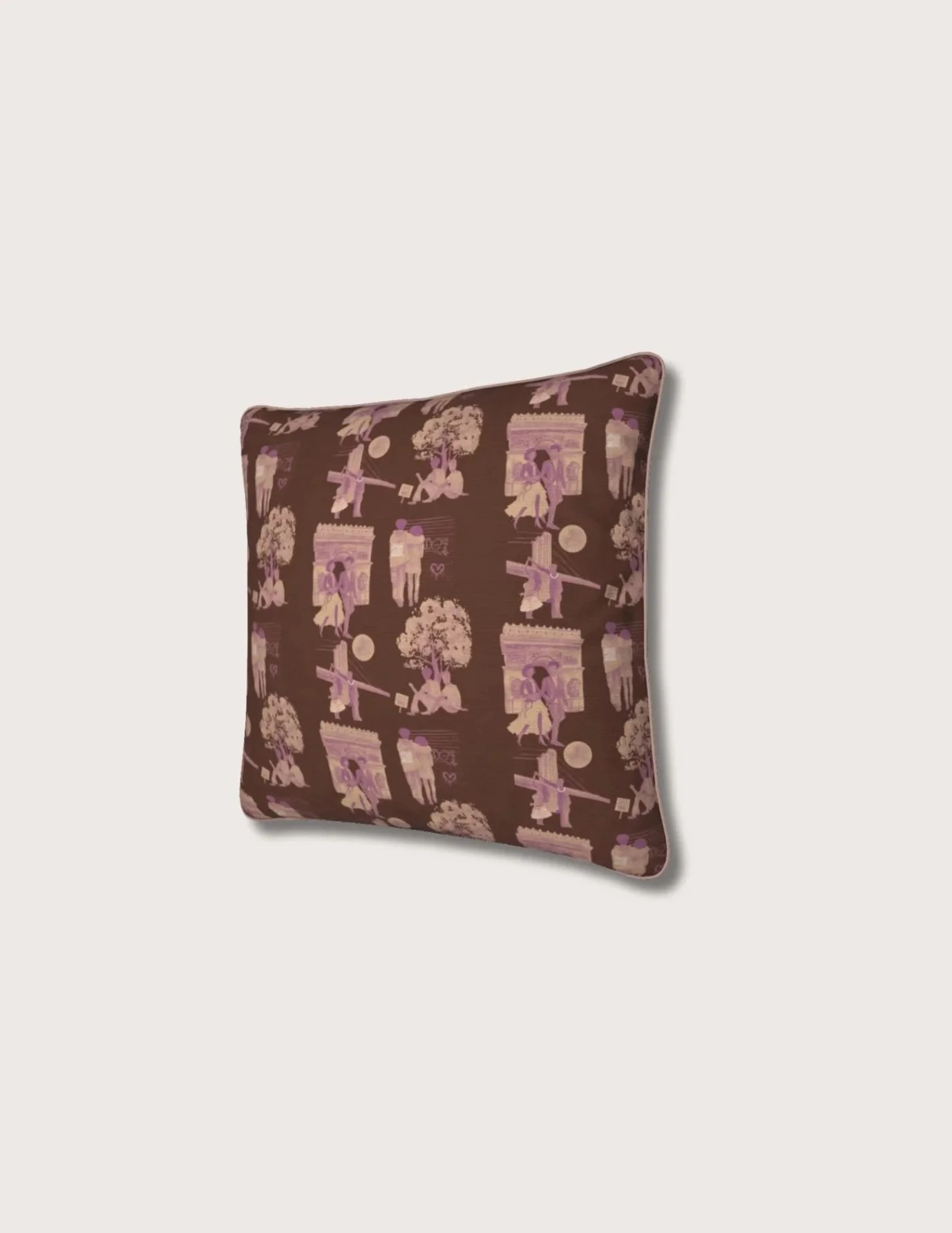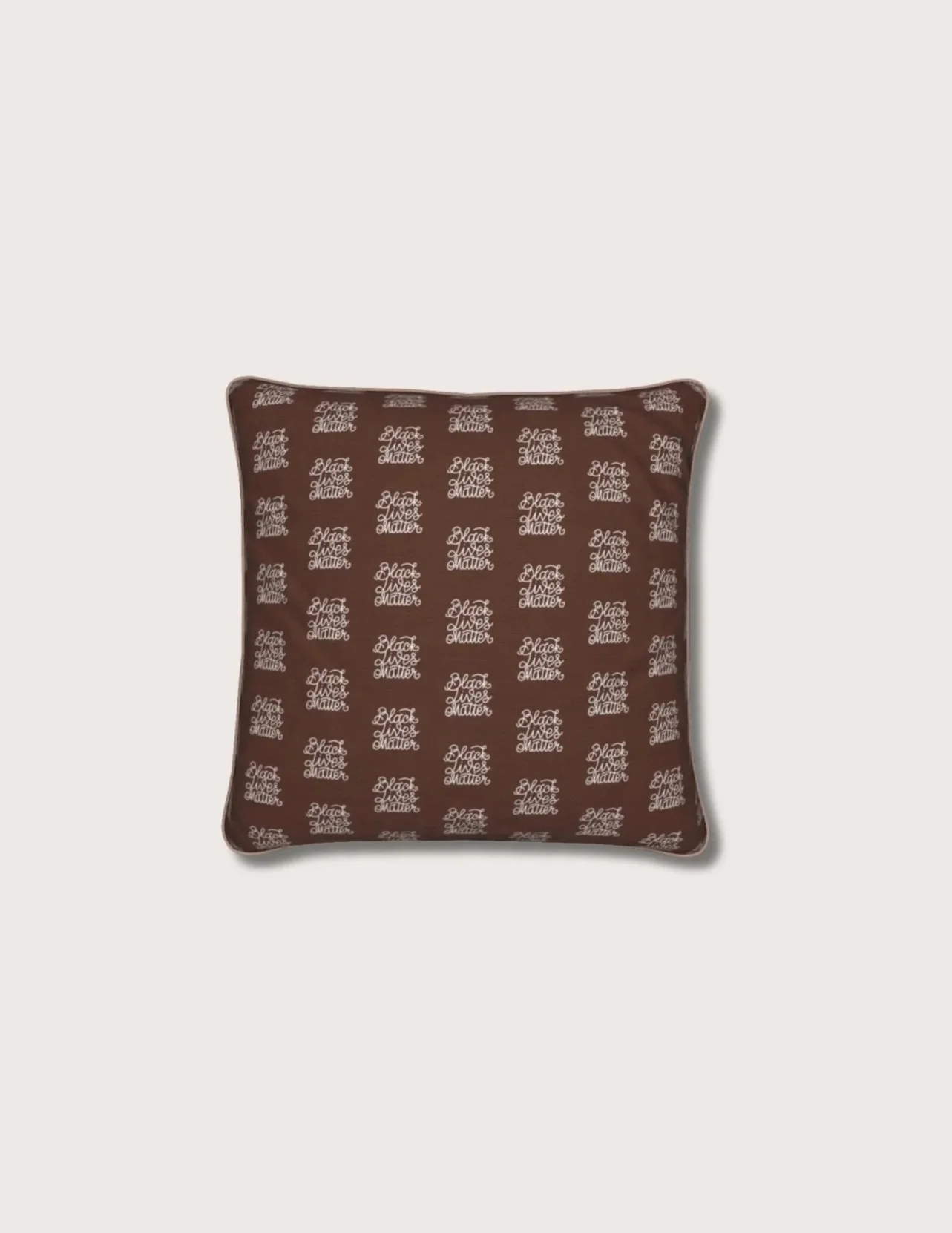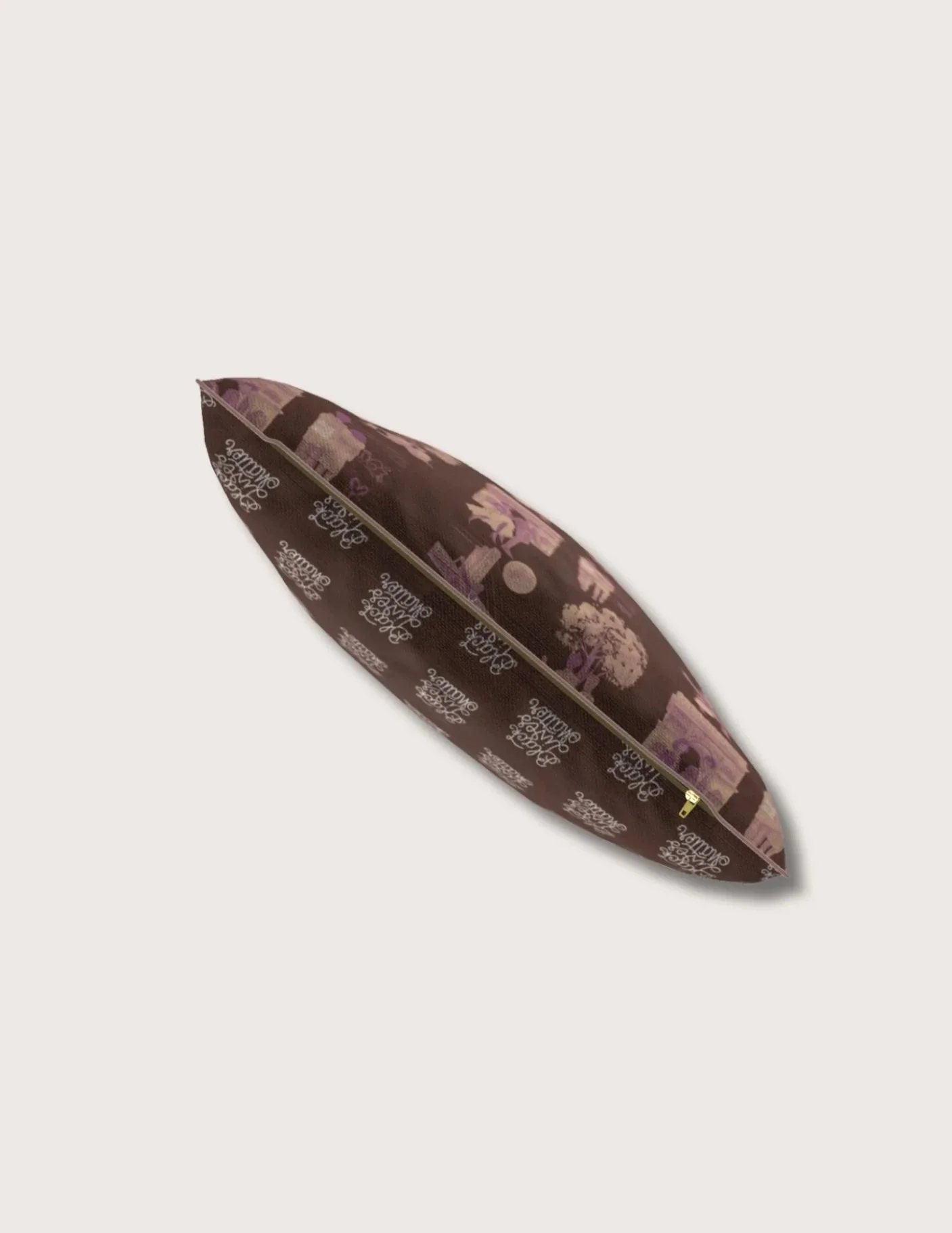
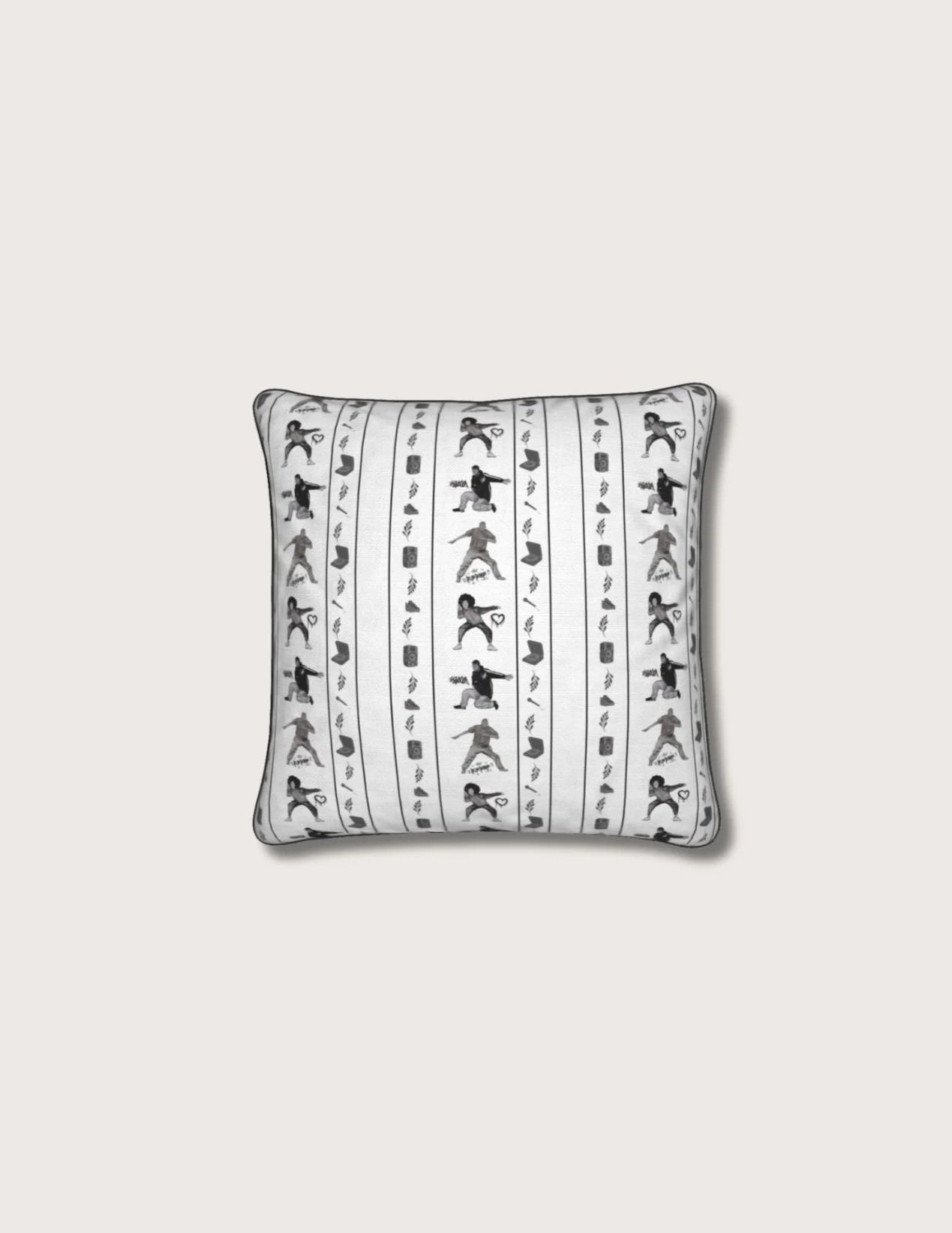
Glyph Ivory Pillow

from $308.00
Material:

Details

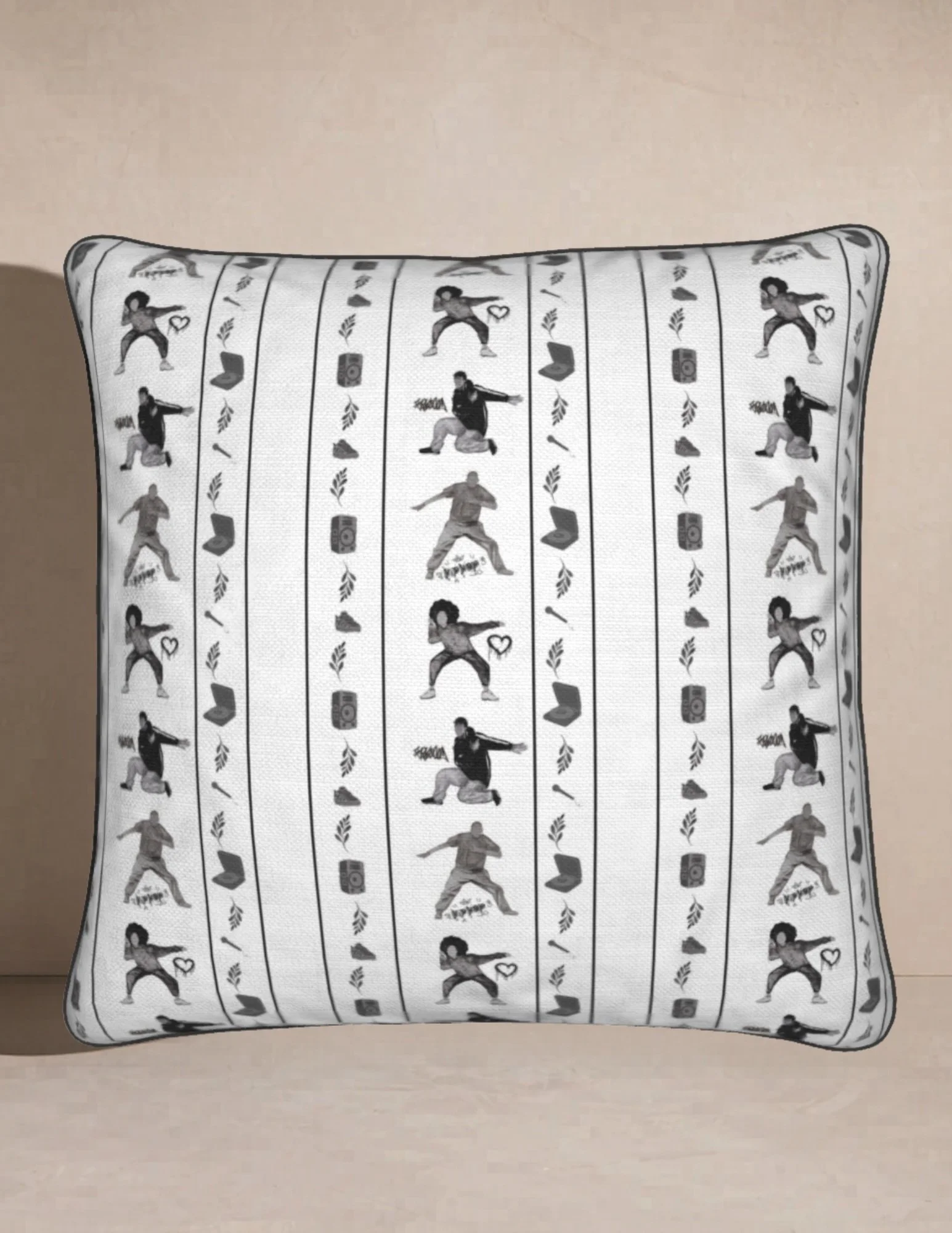
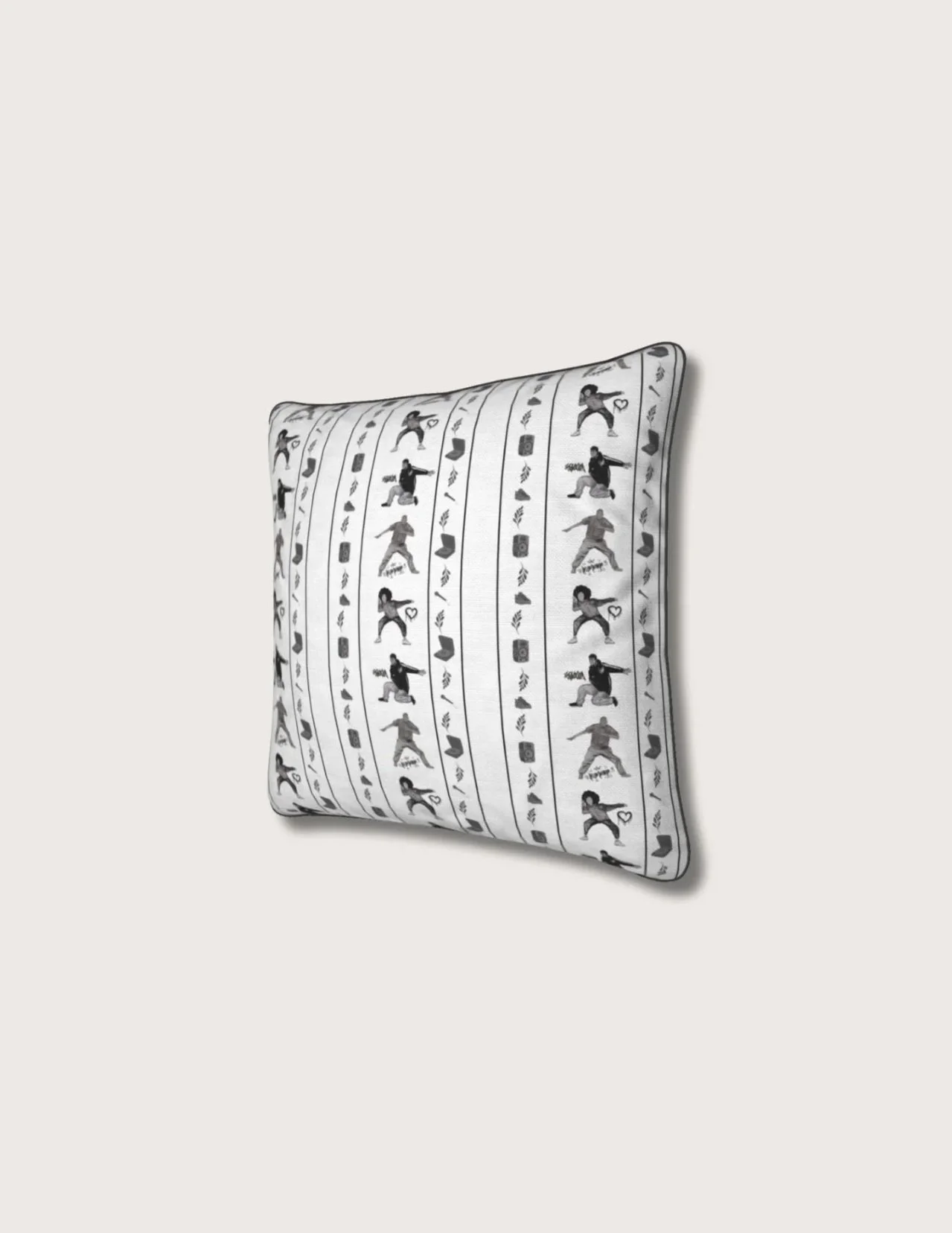
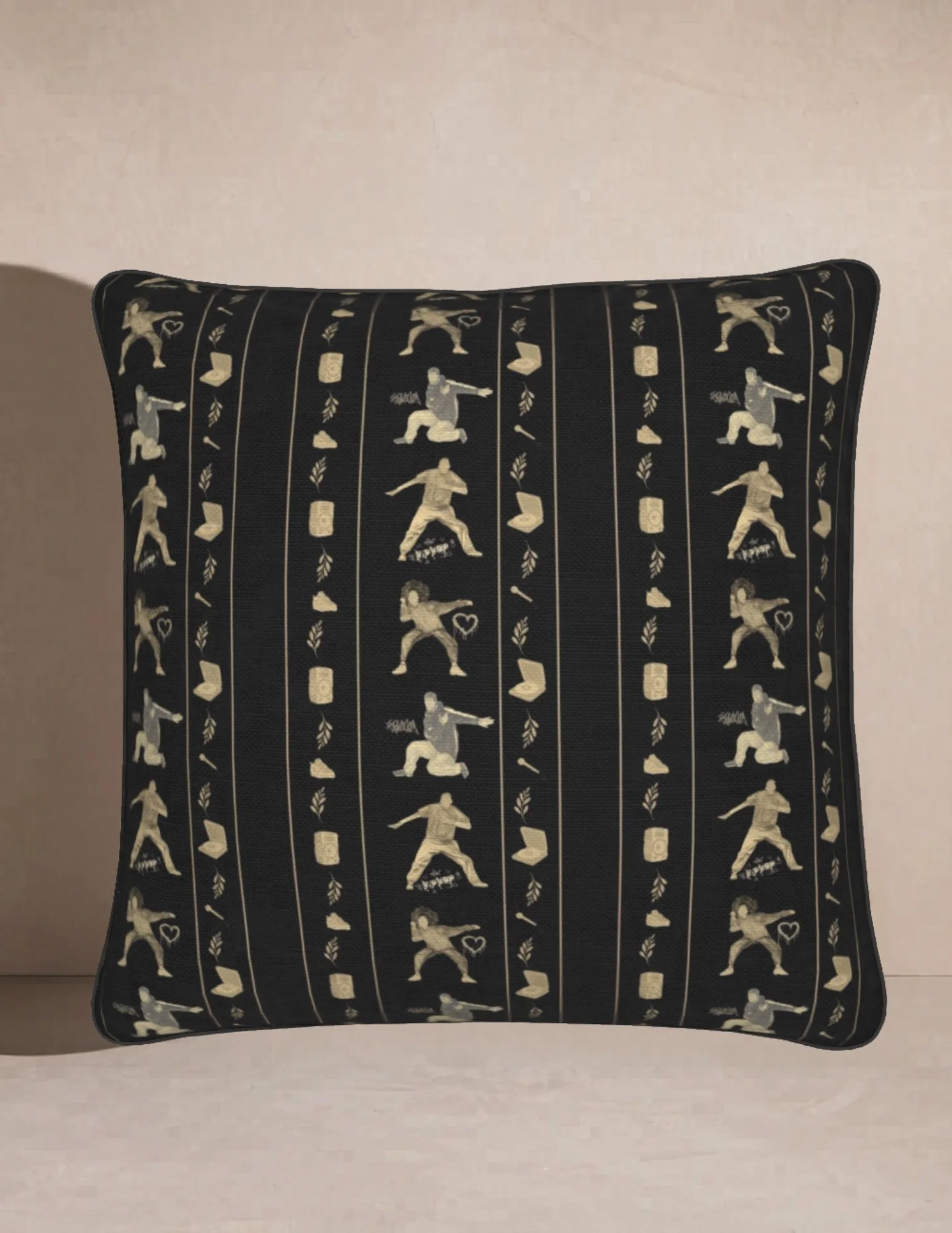
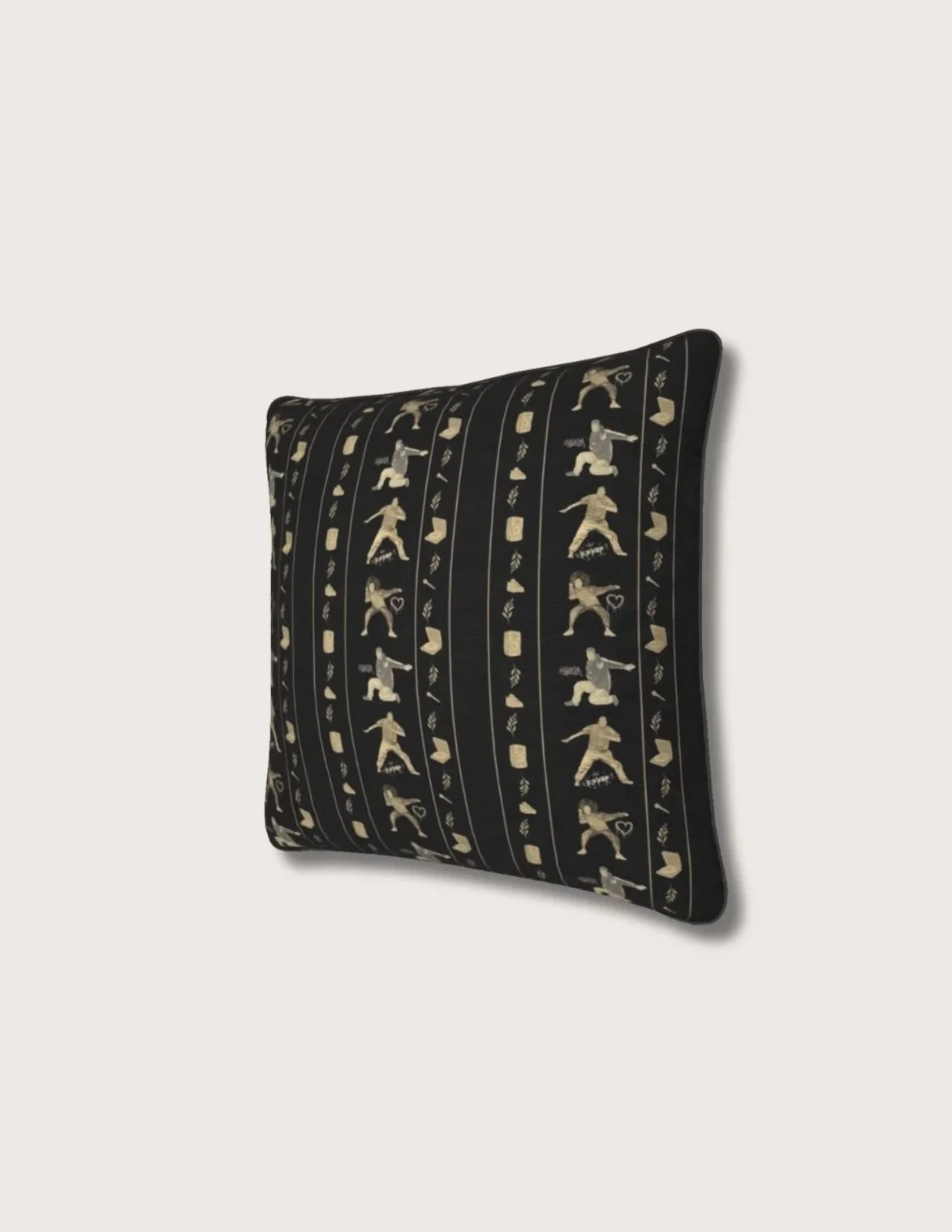
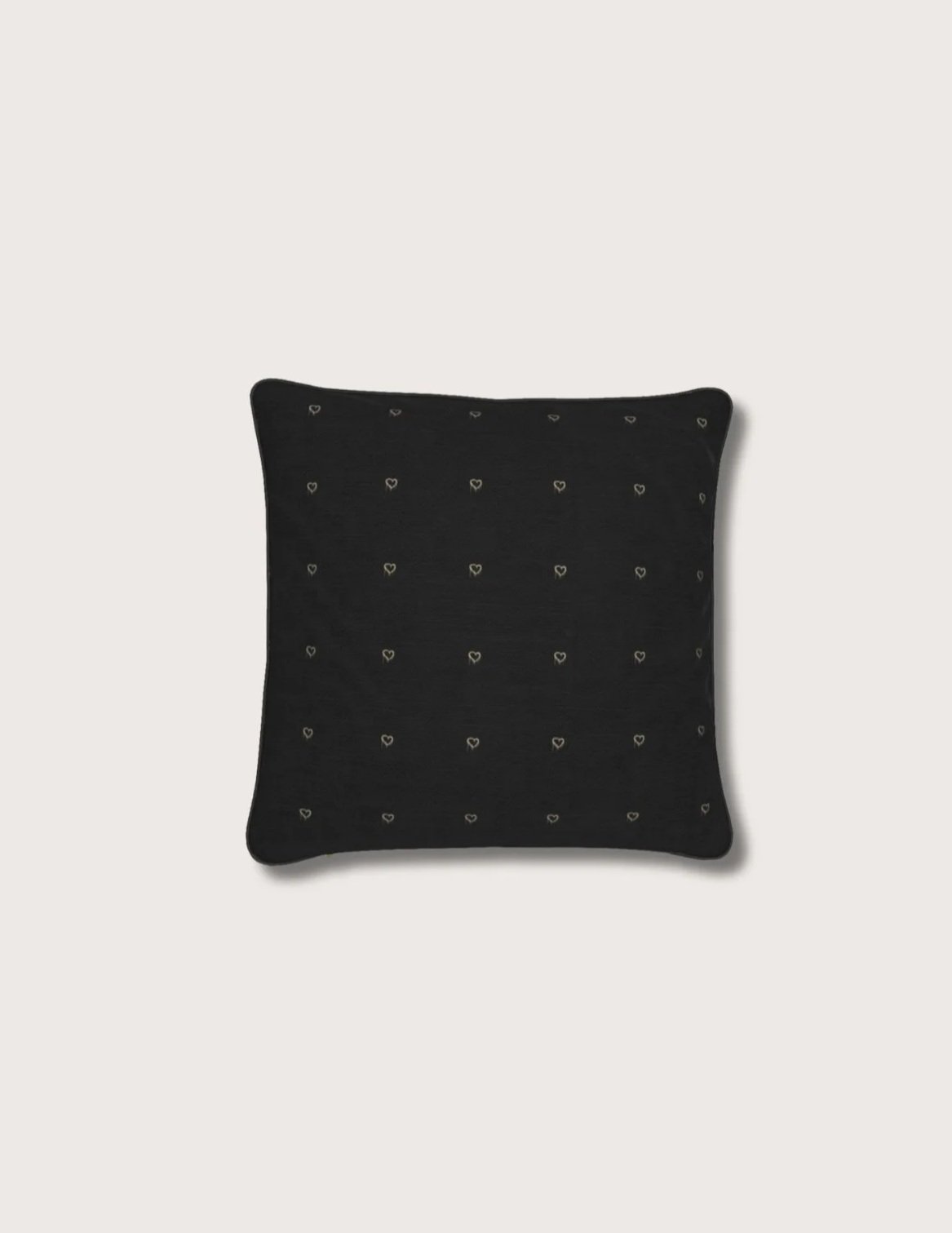
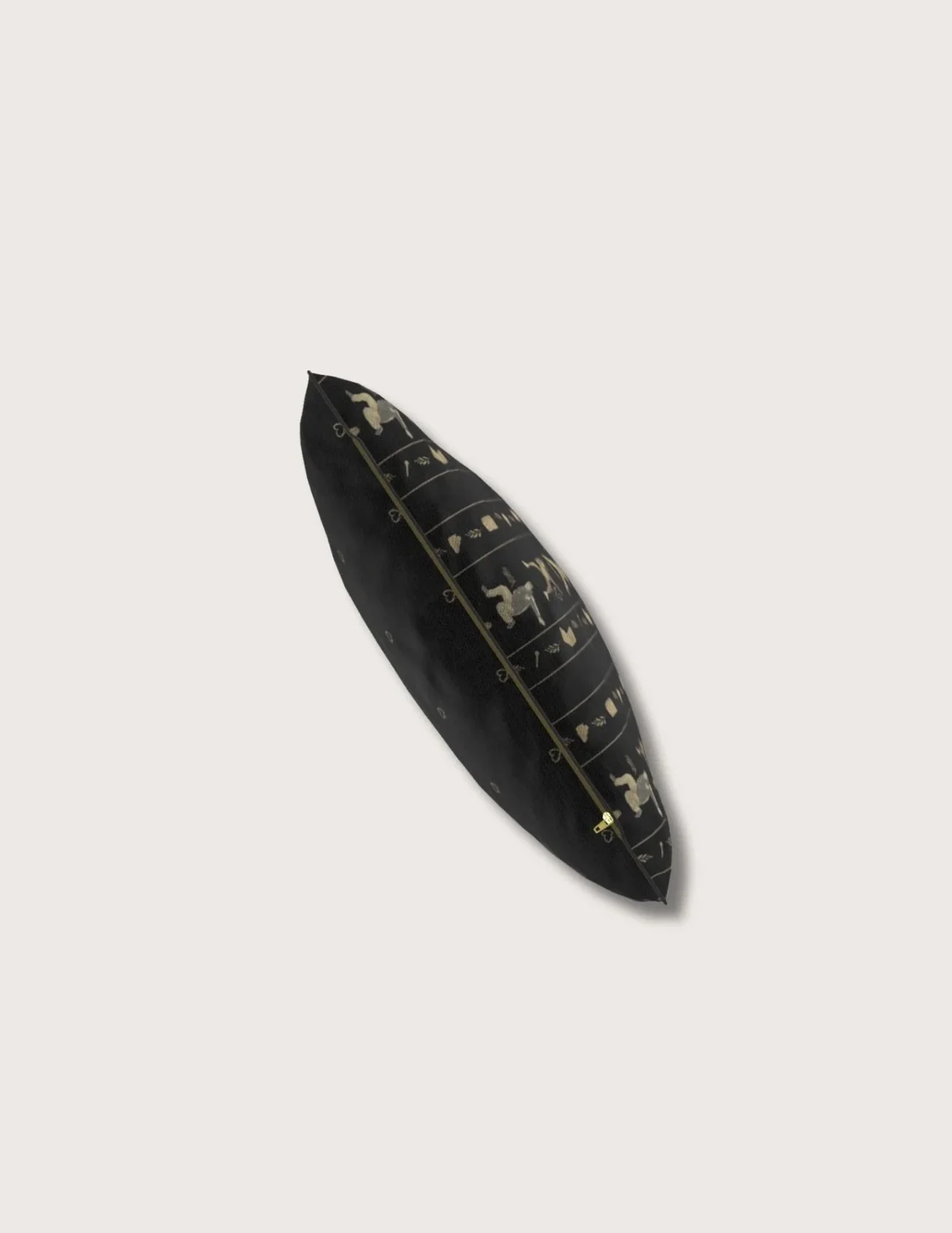
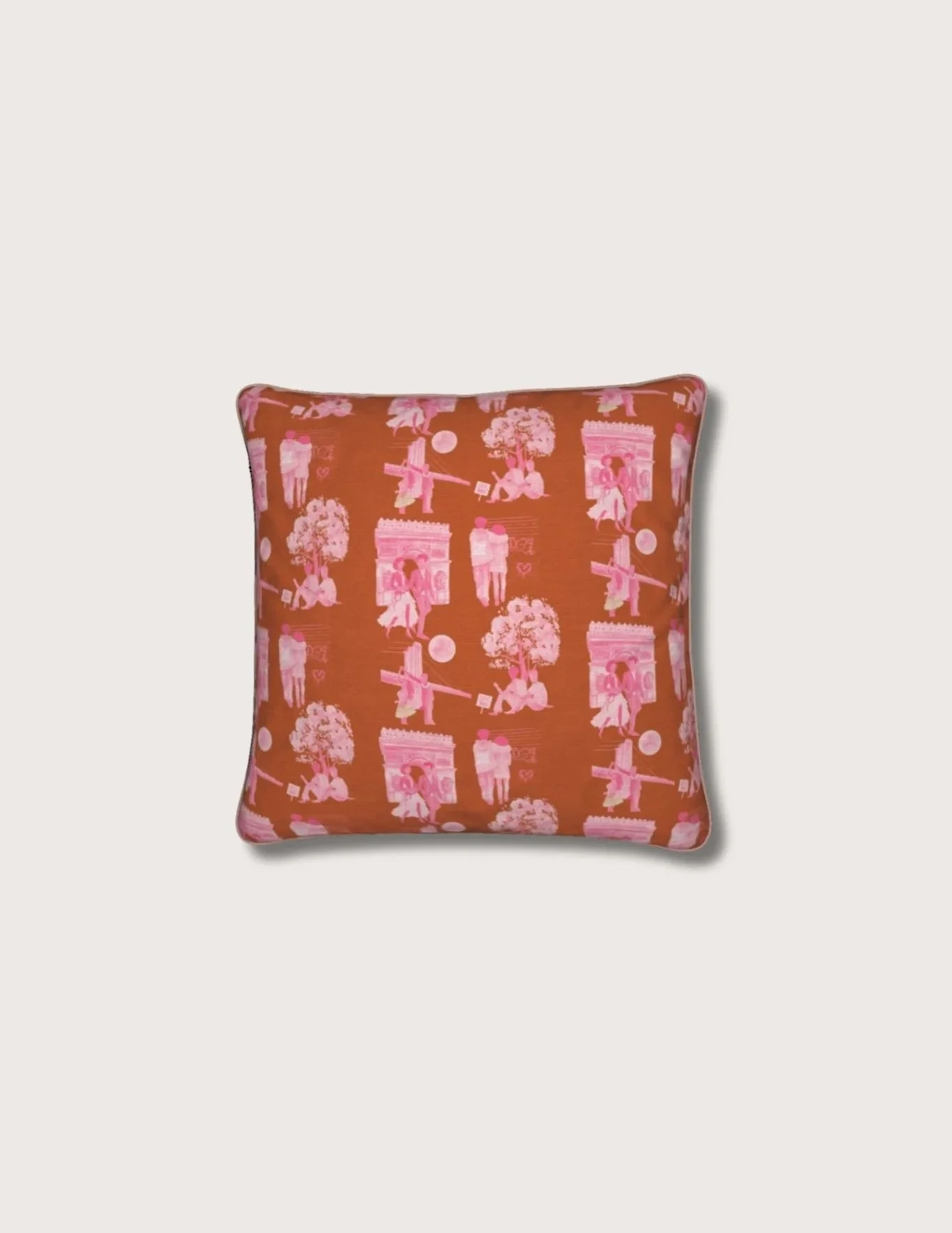
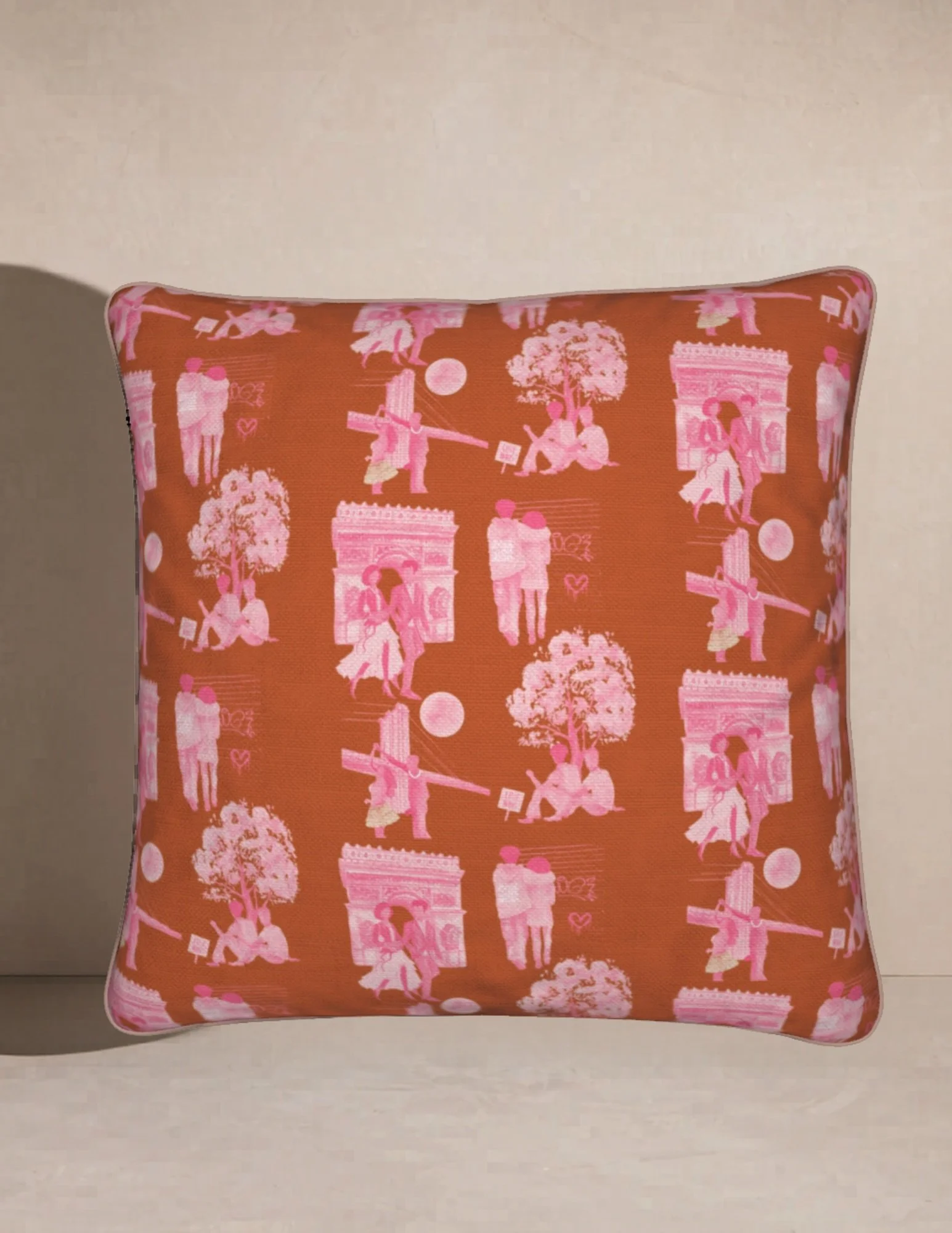
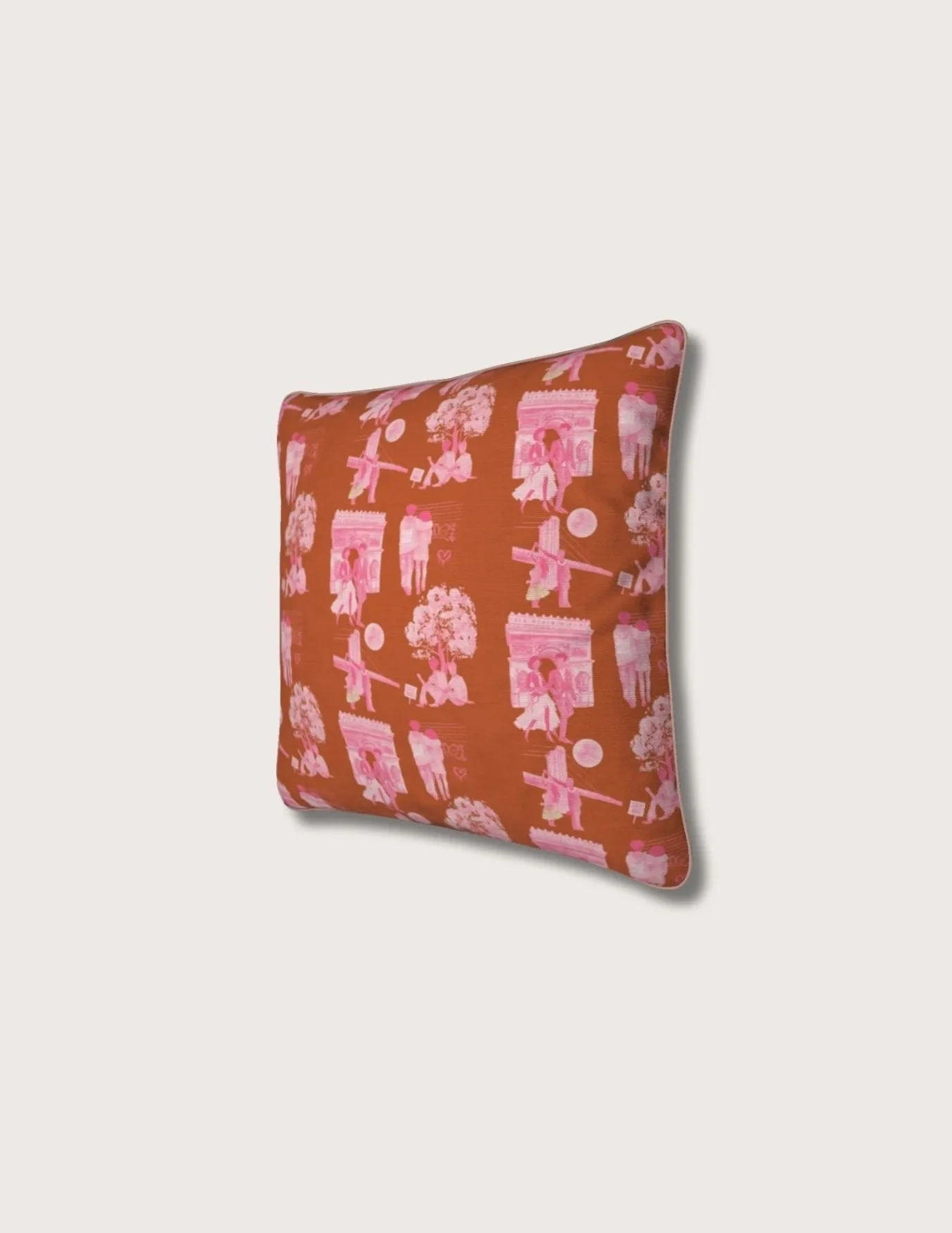
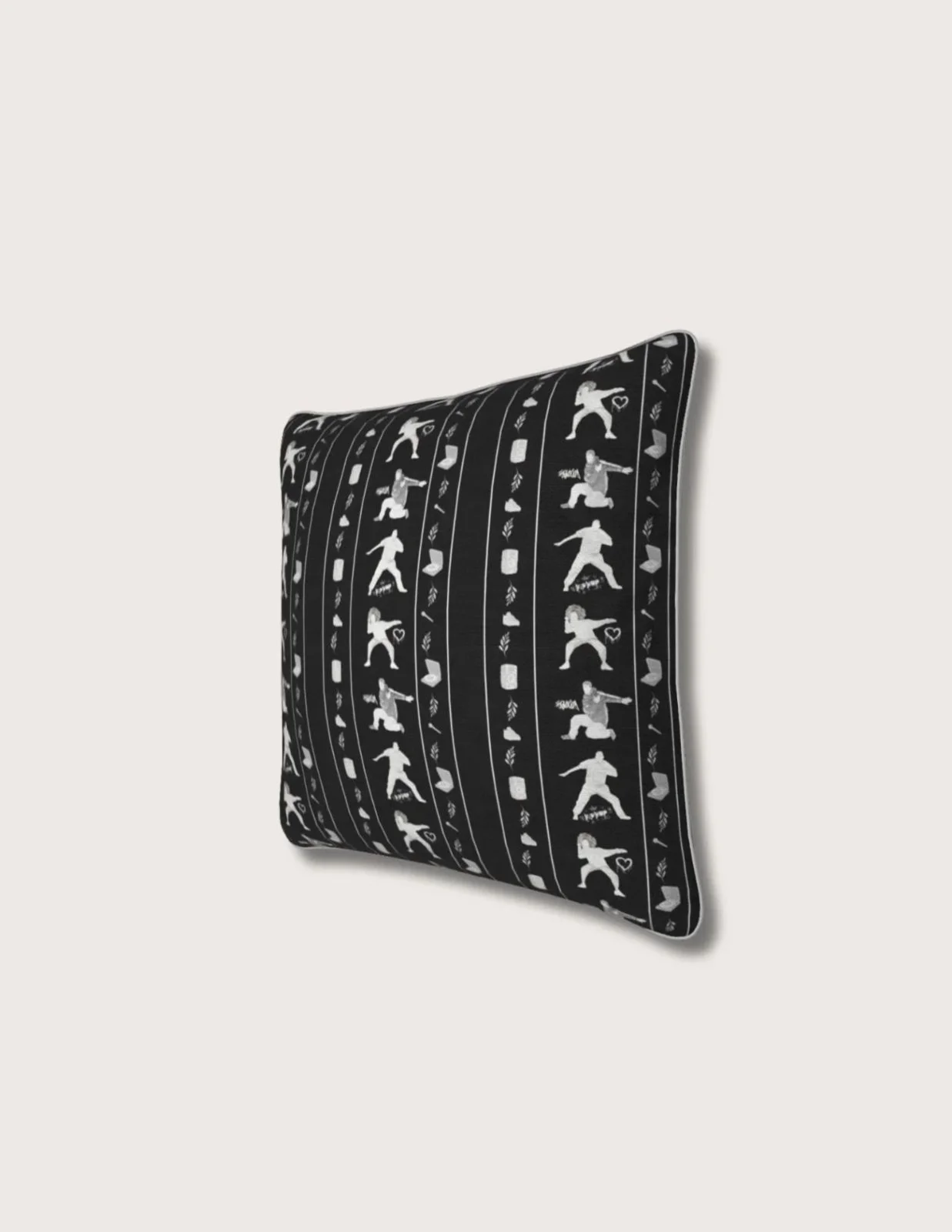
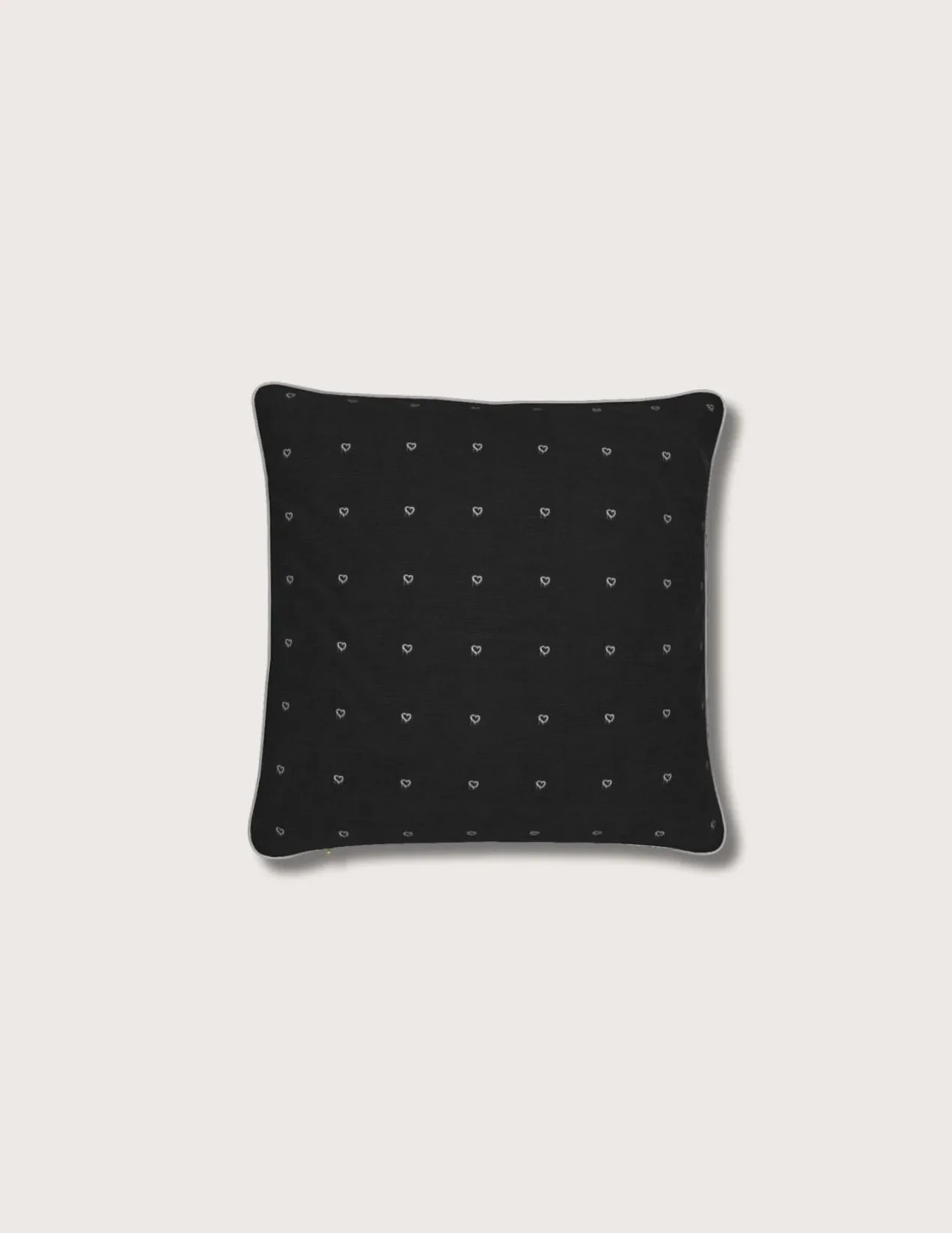
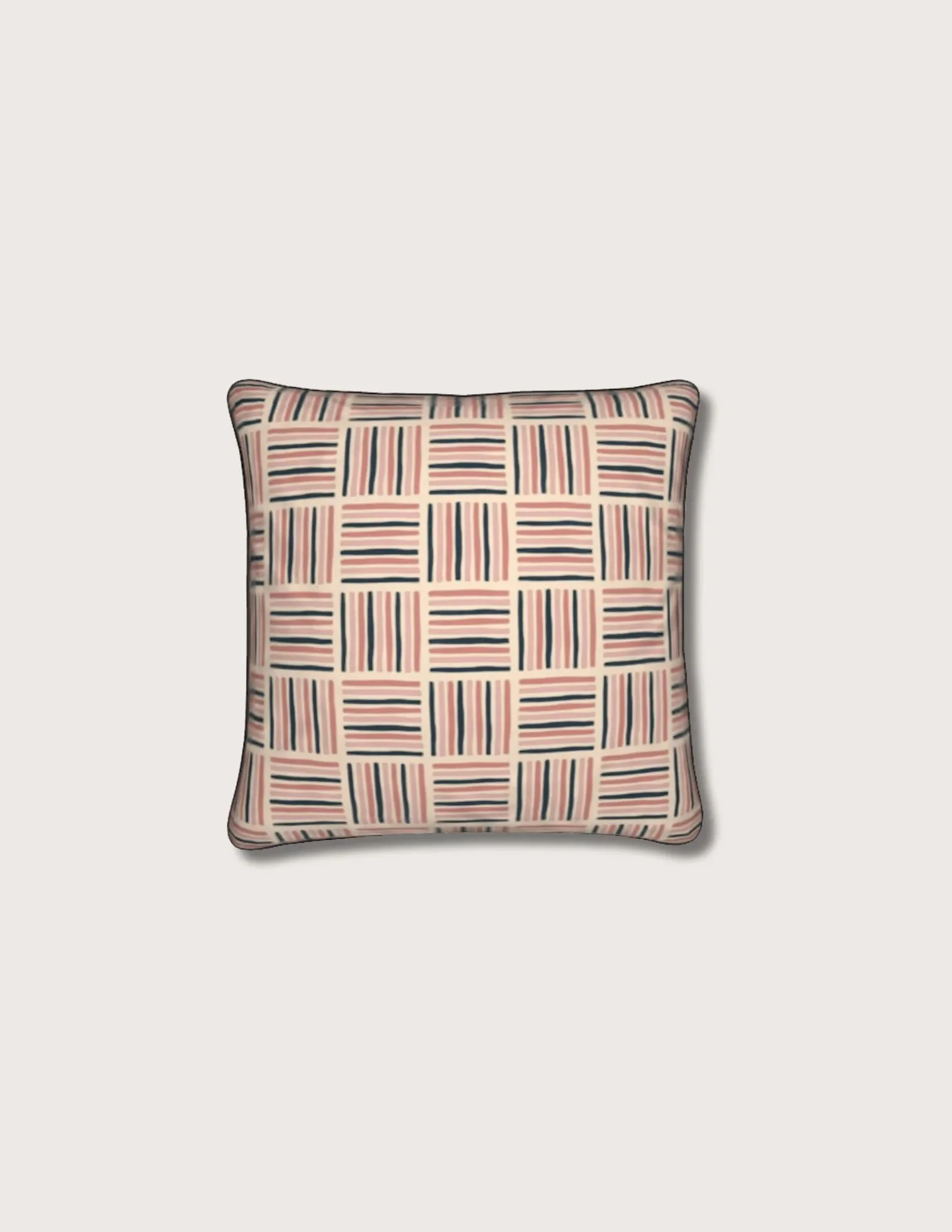
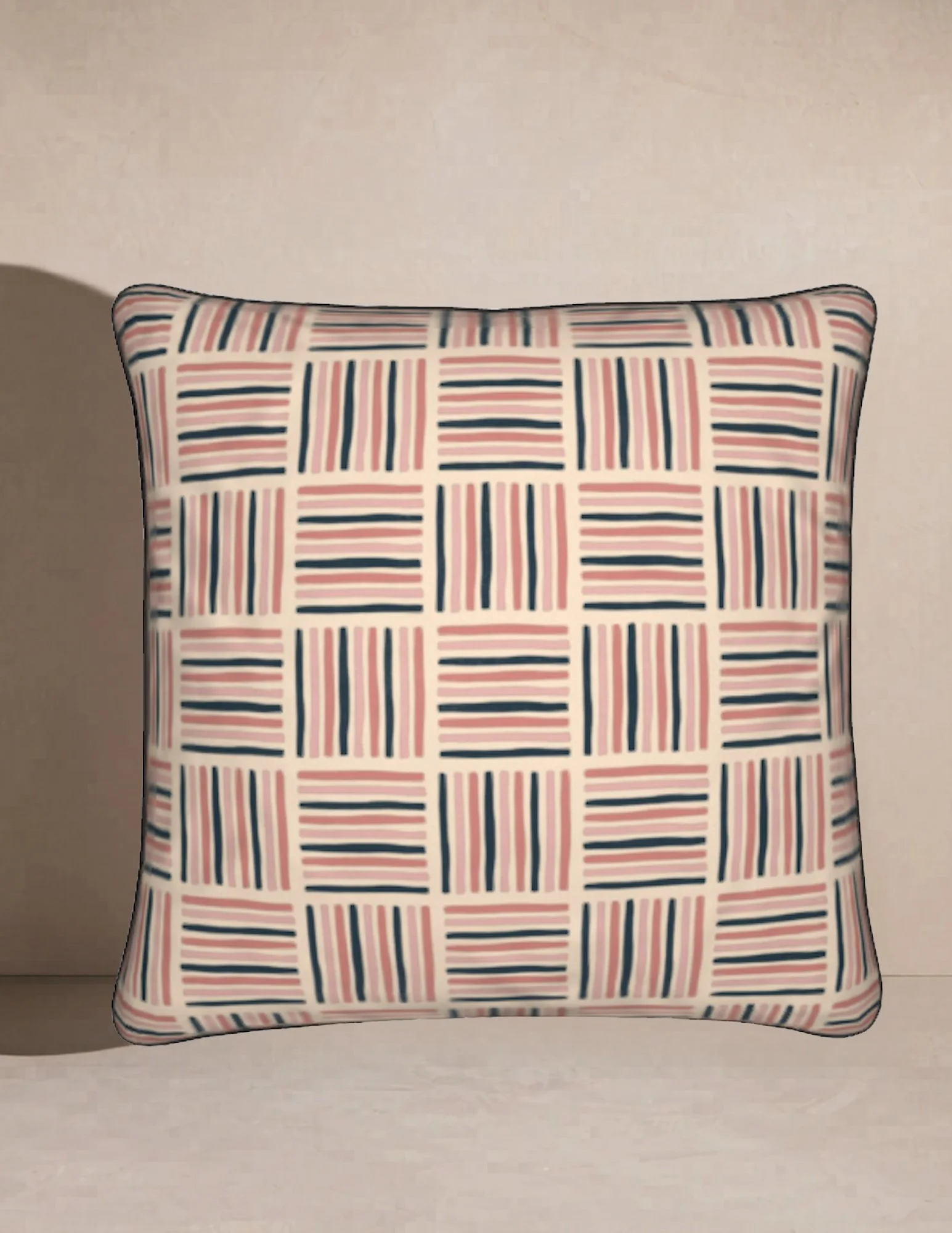
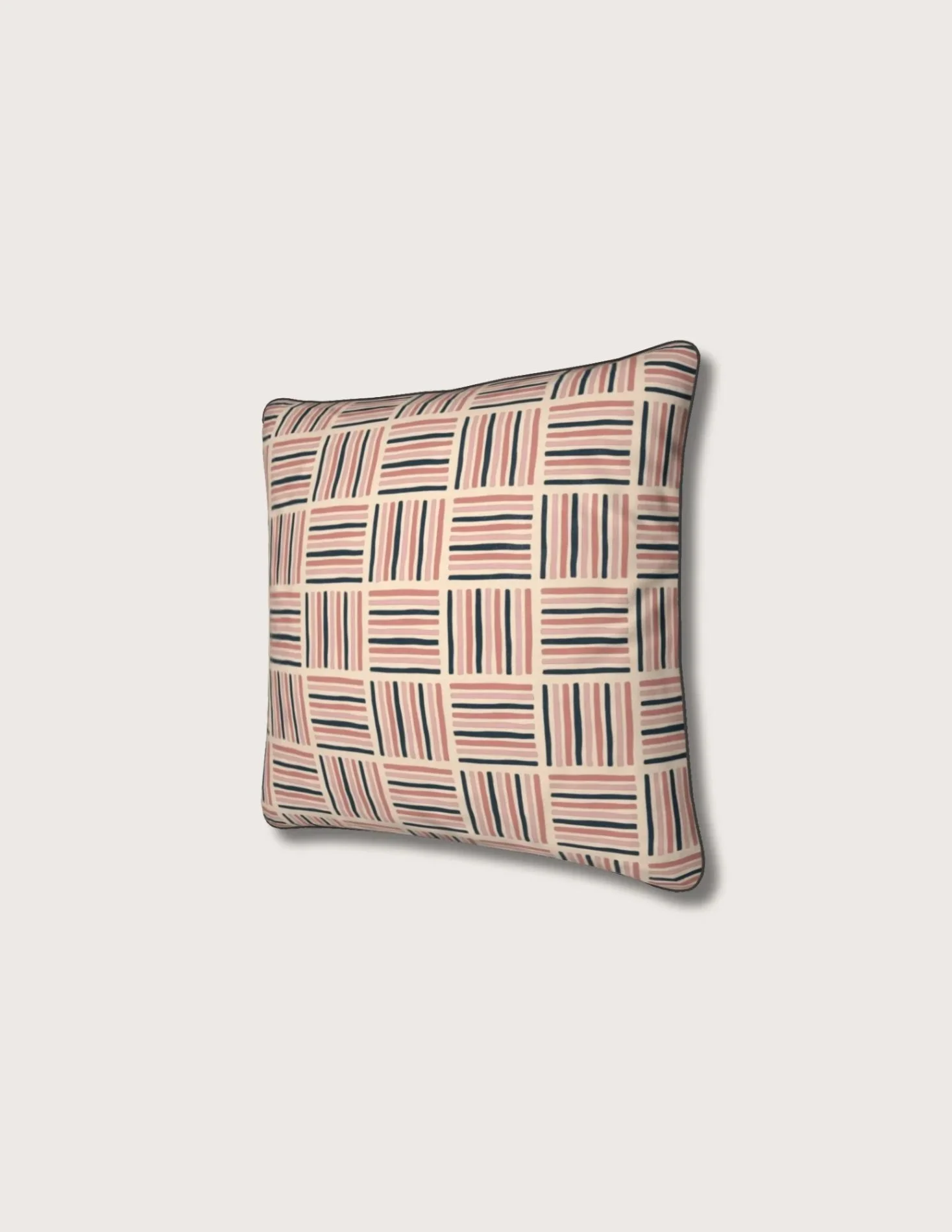
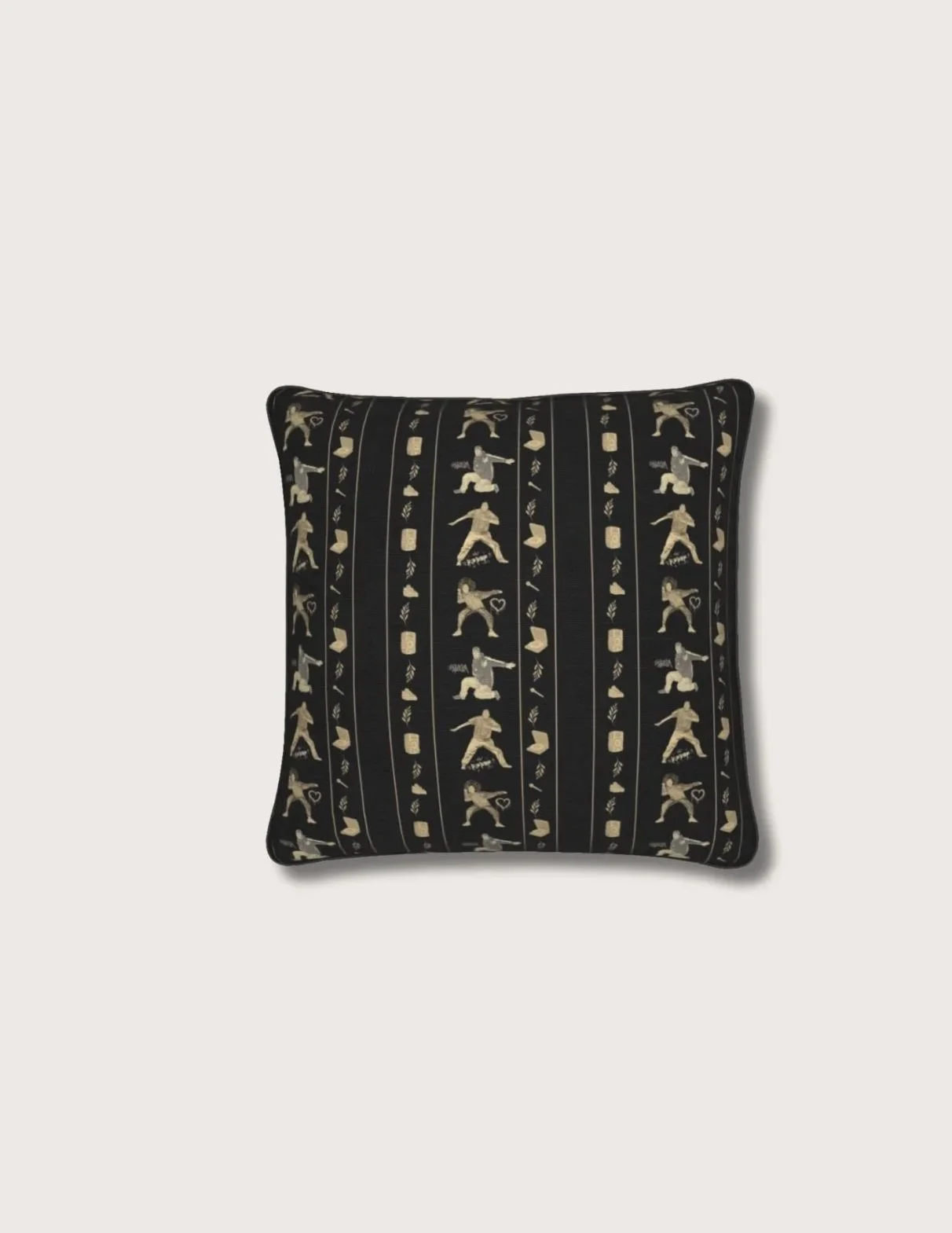
The Glyph Ivory Pillow brings the ancient past and the present day together beautifully, adding new layers to the aesthetic of your home. Sustainably woven and printed, featuring a luxe duck feather insert, it’s body-hugging comfort is exactly what you need at the end of a long day or the start of a lazy one. Finished with sophisticated touches like its colorful piping and a custom gold zipper, it’s a magazine-worthy addition to any room. Its fun, eye-catching pattern, connecting modern Hip-Hop culture to the sacred script of ancient Egypt, is a cultural and aesthetic statement like no other. Pairing a beautiful, ivory background with an exciting design in soft cotton-linen or sumptuous velvet, the Glyph Ivory Pillow is the perfect finishing touch for your favorite room. Available in cotton-linen, soft velvet, or in our outdoor eco weave fabric.

Editors' Note

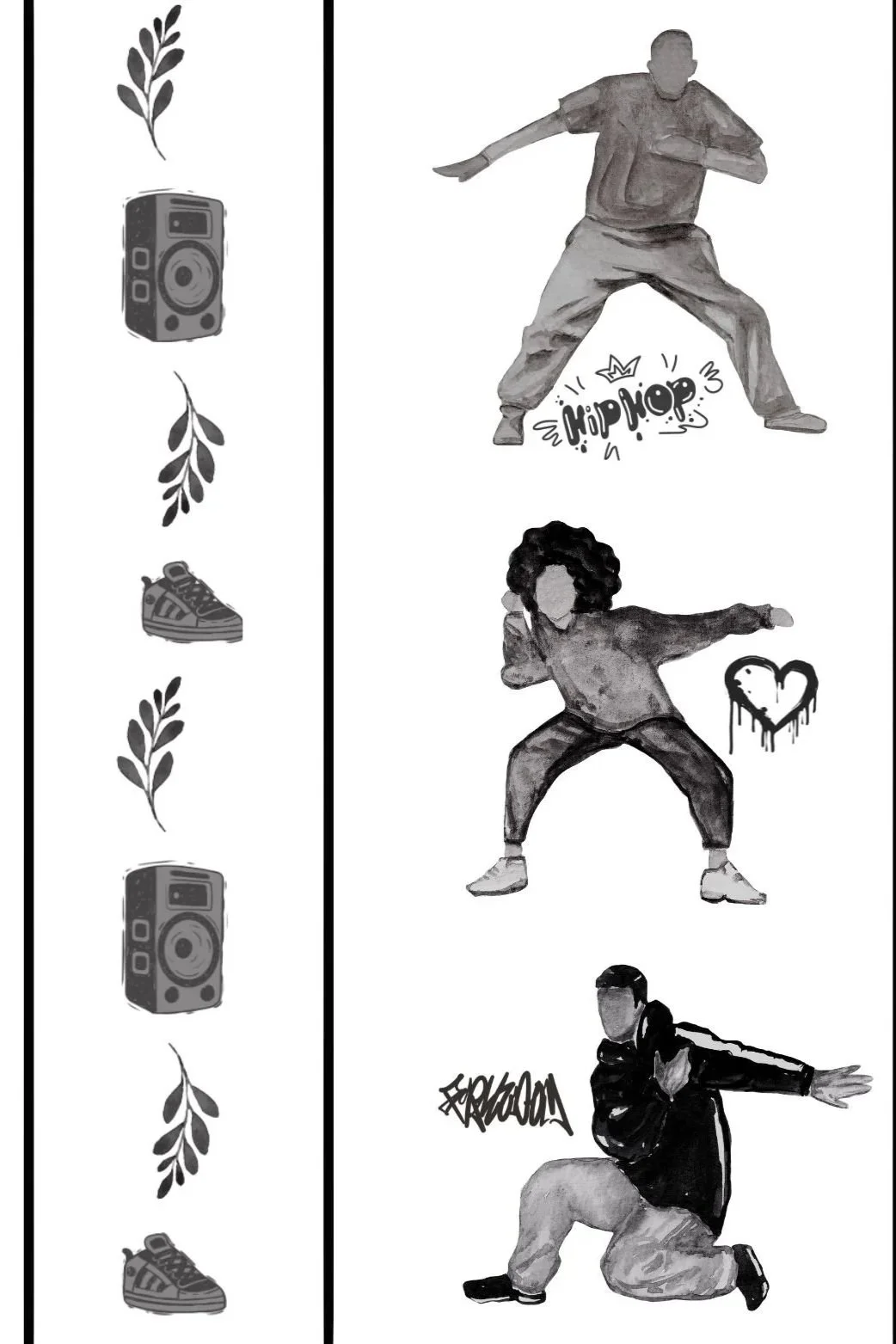
The Glyph Collection draws parallels between the culture and symbolism of ancient Egypt and the iconography of modern Hip-Hop culture. Presenting meaningful totems of Hip-Hop — the microphone, the boombox, and the emcee — in the style of engraved hieroglyphs, the collection celebrates the many levels of meaning found in Hip-Hop —  it’s lyrics, beats and dance — imagining the use of images of its common objects to convey those levels, from the mundane to the esoteric, just as the ancient Egyptians did. Hieroglyphics — the unmistakable writings of ancient Egypt — are one of a handful of writing systems in the world thought by scholars to have emerged entirely without outside influence. As such, they represent a wholly and uniquely Egyptian worldview. Consisting of pictographic logograms (characters depicting objects or concepts), phonograms (characters depicting sounds), determinatives (characters that clarify the meanings of other characters), and numericals (characters depicting numbers) this complex system of writing was known to include anywhere from 7-800 words for much of the Middle and New Kingdom periods, to as many as 8,000 words during the Ptolemaic period. The term hieroglyphic is not Egyptian, but derived from the Greek hieroglyphikos, meaning “sacred writing,” or more specifically, “sacred carving,” with hieros having the meaning of “sacred” and glyphein meaning “to carve”. Similarly, however, Egyptians referred to their writing system as Mdju Netjer, literally the, “Words of the gods,” reflecting the belief that writing was created and given to humanity by Thoth, the ibis-headed god of wisdom, science and magic. Constructed around 24 base phonograms, all representing consonants, Mdju Netjer, like Hebrew and Arabic, did not include written vowels in its script, preferring to use determinants to distinguish between words that might otherwise have been confused. Further, Egyptian script was extremely flexible in terms of writing direction, being able to be read left-to-right, right-to-left, top-to-bottom, or bottom-to-top. Usually carved into the stone facades of important buildings and statues, Egyptian hieroglyphics spawned cursive forms for everyday use, first Hieratic and later Demotic, that were written in ink. Despite their longevity, having been in continual use for more than 3,000 years, hieroglyphs eventually faded from use, their meanings lost to history until the 1799 discovery of the Rosetta Stone by French army officer, Pierre-François Bouchard, and its eventual translation, completed in the 1820s by French scholar, Jean-François Champollion. 

Details

The Glyph Ivory Pillow brings the ancient past and the present day together beautifully, adding new layers to the aesthetic of your home. Sustainably woven and printed, featuring a luxe duck feather insert, it’s body-hugging comfort is exactly what you need at the end of a long day or the start of a lazy one. Finished with sophisticated touches like its colorful piping and a custom gold zipper, it’s a magazine-worthy addition to any room. Its fun, eye-catching pattern, connecting modern Hip-Hop culture to the sacred script of ancient Egypt, is a cultural and aesthetic statement like no other. Pairing a beautiful, ivory background with an exciting design in soft cotton-linen or sumptuous velvet, the Glyph Ivory Pillow is the perfect finishing touch for your favorite room. Available in cotton-linen, soft velvet, or in our outdoor eco weave fabric.

Editors' Note

The Glyph Collection draws parallels between the culture and symbolism of ancient Egypt and the iconography of modern Hip-Hop culture. Presenting meaningful totems of Hip-Hop — the microphone, the boombox, and the emcee — in the style of engraved hieroglyphs, the collection celebrates the many levels of meaning found in Hip-Hop —  it’s lyrics, beats and dance — imagining the use of images of its common objects to convey those levels, from the mundane to the esoteric, just as the ancient Egyptians did. Hieroglyphics — the unmistakable writings of ancient Egypt — are one of a handful of writing systems in the world thought by scholars to have emerged entirely without outside influence. As such, they represent a wholly and uniquely Egyptian worldview. Consisting of pictographic logograms (characters depicting objects or concepts), phonograms (characters depicting sounds), determinatives (characters that clarify the meanings of other characters), and numericals (characters depicting numbers) this complex system of writing was known to include anywhere from 7-800 words for much of the Middle and New Kingdom periods, to as many as 8,000 words during the Ptolemaic period. The term hieroglyphic is not Egyptian, but derived from the Greek hieroglyphikos, meaning “sacred writing,” or more specifically, “sacred carving,” with hieros having the meaning of “sacred” and glyphein meaning “to carve”. Similarly, however, Egyptians referred to their writing system as Mdju Netjer, literally the, “Words of the gods,” reflecting the belief that writing was created and given to humanity by Thoth, the ibis-headed god of wisdom, science and magic. Constructed around 24 base phonograms, all representing consonants, Mdju Netjer, like Hebrew and Arabic, did not include written vowels in its script, preferring to use determinants to distinguish between words that might otherwise have been confused. Further, Egyptian script was extremely flexible in terms of writing direction, being able to be read left-to-right, right-to-left, top-to-bottom, or bottom-to-top. Usually carved into the stone facades of important buildings and statues, Egyptian hieroglyphics spawned cursive forms for everyday use, first Hieratic and later Demotic, that were written in ink. Despite their longevity, having been in continual use for more than 3,000 years, hieroglyphs eventually faded from use, their meanings lost to history until the 1799 discovery of the Rosetta Stone by French army officer, Pierre-François Bouchard, and its eventual translation, completed in the 1820s by French scholar, Jean-François Champollion. 


Additional Details

20” x 20” Pillow

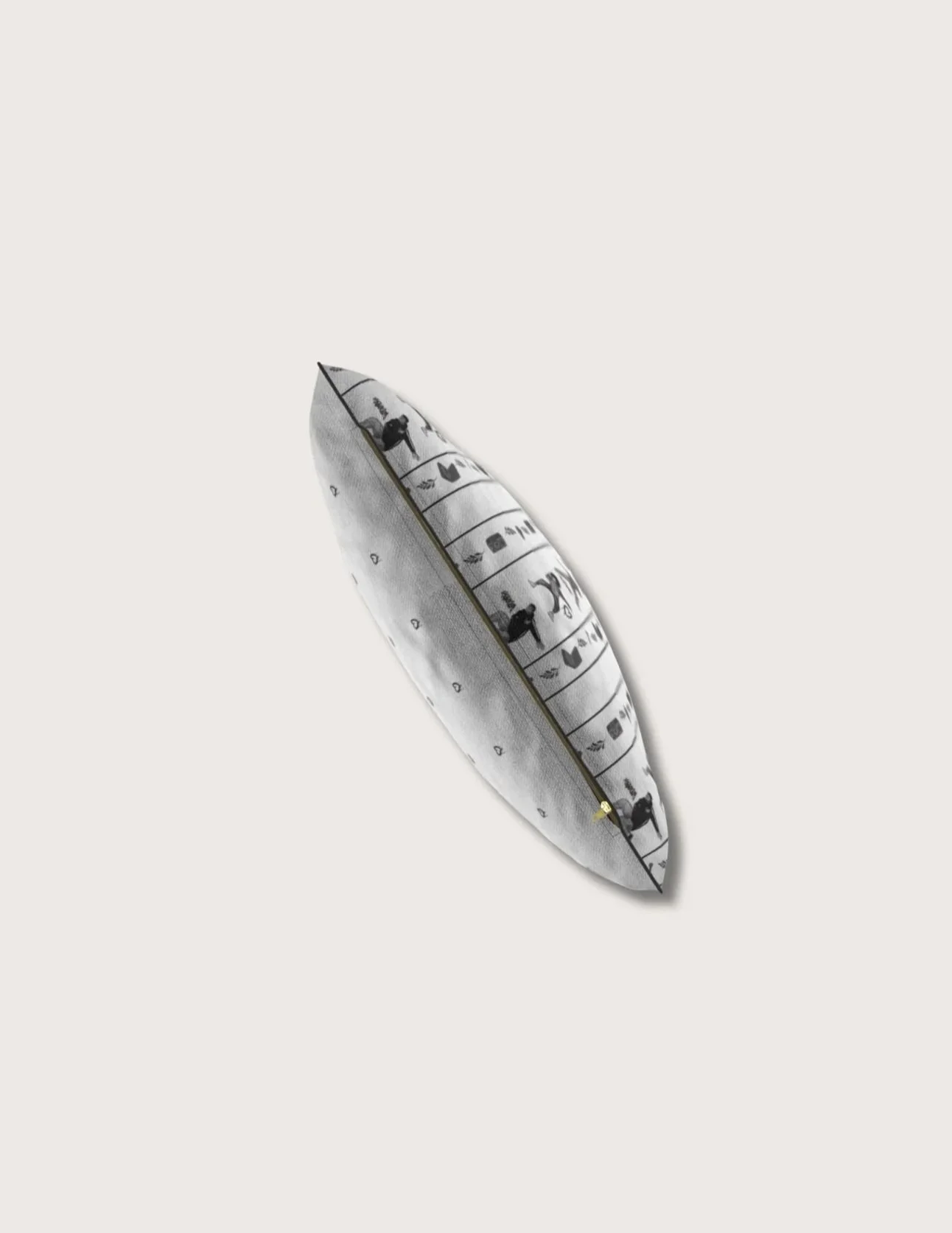
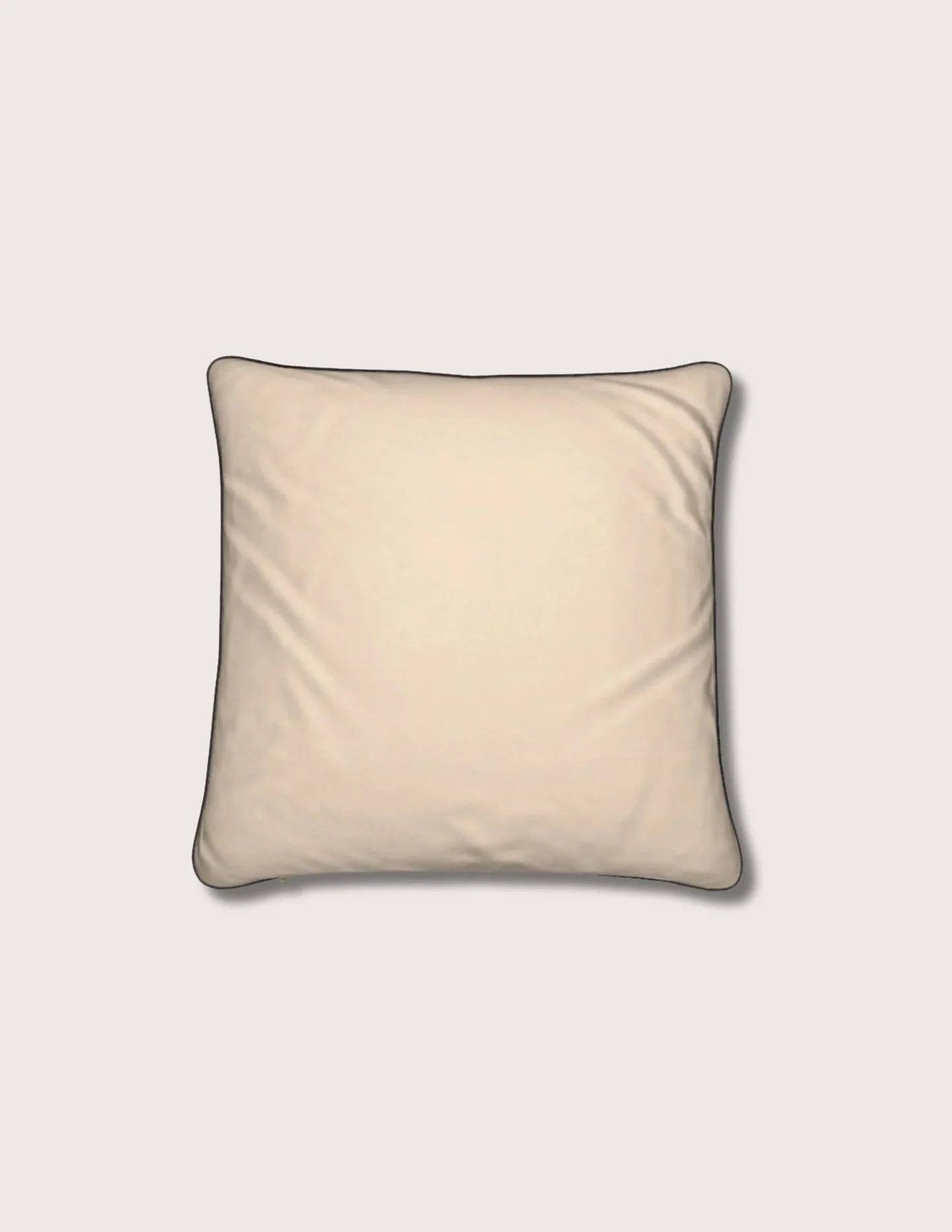
Black satin piping

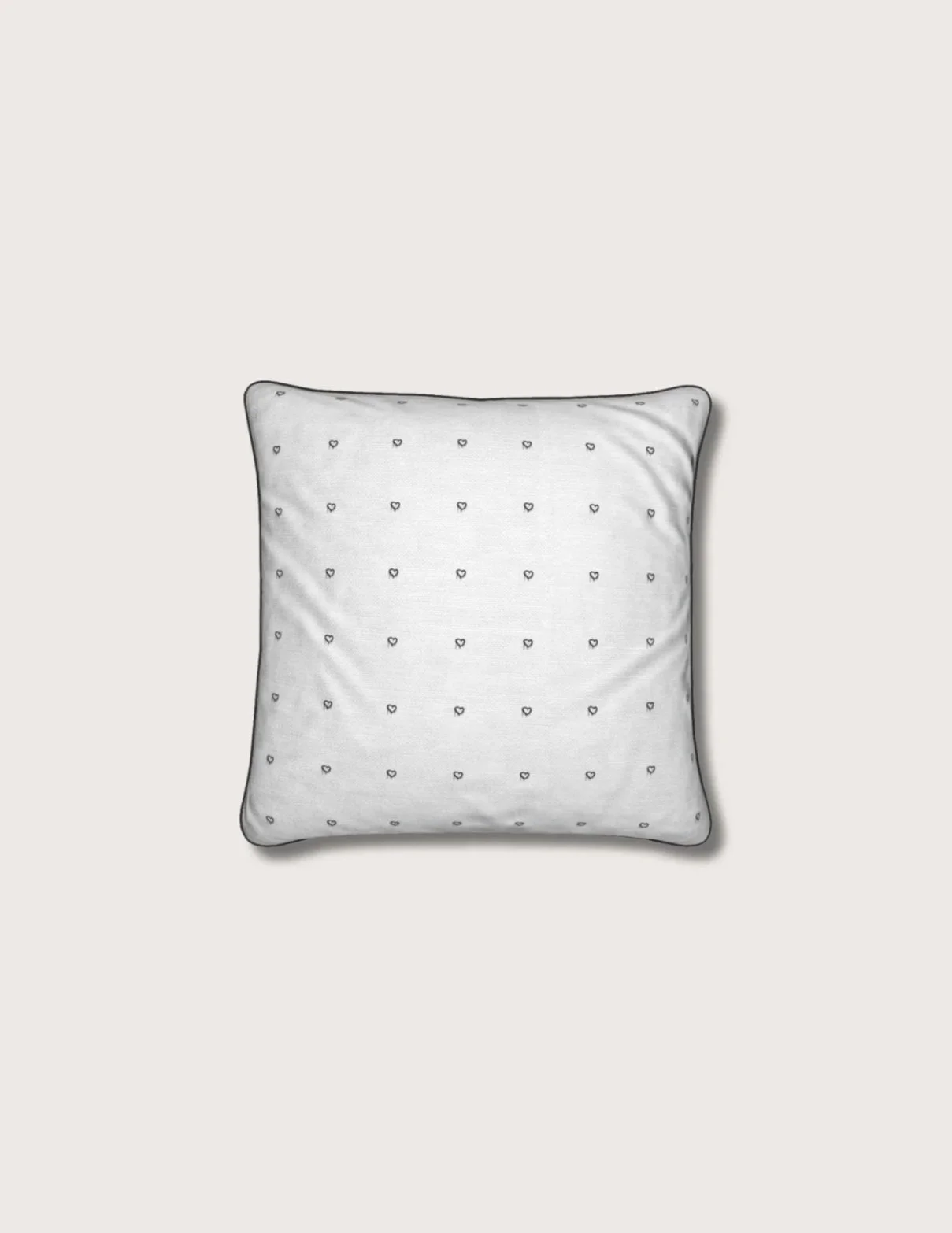
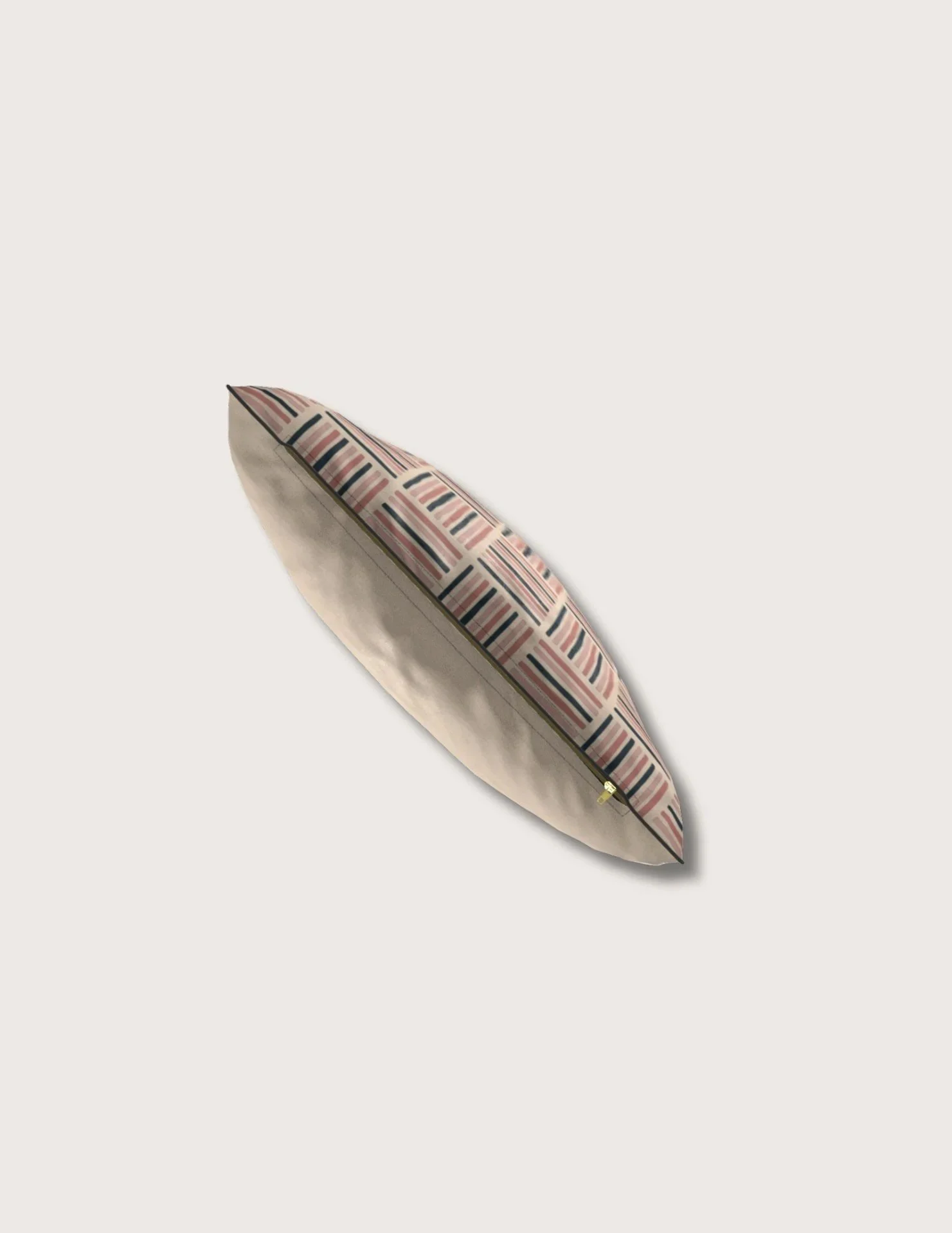
Ivory back

Down feather insert

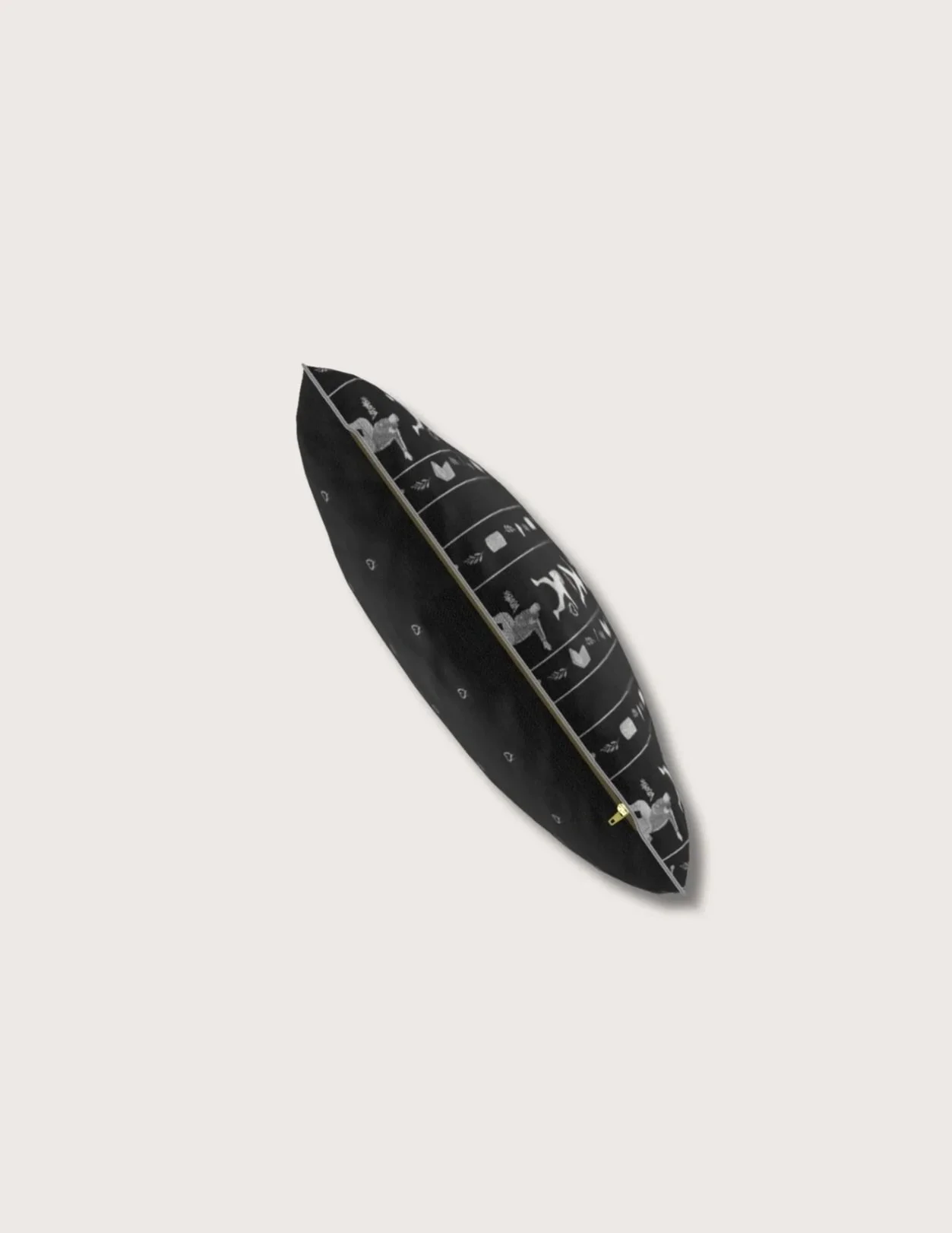
Gold zipper

Available in velvet (shown), cotton-linen or outdoor eco weave

Cotton-Linen:

95% cotton 5% linen

Weight: 6.72 oz

BCI organic FABRIC

Oeko-Tex Standard 100 Ink

GOTS ECOCERT Certified Ink

Velvet Fabric:

100% polyester

Weight: 8.26 oz

Oeko-Tex Standard 100 Ink

BS EN ISO 13934. 600N+

BS EN ISO 6330 @ 30°C

BS EN ISO 13936

Outdoor Eco Weave Fabric:

Water resistant outdoor fabric

100% recycled polyester

Weight: 7.67 oz

Oeko Tex Standard 100 fabric

Global Recycled Standard (GRS)

Do not place in direct sunlight to avoid fading

Certifications

Martindale > 20,000 revs:  Suitable for use in medium wear applications

Rub Fast 80k: Suitable for use in high wear / Severe Contract applications

Resistance to Piling: Grade 3/4 for appropriate for use in high wear domestic environments

Tear Strength ≥30N+: good fabric to use in domestic or public areas

Tensile Strength 600N+: good for use in domestic or public areas

Fire Safety: This fabric complies with the flammability performance requirements of The Nightwear (Safety) Regulations 1985. (Statutory Instrument 1985 No 2043)

Care Instructions: Wash at 86°F, low tumble dry heat, hang to dry, do not wring, low heat iron

Sustainably printed and woven in the UK

Made to order

Ships from 4 weeks worldwide
Contact us for custom options

Shipping and returns policy