Details
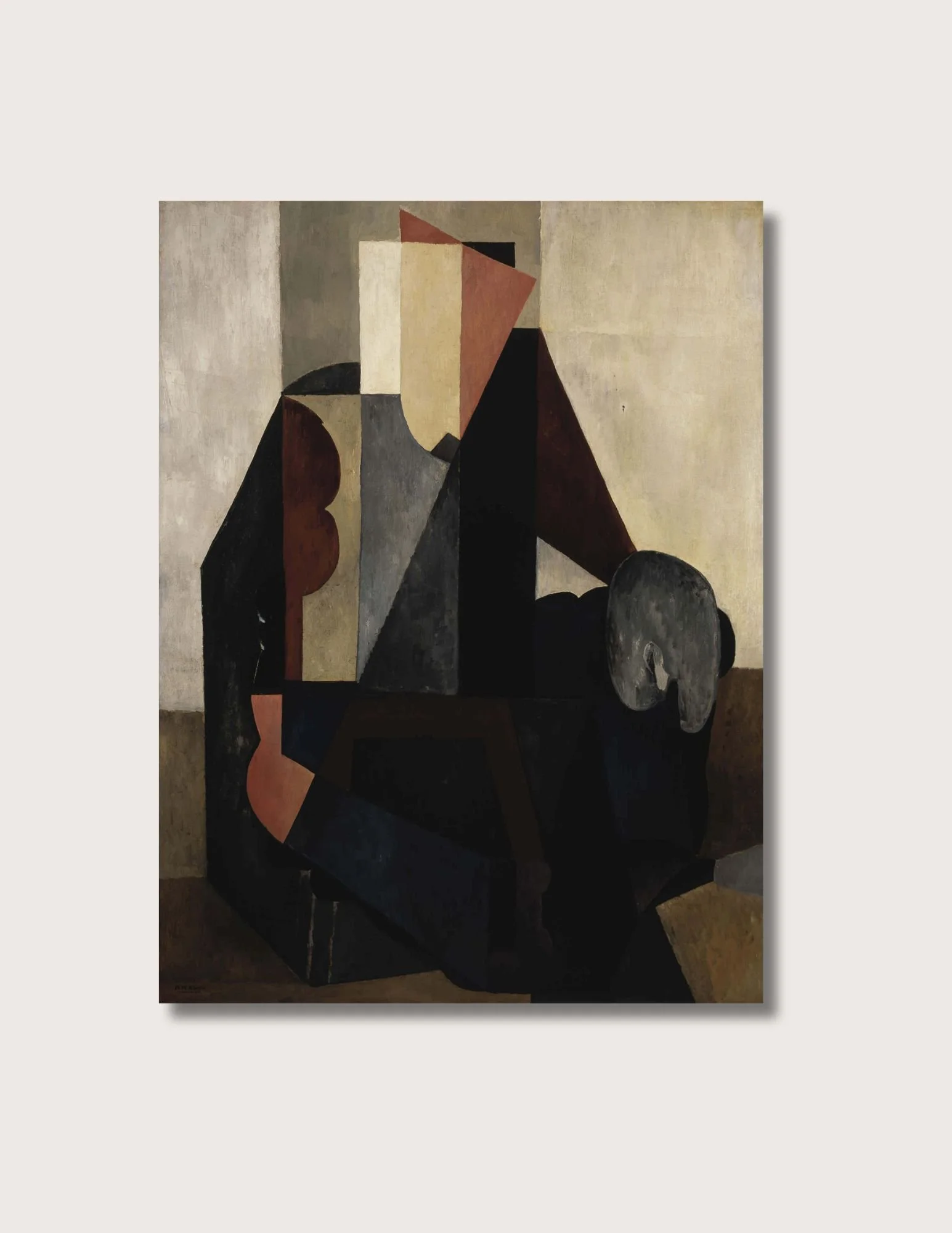
Un Pintor En Reposo, literally, "A Painter in Repose (or at rest)," is a 1916 work by the renowned Mexican artist, Diego Rivera. Known for many things, including his famously tumultuous relationships with both the Communist Party and equally legendary painter, Frida Kahlo (whom he married twice), Rivera — of African and Indigenous, as well as Portuguese Jewish and Spanish ancestry — is perhaps best remembered artistically for his politically-charged murals. Yet, throughout his career, Rivera displayed a remarkably versatile talent that was equally comfortable in the genres of Realism, Pointillism, Post-Impressionism and Cubism, as well as his unparalleled Muralism. Un Pintor En Reposo comes from a very early moment in the artist's journey during which he lived and studied across Europe. The work is one of many that he produced between 1912 and 1917, a period in which he embraced Cubism, inspired by meetings with both Pablo Picasso and Paul Cézanne, the latter himself remembered as the great bridge between his own Post-Impressionist movement and that of the Cubists. Exploring Cézanne's theory that any physical object can be represented in art through reference to the cylinder, sphere or cube — whether singly or in combination — the painting represents the simple subject of a seated painter as a complex and evocative mix of shapes, colors and impressions. Printed on 5.57 oz smooth matte fine art paper, this work is available framed and unframed, reproduced by archivists in the United Kingdom using museum quality paper and ink, resulting in a piece that is faithful to the original.
Editors' Note
Diego Rivera was born on December 8, 1886, in Guanajuato, Mexico, to educators, María del Pilar Barrientos and Diego Rivera Acosta. A Mexican painter who established a new iconography based on socialist ideologies and Mexico’s indigenous heritage, his bold large-scale murals depicting Mexican agriculture, industry, and culture, stimulated a revival of fresco painting in Latin America. By his own account, Rivera began drawing by age two. His talent was recognized and encouraged by his parents, and by age 11 he was studying art at the Academy of San Carlos in Mexico City. Rivera’s interest in creating an artistic Mexican identity began during these formative years, as he describes in his autobiography, My Art, My Life, co-authored with Gladys March and published posthumously in 1960. He wrote that he resisted the European focus of his school, having discovered and been inspired by the art of Mexico before colonization. Rivera’s engagement with politics also seems to have begun during this period, as he recounts being expelled from the academy for leading a political demonstration against the president of Mexico, Porfirio Díaz. A travel grant enabled him to continue his studies in Europe in 1907. Rivera studied in Spain for two years and then settled in Paris, where he became a friend of many leading modern painters. With the exception of a brief trip to Mexico in 1910 for an exhibition showing his work, Rivera lived abroad until 1921. During these years, he experimented with different styles. In View of Toledo (1912), for example, he combined the style of the Spanish Master El Greco with the simplified forms and bold areas of color of Paul Cézanne. For Dos Mujeres (1914), he built on the fractured perspectives of his Cubist friends Pablo Picasso and Georges Braque. During this time, Rivera met fellow Mexican painter David Alfaro Siqueiros, who was trekking through Europe following his service in the Mexican Revolution. Together, they traveled to Italy to survey fresco paintings from the Renaissance. Rivera spent more than a year studying the fresco technique, observing compositions, and thinking about murals as an egalitarian art form. Wall paintings appealed to Rivera for their accessibility — they were viewable by those who did not have the means to visit art galleries or museums. Rivera returned to Mexico in 1921 seeking to create a new national art on revolutionary themes that would decorate public buildings in the wake of the Mexican Revolution. José Vasconcelos, the secretary of public education under President Álvaro Obregón, commissioned Rivera as well as Siqueiros and Mexican artist José Clemente Orozco to paint murals in public buildings in order to educate the population about the history of Mexico. The three artists would become known as Los tres grandes, or “the Three Great Ones.” Between 1922 and 1953, Rivera would paint murals in, among other places, Mexico City, Chapingo, and Cuernavaca, Mexico; and San Francisco, Detroit, and New York City in the United States. In 1931, a retrospective exhibition of his works was held at the Museum of Modern Art in New York; this was before he completed his 27-mural series known as Detroit Industry Murals. After returning to Mexico, Rivera continued to paint murals. In 1929 he would marry famed Mexican artist, Frida Kahlo. Though they would divorce in 1939 after a series of extramarital affairs, the couple would reconcile the following year, moving to Kahlo’s childhood home, La Casa Azul (“The Blue House”), in Coyoacán. They remained there until Kahlo’s death in 1954. Rivera would pass away in Mexico City three years after her passing.
Details
Un Pintor En Reposo, literally, "A Painter in Repose (or at rest)," is a 1916 work by the renowned Mexican artist, Diego Rivera. Known for many things, including his famously tumultuous relationships with both the Communist Party and equally legendary painter, Frida Kahlo (whom he married twice), Rivera — of African and Indigenous, as well as Portuguese Jewish and Spanish ancestry — is perhaps best remembered artistically for his politically-charged murals. Yet, throughout his career, Rivera displayed a remarkably versatile talent that was equally comfortable in the genres of Realism, Pointillism, Post-Impressionism and Cubism, as well as his unparalleled Muralism. Un Pintor En Reposo comes from a very early moment in the artist's journey during which he lived and studied across Europe. The work is one of many that he produced between 1912 and 1917, a period in which he embraced Cubism, inspired by meetings with both Pablo Picasso and Paul Cézanne, the latter himself remembered as the great bridge between his own Post-Impressionist movement and that of the Cubists. Exploring Cézanne's theory that any physical object can be represented in art through reference to the cylinder, sphere or cube — whether singly or in combination — the painting represents the simple subject of a seated painter as a complex and evocative mix of shapes, colors and impressions. Printed on 5.57 oz smooth matte fine art paper, this work is available framed and unframed, reproduced by archivists in the United Kingdom using museum quality paper and ink, resulting in a piece that is faithful to the original.
Editors' Note
Diego Rivera was born on December 8, 1886, in Guanajuato, Mexico, to educators, María del Pilar Barrientos and Diego Rivera Acosta. A Mexican painter who established a new iconography based on socialist ideologies and Mexico’s indigenous heritage, his bold large-scale murals depicting Mexican agriculture, industry, and culture, stimulated a revival of fresco painting in Latin America. By his own account, Rivera began drawing by age two. His talent was recognized and encouraged by his parents, and by age 11 he was studying art at the Academy of San Carlos in Mexico City. Rivera’s interest in creating an artistic Mexican identity began during these formative years, as he describes in his autobiography, My Art, My Life, co-authored with Gladys March and published posthumously in 1960. He wrote that he resisted the European focus of his school, having discovered and been inspired by the art of Mexico before colonization. Rivera’s engagement with politics also seems to have begun during this period, as he recounts being expelled from the academy for leading a political demonstration against the president of Mexico, Porfirio Díaz. A travel grant enabled him to continue his studies in Europe in 1907. Rivera studied in Spain for two years and then settled in Paris, where he became a friend of many leading modern painters. With the exception of a brief trip to Mexico in 1910 for an exhibition showing his work, Rivera lived abroad until 1921. During these years, he experimented with different styles. In View of Toledo (1912), for example, he combined the style of the Spanish Master El Greco with the simplified forms and bold areas of color of Paul Cézanne. For Dos Mujeres (1914), he built on the fractured perspectives of his Cubist friends Pablo Picasso and Georges Braque. During this time, Rivera met fellow Mexican painter David Alfaro Siqueiros, who was trekking through Europe following his service in the Mexican Revolution. Together, they traveled to Italy to survey fresco paintings from the Renaissance. Rivera spent more than a year studying the fresco technique, observing compositions, and thinking about murals as an egalitarian art form. Wall paintings appealed to Rivera for their accessibility — they were viewable by those who did not have the means to visit art galleries or museums. Rivera returned to Mexico in 1921 seeking to create a new national art on revolutionary themes that would decorate public buildings in the wake of the Mexican Revolution. José Vasconcelos, the secretary of public education under President Álvaro Obregón, commissioned Rivera as well as Siqueiros and Mexican artist José Clemente Orozco to paint murals in public buildings in order to educate the population about the history of Mexico. The three artists would become known as Los tres grandes, or “the Three Great Ones.” Between 1922 and 1953, Rivera would paint murals in, among other places, Mexico City, Chapingo, and Cuernavaca, Mexico; and San Francisco, Detroit, and New York City in the United States. In 1931, a retrospective exhibition of his works was held at the Museum of Modern Art in New York; this was before he completed his 27-mural series known as Detroit Industry Murals. After returning to Mexico, Rivera continued to paint murals. In 1929 he would marry famed Mexican artist, Frida Kahlo. Though they would divorce in 1939 after a series of extramarital affairs, the couple would reconcile the following year, moving to Kahlo’s childhood home, La Casa Azul (“The Blue House”), in Coyoacán. They remained there until Kahlo’s death in 1954. Rivera would pass away in Mexico City three years after her passing.
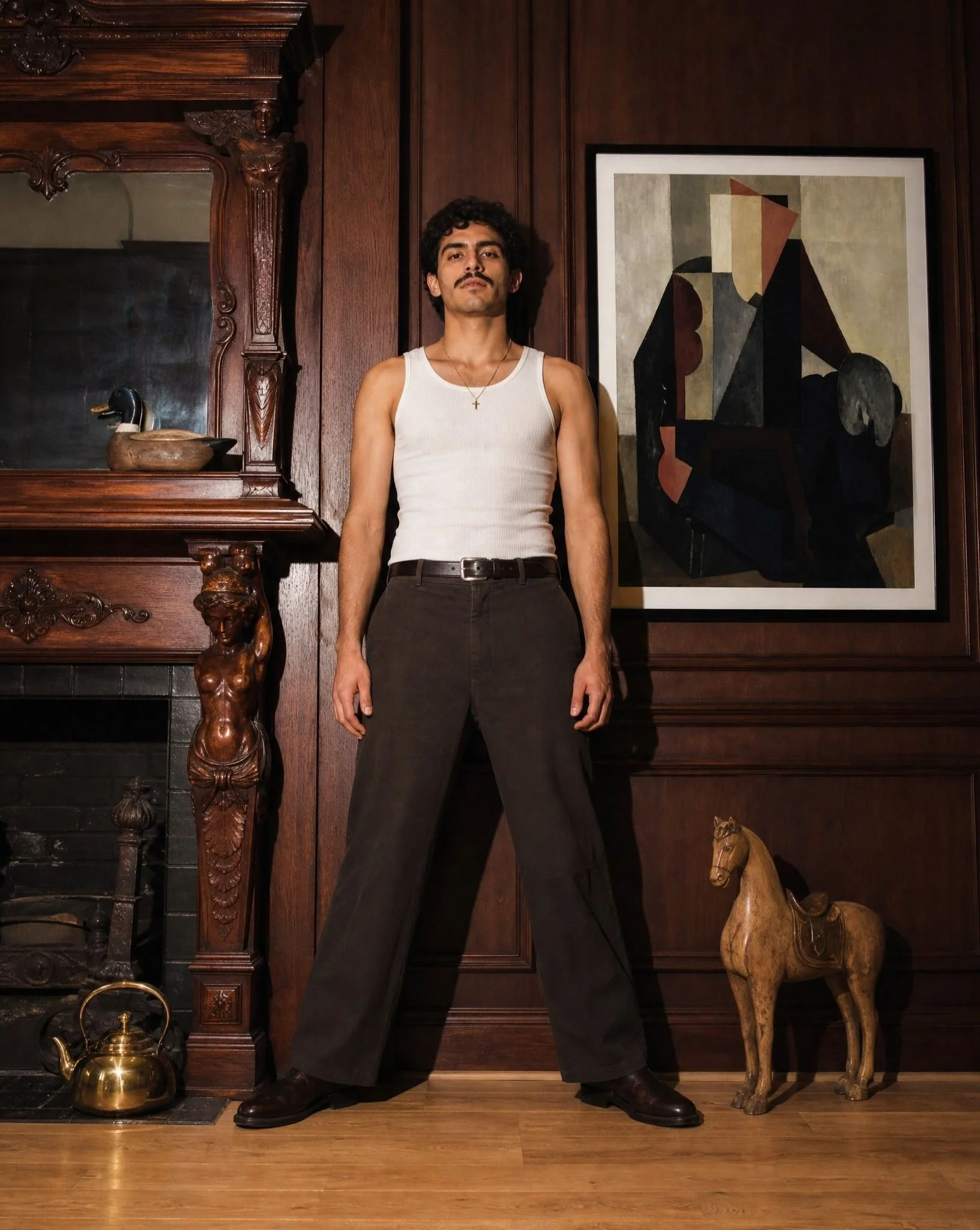 Image 1 of 3
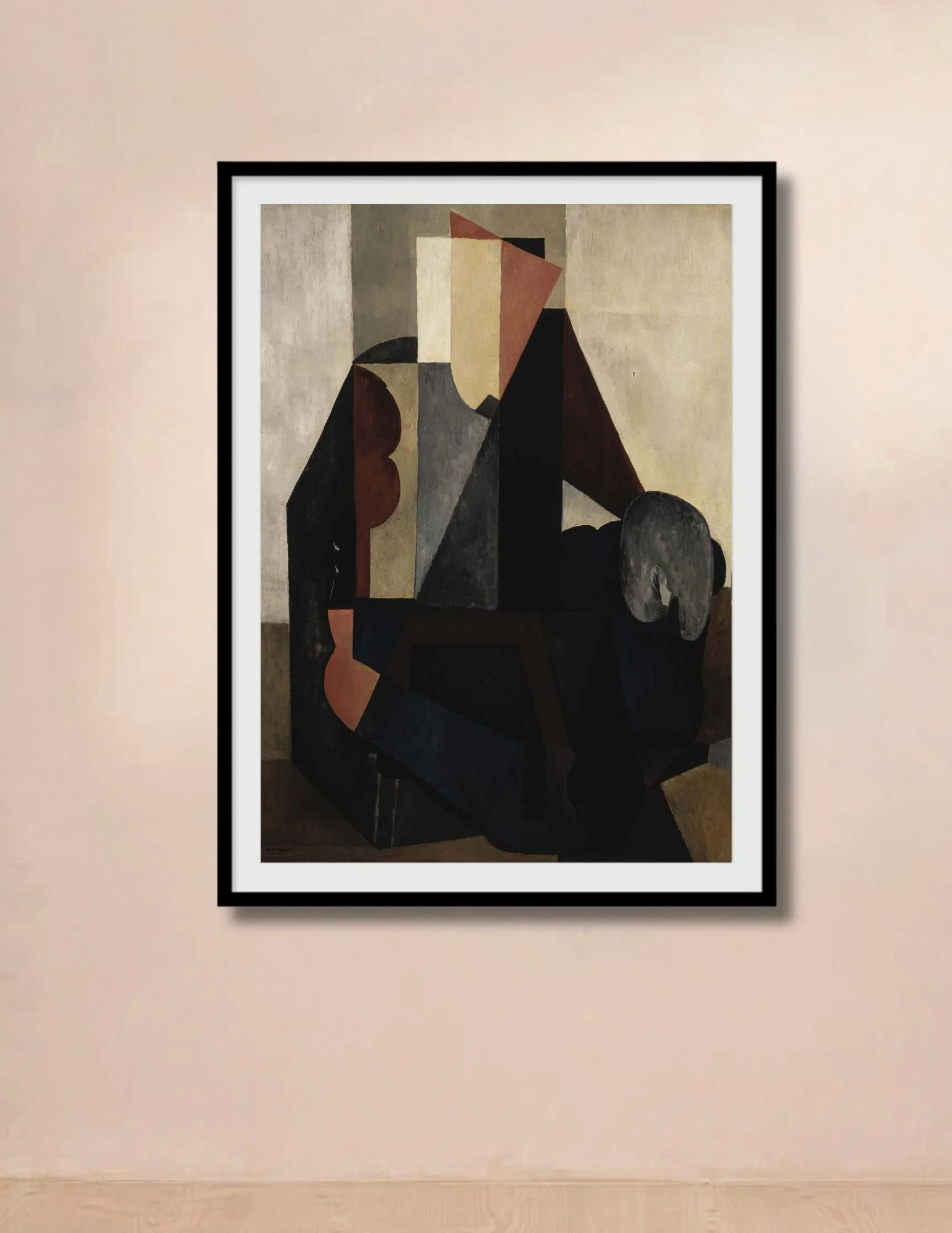 Image 2 of 3
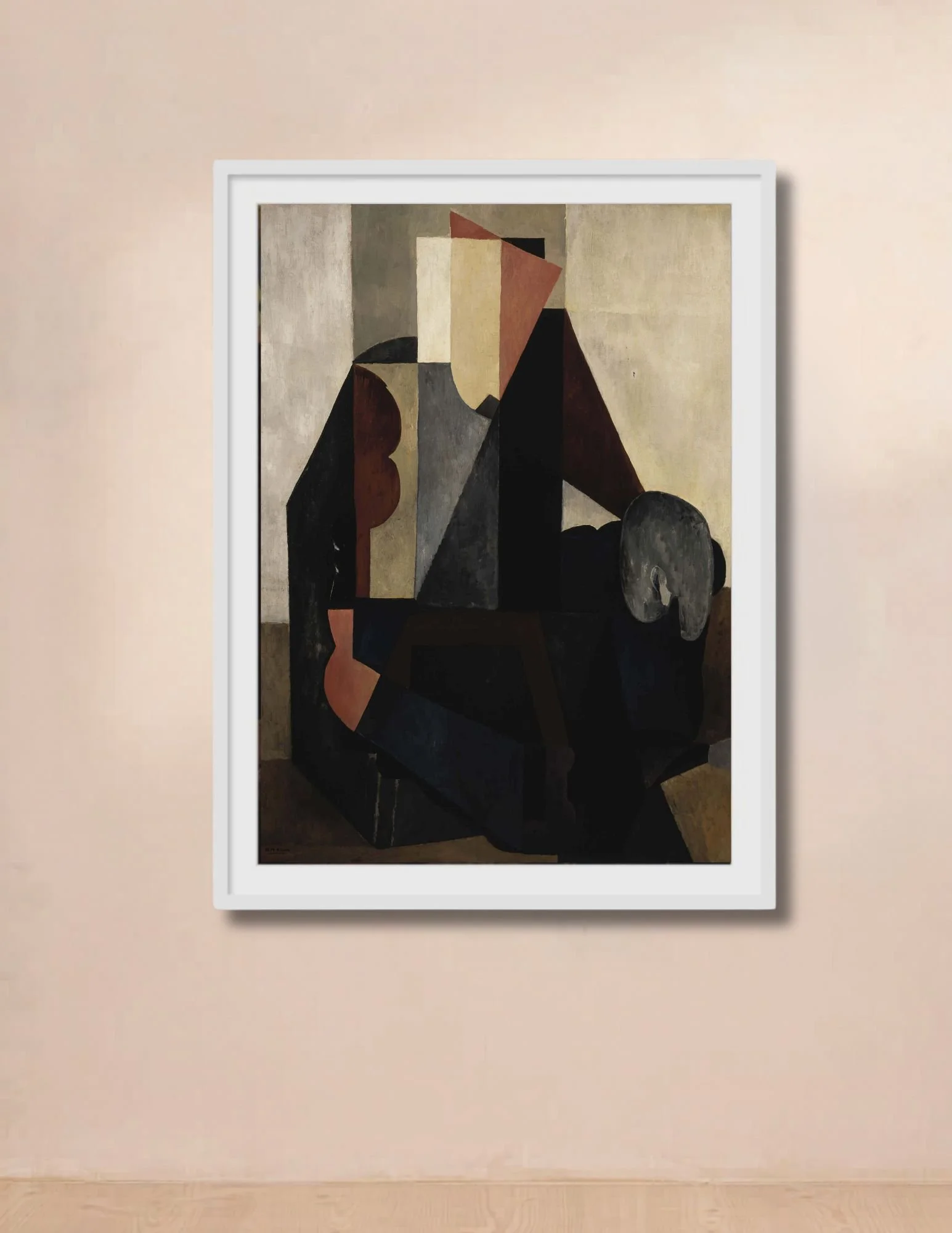 Image 3 of 3


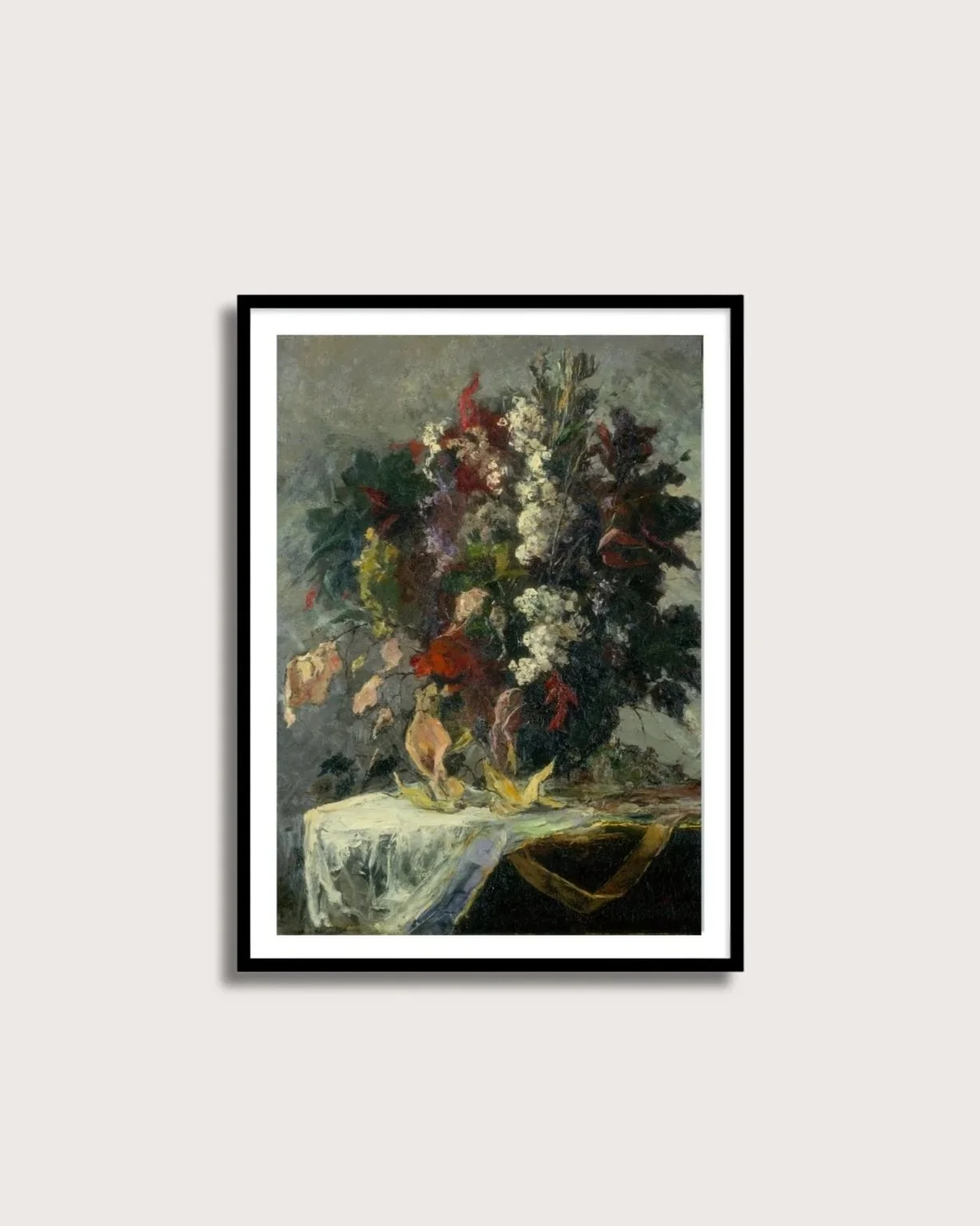
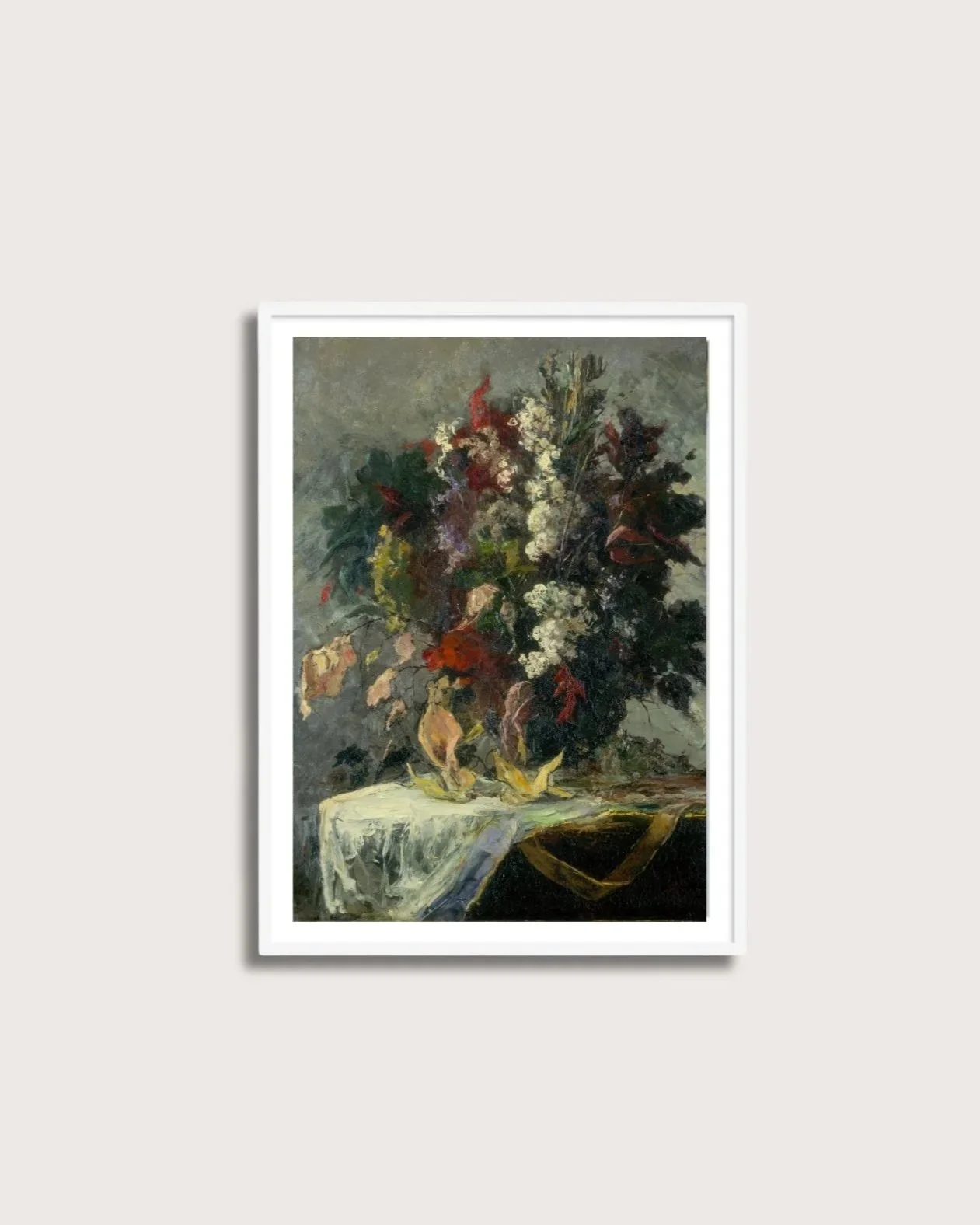
![Untitled [Floral Still Life] By Edward Mitchell Bannister](https://images.squarespace-cdn.com/content/v1/660301a88a5b600ef906acc1/9511d840-c815-4137-9295-f443cbf40ca2/edward+mitchell+bannister+untitled+still+life+lifestyle.jpg)
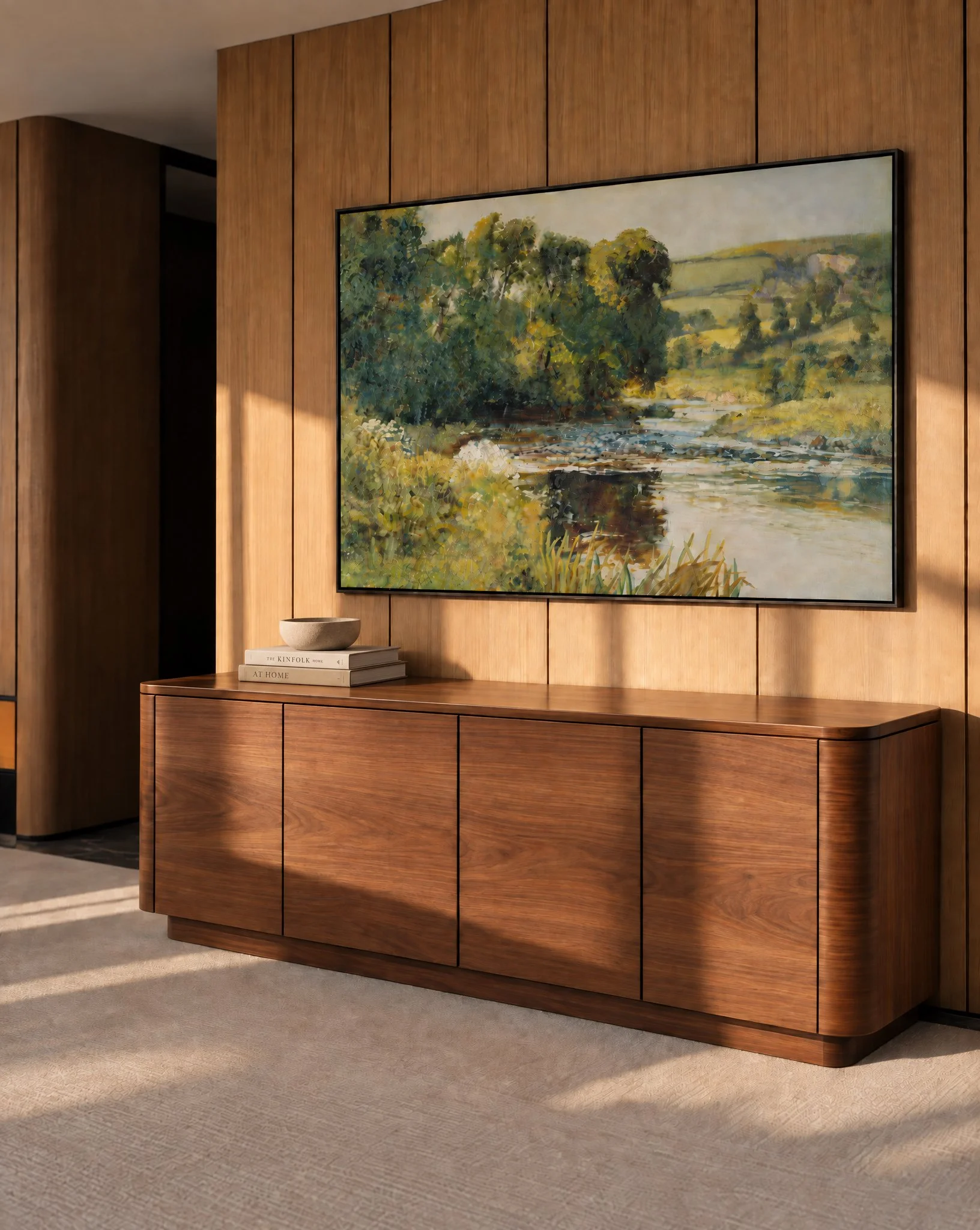
![Landscape [Trees] By Edward Mitchell Bannister](https://images.squarespace-cdn.com/content/v1/660301a88a5b600ef906acc1/91ded1b1-422c-4ac2-b960-688b9a6e8f4f/Landscape+with+trees_lifestyle.jpg)