Details
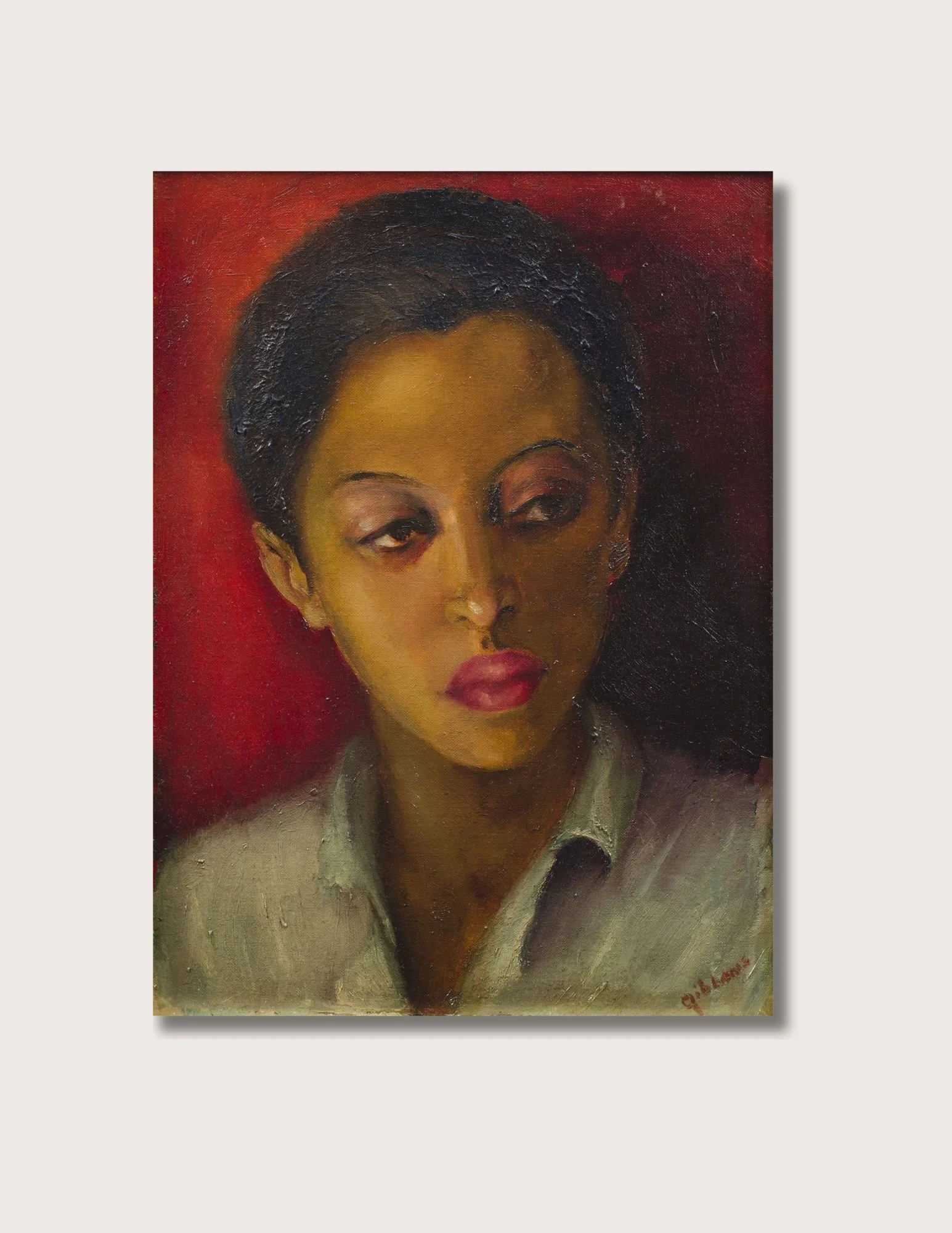
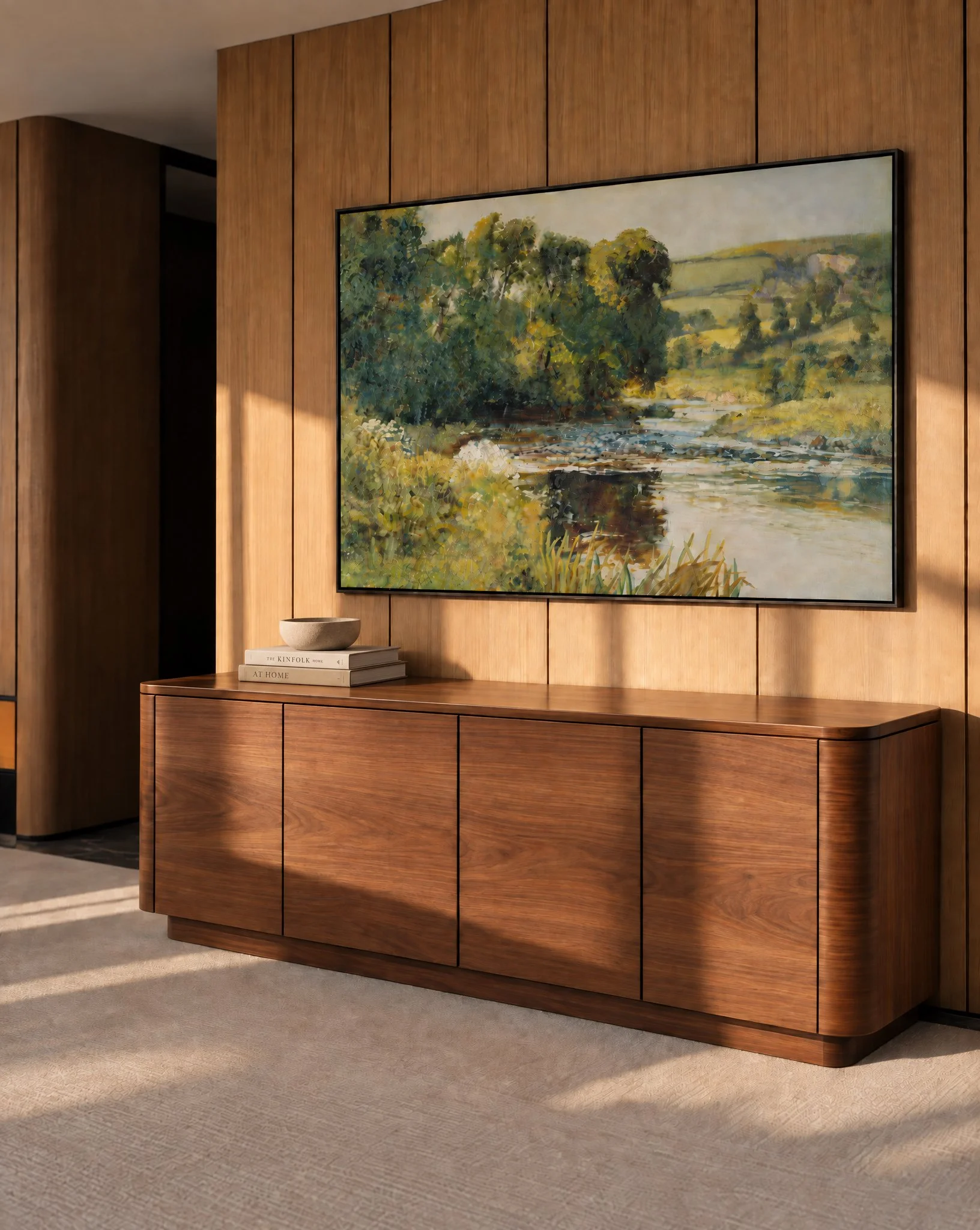
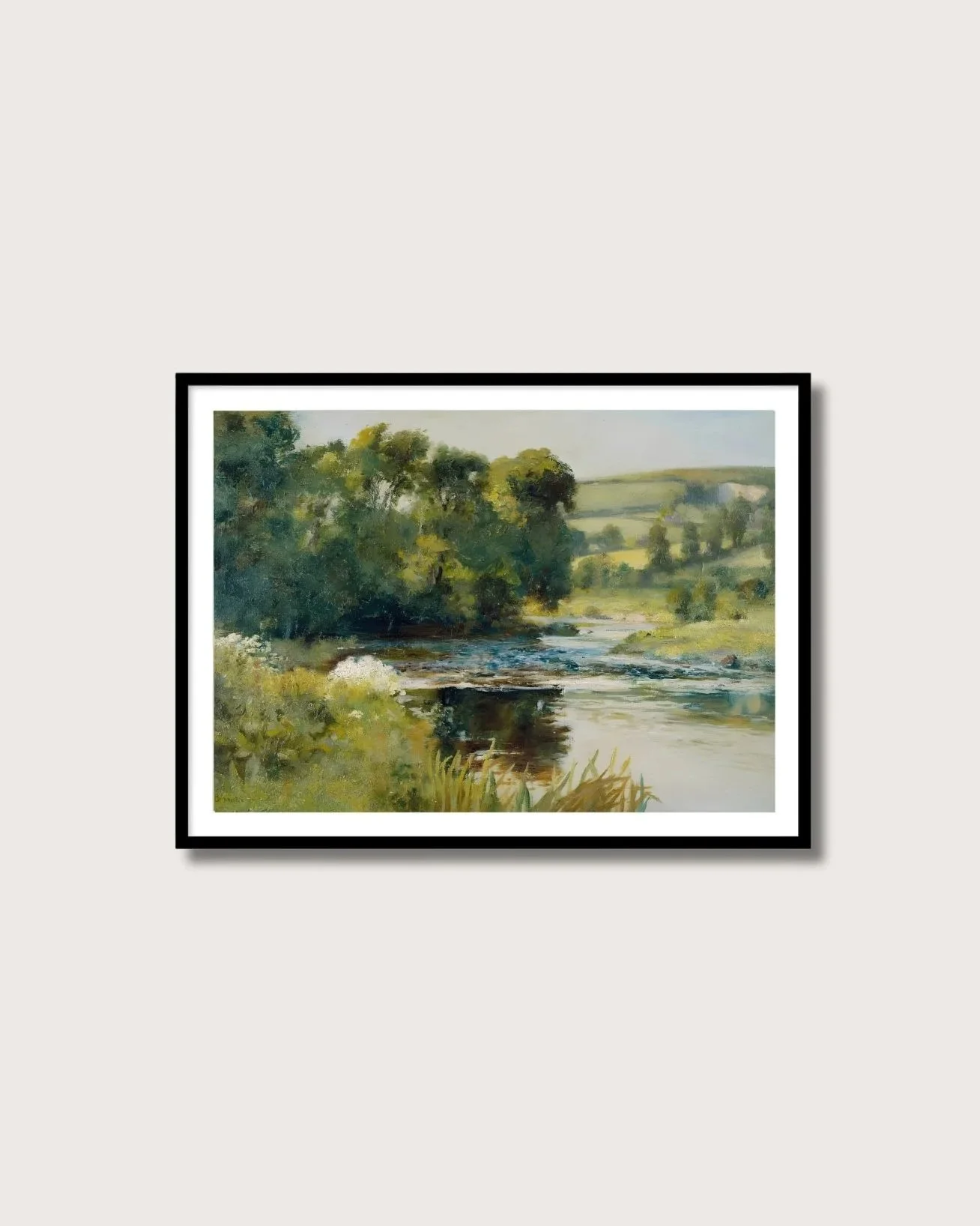
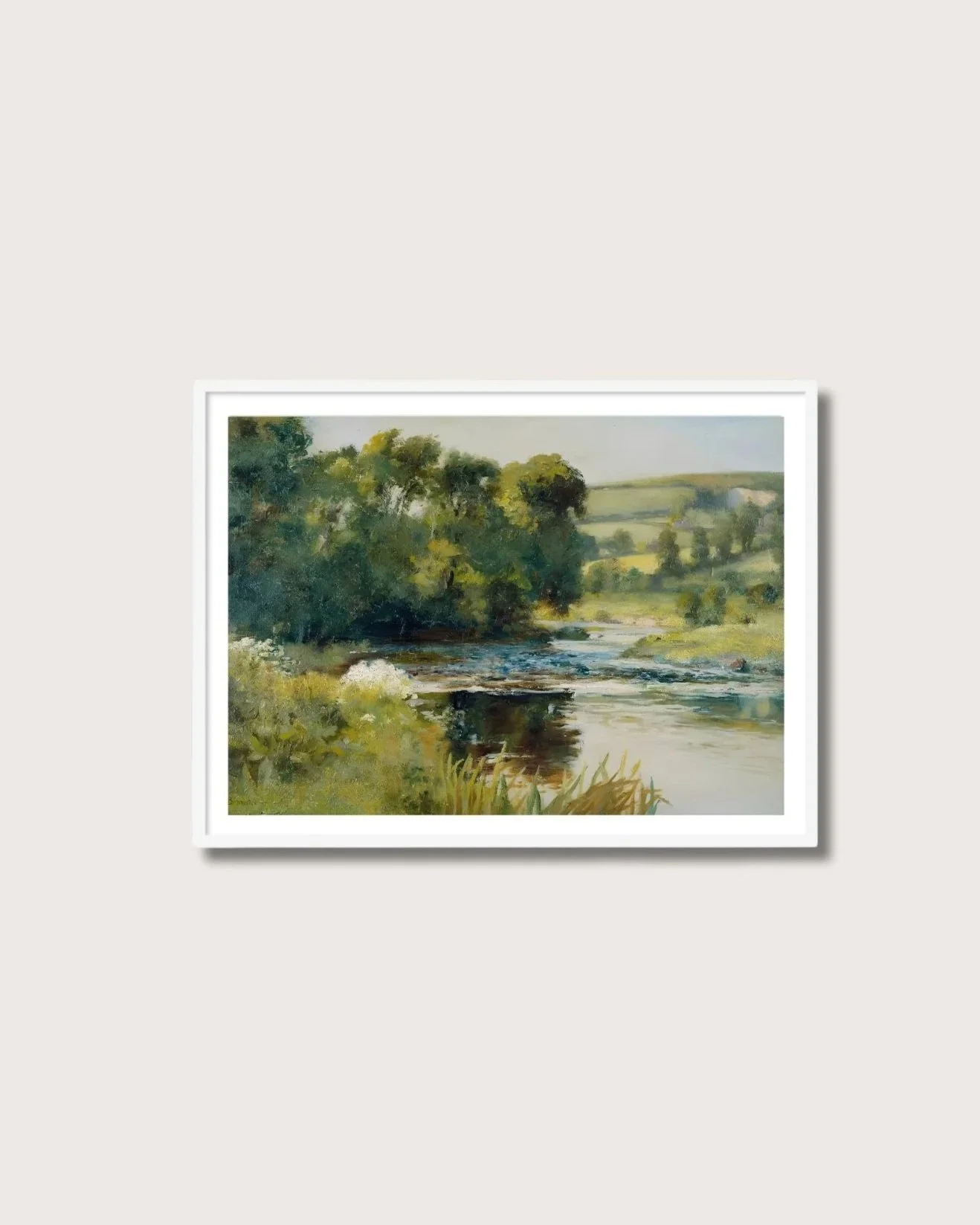
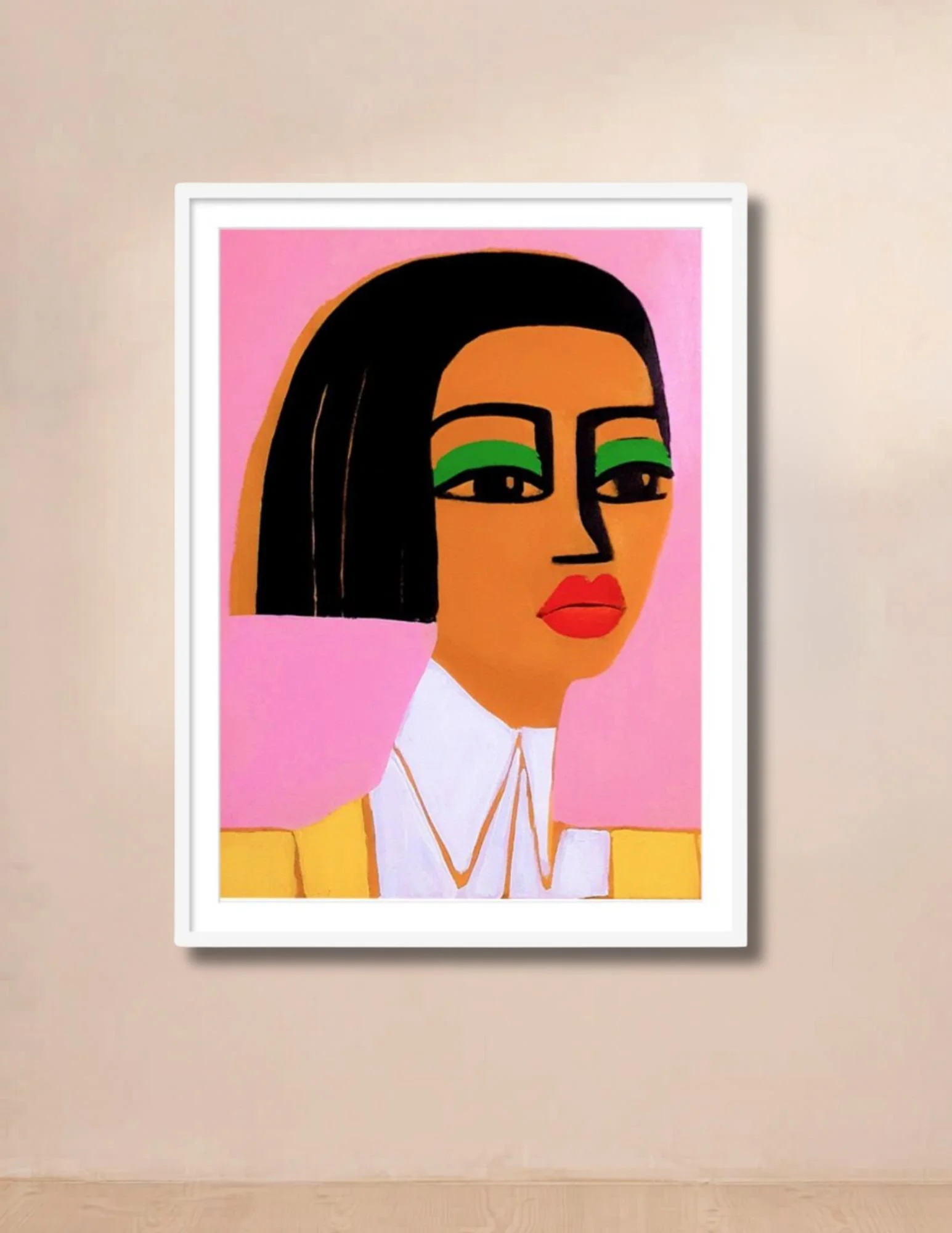
Time in Paris, 1932, a close study of the face and features of a Black woman, was created by acclaimed African American artist and Harlem Renaissance figure, Laura Wheeler Waring. Known primarily for her landscape and still life paintings, the artist, who was born in Connecticut and studied extensively in Paris before settling in Philadelphia to teach at Cheyney University, completed striking portraits of fellow contemporaries in the New Negro Movement. Among her most noted capture the images of James Weldon Johnson, Mahalia Jackson and W.E.B. Du Bois among several others. She also worked with Du Bois as an illustrator, contributing more than twenty cover and copy illustrations to his magazine, The Crisis. Contrasting her realist portraits, 10 of which reside in the collections of the Smithsonian, Wheeler was known for her impressionist creations, which frequently explored the beauty of flowers and nature. Printed on 5.57 oz smooth matte fine art paper, this work is available framed and unframed, reproduced by archivists in the United Kingdom using museum quality paper and ink, resulting in a piece that is faithful to the original.
Editors' Note
Laura Wheeler Waring was born on May 26, 1887, in Hartford, Connecticut, the fourth child of six, to Mary (née Freeman) and Reverend Robert Foster Wheeler. The American artist and educator was renowned for her realistic portraits, landscapes, still-life, and well-known African American portraitures she made of iconic figures — Marian Anderson, W.E.B. Du Bois, James Weldon Johnson, and Mary White Ovington — during the Harlem Renaissance. In 1906, Waring began teaching part-time in Philadelphia at Cheyney Training School for Teachers (later renamed Cheyney State Teachers College and now known as Cheyney University.) She taught art and music at Cheyney until 1914 when she traveled abroad to Europe. Granted a trip to Europe by the Pennsylvania Academy of Fine Arts’ William E. Cresson Memorial Scholarship, she studied at the Académie de la Grande Chaumière in Paris, France, and traveled throughout Great Britain. While living in Paris, Wheeler Waring frequented the Jardin du Luxembourg, painting Le Parc Du Luxembourg (1918), oil on canvas, based on a sketch she made during one of her recurrent visits. Wheeler Waring also spent much time in the Louvre Museum studying Monet, Manet, Corot, and Cézanne. "I thought again and again how little of the beauty of really great pictures is revealed in the reproductions which we see and how freely and with what ease the great masters paint." Forced to leave Europe at the start of WWI, she continued to work at Cheyney and did so for more than thirty years. There, she founded the school's art and music departments. In her later years at Cheyney, she was the director of the art programs. After the end of the war, Wheeler Waring returned to Paris in June 1924. Her second trip to Paris was regarded to be a turning point in her style as well as her career. Wheeler Waring described this time as the most purely art-motivated period in her life, the "only period of uninterrupted life as an artist with an environment and associates that were a constant stimulus and inspiration." For approximately four months, Wheeler Waring lived in France, absorbing French culture and lifestyle. She began to paint many portraits, and in October enrolled to study at the Académie de la Grande Chaumiére, where she studied painting. During this trip, she exhibited her work in Parisian art galleries for the first time. Upon return to the United States, Wheeler Waring was among the artists displayed in the country's first exhibition of African-American art, held in 1927 by the William E. Harmon Foundation. That same year she married her husband, public school educator, Walter Waring. She was commissioned by the Harmon Foundation to do portraits of prominent African Americans and chose some associated with the Harlem Renaissance. Her work was soon displayed in American institutions, including the Corcoran Gallery in Washington, DC, the Brooklyn Museum, and the Philadelphia Museum of Art. She currently has portraits in the Smithsonian National Portrait Gallery.
Details
Time in Paris, 1932, a close study of the face and features of a Black woman, was created by acclaimed African American artist and Harlem Renaissance figure, Laura Wheeler Waring. Known primarily for her landscape and still life paintings, the artist, who was born in Connecticut and studied extensively in Paris before settling in Philadelphia to teach at Cheyney University, completed striking portraits of fellow contemporaries in the New Negro Movement. Among her most noted capture the images of James Weldon Johnson, Mahalia Jackson and W.E.B. Du Bois among several others. She also worked with Du Bois as an illustrator, contributing more than twenty cover and copy illustrations to his magazine, The Crisis. Contrasting her realist portraits, 10 of which reside in the collections of the Smithsonian, Wheeler was known for her impressionist creations, which frequently explored the beauty of flowers and nature. Printed on 5.57 oz smooth matte fine art paper, this work is available framed and unframed, reproduced by archivists in the United Kingdom using museum quality paper and ink, resulting in a piece that is faithful to the original.
Editors' Note
Laura Wheeler Waring was born on May 26, 1887, in Hartford, Connecticut, the fourth child of six, to Mary (née Freeman) and Reverend Robert Foster Wheeler. The American artist and educator was renowned for her realistic portraits, landscapes, still-life, and well-known African American portraitures she made of iconic figures — Marian Anderson, W.E.B. Du Bois, James Weldon Johnson, and Mary White Ovington — during the Harlem Renaissance. In 1906, Waring began teaching part-time in Philadelphia at Cheyney Training School for Teachers (later renamed Cheyney State Teachers College and now known as Cheyney University.) She taught art and music at Cheyney until 1914 when she traveled abroad to Europe. Granted a trip to Europe by the Pennsylvania Academy of Fine Arts’ William E. Cresson Memorial Scholarship, she studied at the Académie de la Grande Chaumière in Paris, France, and traveled throughout Great Britain. While living in Paris, Wheeler Waring frequented the Jardin du Luxembourg, painting Le Parc Du Luxembourg (1918), oil on canvas, based on a sketch she made during one of her recurrent visits. Wheeler Waring also spent much time in the Louvre Museum studying Monet, Manet, Corot, and Cézanne. "I thought again and again how little of the beauty of really great pictures is revealed in the reproductions which we see and how freely and with what ease the great masters paint." Forced to leave Europe at the start of WWI, she continued to work at Cheyney and did so for more than thirty years. There, she founded the school's art and music departments. In her later years at Cheyney, she was the director of the art programs. After the end of the war, Wheeler Waring returned to Paris in June 1924. Her second trip to Paris was regarded to be a turning point in her style as well as her career. Wheeler Waring described this time as the most purely art-motivated period in her life, the "only period of uninterrupted life as an artist with an environment and associates that were a constant stimulus and inspiration." For approximately four months, Wheeler Waring lived in France, absorbing French culture and lifestyle. She began to paint many portraits, and in October enrolled to study at the Académie de la Grande Chaumiére, where she studied painting. During this trip, she exhibited her work in Parisian art galleries for the first time. Upon return to the United States, Wheeler Waring was among the artists displayed in the country's first exhibition of African-American art, held in 1927 by the William E. Harmon Foundation. That same year she married her husband, public school educator, Walter Waring. She was commissioned by the Harmon Foundation to do portraits of prominent African Americans and chose some associated with the Harlem Renaissance. Her work was soon displayed in American institutions, including the Corcoran Gallery in Washington, DC, the Brooklyn Museum, and the Philadelphia Museum of Art. She currently has portraits in the Smithsonian National Portrait Gallery.

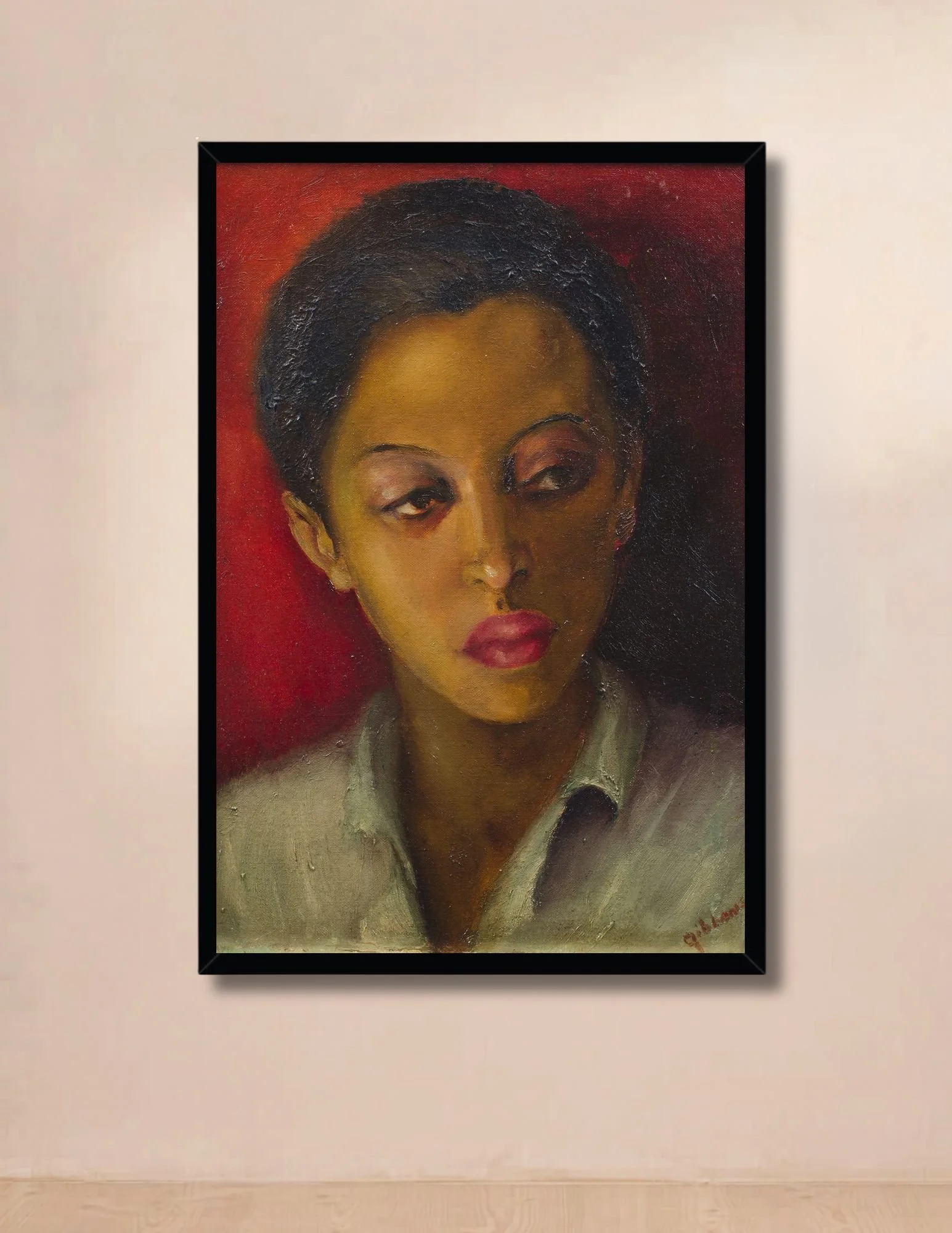 Image 1 of 3
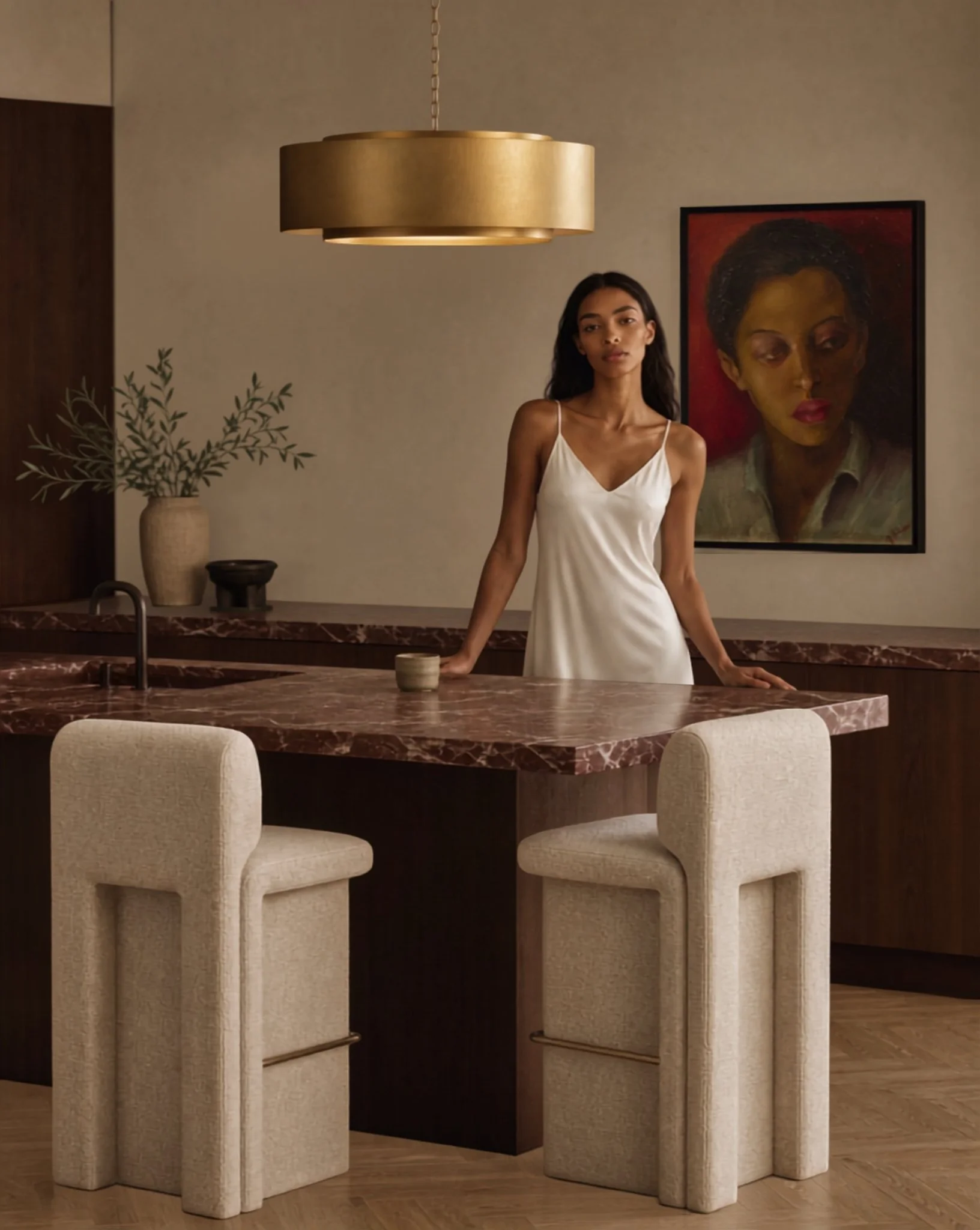 Image 2 of 3
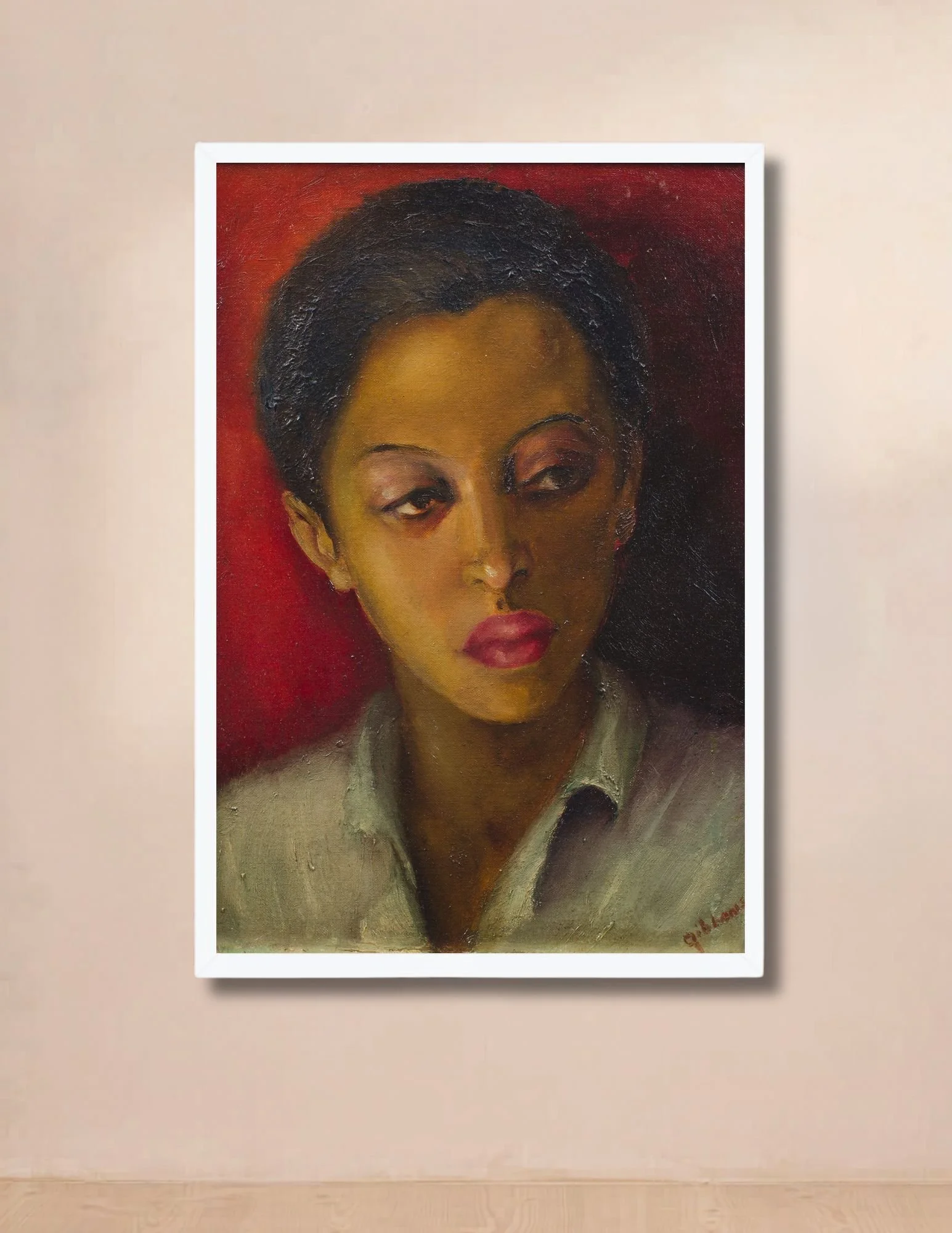 Image 3 of 3