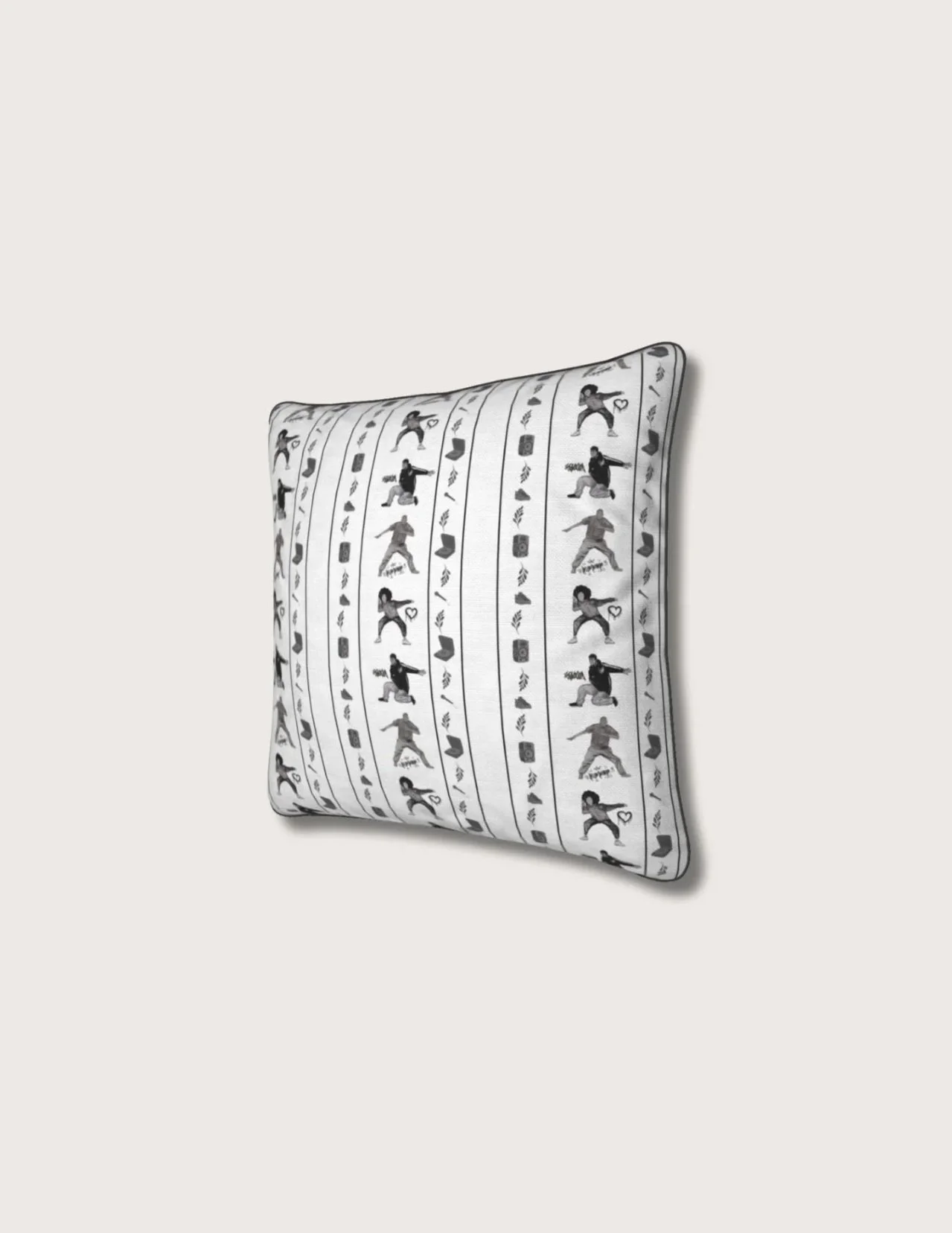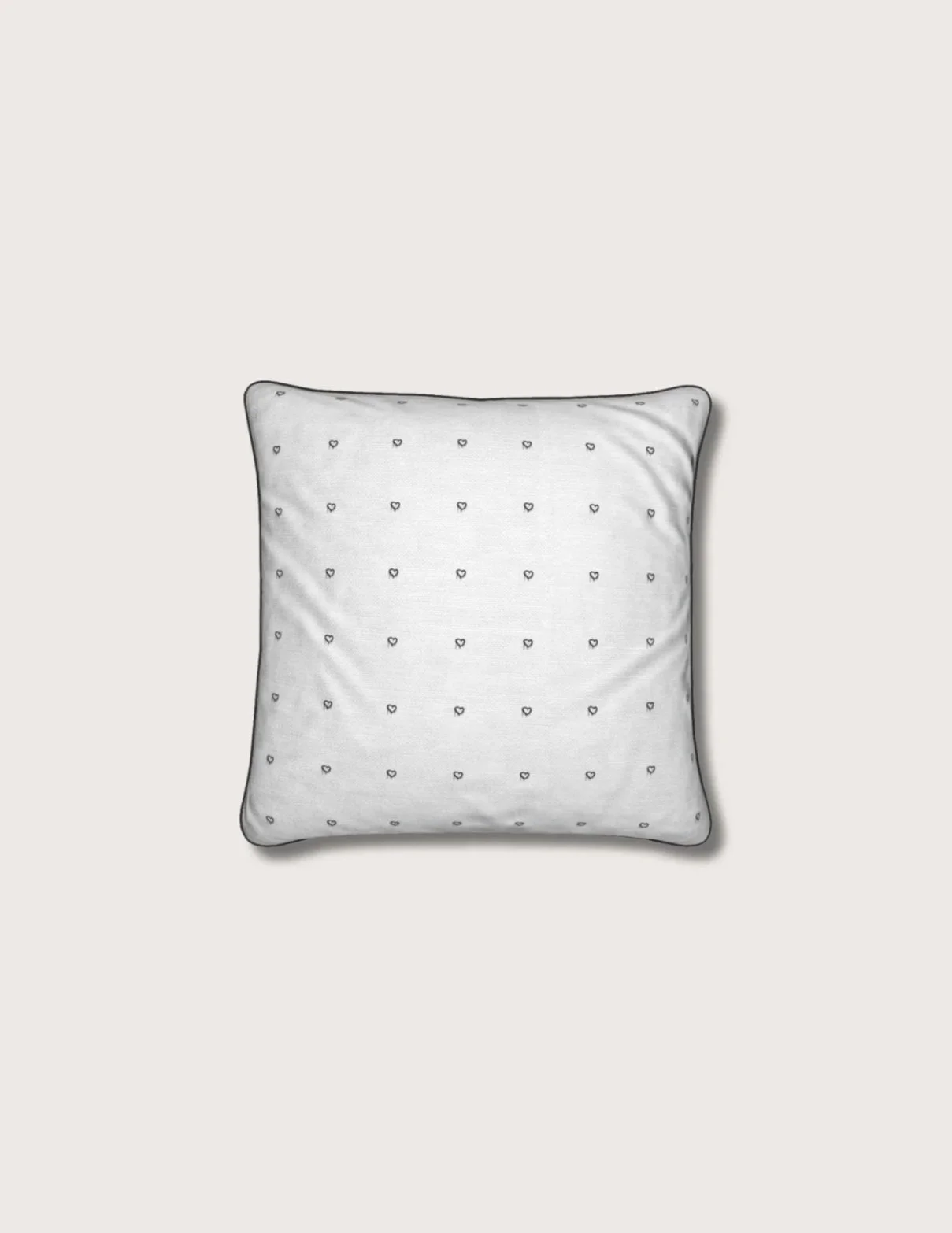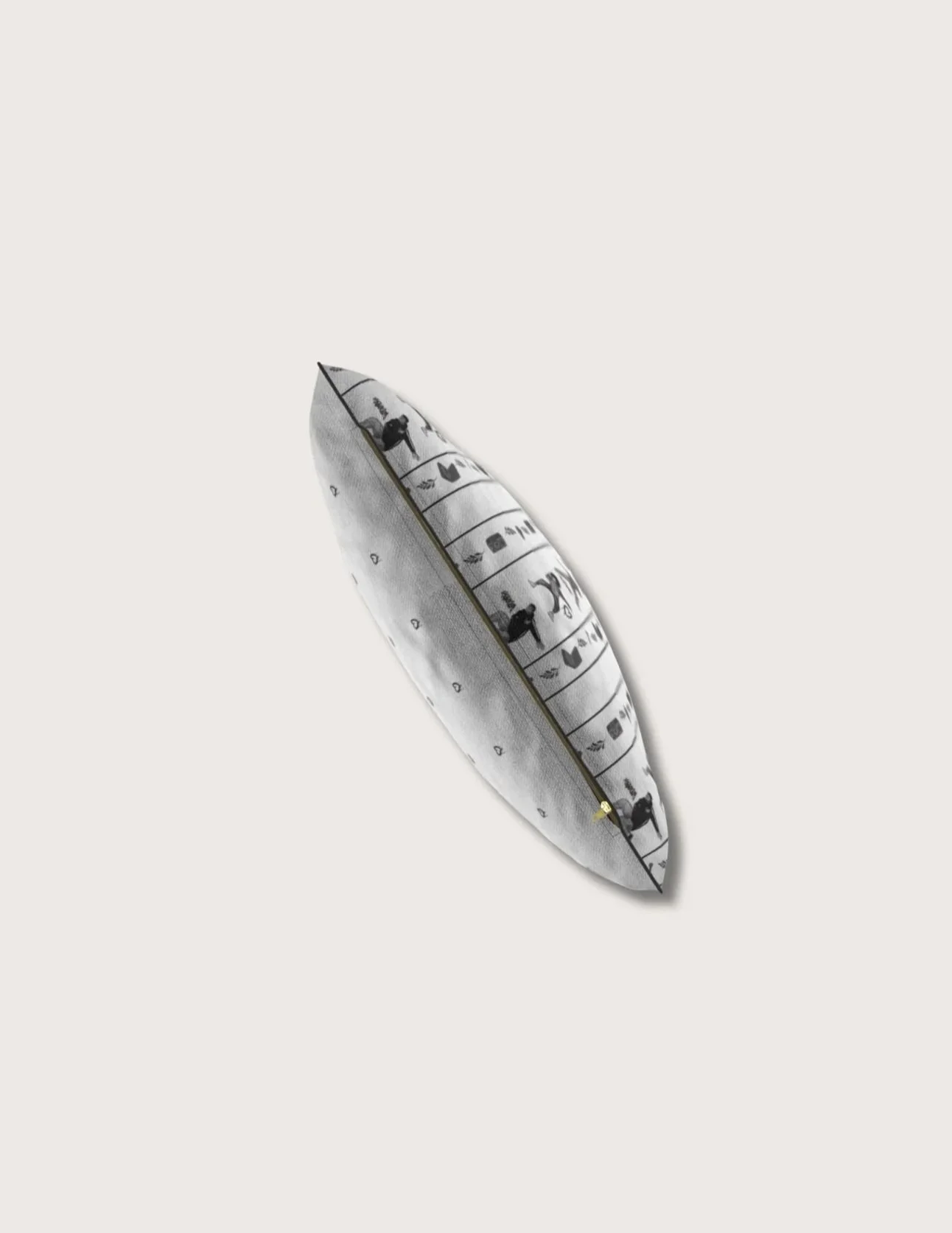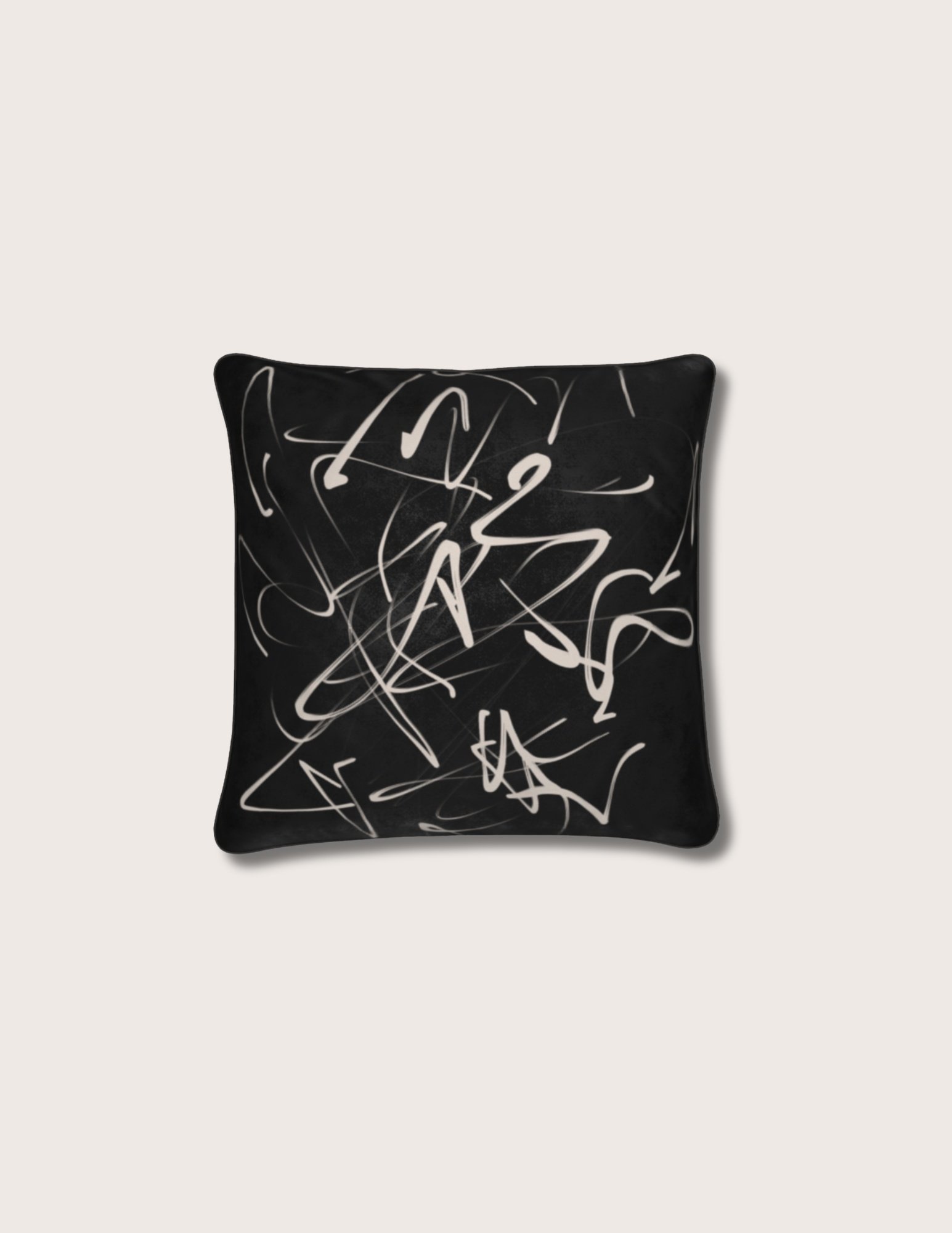
Tagged Oat Pillow

from $288.00
Material:

Details

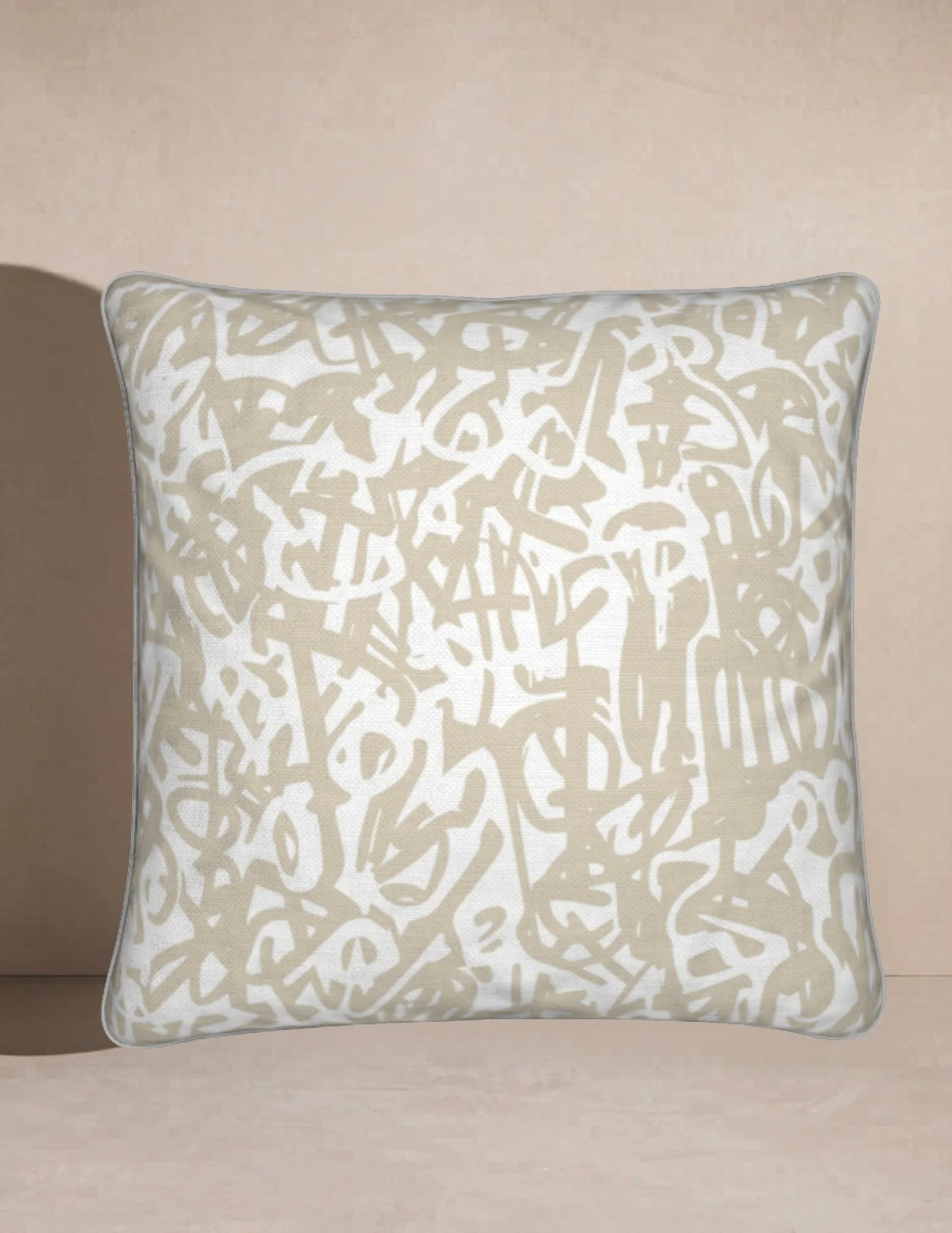
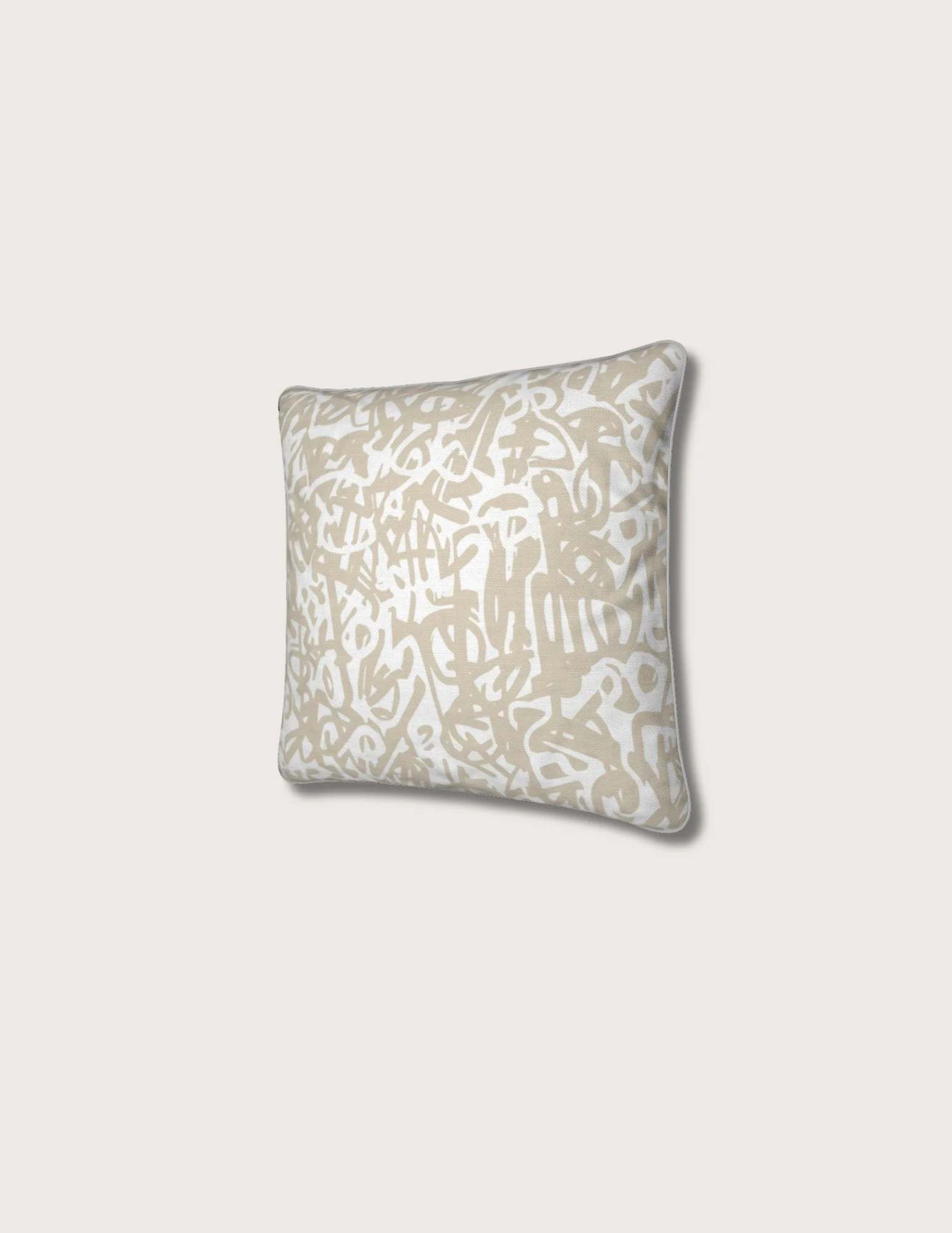
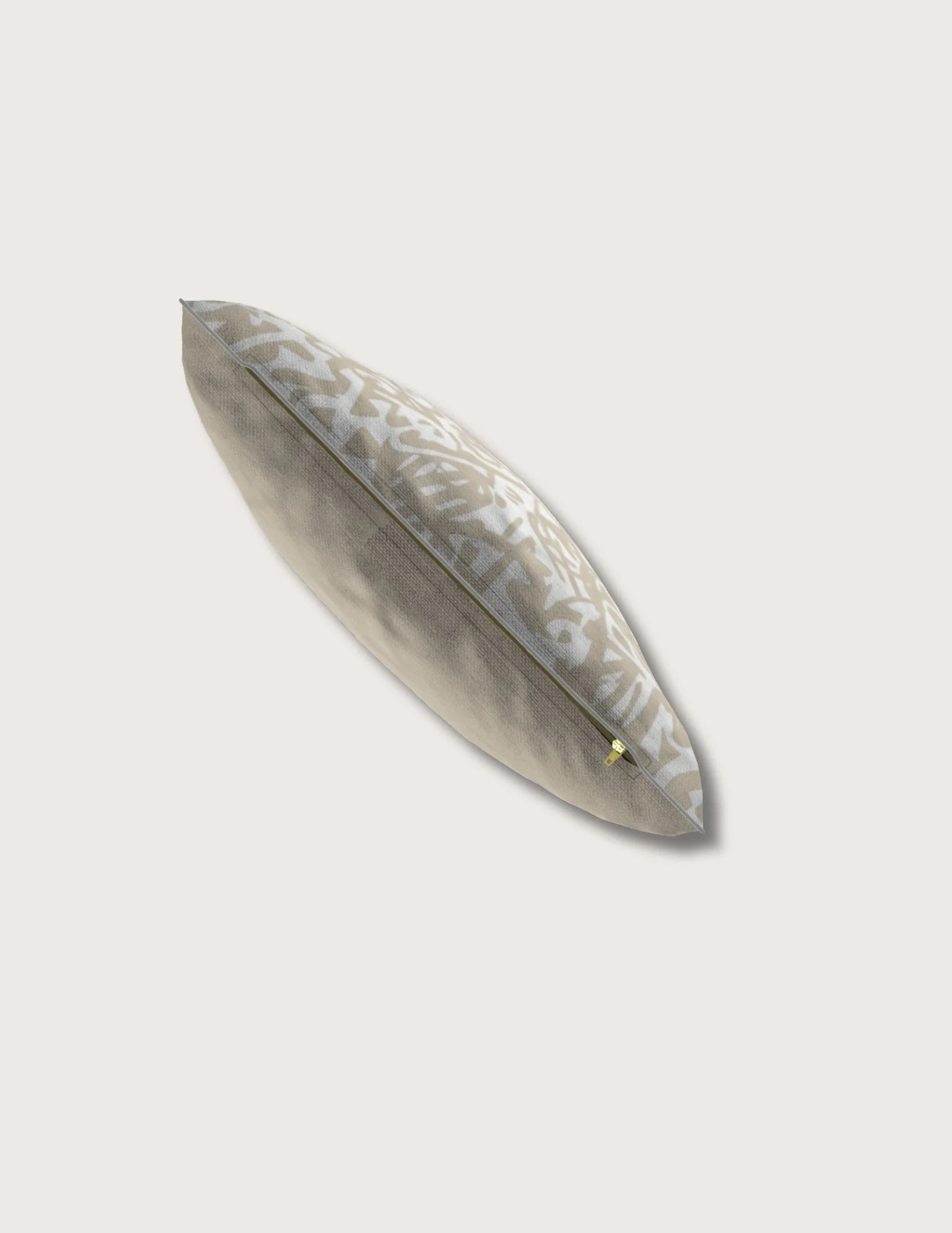
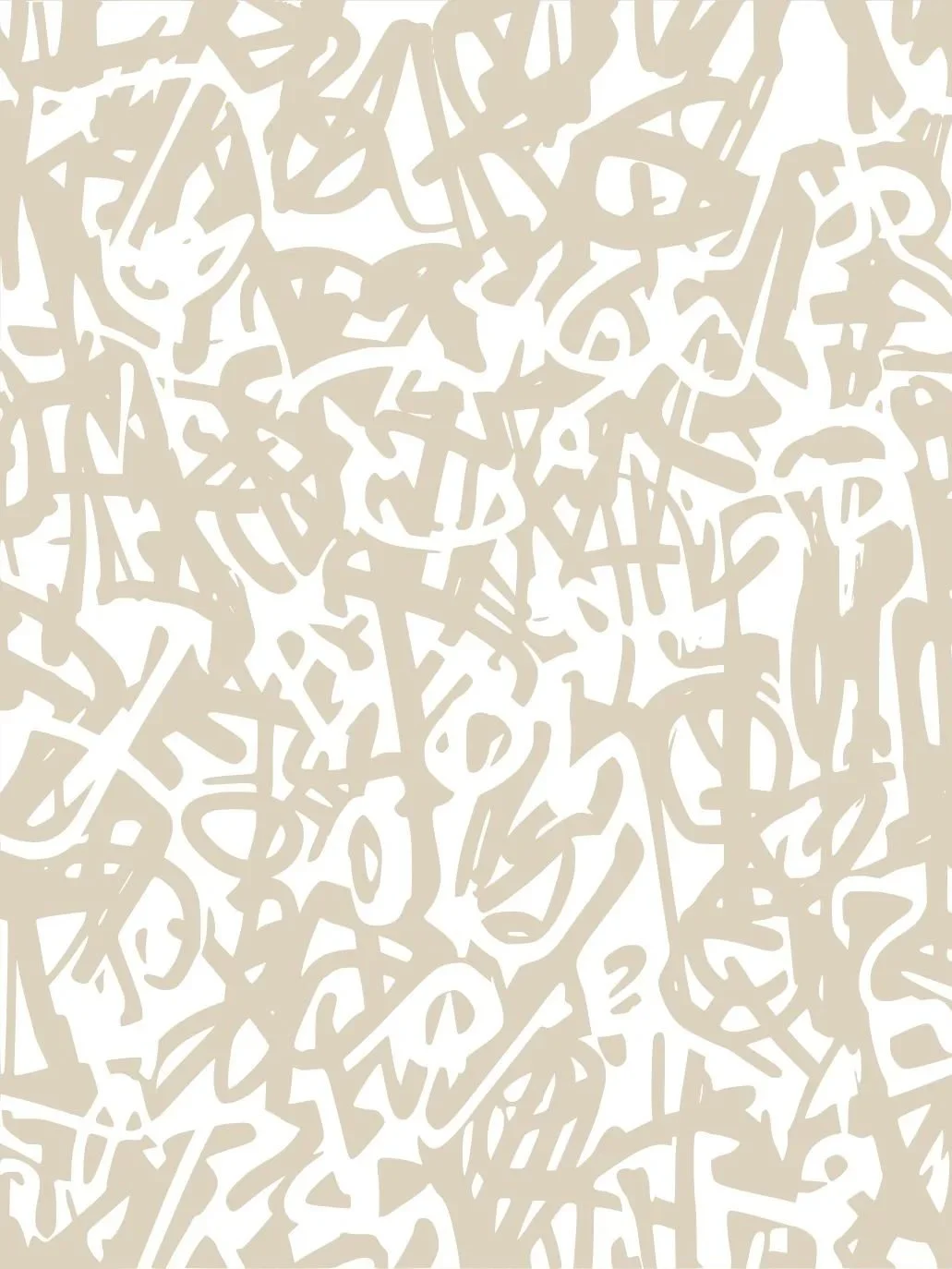
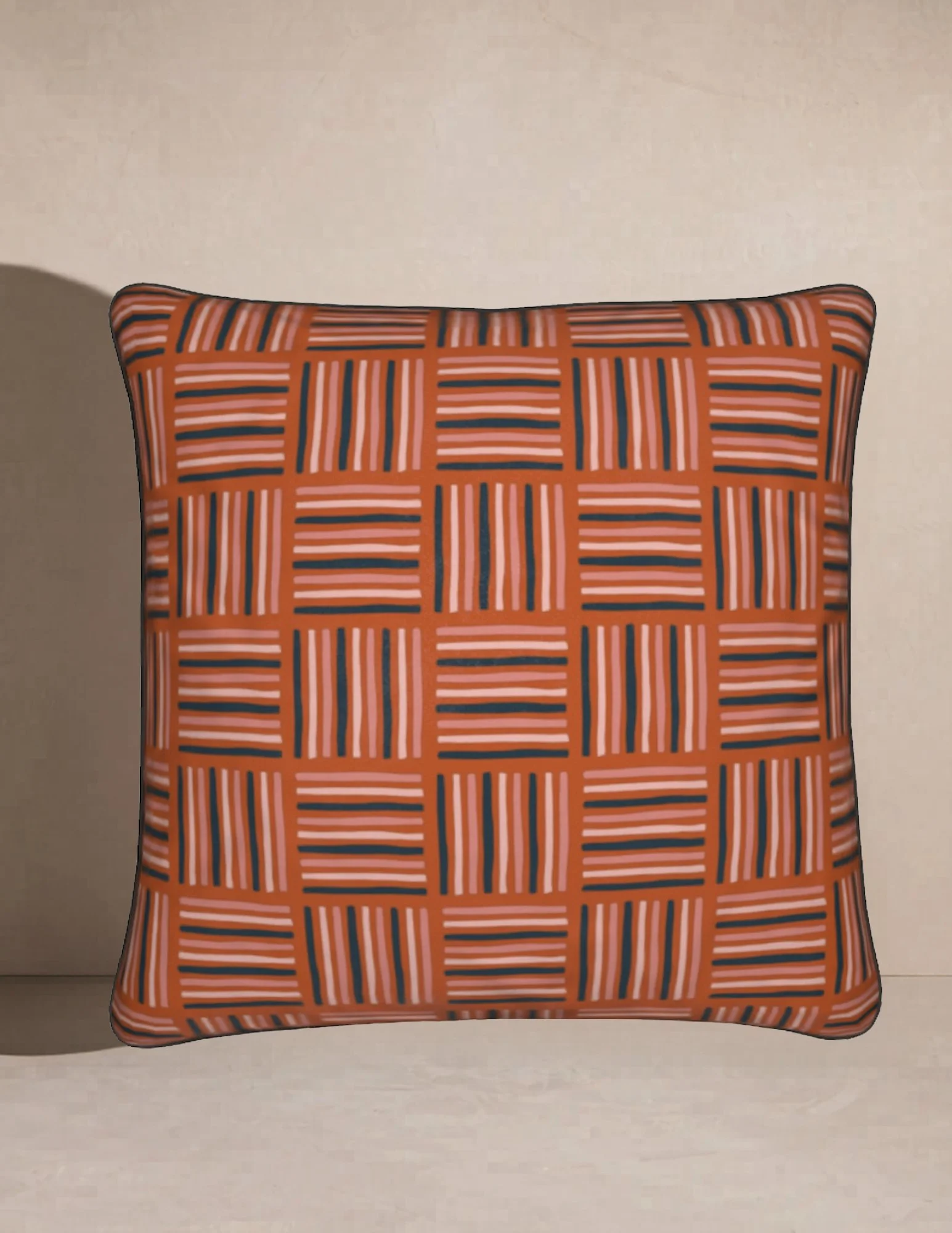
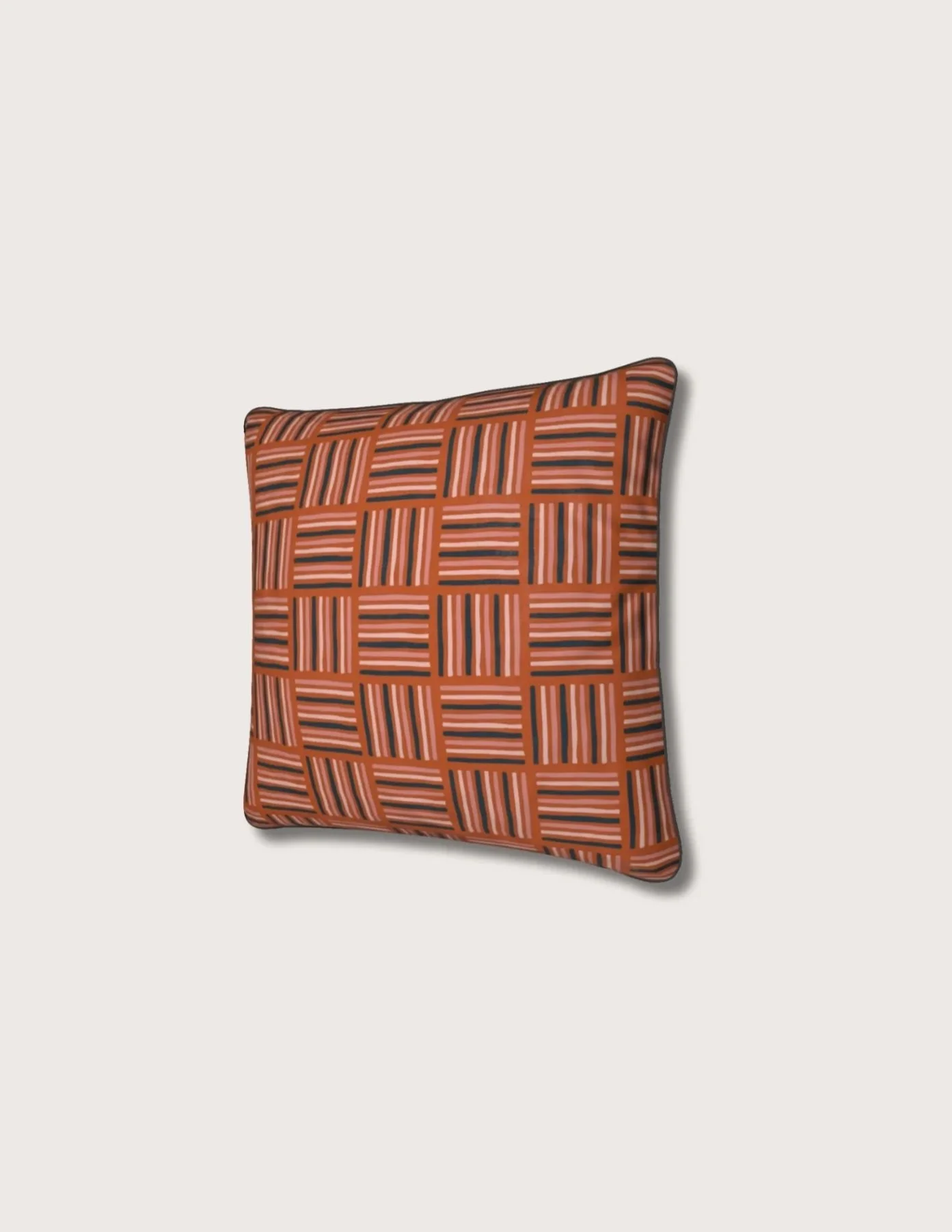
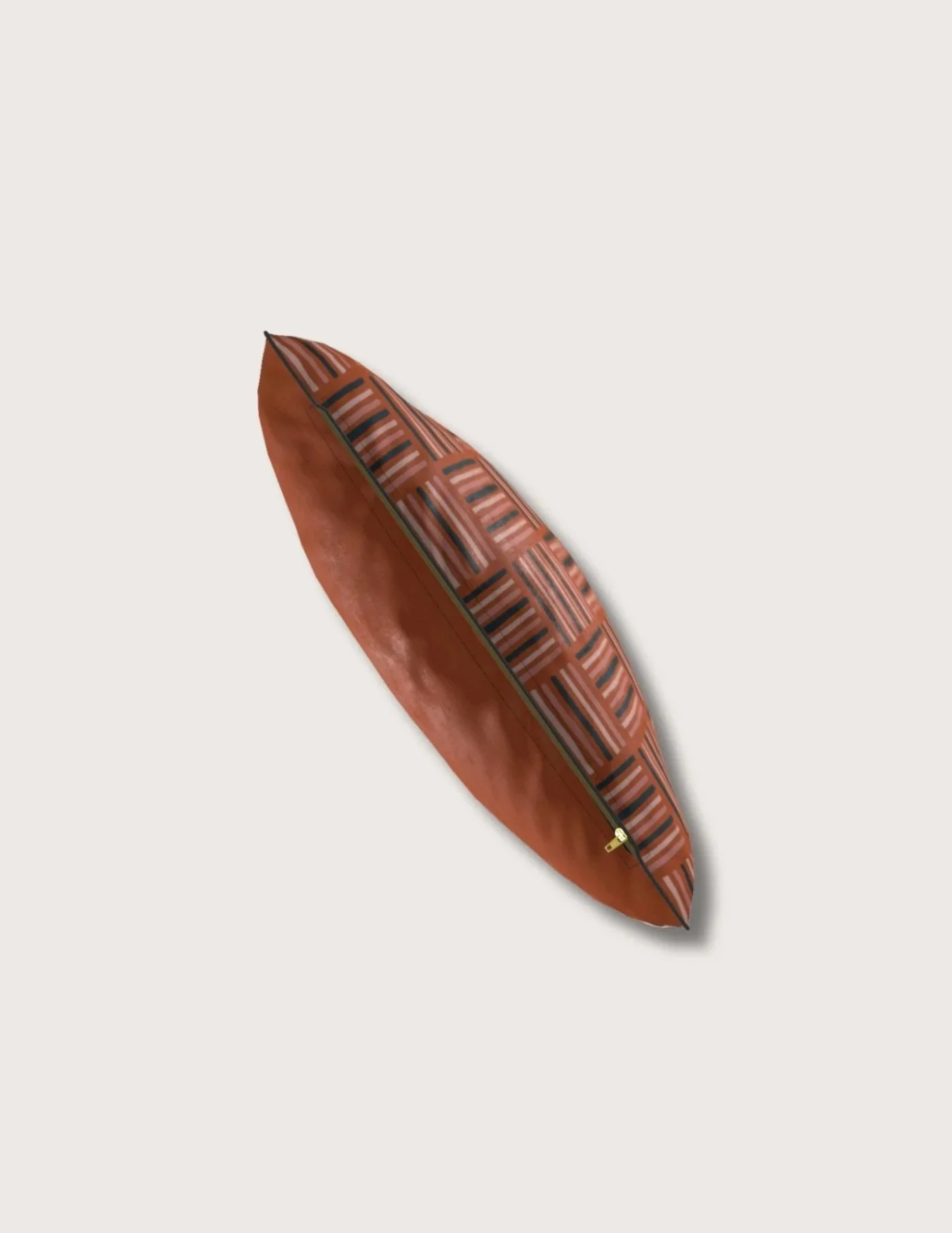
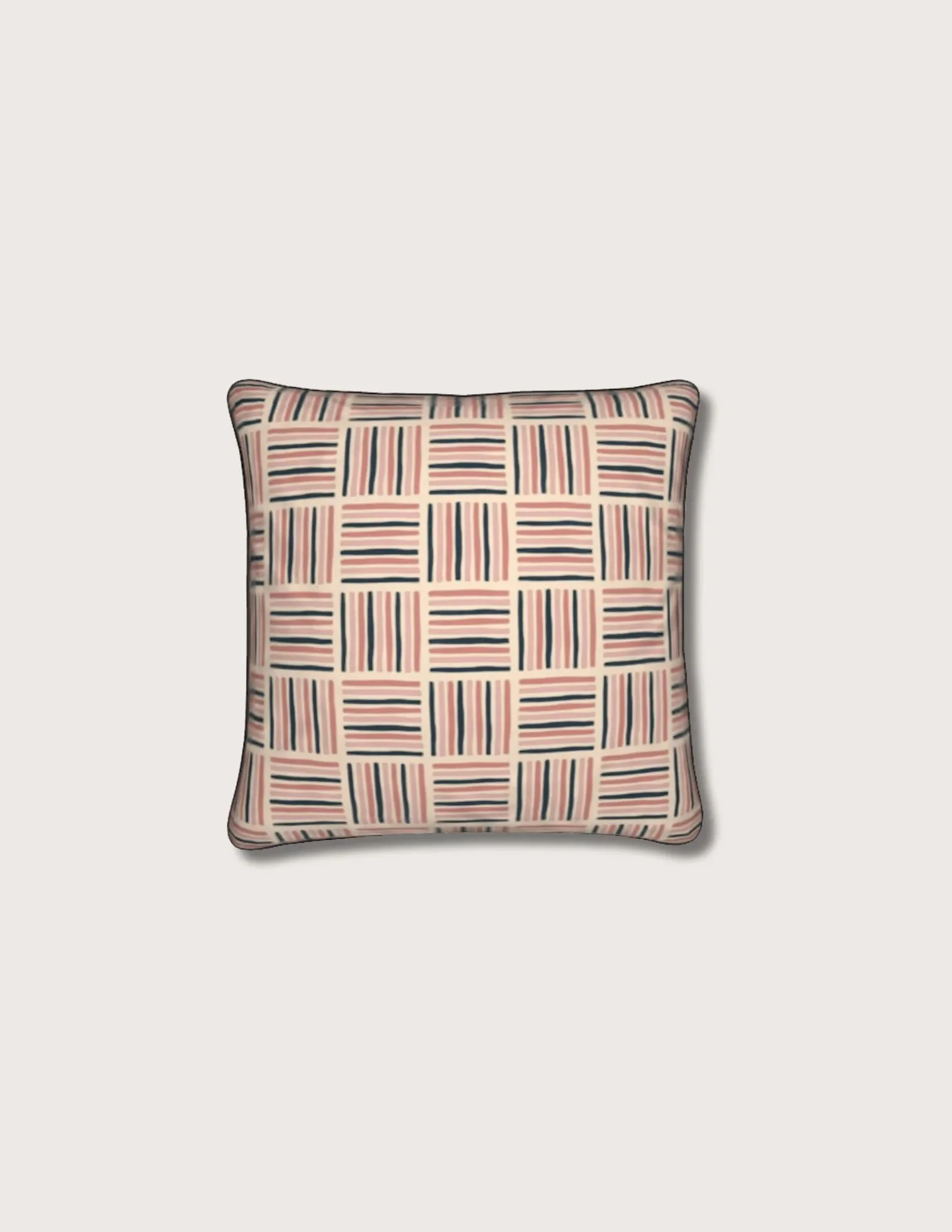
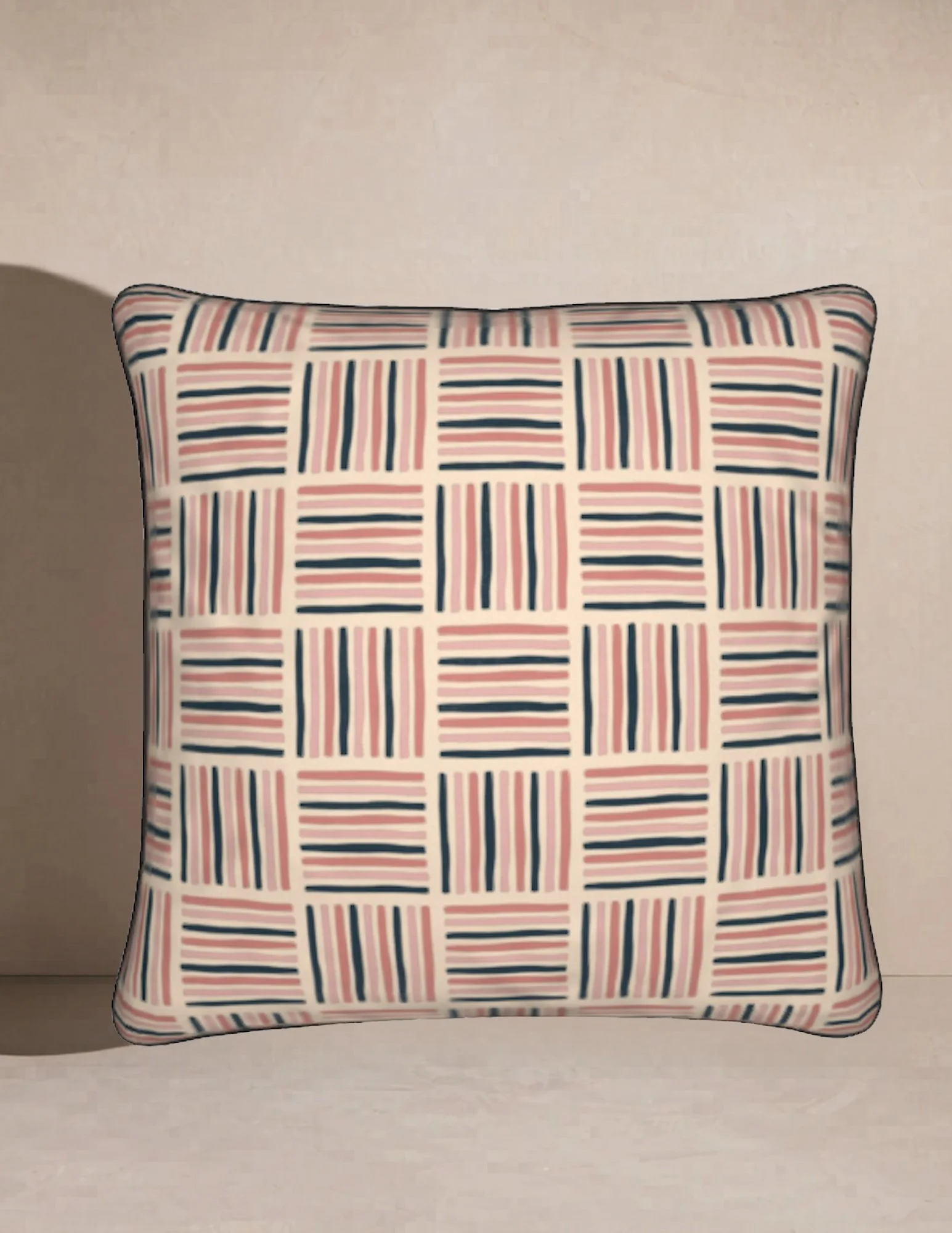
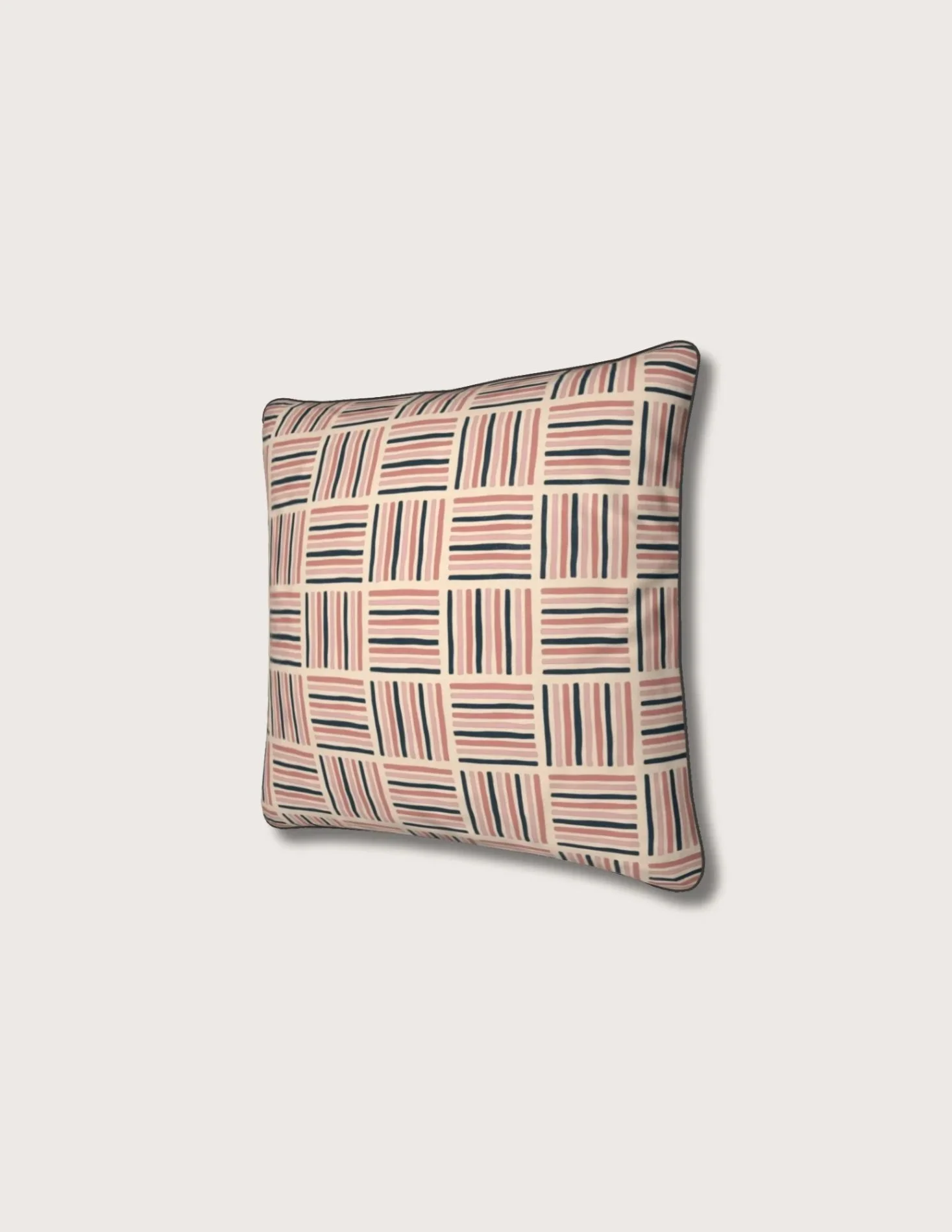
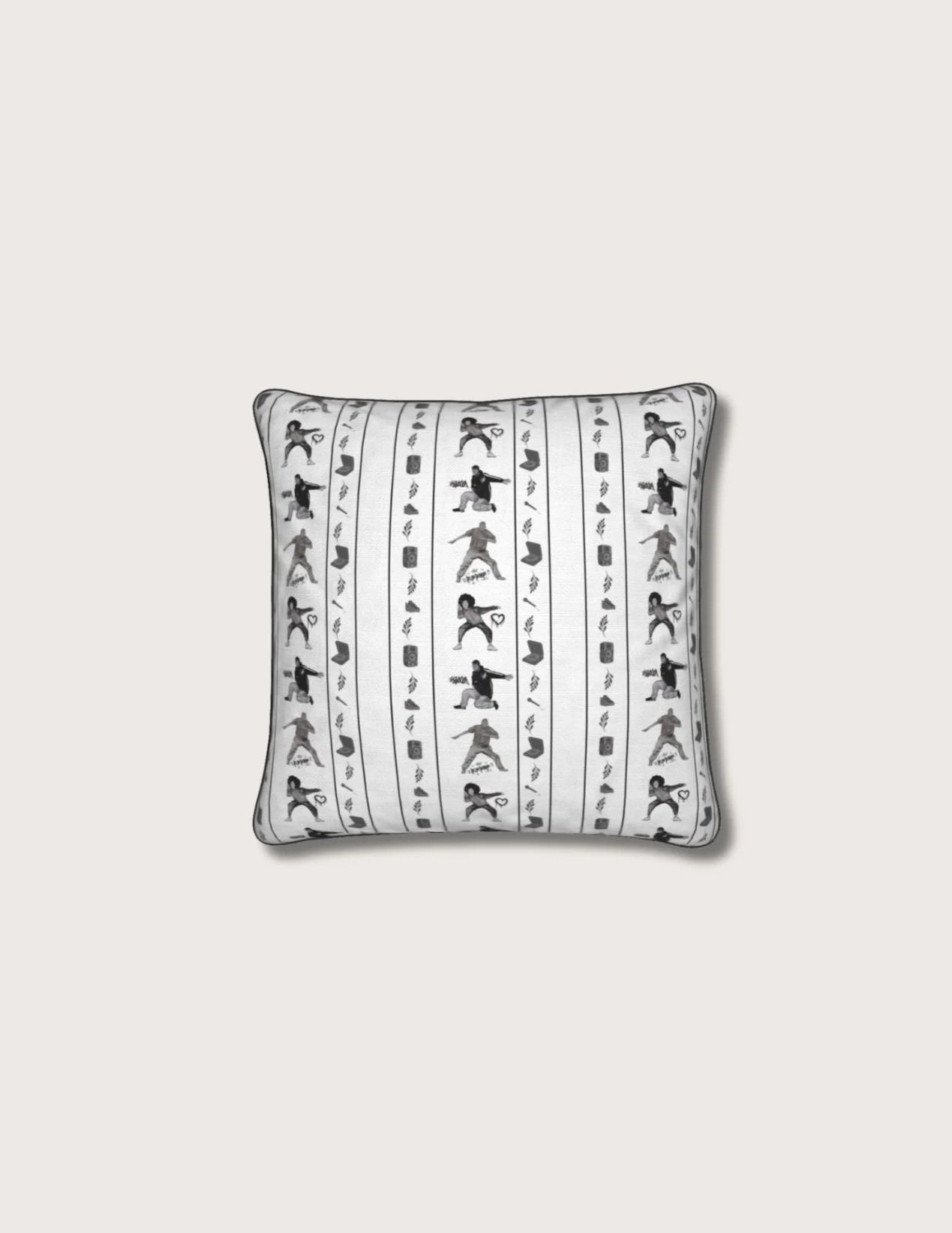
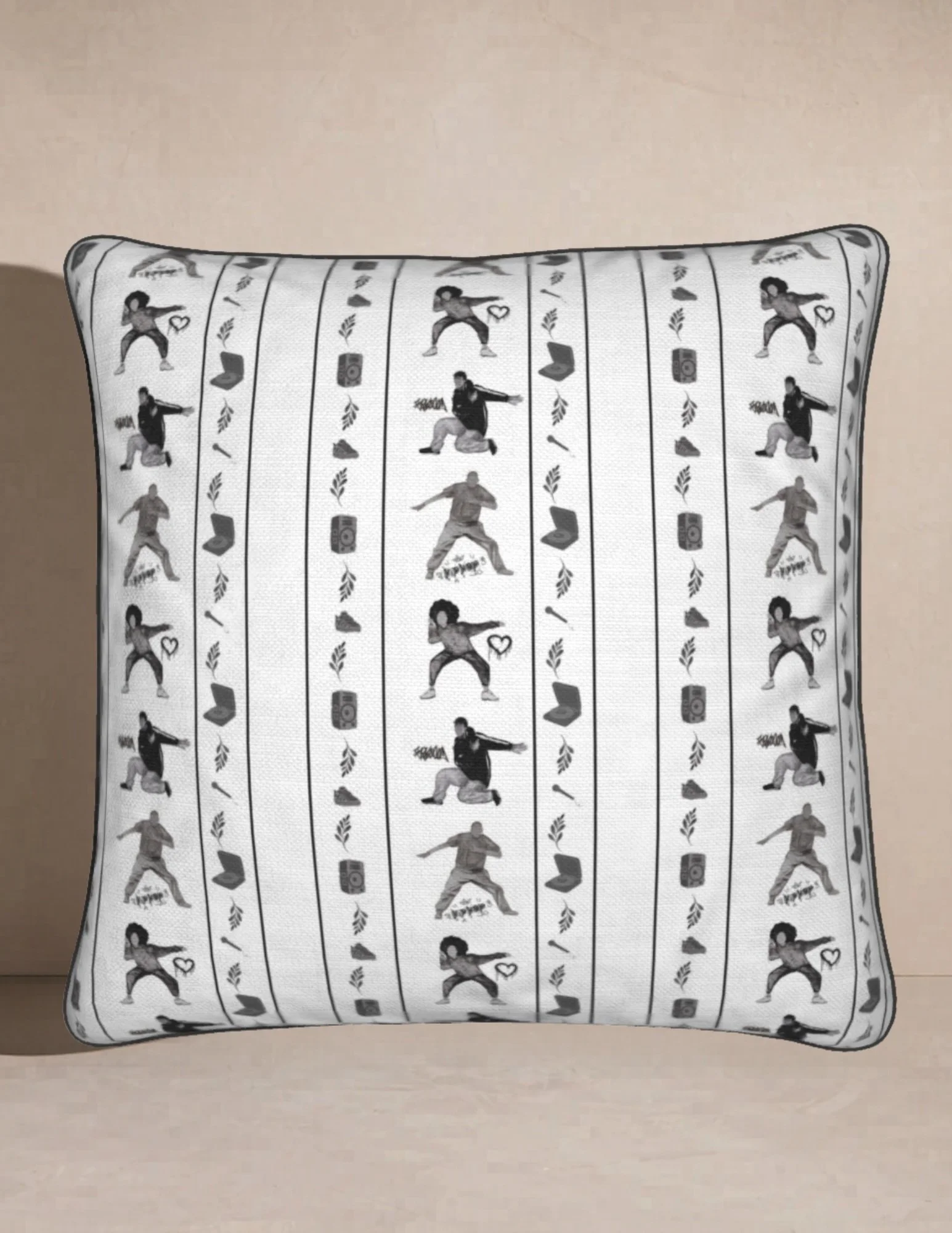
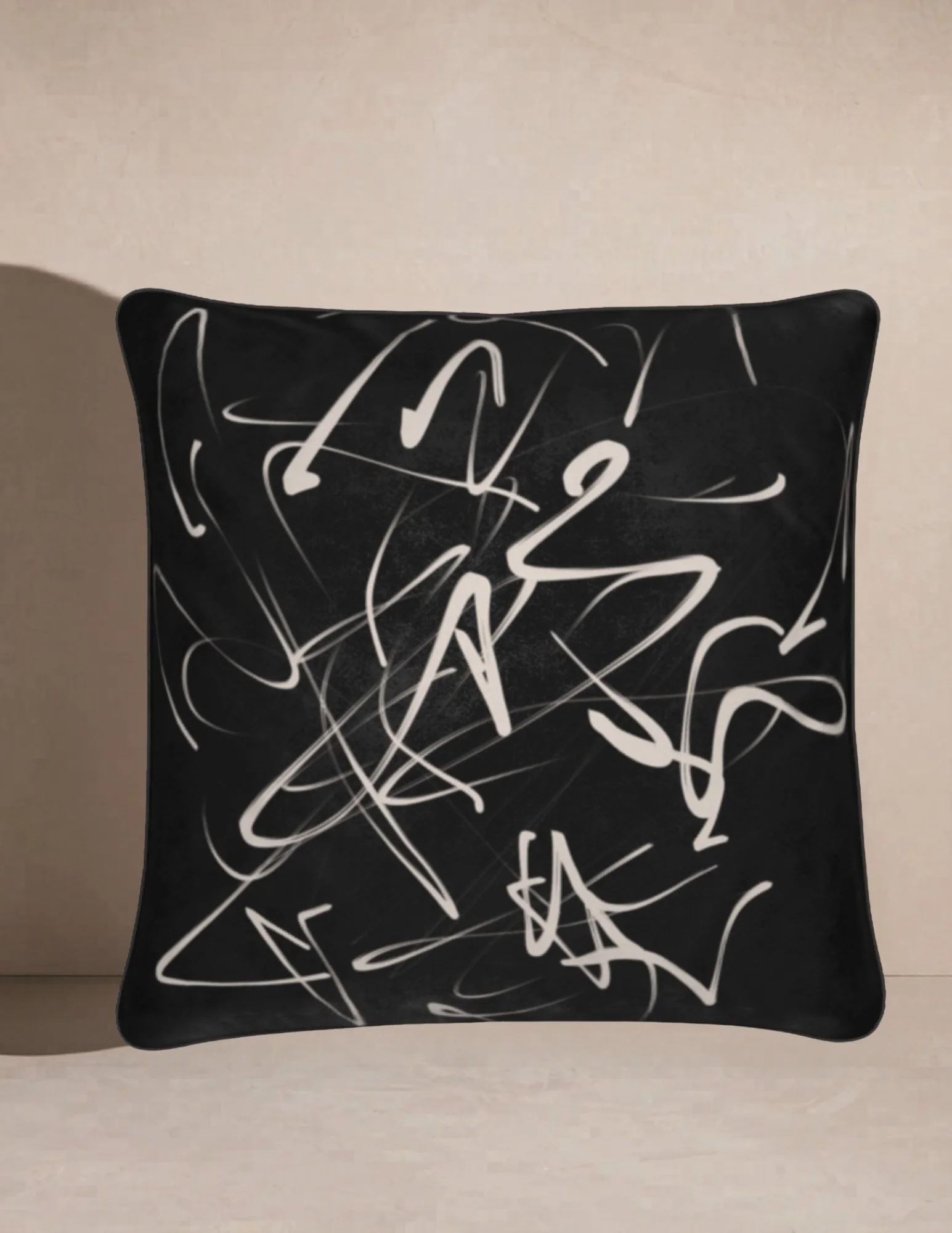
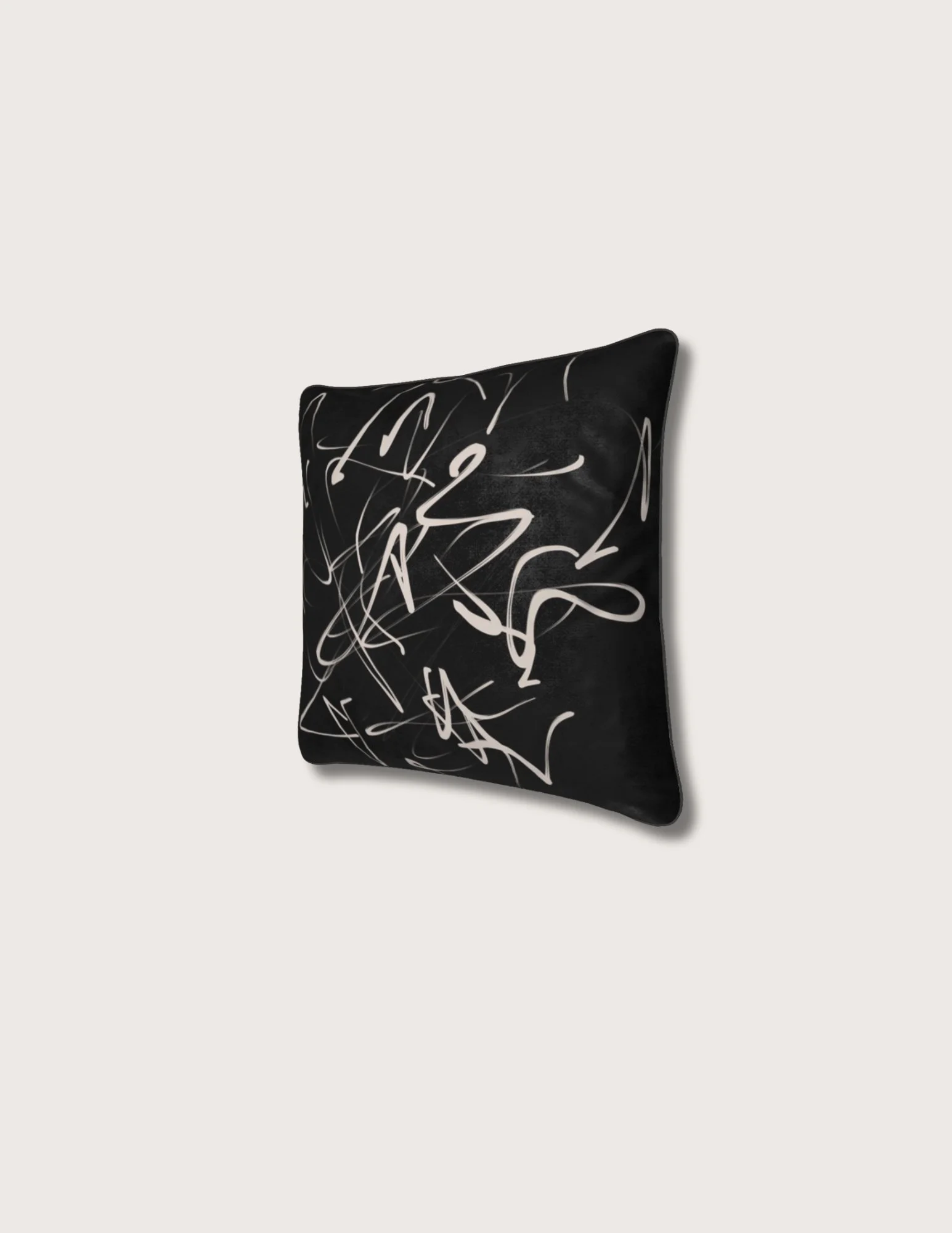
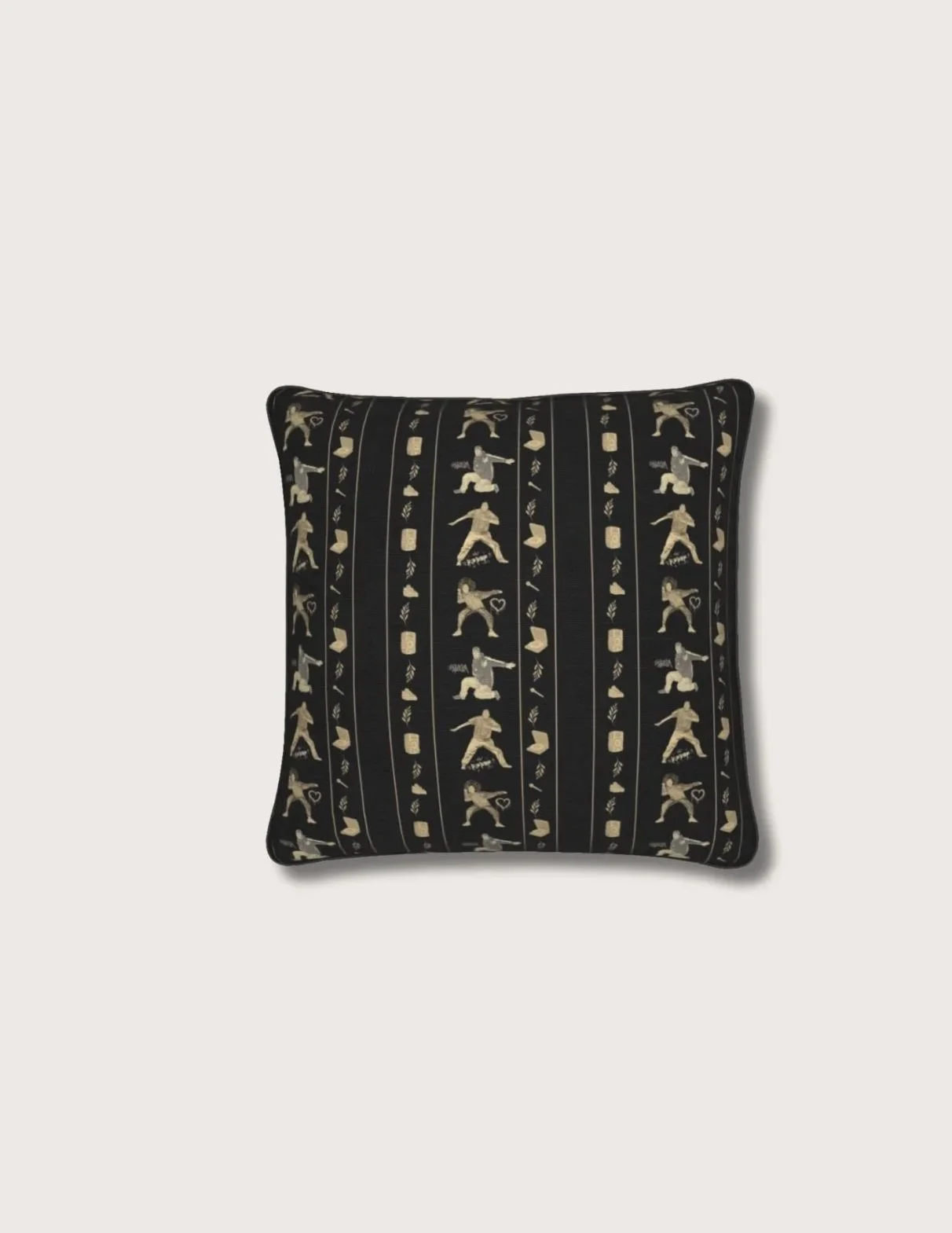
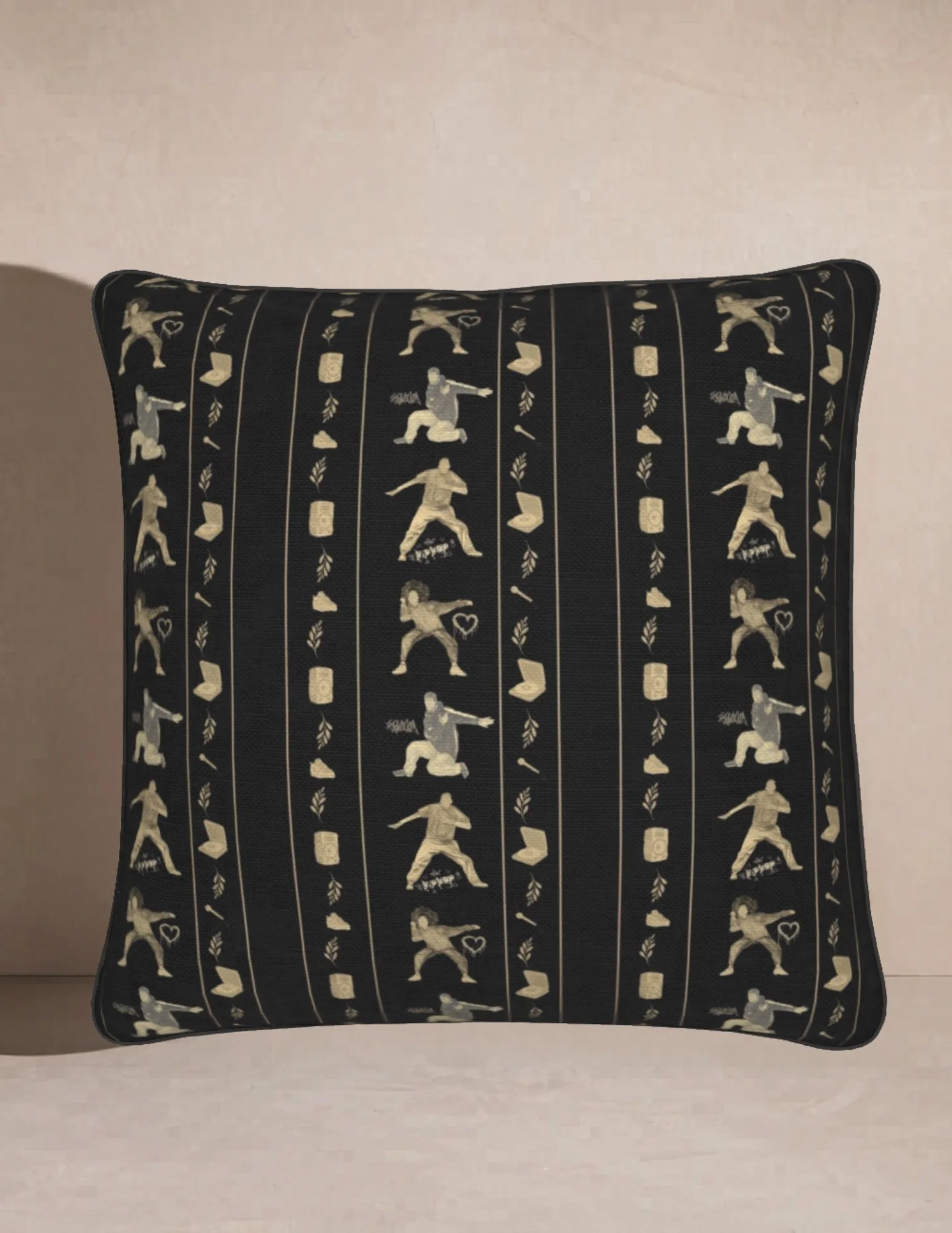
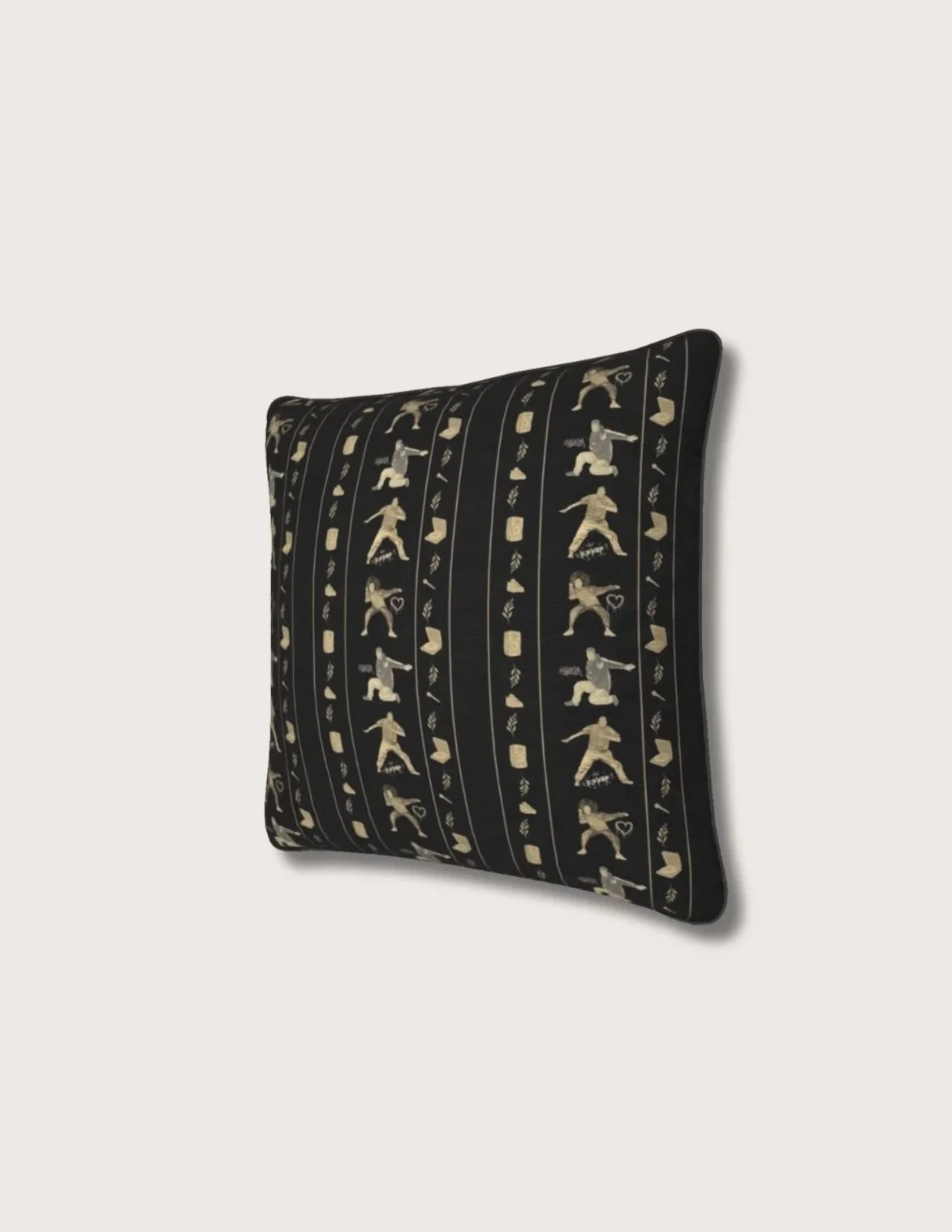
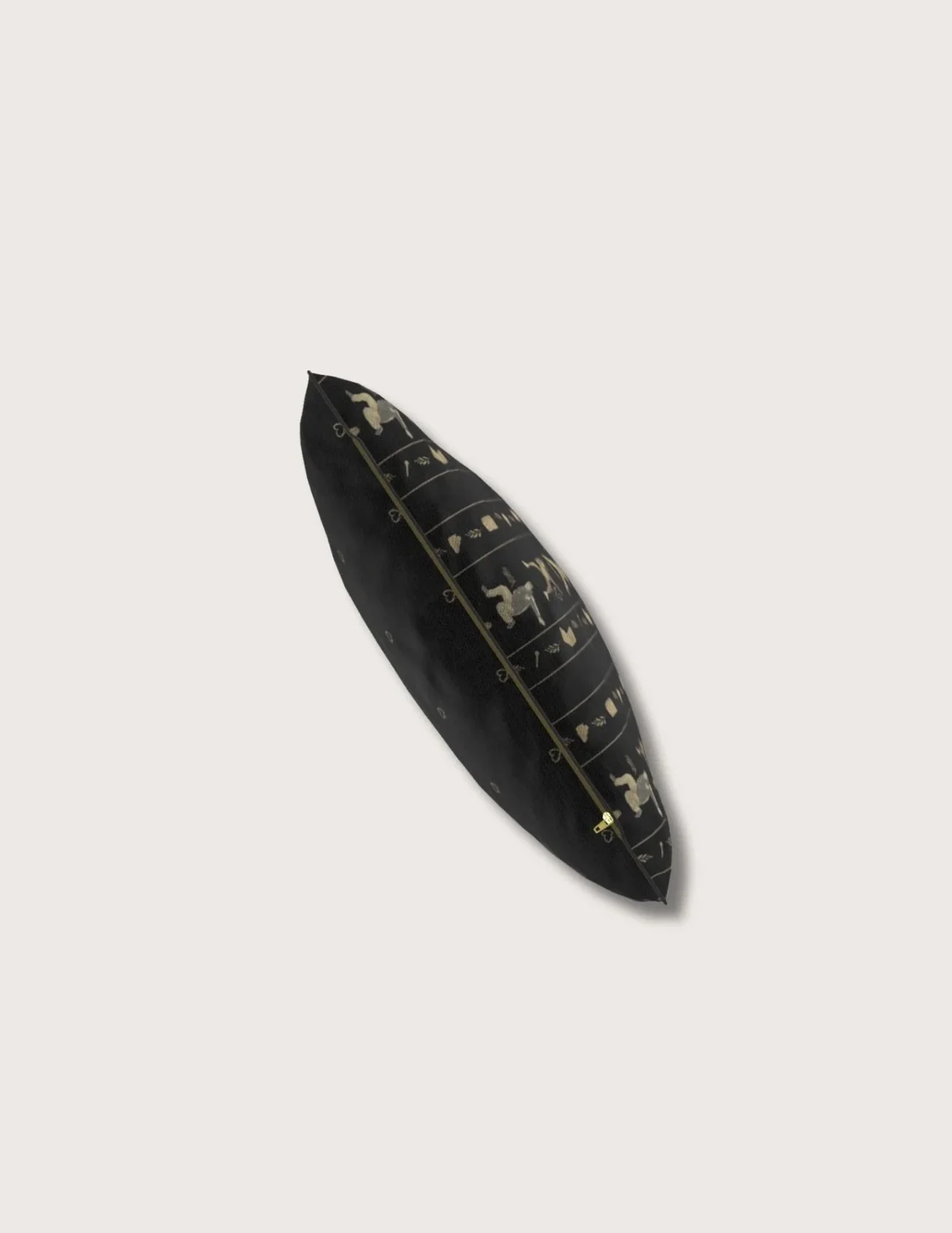
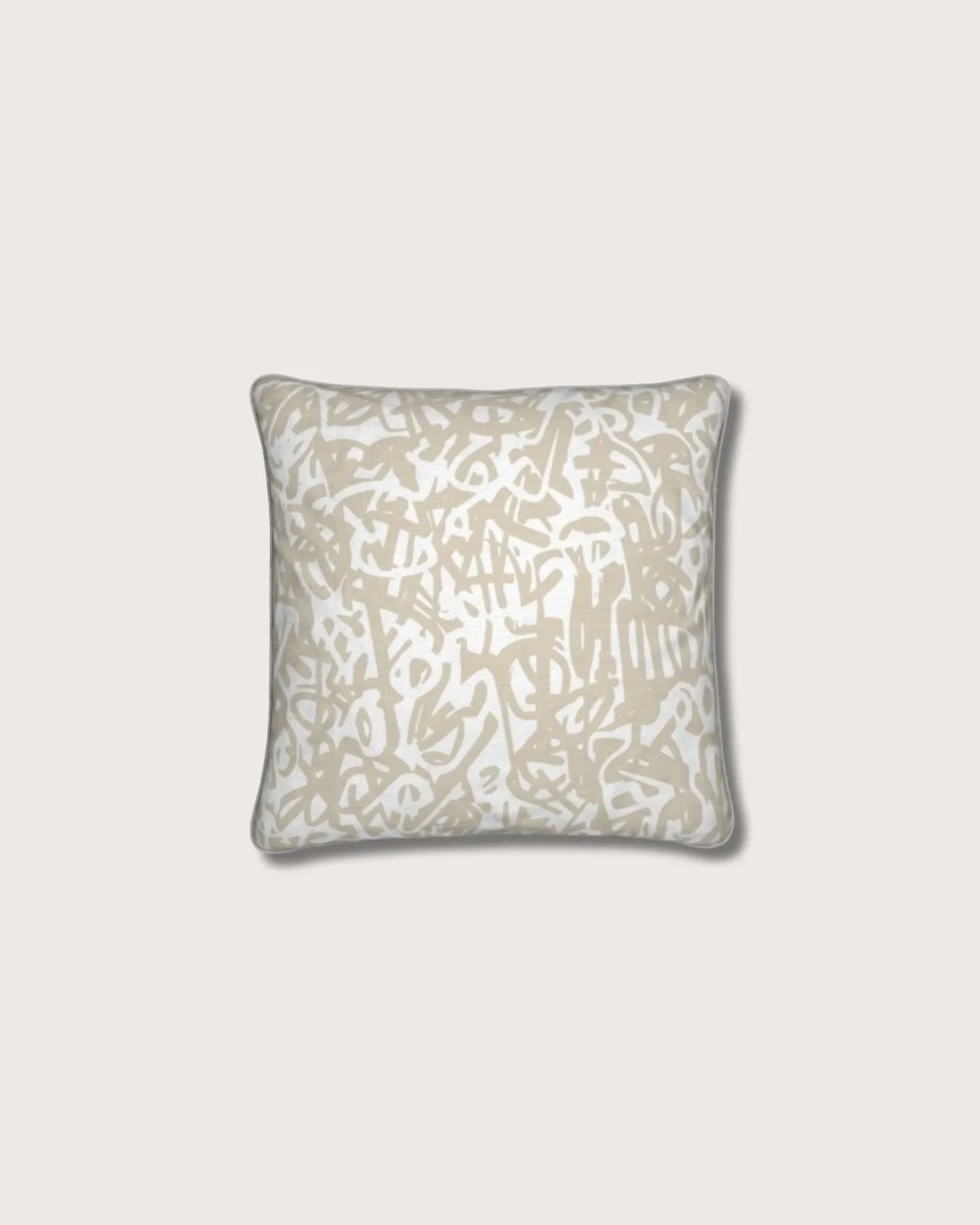
The Tagged Oat Pillow brings the ancient past and the present day together beautifully, adding new layers to the aesthetic of your home. Sustainably woven and printed, featuring a luxe duck feather insert, it’s body-hugging comfort is exactly what you need at the end of a long day or the start of a lazy one. Finished with sophisticated touches like its colorful piping and a custom gold zipper, it’s a magazine-worthy addition to any room. Its mesmerizing, abstract pattern, comparing modern graffiti tags to the script of ancient scribes, is an absolute eye-catcher. Paired with a soothing earth tone in cotton-linen or sumptuous velvet, the Tagged Oat Pillow is the perfect finishing touch for your favorite room. Available in cotton-linen, soft velvet, or in our outdoor eco weave fabric.

Editors' Note

The Tagged Collection is an homage to one of the most important elements of graffiti, the “tags” artists use to sign their work. As one of the five pillars of Hip-Hop — DJing (Aural), MCing / Rap (Oral), Dance / Breaking (Physical), Graffiti (Visual) and Knowledge (Mental) —set down in the 70s by the pioneering DJ, producer, MC and electronic musician, Afrika Bambaataa, graffiti is one of the most important aspects of a cultural perspective that has shaped the world for more than fifty years. Where DJing is known to have its roots in the house parties of New York’s South Bronx, tagging, and by extension graffiti began in Philadelphia. Though the act of writing names on walls and public edifices has been common around the world for nearly all of human history, Philadelphia’s taggers of the 60s and 70s introduced several new innovations, including the use of spray paint, the massive scale of the writing, and a competitive drive, both in the artistry of the work and the difficulty and danger of the locations in which it was placed. Graffiti exploded when it hit New York in 1970, kicking off a “Golden Age,” said to have lasted until 1978, which saw the development of the classic “bubble letters,” and cartoon-style that became synonymous with the genre for many years. Like the rest of Hip-Hop culture, graffiti was an expression created mostly by poor Black and Latino youth, and as such was rapidly criminalized and persecuted. Much like groups of breakdancers being chased out of public venues in the 80s or the demonization of Hip-Hop as it dominated the radio waves in the 90s, graffiti was quickly deemed “public defacement,” especially as New York’s subway trains were established as the favorite canvas of its more ambitious artists. By 1978, crackdowns by the city had brought the golden age to an end. But today graffiti is recognized as a worldwide art form. While the global cache of the genre has done little to improve the lots of the communities that created it, graffiti, like nearly every other pillar of Hip-Hop, has been embraced by the world, and in the process lost to the communities that, in some cases, still produce it, but no longer control it or benefit from its success. But for those who want it, graffiti and tags, like DJing, Breakdancing and Rap, can still be still a gateway to the layers of meaning and ultimately Knowledge, that was the goal of Hip-Hop from its beginning.

Details

The Tagged Oat Pillow brings the ancient past and the present day together beautifully, adding new layers to the aesthetic of your home. Sustainably woven and printed, featuring a luxe duck feather insert, it’s body-hugging comfort is exactly what you need at the end of a long day or the start of a lazy one. Finished with sophisticated touches like its colorful piping and a custom gold zipper, it’s a magazine-worthy addition to any room. Its mesmerizing, abstract pattern, comparing modern graffiti tags to the script of ancient scribes, is an absolute eye-catcher. Paired with a soothing earth tone in cotton-linen or sumptuous velvet, the Tagged Oat Pillow is the perfect finishing touch for your favorite room. Available in cotton-linen, soft velvet, or in our outdoor eco weave fabric.

Editors' Note

The Tagged Collection is an homage to one of the most important elements of graffiti, the “tags” artists use to sign their work. As one of the five pillars of Hip-Hop — DJing (Aural), MCing / Rap (Oral), Dance / Breaking (Physical), Graffiti (Visual) and Knowledge (Mental) —set down in the 70s by the pioneering DJ, producer, MC and electronic musician, Afrika Bambaataa, graffiti is one of the most important aspects of a cultural perspective that has shaped the world for more than fifty years. Where DJing is known to have its roots in the house parties of New York’s South Bronx, tagging, and by extension graffiti began in Philadelphia. Though the act of writing names on walls and public edifices has been common around the world for nearly all of human history, Philadelphia’s taggers of the 60s and 70s introduced several new innovations, including the use of spray paint, the massive scale of the writing, and a competitive drive, both in the artistry of the work and the difficulty and danger of the locations in which it was placed. Graffiti exploded when it hit New York in 1970, kicking off a “Golden Age,” said to have lasted until 1978, which saw the development of the classic “bubble letters,” and cartoon-style that became synonymous with the genre for many years. Like the rest of Hip-Hop culture, graffiti was an expression created mostly by poor Black and Latino youth, and as such was rapidly criminalized and persecuted. Much like groups of breakdancers being chased out of public venues in the 80s or the demonization of Hip-Hop as it dominated the radio waves in the 90s, graffiti was quickly deemed “public defacement,” especially as New York’s subway trains were established as the favorite canvas of its more ambitious artists. By 1978, crackdowns by the city had brought the golden age to an end. But today graffiti is recognized as a worldwide art form. While the global cache of the genre has done little to improve the lots of the communities that created it, graffiti, like nearly every other pillar of Hip-Hop, has been embraced by the world, and in the process lost to the communities that, in some cases, still produce it, but no longer control it or benefit from its success. But for those who want it, graffiti and tags, like DJing, Breakdancing and Rap, can still be still a gateway to the layers of meaning and ultimately Knowledge, that was the goal of Hip-Hop from its beginning.


Additional Details

20” x 20” Pillow

White satin piping

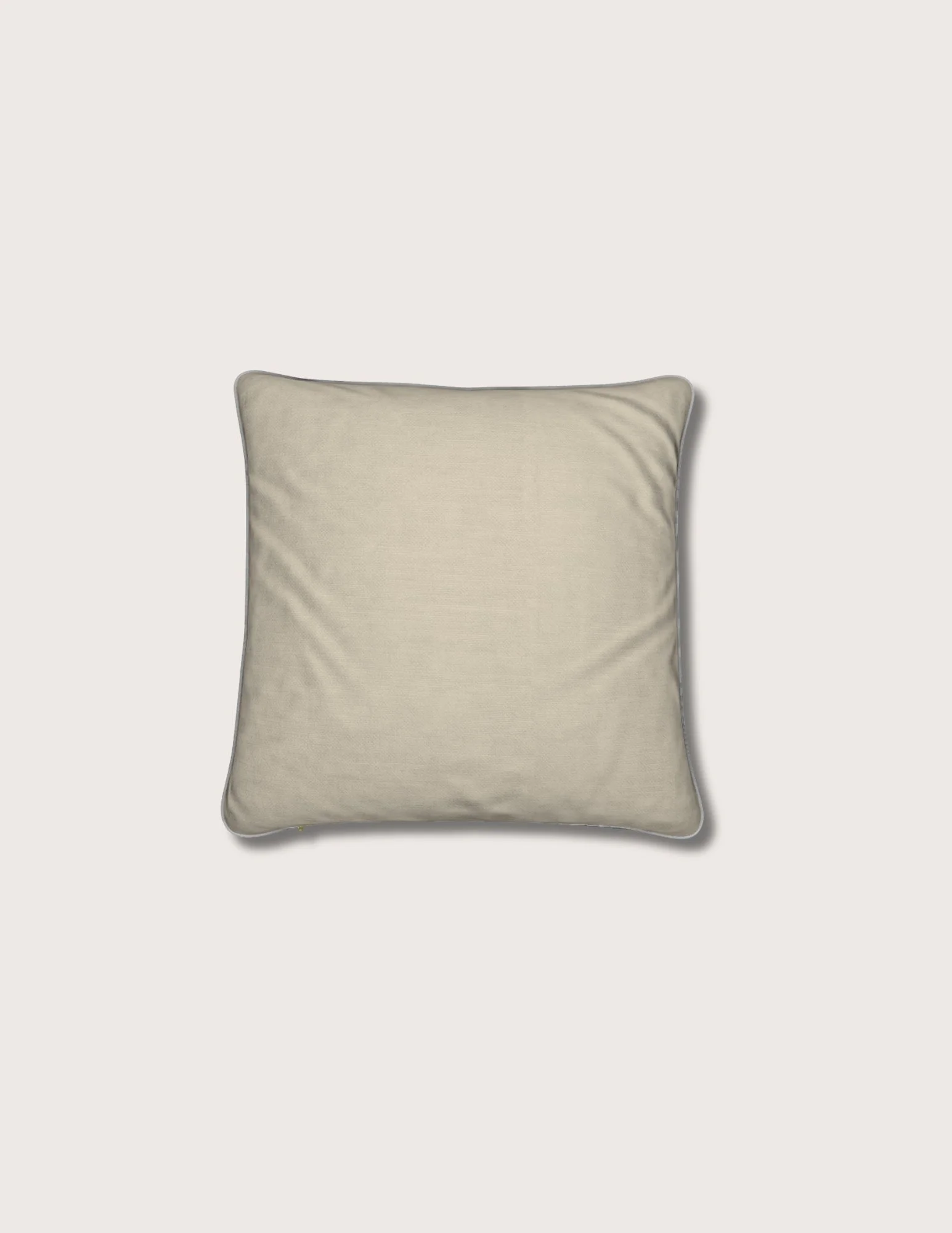
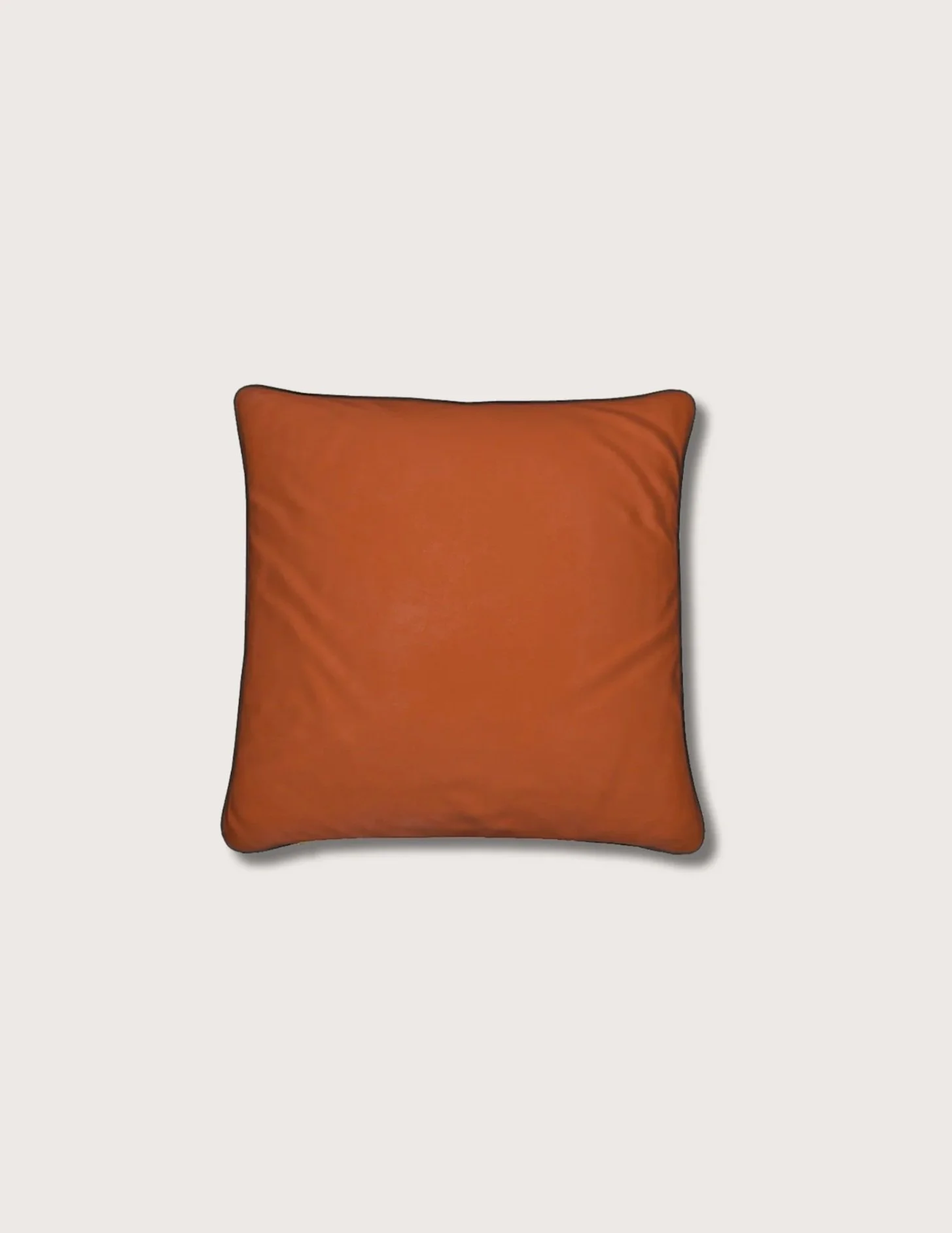
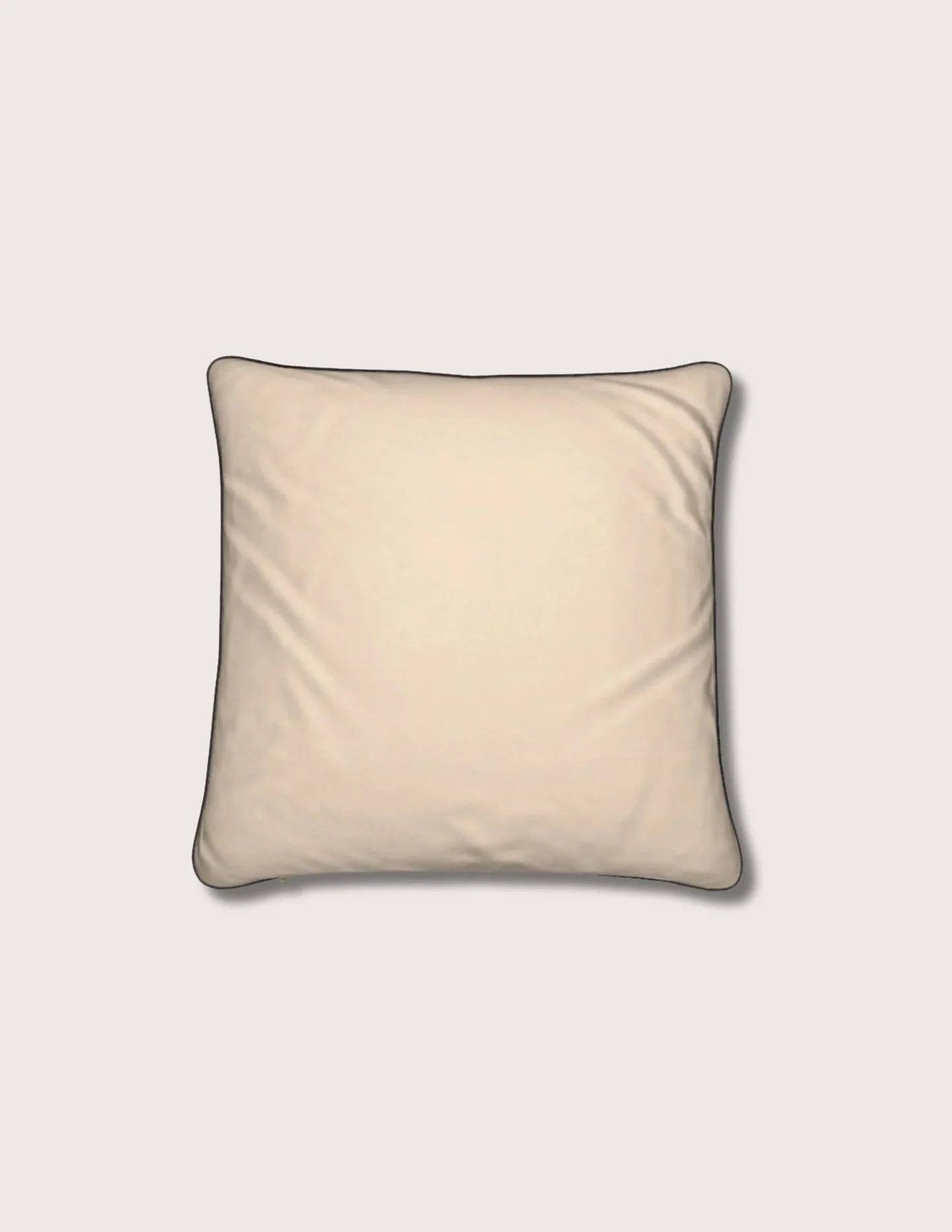
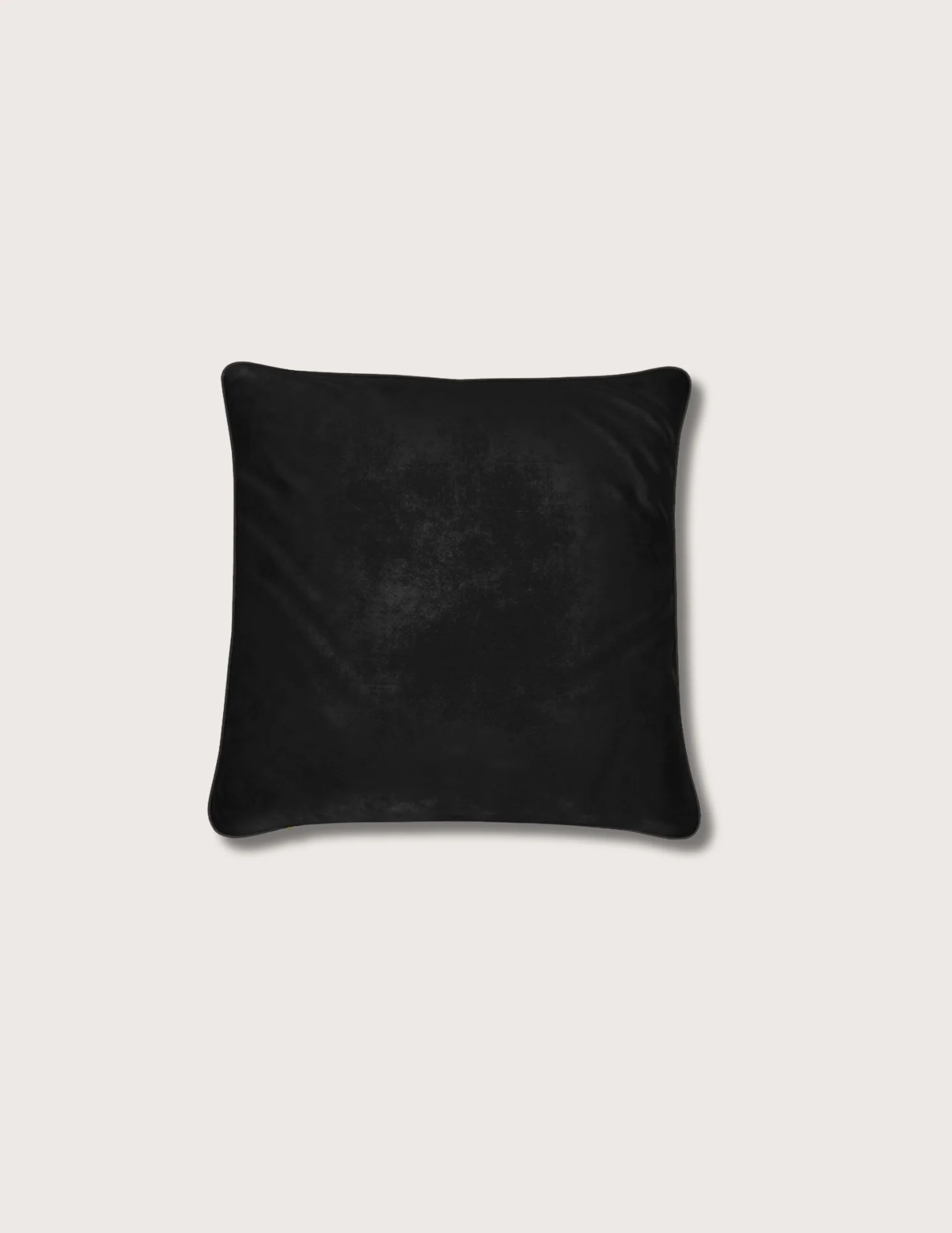
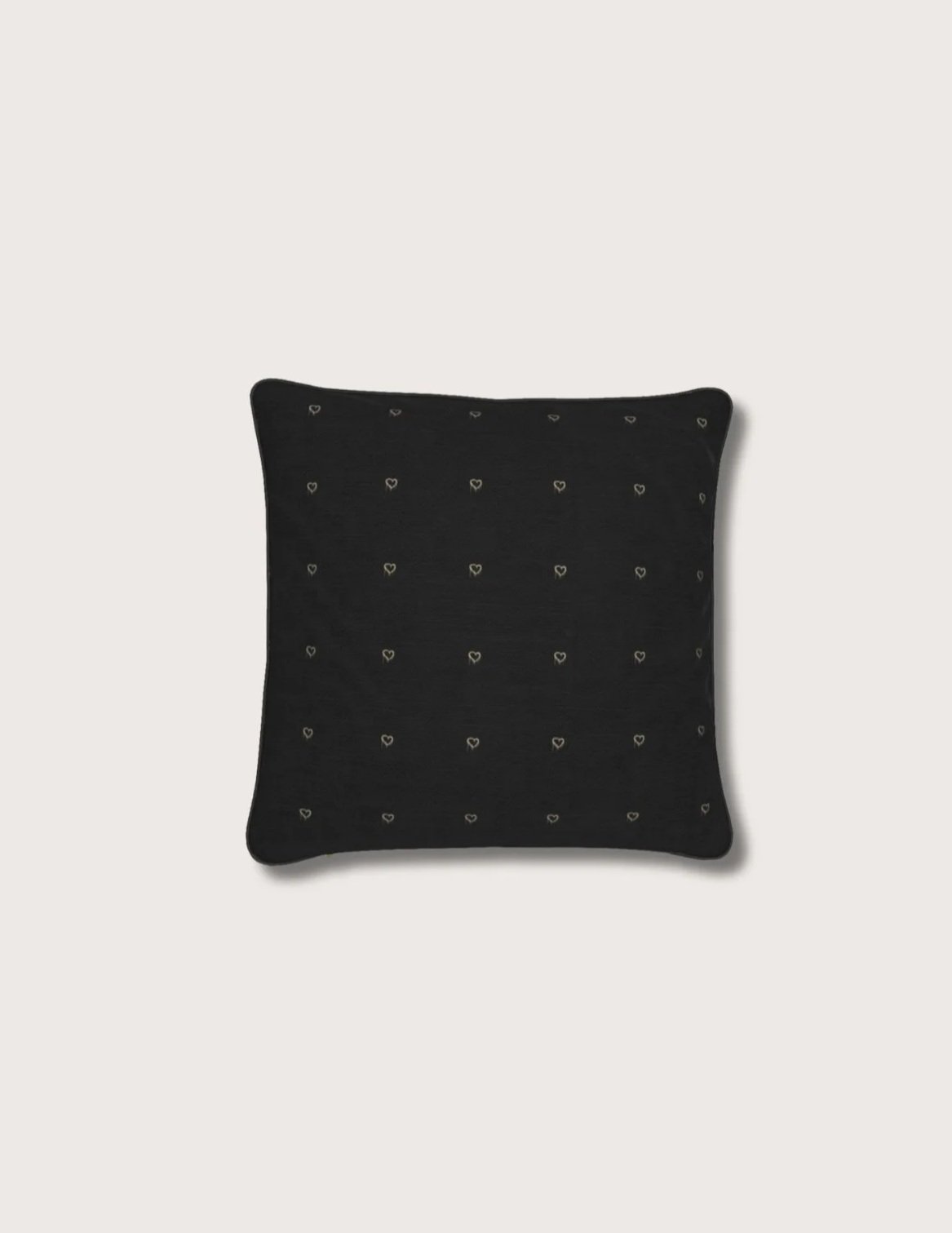
Oat back

Down feather insert

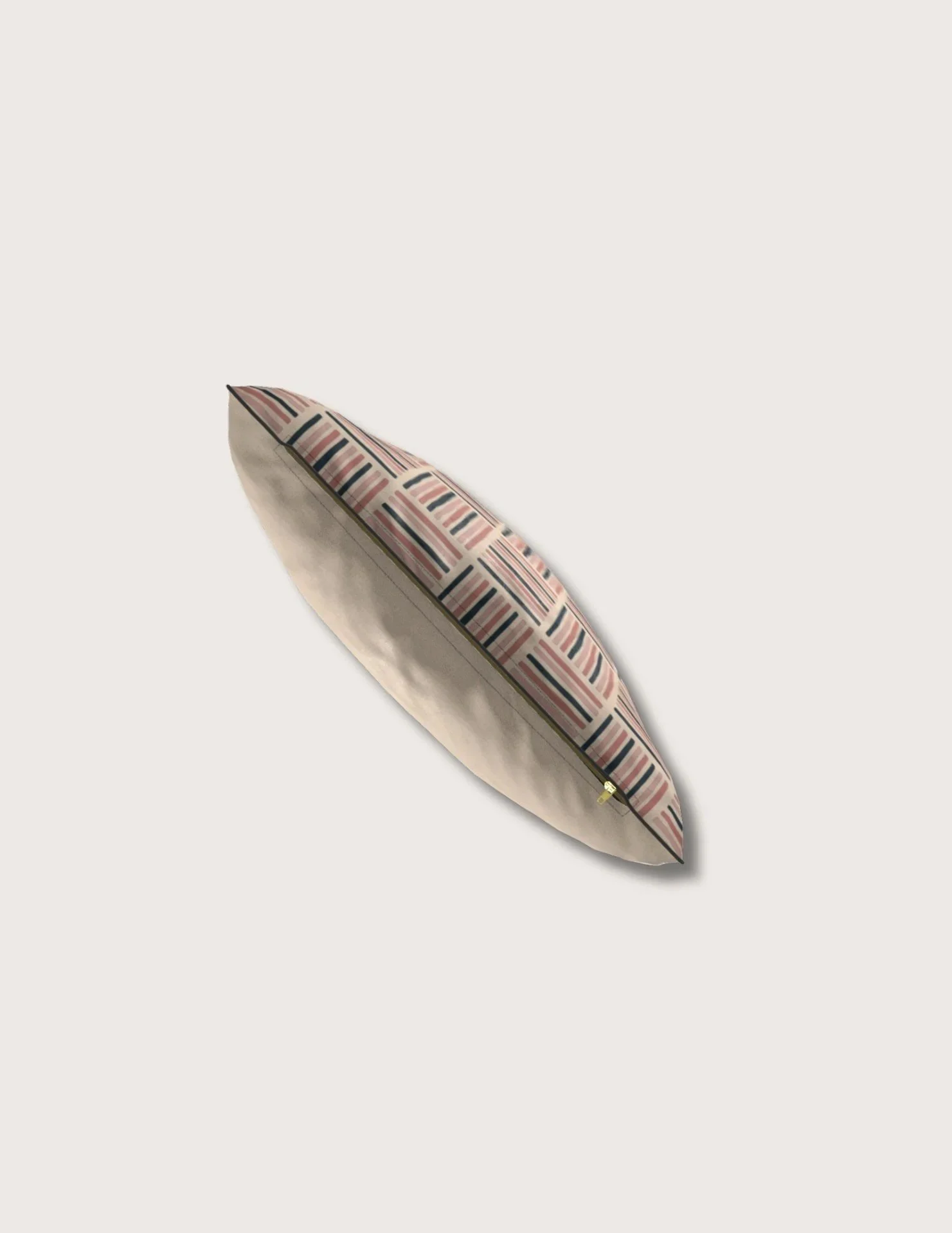
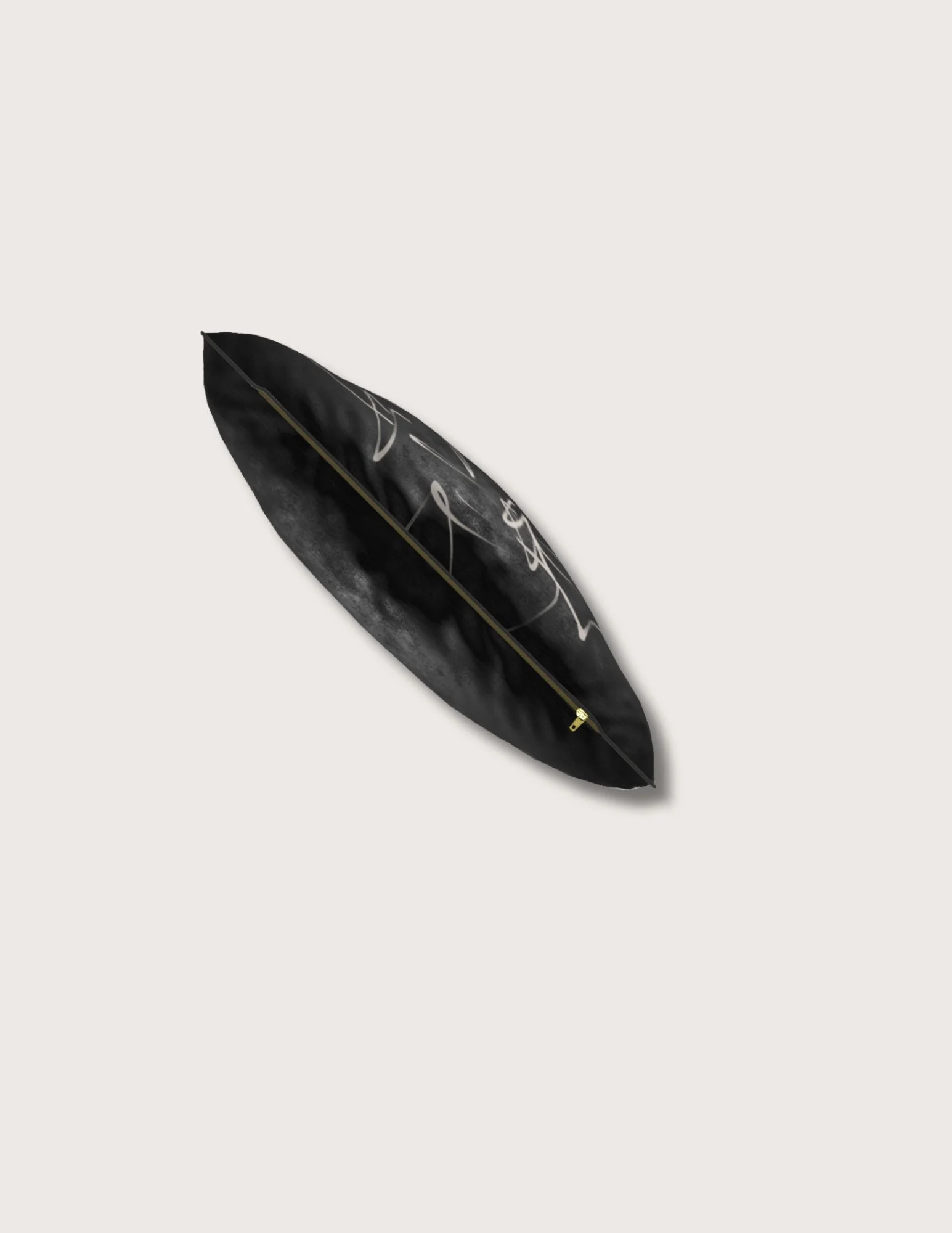
Gold zipper

Available in cotton-linen (shown), velvet or outdoor eco weave

Cotton-Linen:

95% cotton 5% linen

Weight: 6.72 oz

BCI organic FABRIC

Oeko-Tex Standard 100 Ink

GOTS ECOCERT Certified Ink

Velvet Fabric:

100% polyester

Weight: 8.26 oz

Oeko-Tex Standard 100 Ink

BS EN ISO 13934. 600N+

BS EN ISO 6330 @ 30°C

BS EN ISO 13936

Outdoor Eco Weave Fabric:

Water resistant outdoor fabric

100% recycled polyester

Weight: 7.67 oz

Oeko Tex Standard 100 fabric

Global Recycled Standard (GRS)

Do not place in direct sunlight to avoid fading

Certifications

Martindale > 20,000 revs:  Suitable for use in medium wear applications

Rub Fast 80k: Suitable for use in high wear / Severe Contract applications

Resistance to Piling: Grade 3/4 for appropriate for use in high wear domestic environments

Tear Strength ≥30N+: good fabric to use in domestic or public areas

Tensile Strength 600N+: good for use in domestic or public areas

Fire Safety: This fabric complies with the flammability performance requirements of The Nightwear (Safety) Regulations 1985. (Statutory Instrument 1985 No 2043)

Care Instructions: Wash at 86°F, low tumble dry heat, hang to dry, do not wring, low heat iron

Sustainably printed and woven in the UK

Made to order

Ships from 4 weeks worldwide 
Contact us for custom options

Shipping and returns policy