Ryt Ivory Pillow

from $288.00
Material:

Details

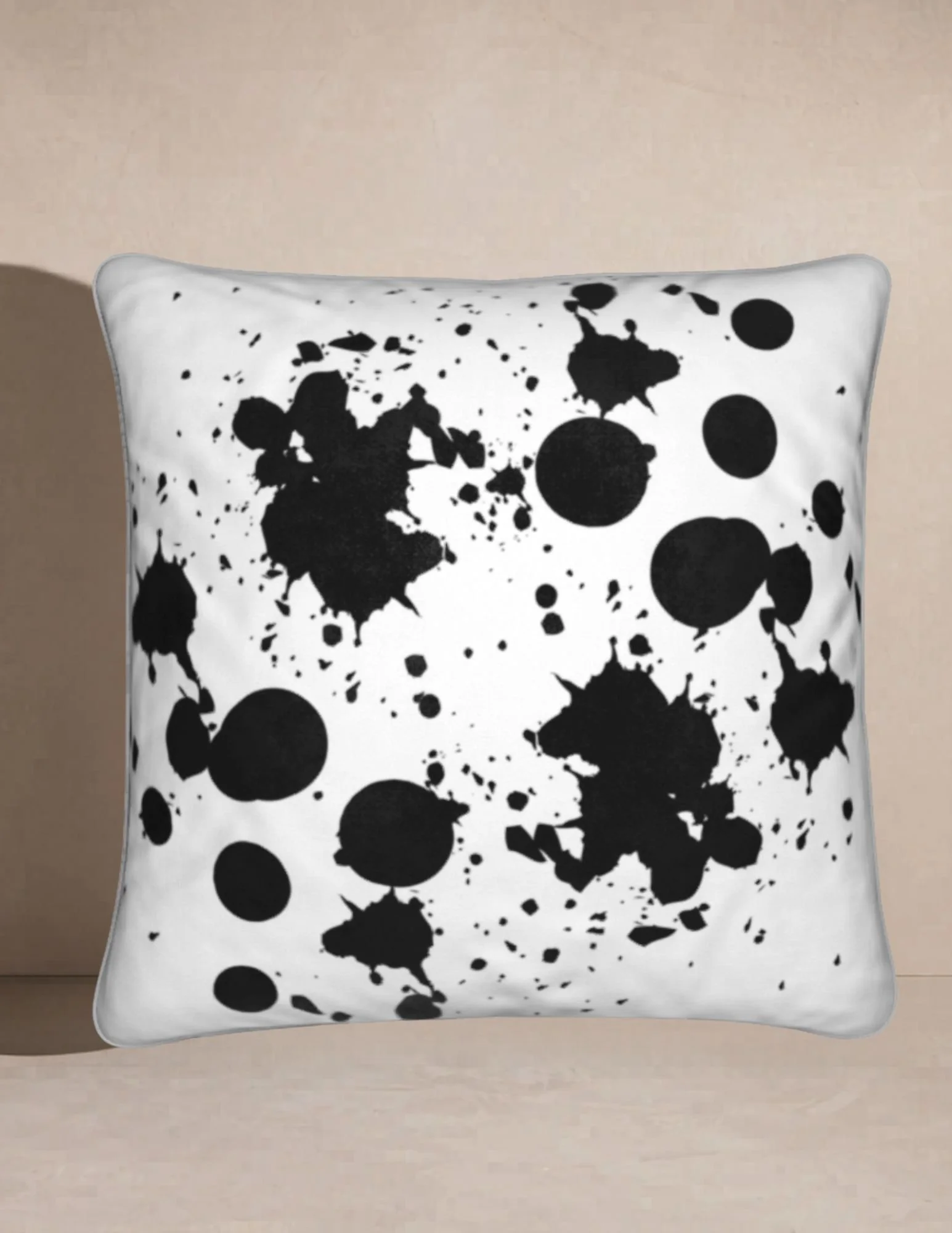
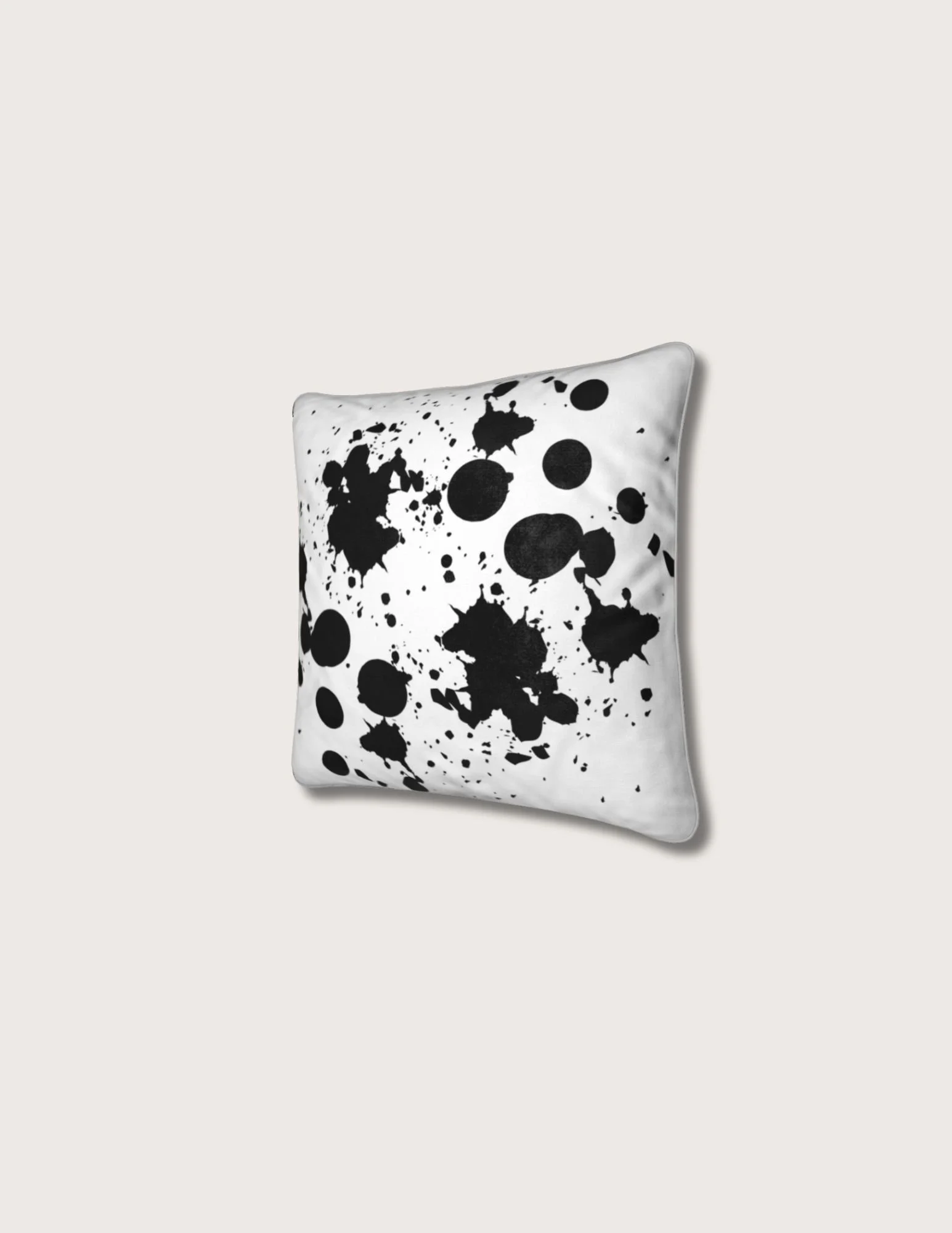
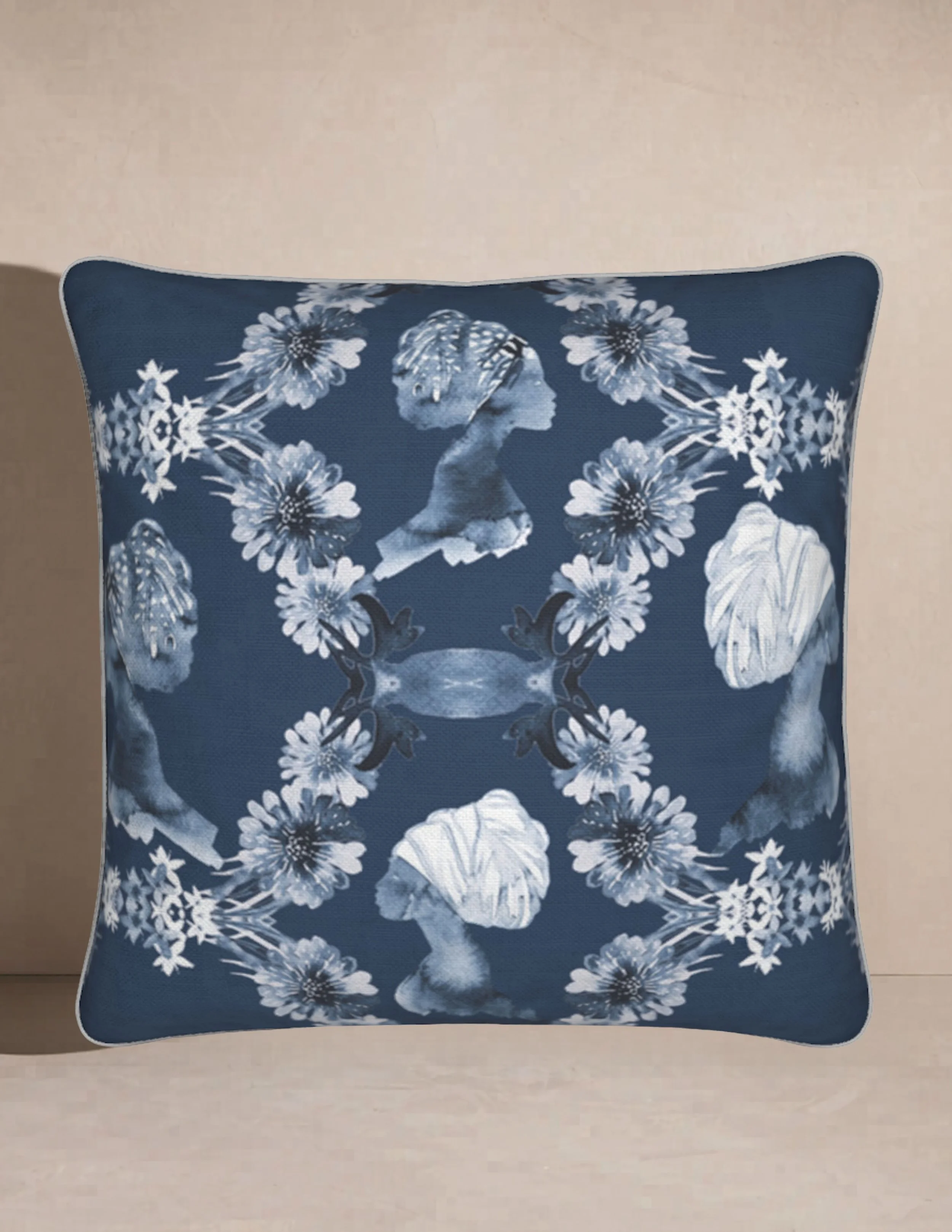
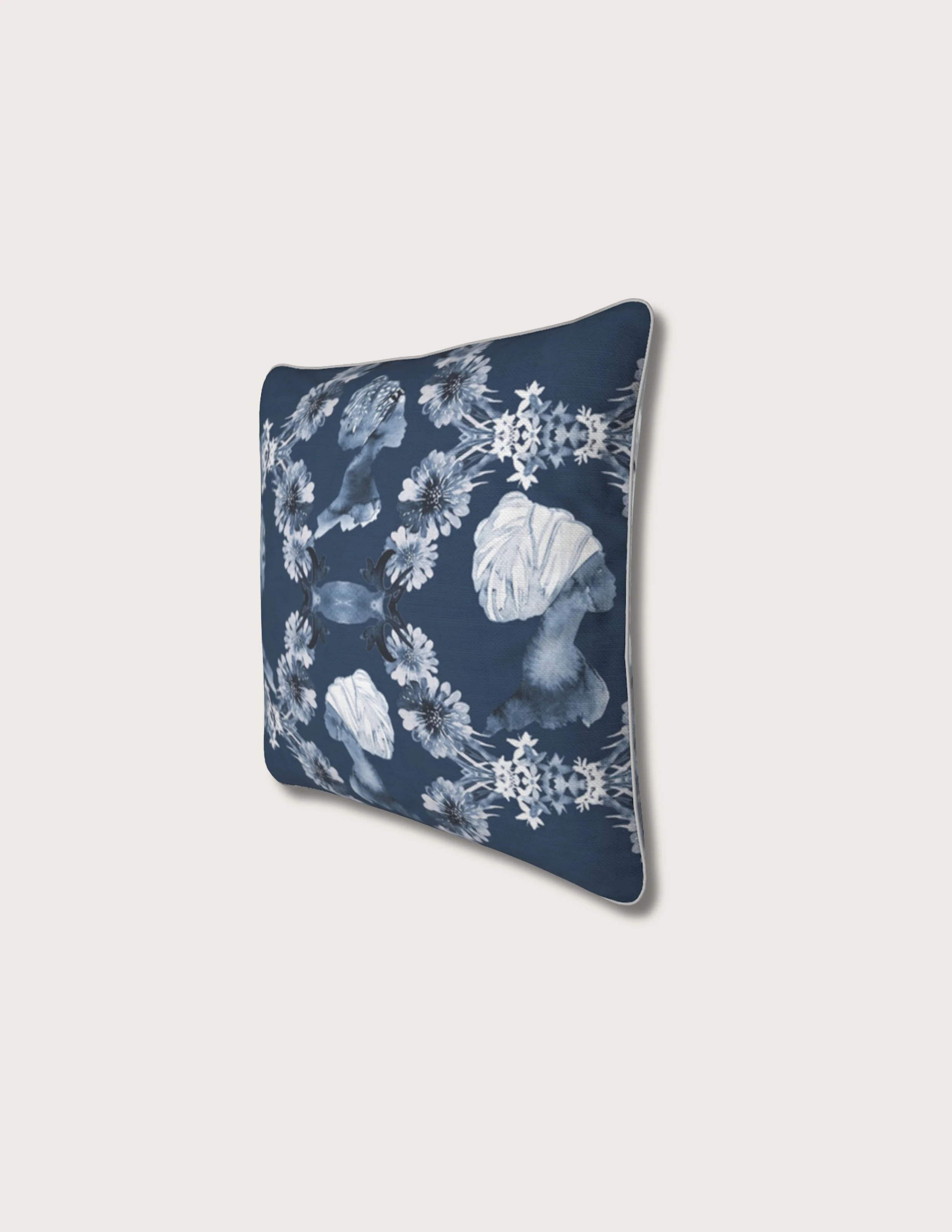
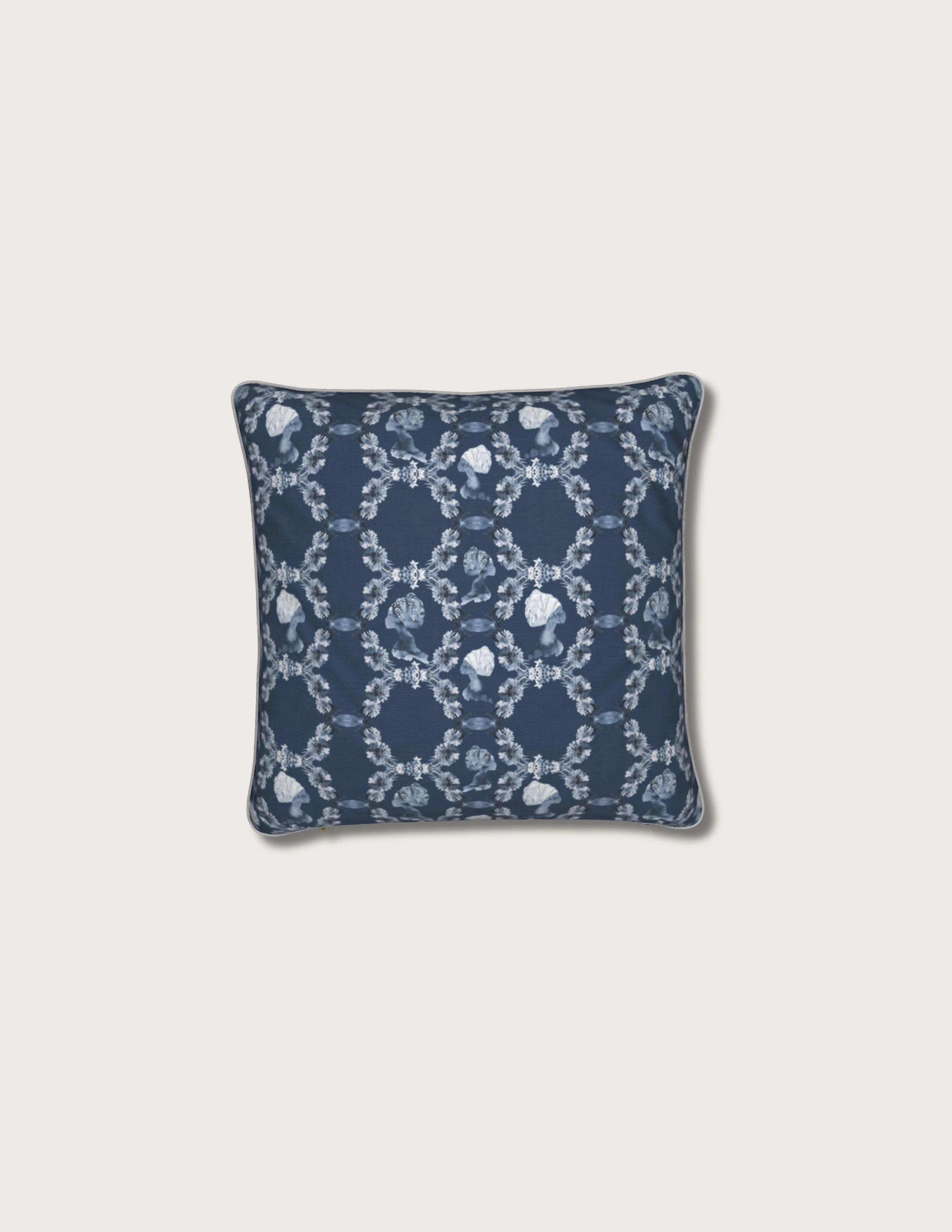
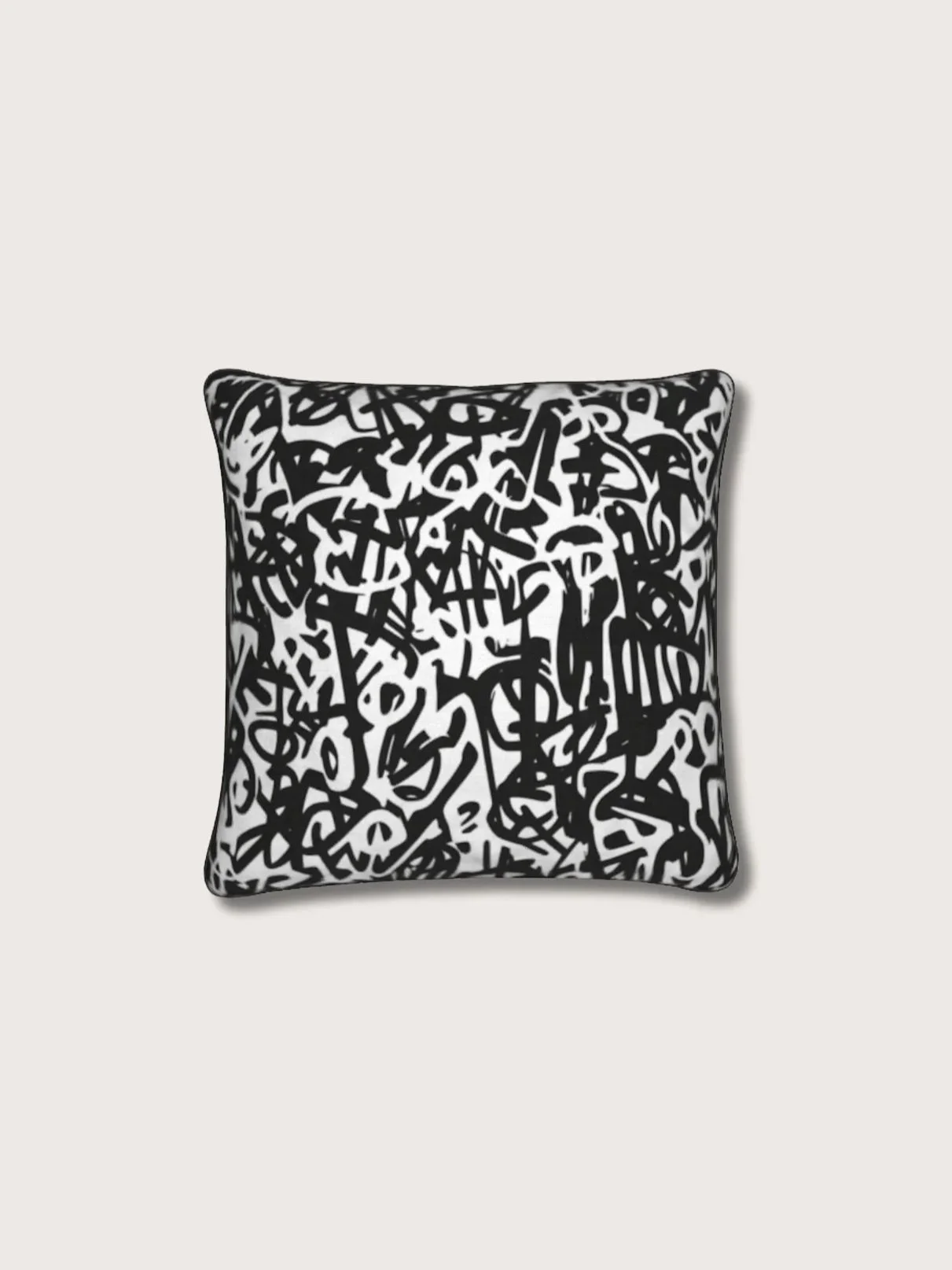
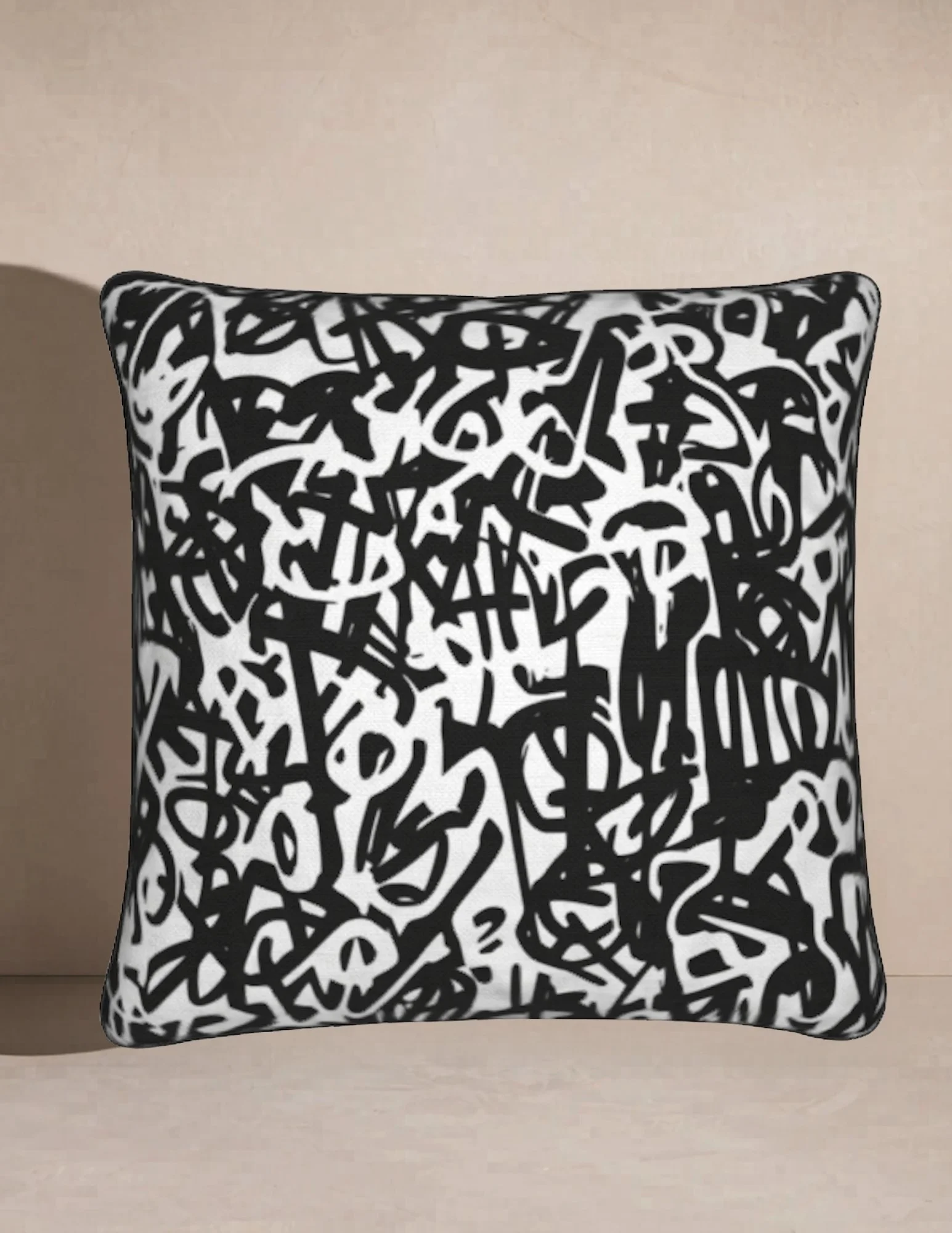
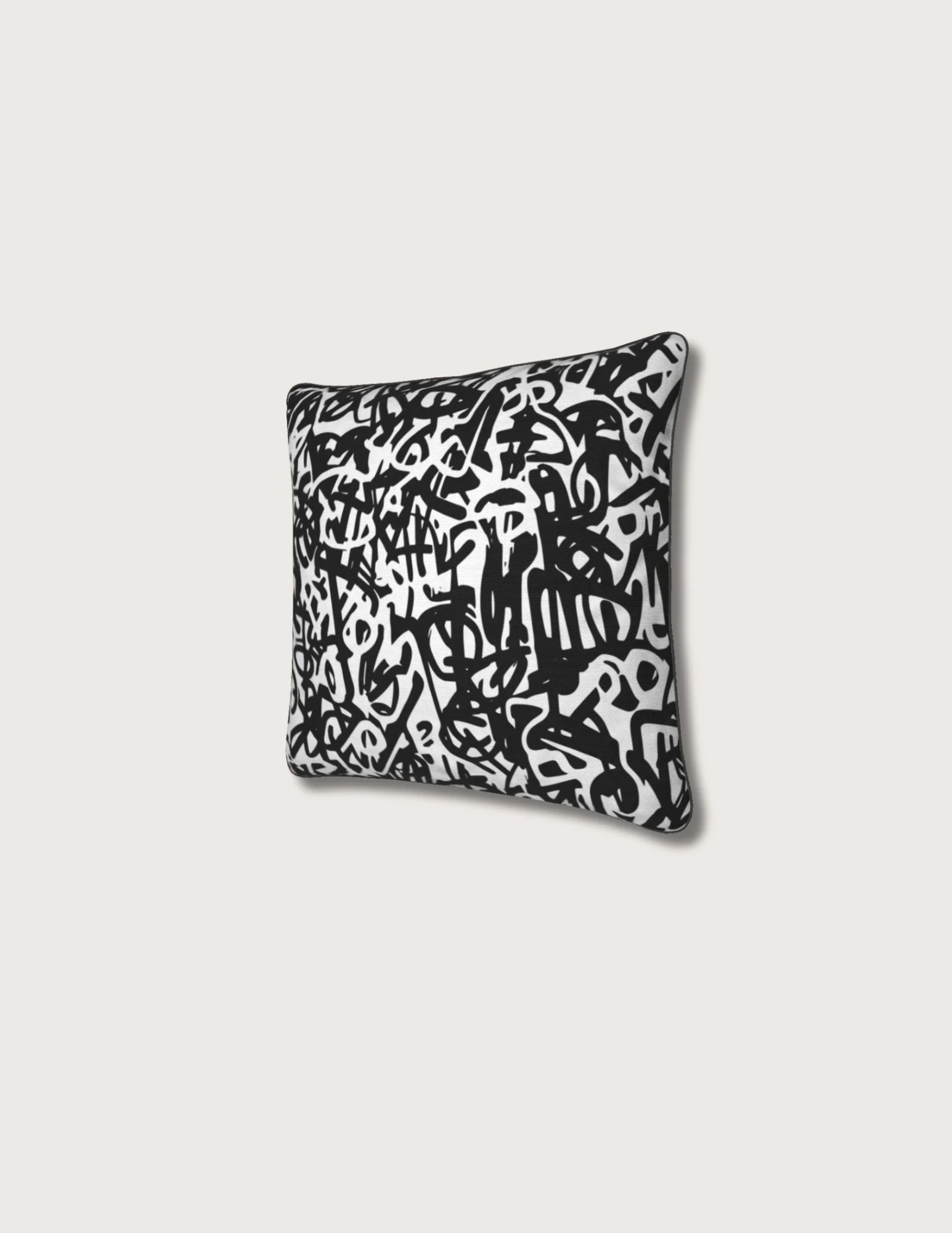
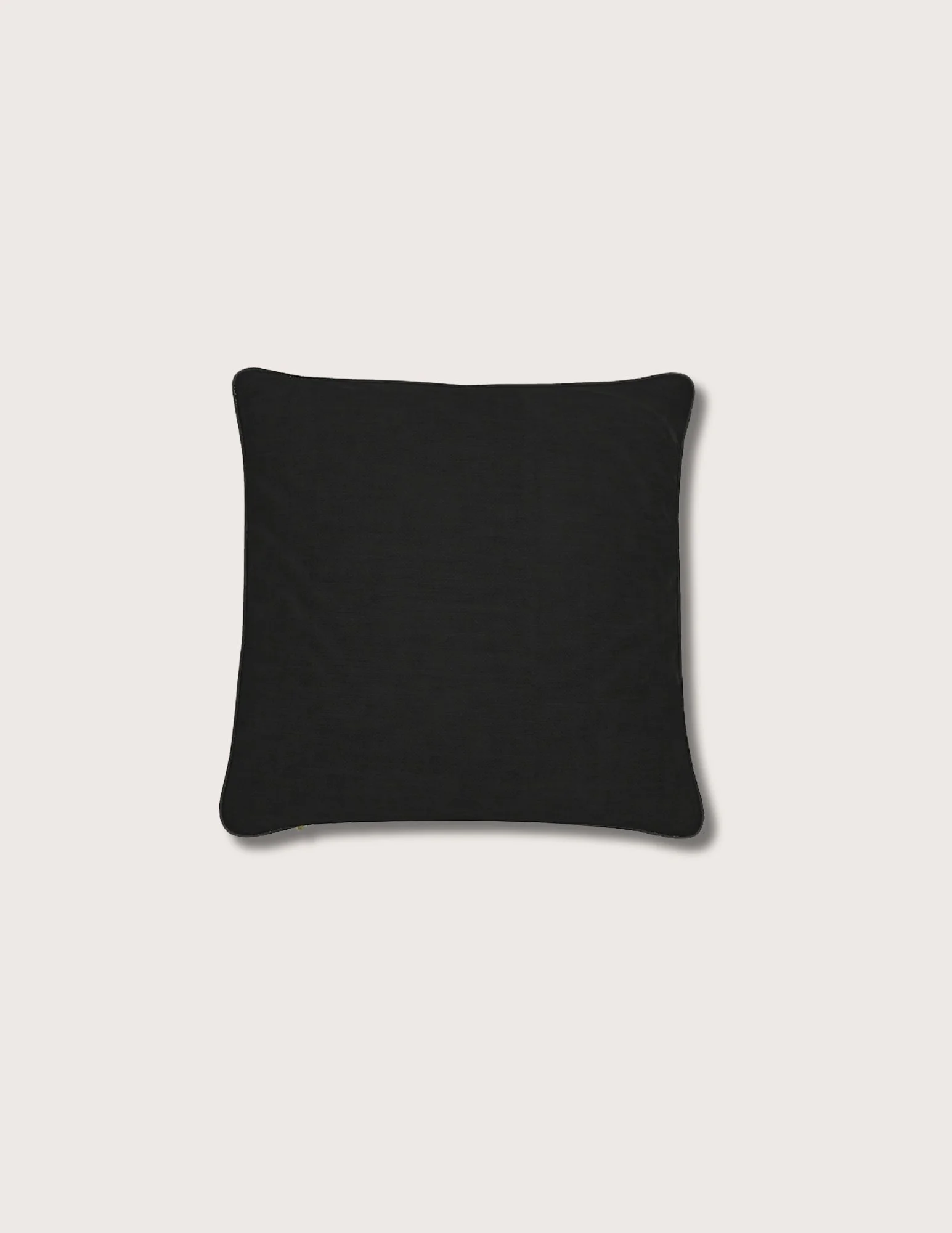
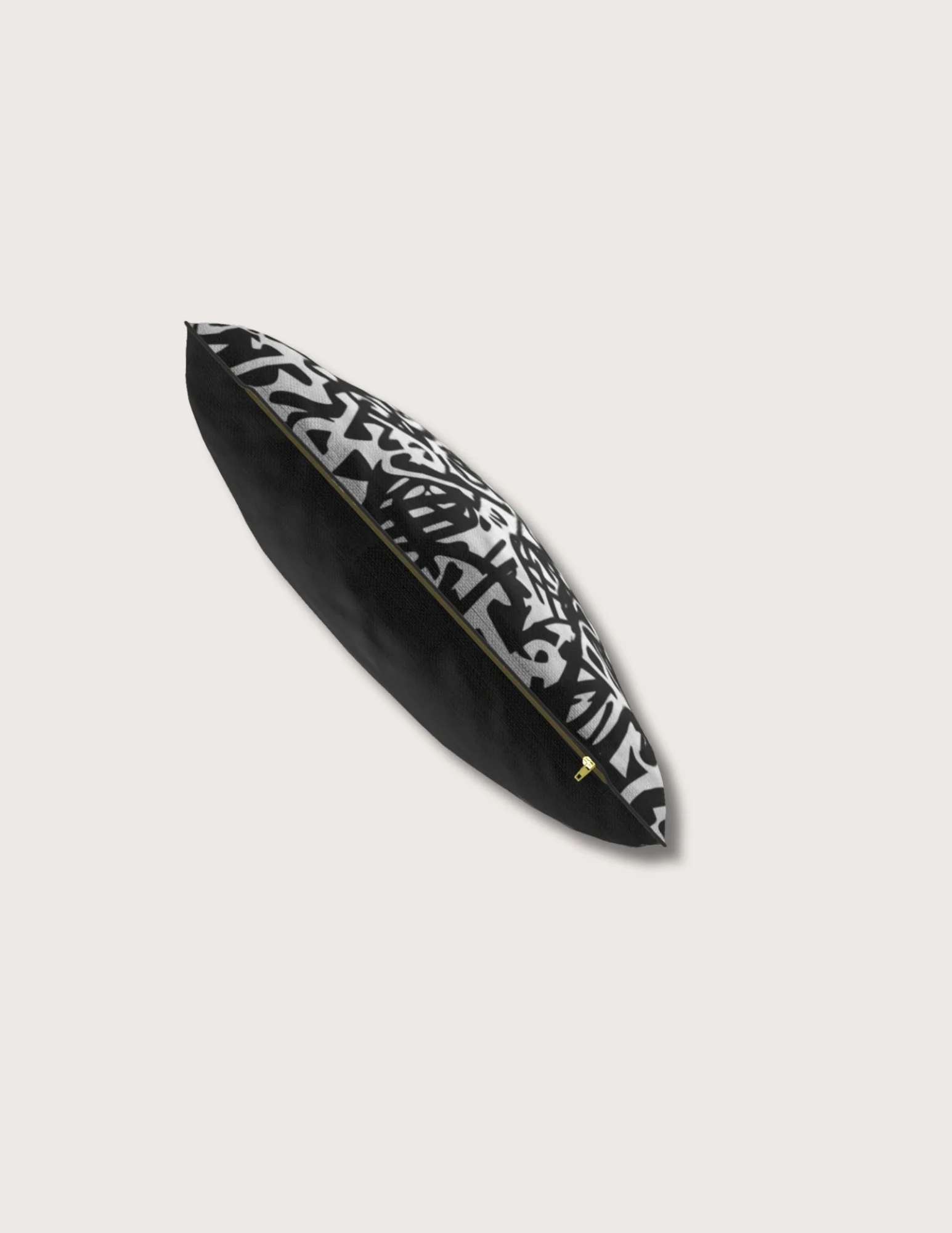
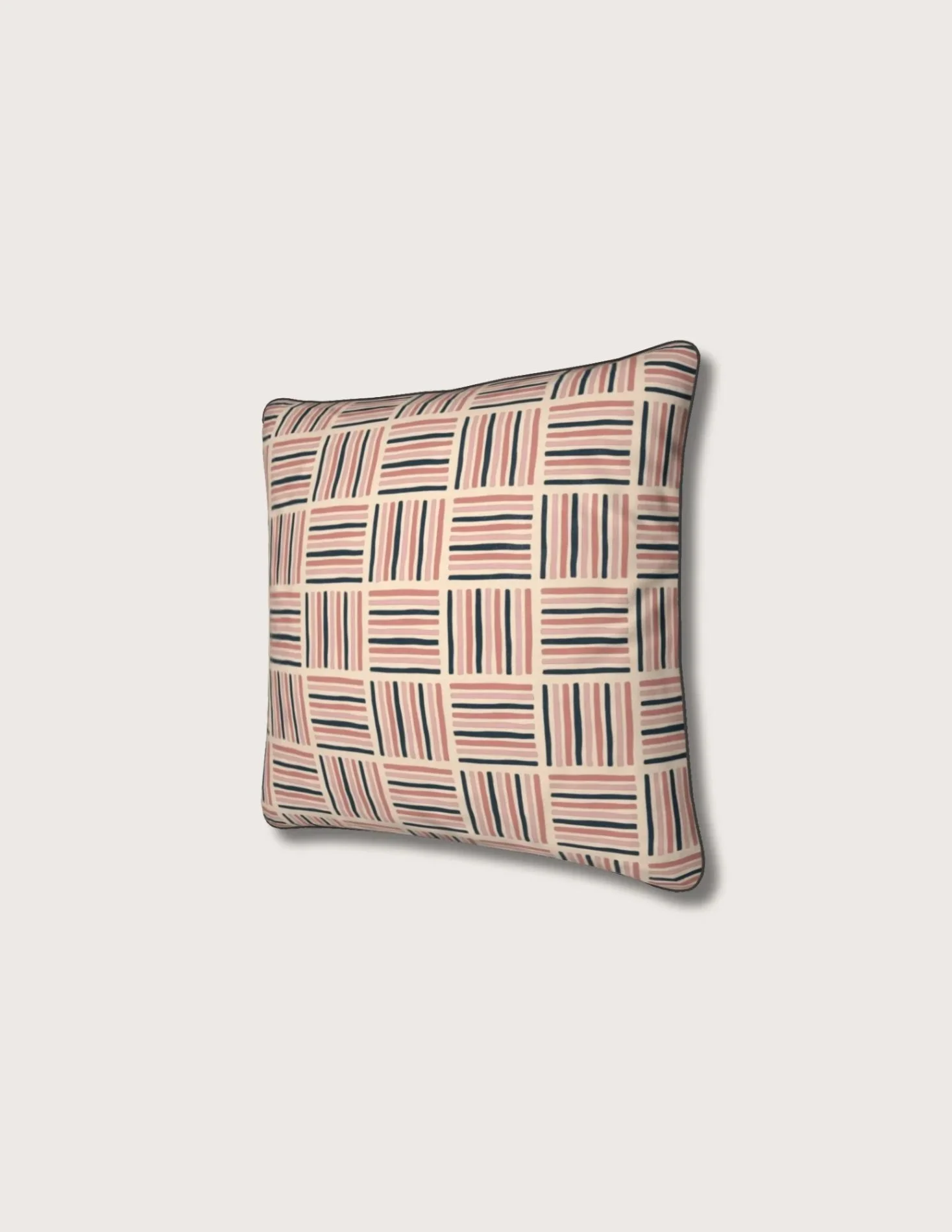
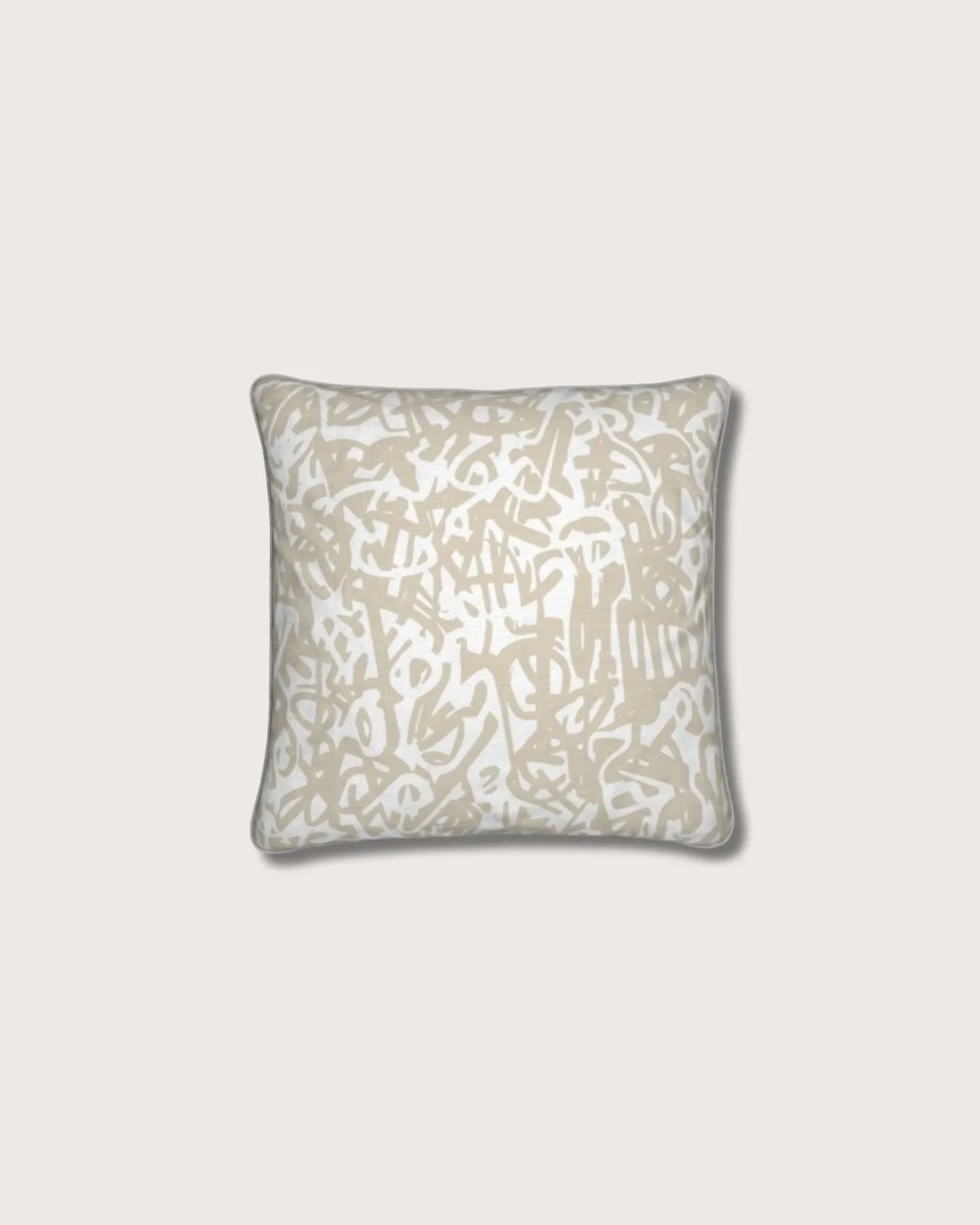
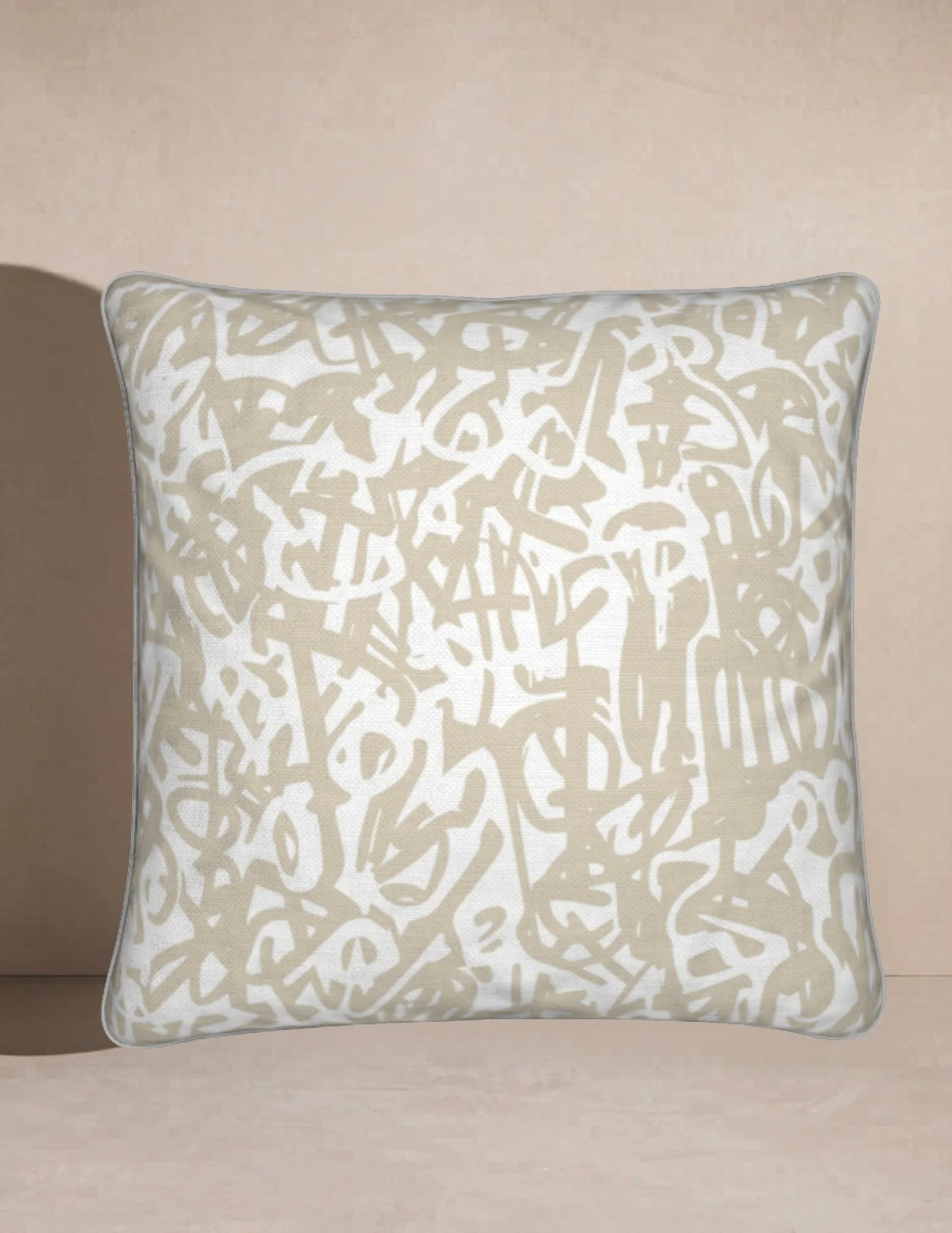
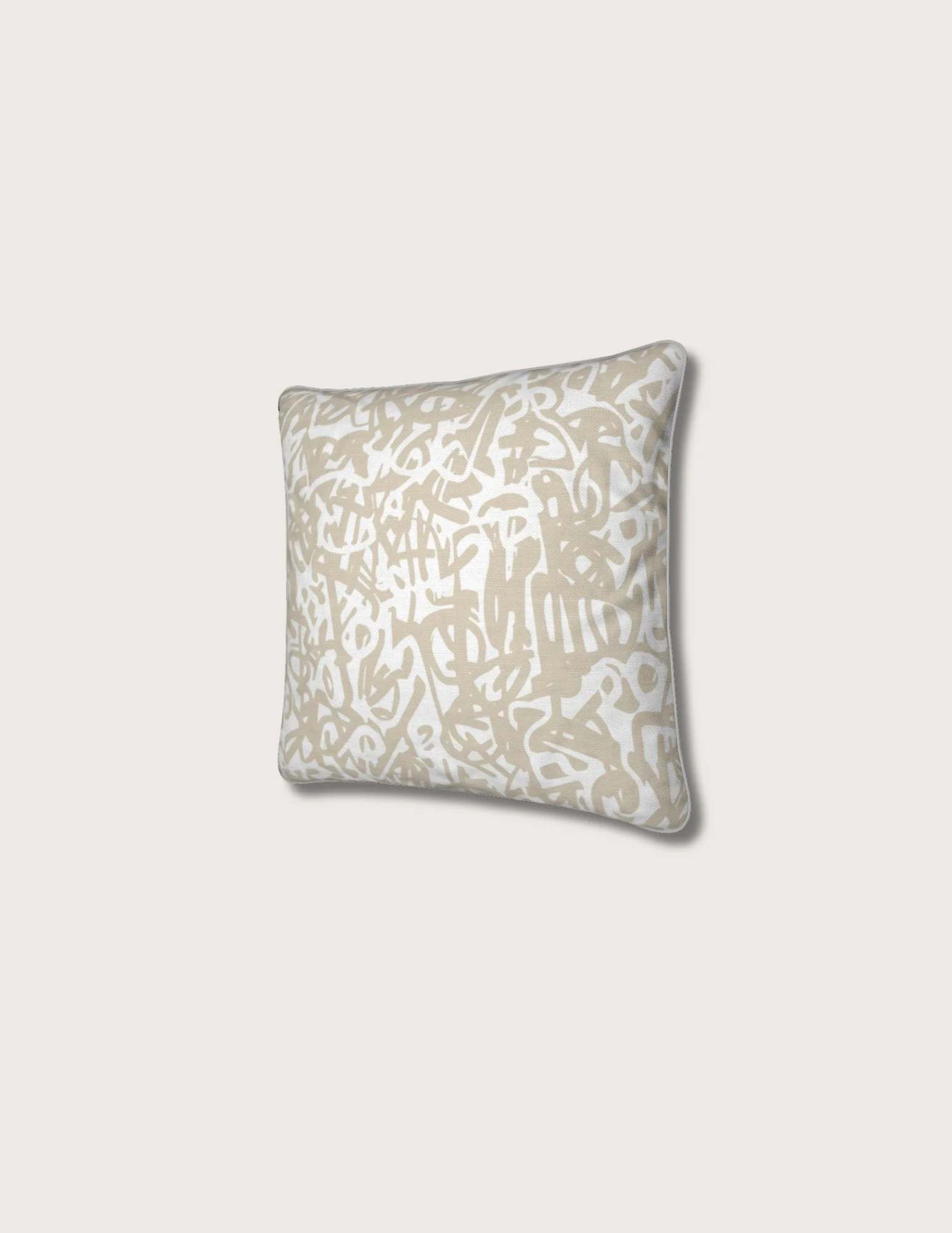
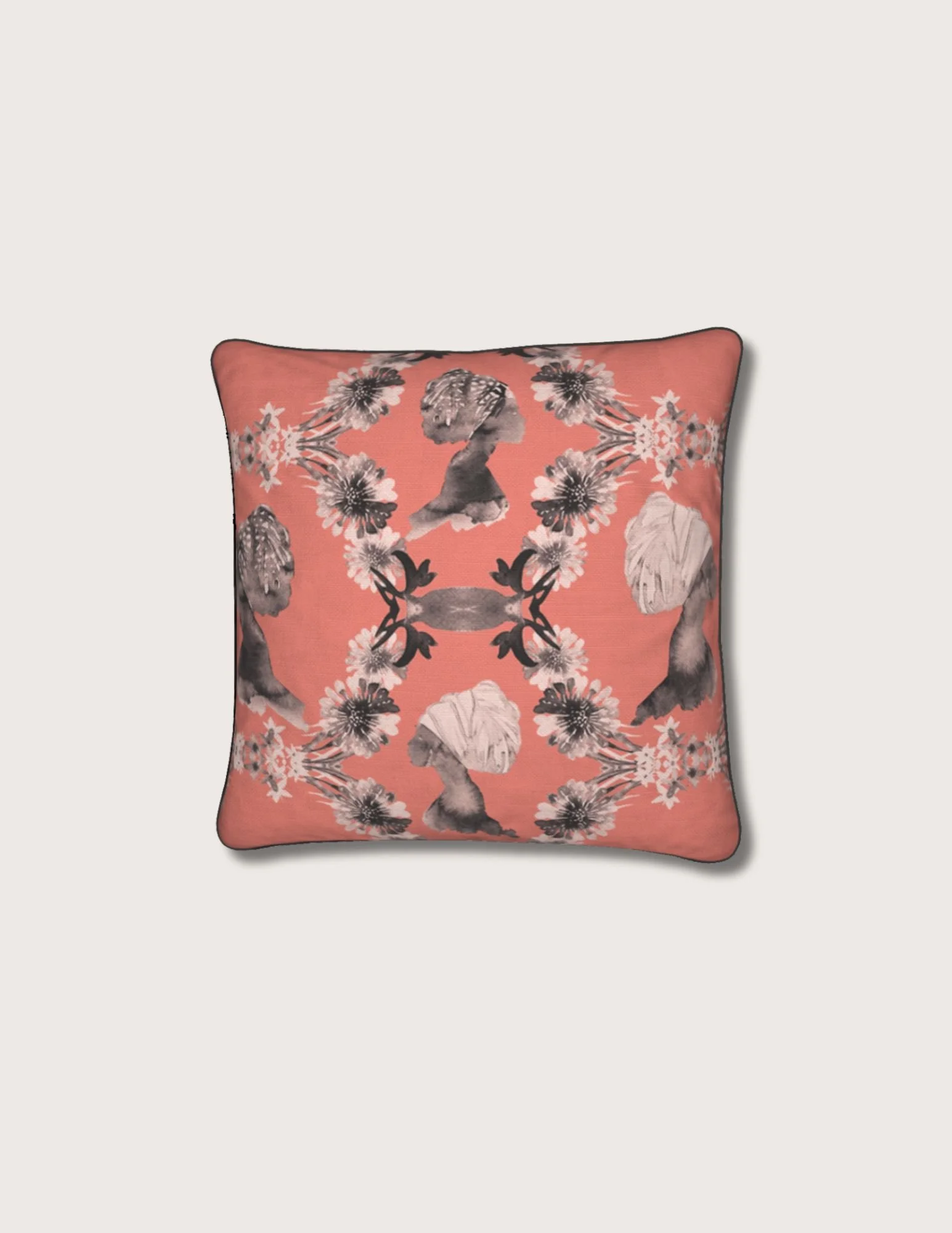
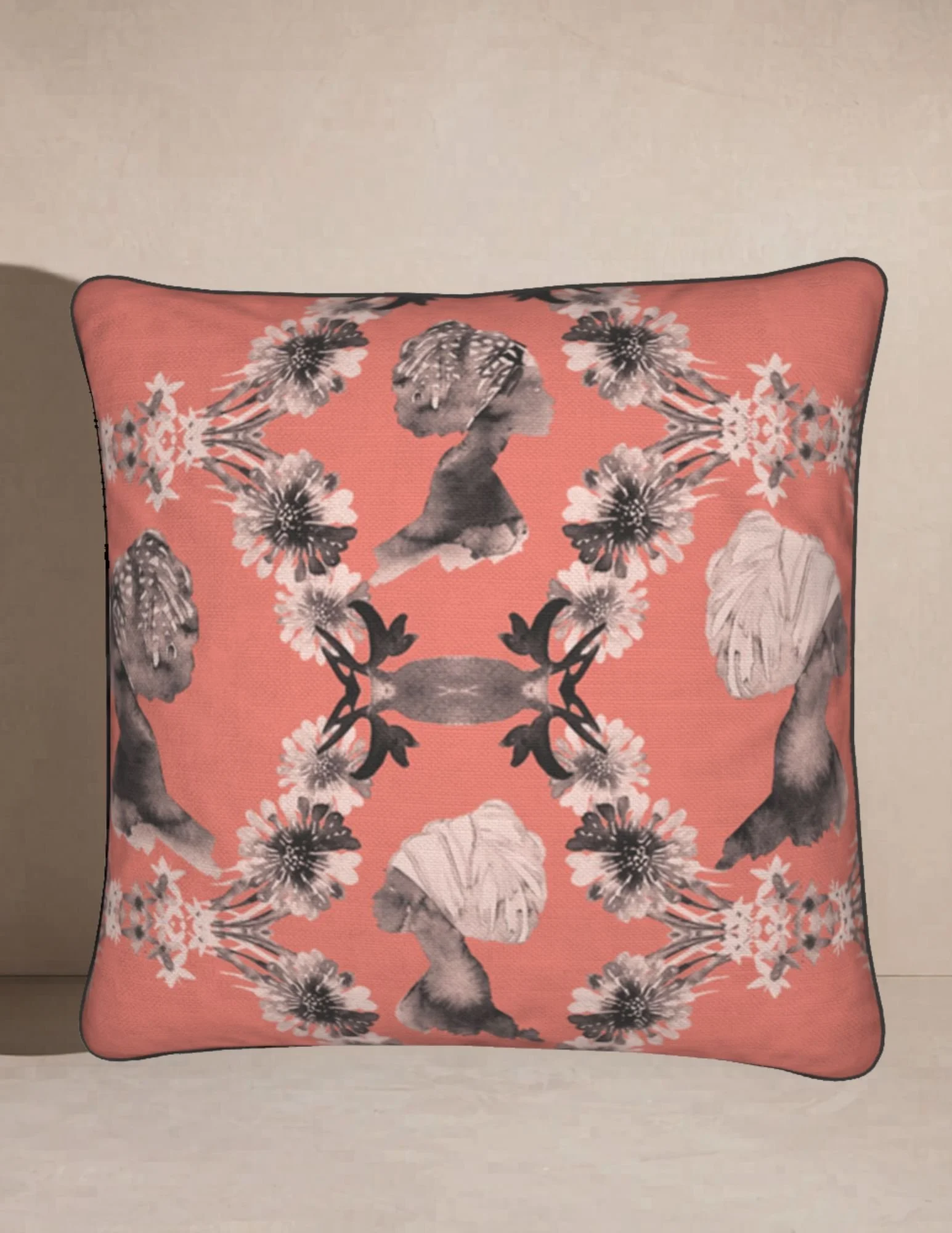
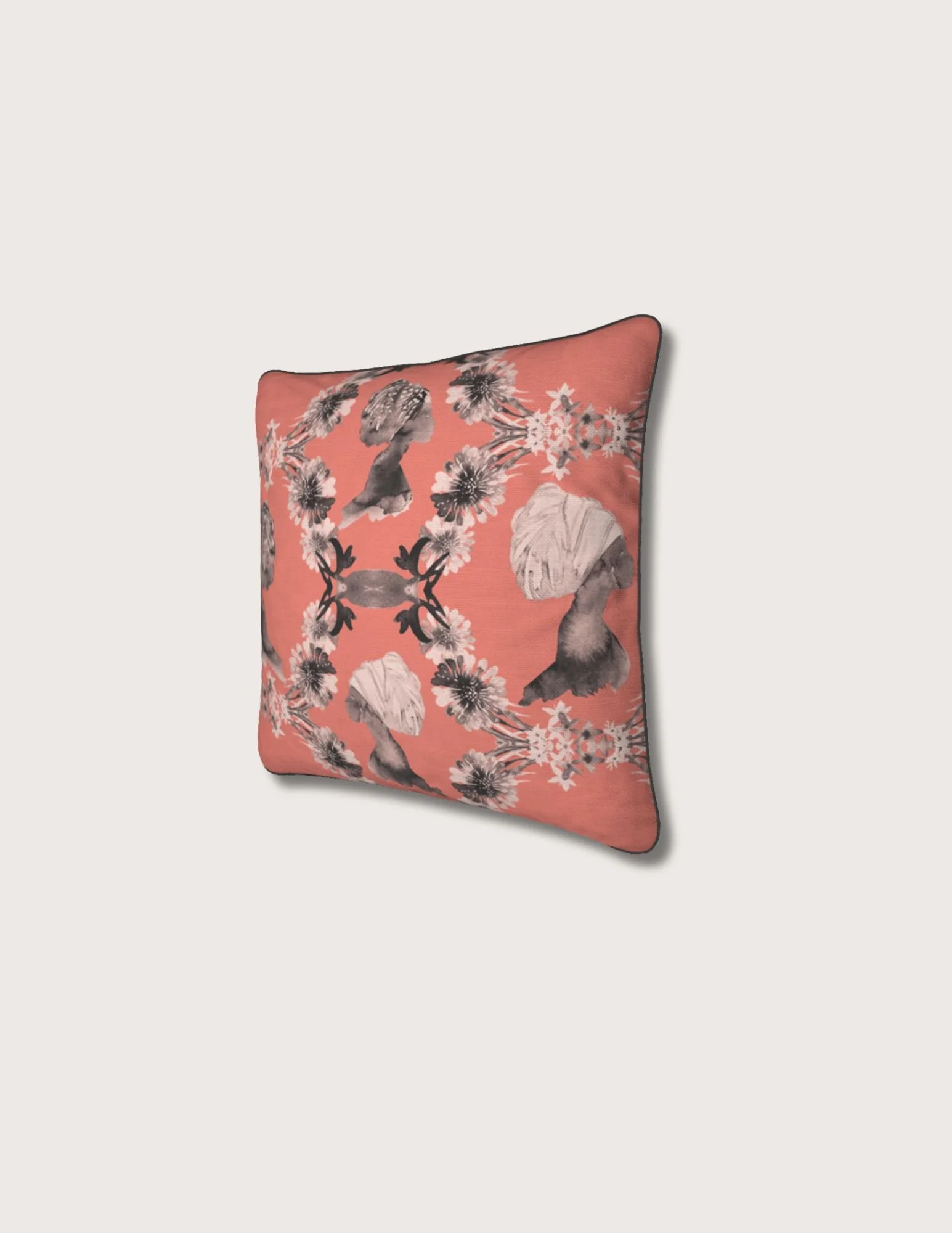
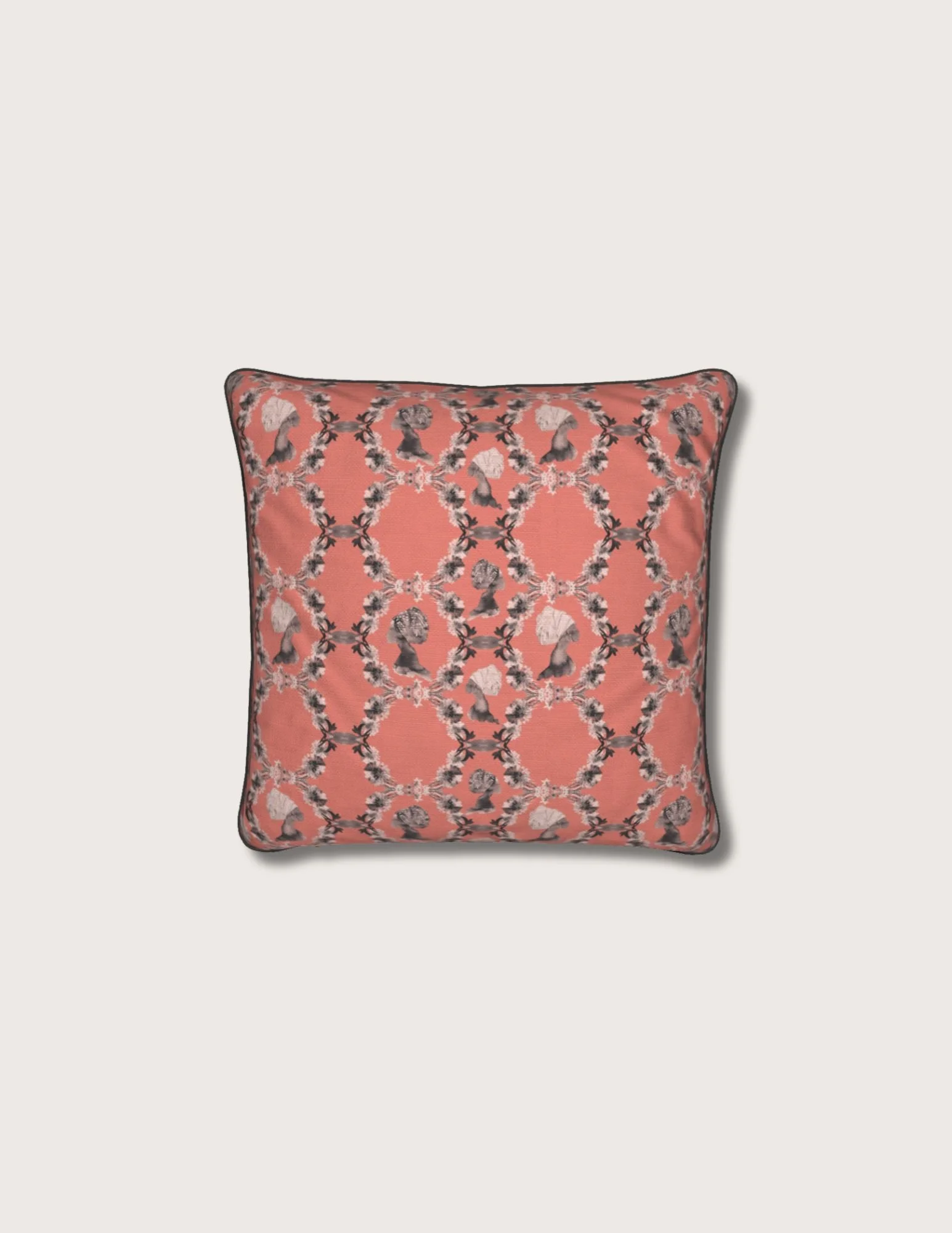
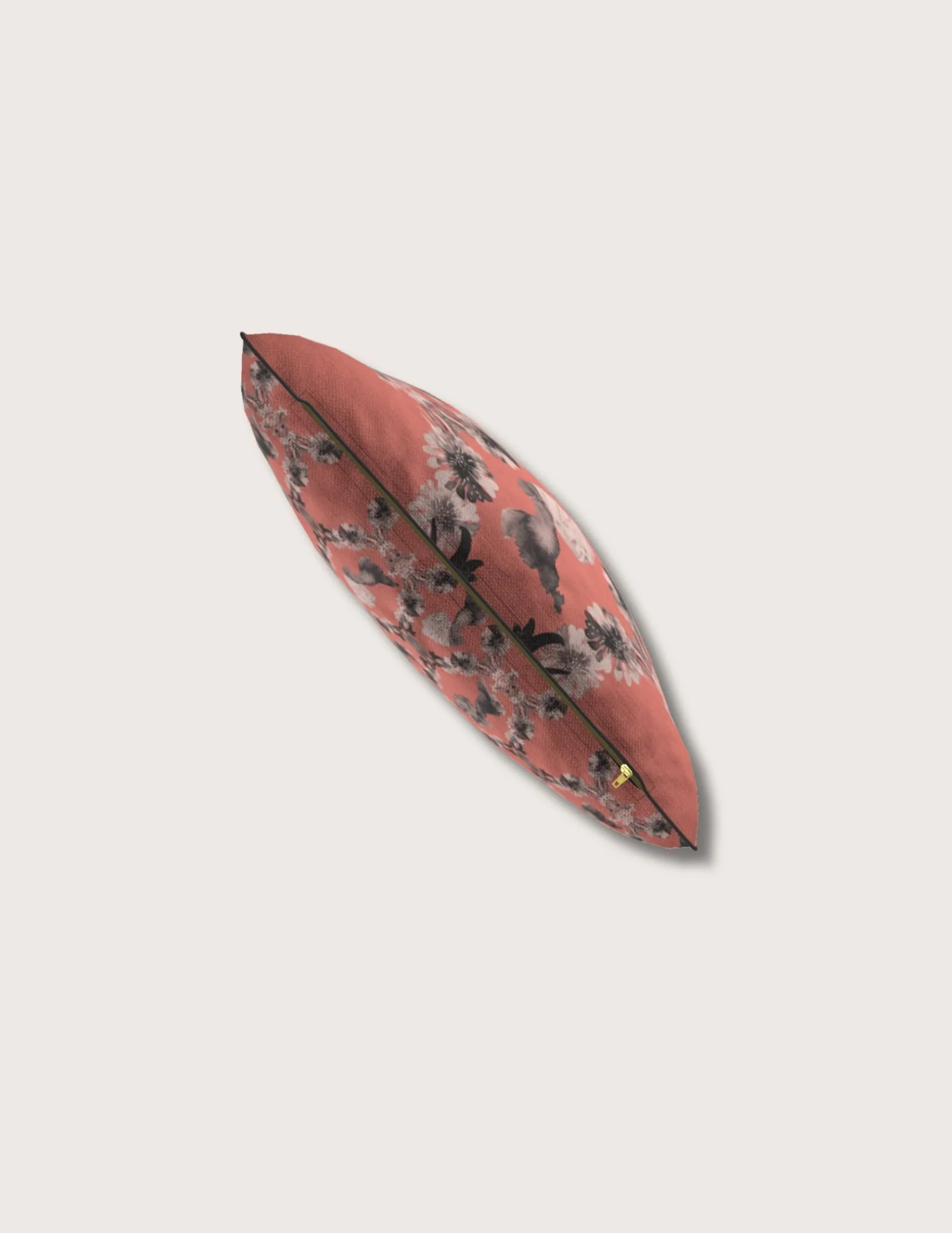
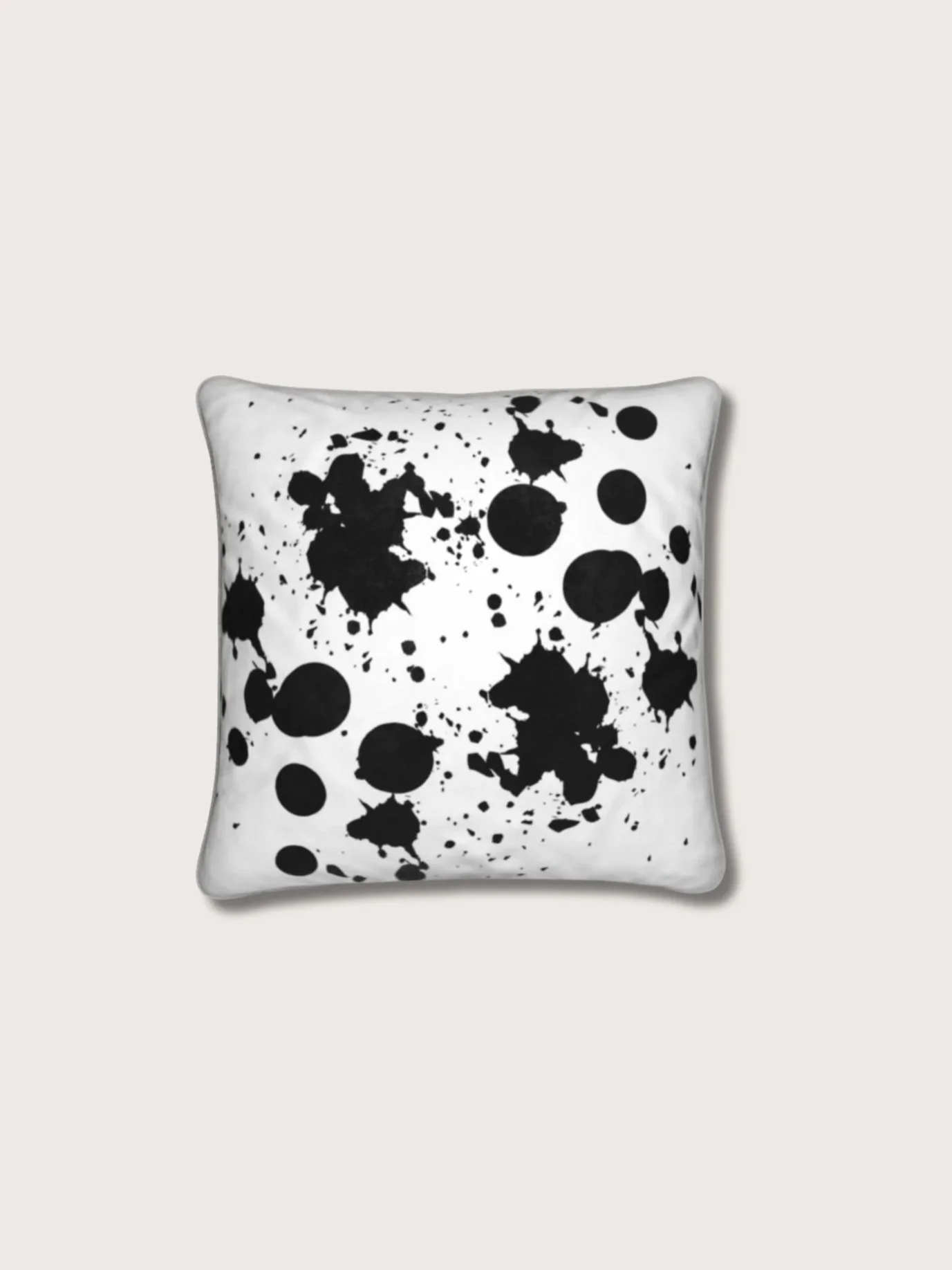
The Ryt Ivory Pillow brings the ancient past and the present day together beautifully, adding new layers to the aesthetic of your home. Sustainably woven and printed, featuring a luxe duck feather insert, it’s body-hugging comfort is exactly what you need at the end of a long day or the start of a lazy one. Finished with sophisticated touches like its colorful piping and a custom gold zipper, it’s a magazine-worthy addition to any room. Its eye-catching abstract pattern, recalling drops of ink from the brushes of the ancient scribes of Egypt, is absolutely mesmerizing. Paired with a luxurious, ivory tone in cotton-linen or sumptuous velvet, the Ryt Ivory Pillow is the perfect finishing touch for your favorite room. Available in cotton-linen, soft velvet, or in our outdoor eco weave fabric.

Editors' Note

The Ryt Collection features abstract, inkblot patterns in honor of the ancient Egyptian priests, scholars and scribes whose early writings set the stage for written communications around the world up to the present day. Egypt was among the first human civilizations to develop ink for writing and art, an innovation discovered contemporaneously with China around 2500 BC. Ancient Egyptians referred to ink or paint as Ryt, and created it from a variety of organic and inorganic materials. Though inks have been found in several colors, including blue and green, most writing was done in black ink with red used to emphasize important words, instructions or section headings. Egyptians made black ink from burnt materials like charcoal or soot, while reds were made from ocher. Acacia gum, a naturally occurring edible resin found in acacia trees, with a wide range of historical and modern uses, was added as a binding agent, along with vegetable and animal oils to create a solution that was dried and rolled into pellets. Scribes carried these pellets in different colors in anticipation of a writing assignment. When needed, a pellet would be immersed in water, creating ink in the desired hue. Though their writings have held the attention of scholars for literal centuries, studies into the chemistry and  ink making process of ancient Egyptians continue to reveal new insights. As recent as 2020, scholars have found that from an early date, Egyptian inks included lead as a drying agent to ensure that what the scribes wrote would quickly become permanent on the page. Further, they have surmised that the high level of copper found in Egyptian inks, particularly black, suggests that the soot from which it was made was a byproduct of copper extraction from sulfurous ores, similar to the process that produced the famous Egyptian Blue. Unfortunately, copper is also known to have been a source of degradation for the papyri and acacia gum that were both the medium on which the Egyptians wrote and a major component of the ink itself. Despite this, many thousands of fragments and whole texts have been recovered — from prayers and letters to scientific texts and tax documents — offering an invaluable window on what continues to be one of humanity’s oldest and most intriguing cultures.

Details

The Ryt Ivory Pillow brings the ancient past and the present day together beautifully, adding new layers to the aesthetic of your home. Sustainably woven and printed, featuring a luxe duck feather insert, it’s body-hugging comfort is exactly what you need at the end of a long day or the start of a lazy one. Finished with sophisticated touches like its colorful piping and a custom gold zipper, it’s a magazine-worthy addition to any room. Its eye-catching abstract pattern, recalling drops of ink from the brushes of the ancient scribes of Egypt, is absolutely mesmerizing. Paired with a luxurious, ivory tone in cotton-linen or sumptuous velvet, the Ryt Ivory Pillow is the perfect finishing touch for your favorite room. Available in cotton-linen, soft velvet, or in our outdoor eco weave fabric.

Editors' Note

The Ryt Collection features abstract, inkblot patterns in honor of the ancient Egyptian priests, scholars and scribes whose early writings set the stage for written communications around the world up to the present day. Egypt was among the first human civilizations to develop ink for writing and art, an innovation discovered contemporaneously with China around 2500 BC. Ancient Egyptians referred to ink or paint as Ryt, and created it from a variety of organic and inorganic materials. Though inks have been found in several colors, including blue and green, most writing was done in black ink with red used to emphasize important words, instructions or section headings. Egyptians made black ink from burnt materials like charcoal or soot, while reds were made from ocher. Acacia gum, a naturally occurring edible resin found in acacia trees, with a wide range of historical and modern uses, was added as a binding agent, along with vegetable and animal oils to create a solution that was dried and rolled into pellets. Scribes carried these pellets in different colors in anticipation of a writing assignment. When needed, a pellet would be immersed in water, creating ink in the desired hue. Though their writings have held the attention of scholars for literal centuries, studies into the chemistry and  ink making process of ancient Egyptians continue to reveal new insights. As recent as 2020, scholars have found that from an early date, Egyptian inks included lead as a drying agent to ensure that what the scribes wrote would quickly become permanent on the page. Further, they have surmised that the high level of copper found in Egyptian inks, particularly black, suggests that the soot from which it was made was a byproduct of copper extraction from sulfurous ores, similar to the process that produced the famous Egyptian Blue. Unfortunately, copper is also known to have been a source of degradation for the papyri and acacia gum that were both the medium on which the Egyptians wrote and a major component of the ink itself. Despite this, many thousands of fragments and whole texts have been recovered — from prayers and letters to scientific texts and tax documents — offering an invaluable window on what continues to be one of humanity’s oldest and most intriguing cultures.


Additional Details

20” x 20” Pillow

White satin piping

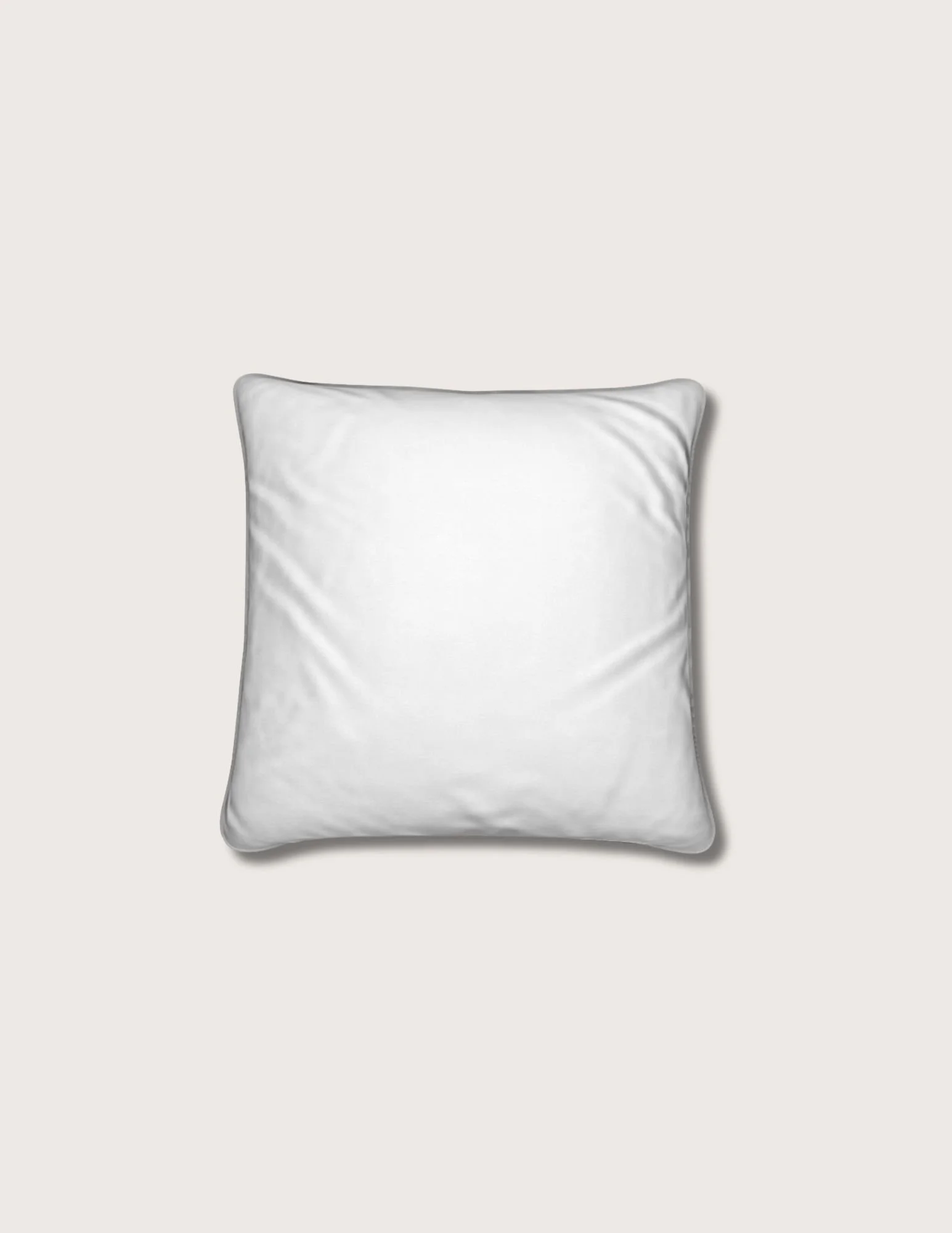
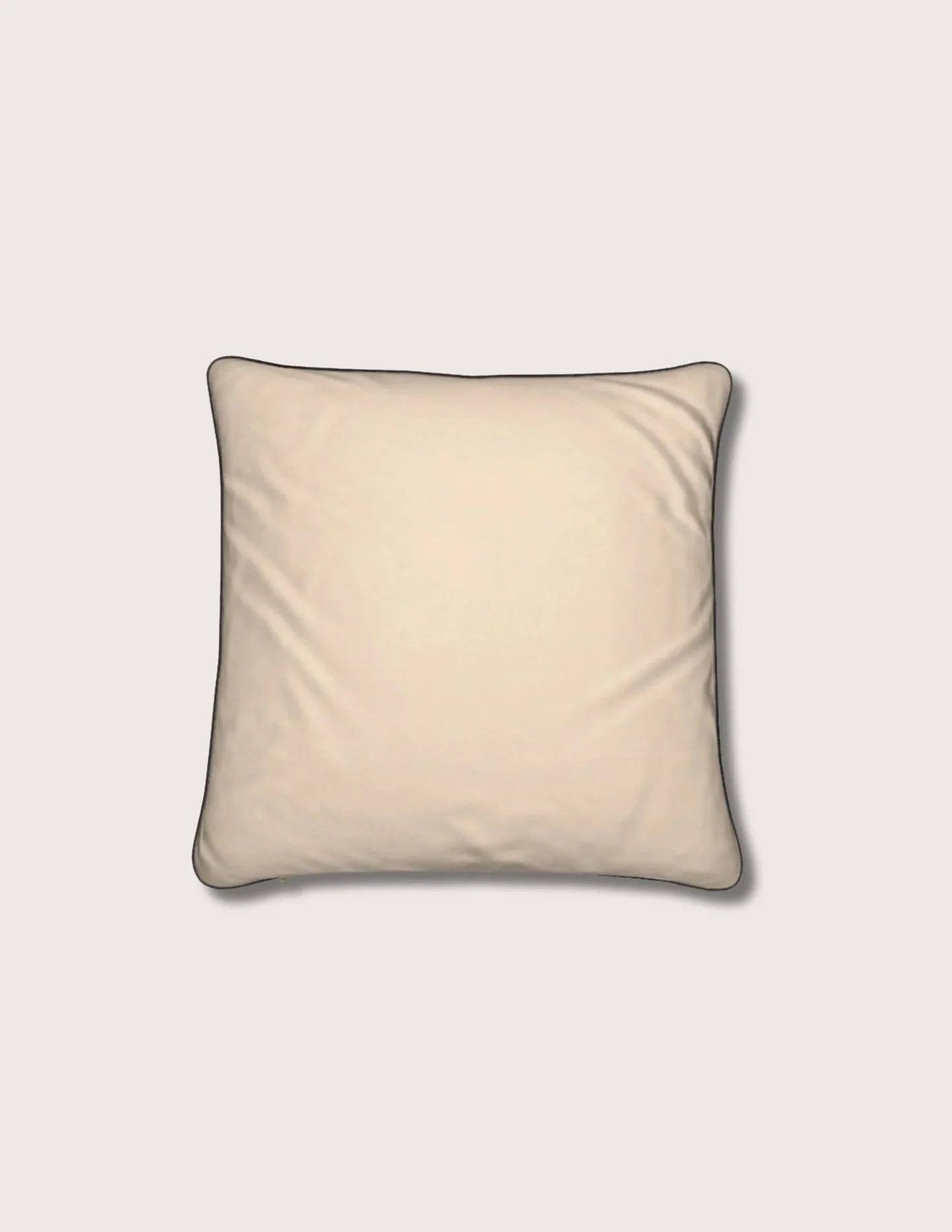
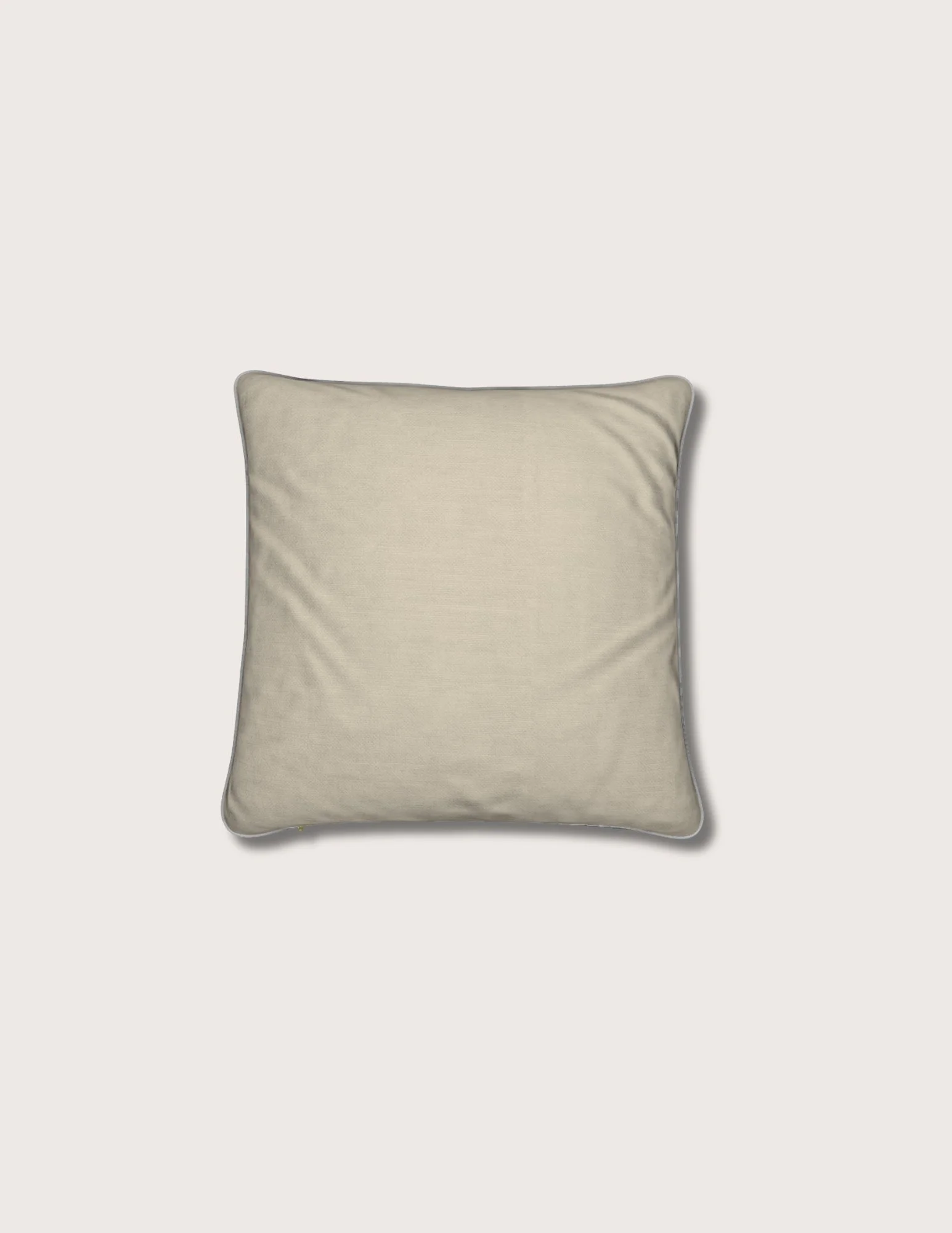
Ivory back

Down feather insert

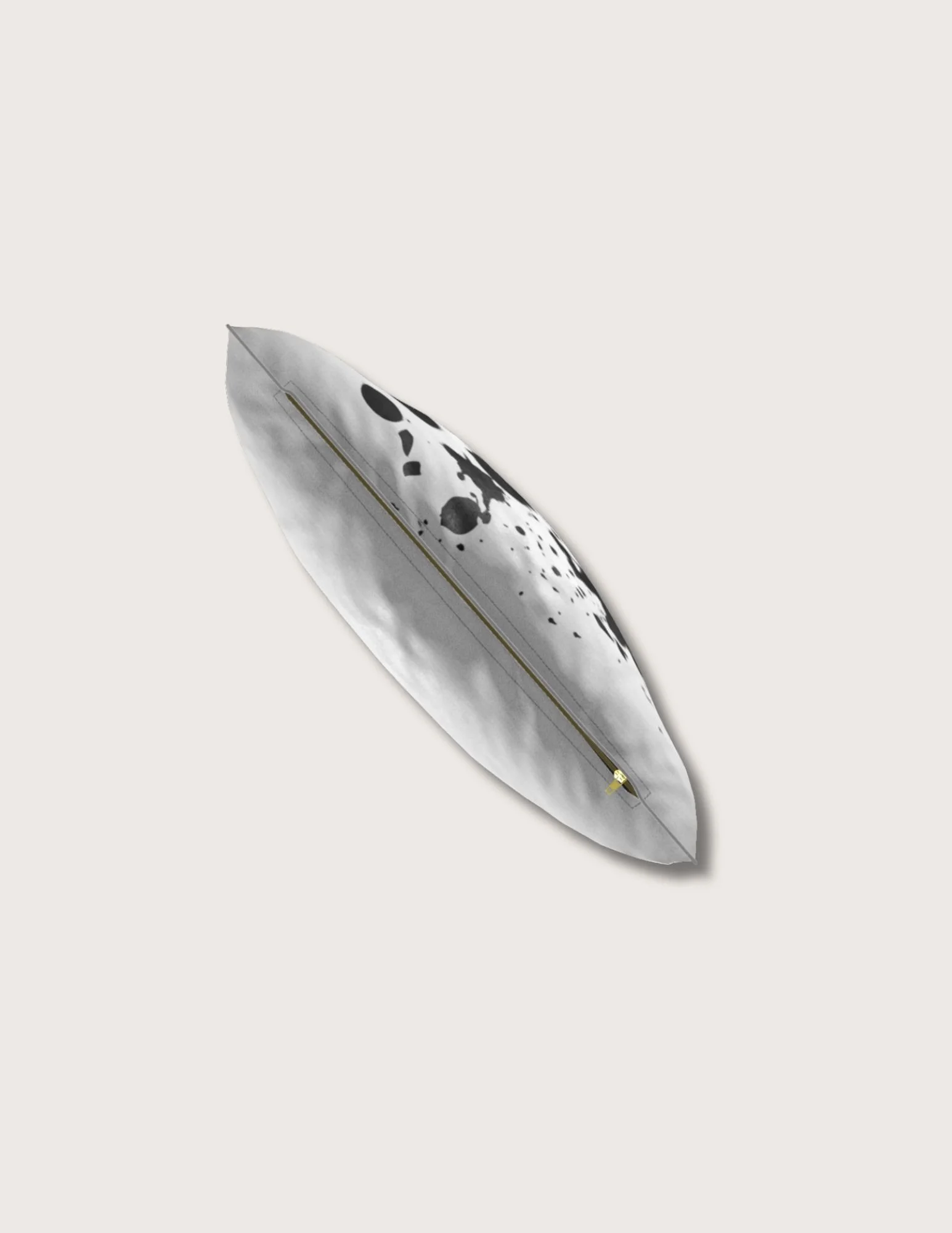
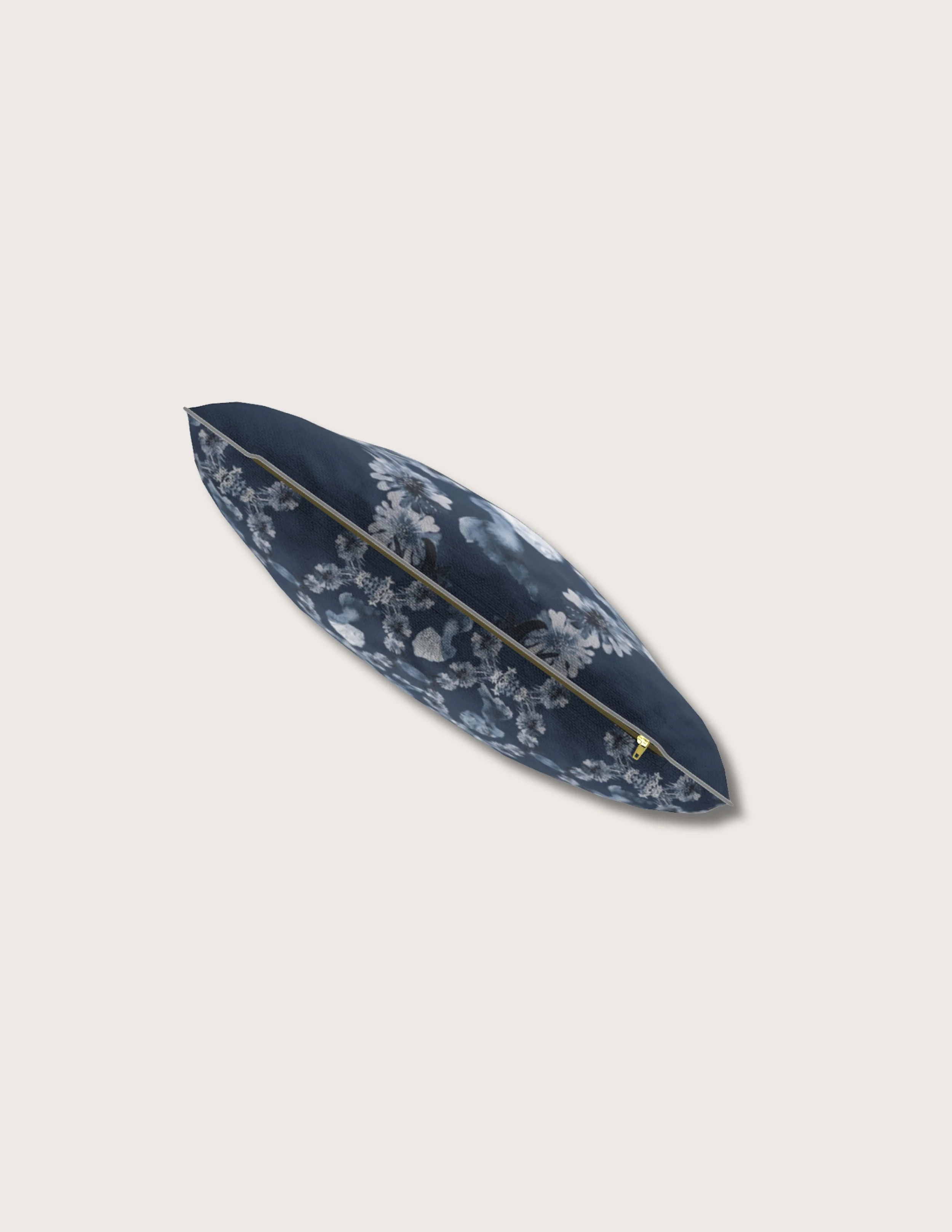
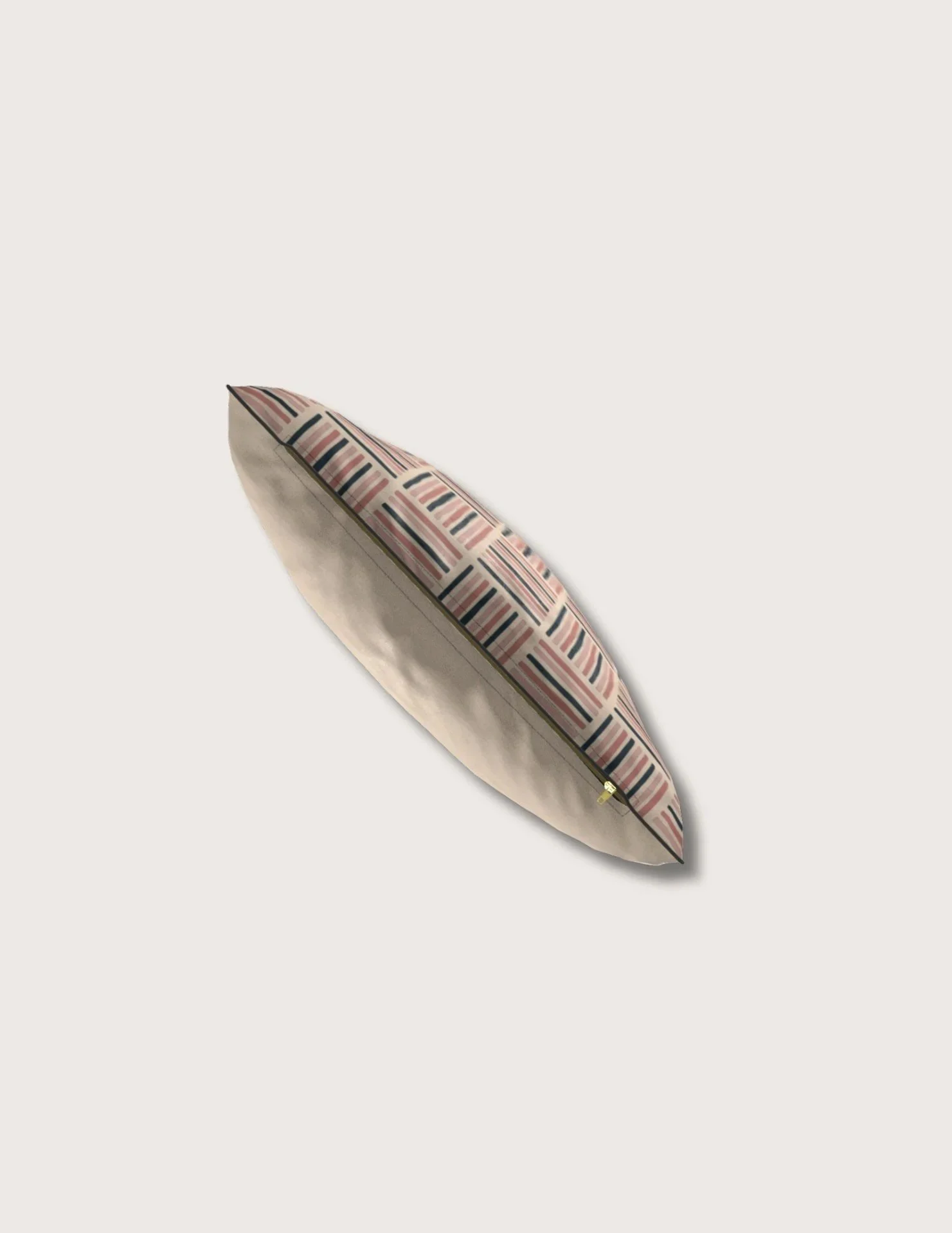
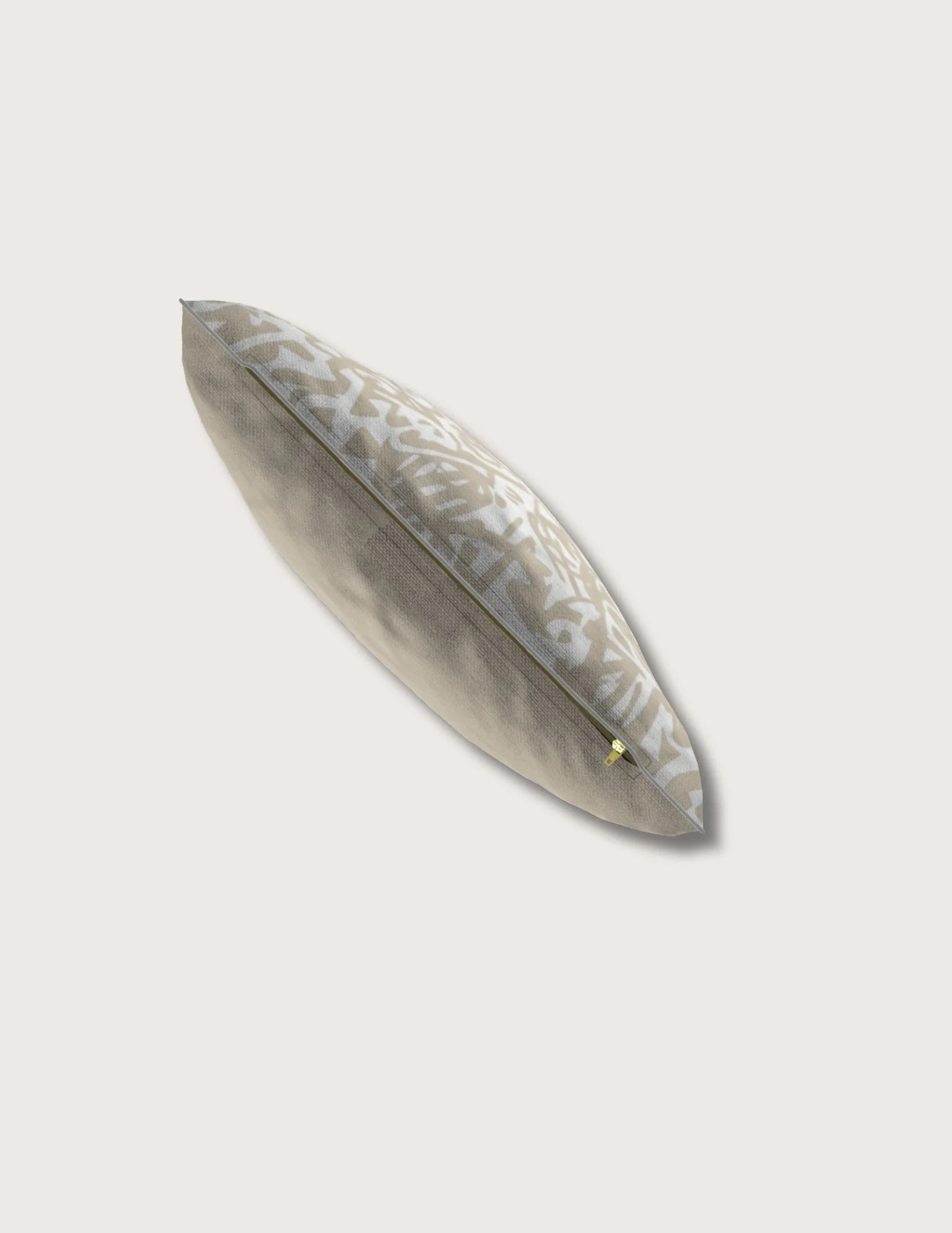
Gold zipper

Available in velvet (shown), cotton-linen or outdoor eco weave

Cotton-Linen:

95% cotton 5% linen

Weight: 6.72 oz

BCI organic FABRIC

Oeko-Tex Standard 100 Ink

GOTS ECOCERT Certified Ink

Velvet Fabric:

100% polyester

Weight: 8.26 oz

Oeko-Tex Standard 100 Ink

BS EN ISO 13934. 600N+

BS EN ISO 6330 @ 30°C

BS EN ISO 13936

Outdoor Eco Weave Fabric:

Water resistant outdoor fabric

100% recycled polyester

Weight: 7.67 oz

Oeko Tex Standard 100 fabric

Global Recycled Standard (GRS)

Do not place in direct sunlight to avoid fading

Certifications

Martindale > 20,000 revs:  Suitable for use in medium wear applications

Rub Fast 80k: Suitable for use in high wear / Severe Contract applications

Resistance to Piling: Grade 3/4 for appropriate for use in high wear domestic environments

Tear Strength ≥30N+: good fabric to use in domestic or public areas

Tensile Strength 600N+: good for use in domestic or public areas

Fire Safety: This fabric complies with the flammability performance requirements of The Nightwear (Safety) Regulations 1985. (Statutory Instrument 1985 No 2043)

Care Instructions: Wash at 86°F, low tumble dry heat, hang to dry, do not wring, low heat iron

Sustainably printed and woven in the UK

Made to order

Ships from 4 weeks worldwide 
Contact us for custom options

Shipping and returns policy