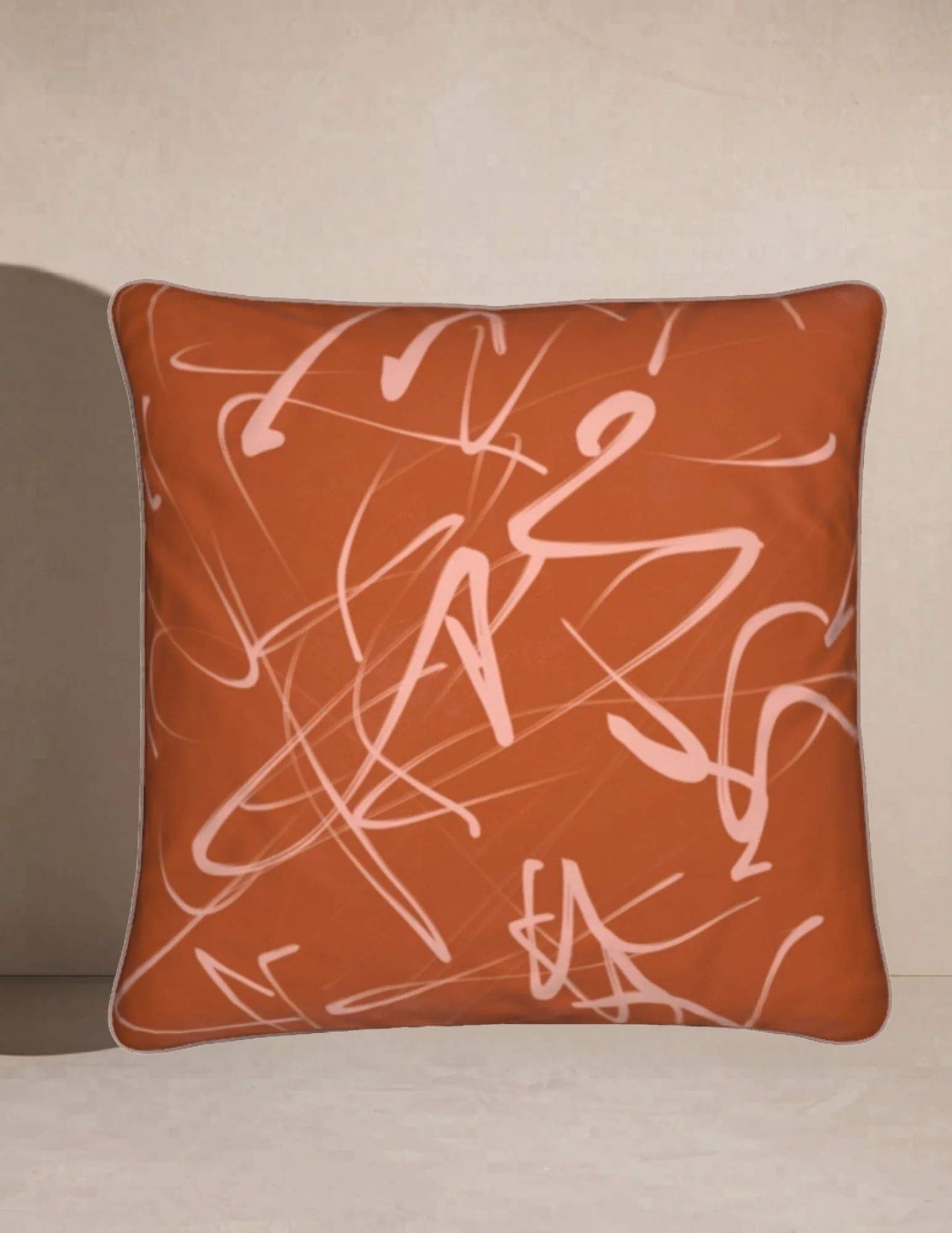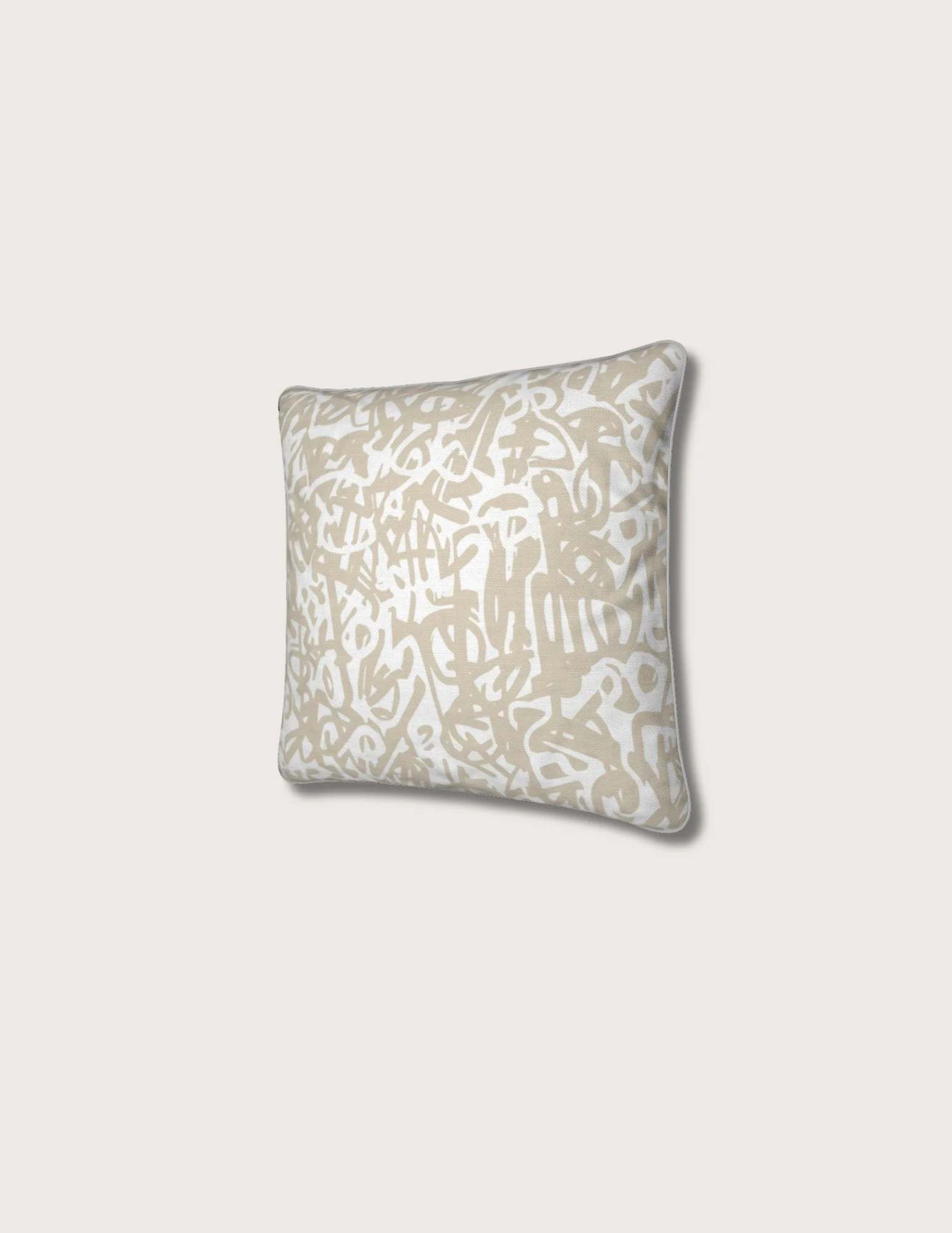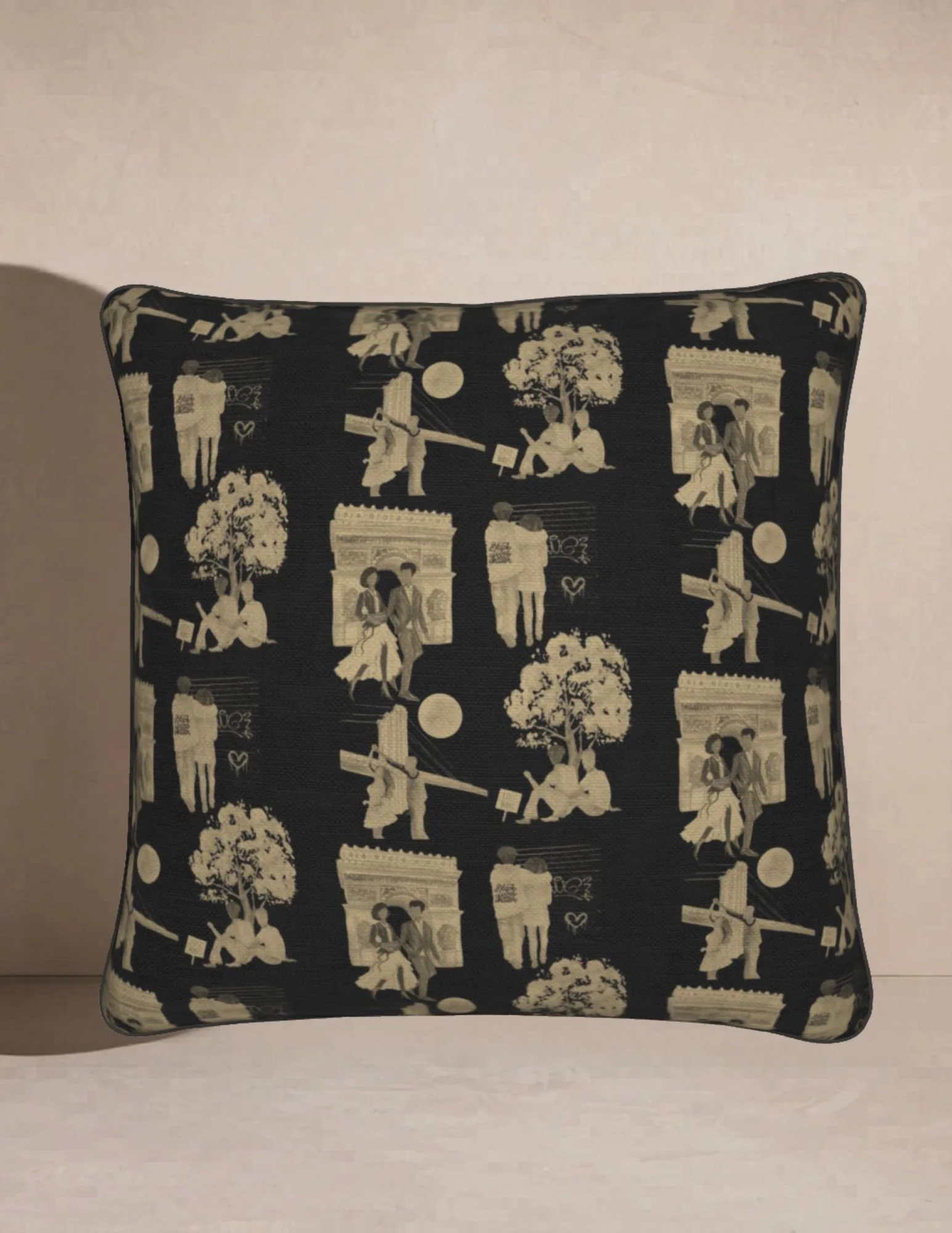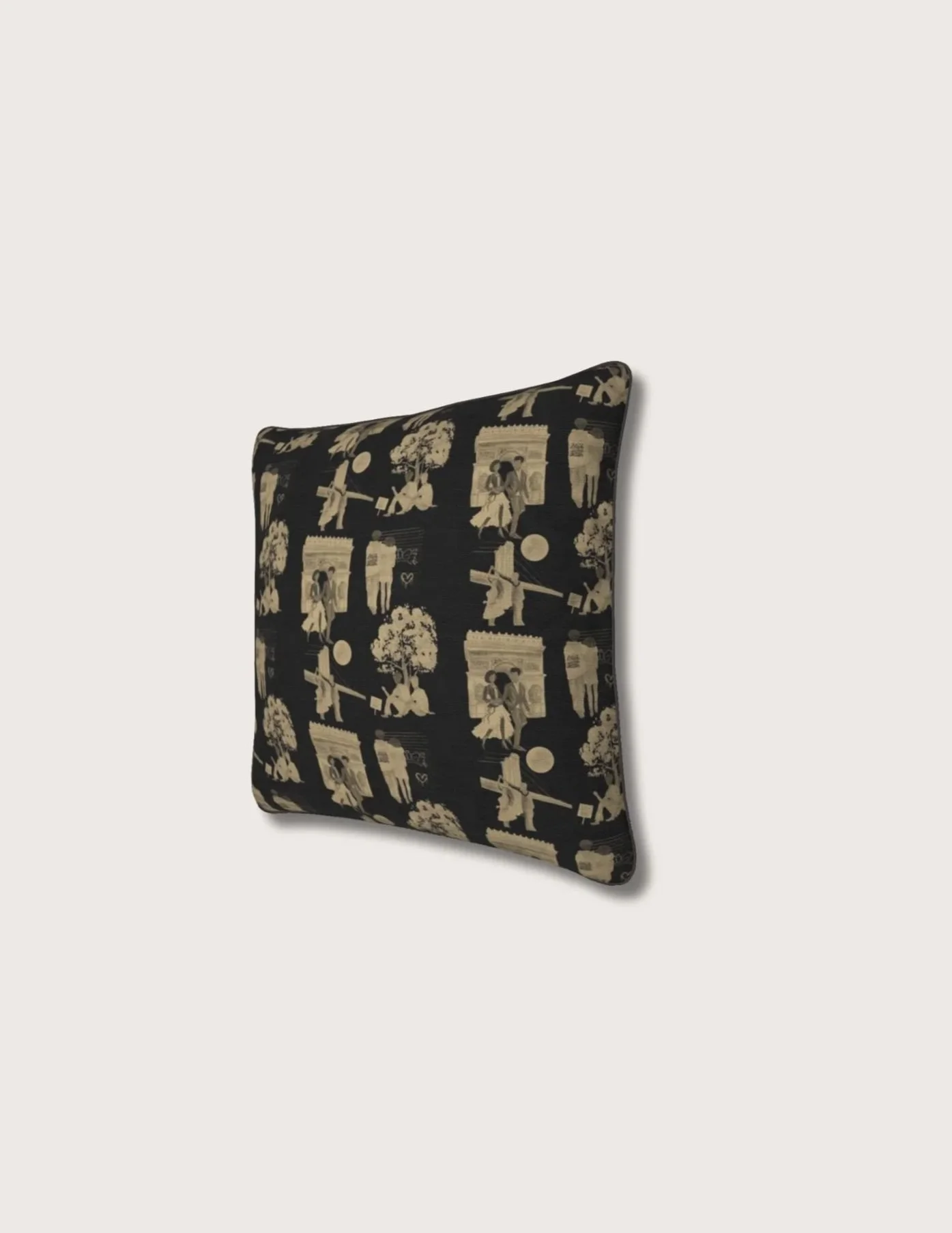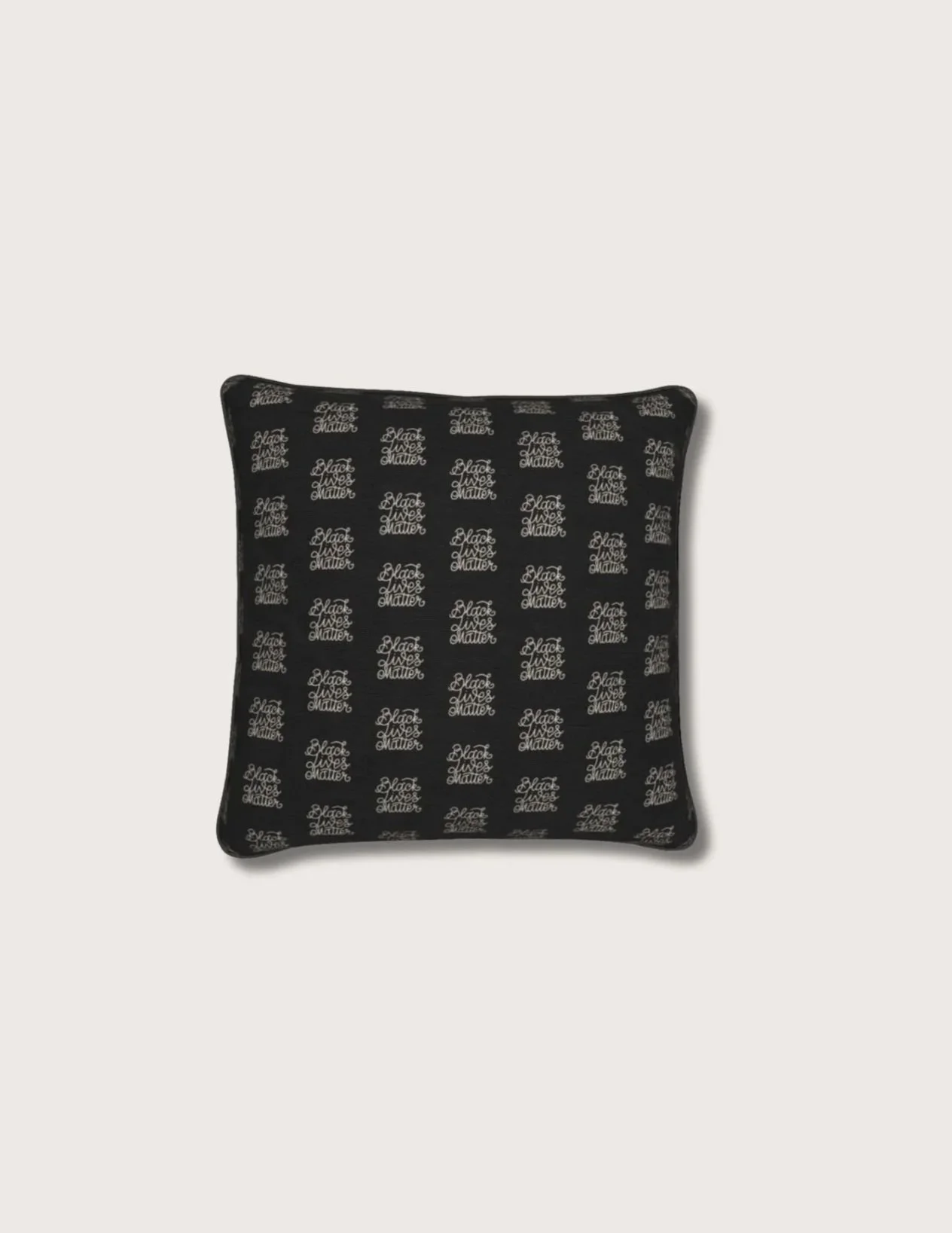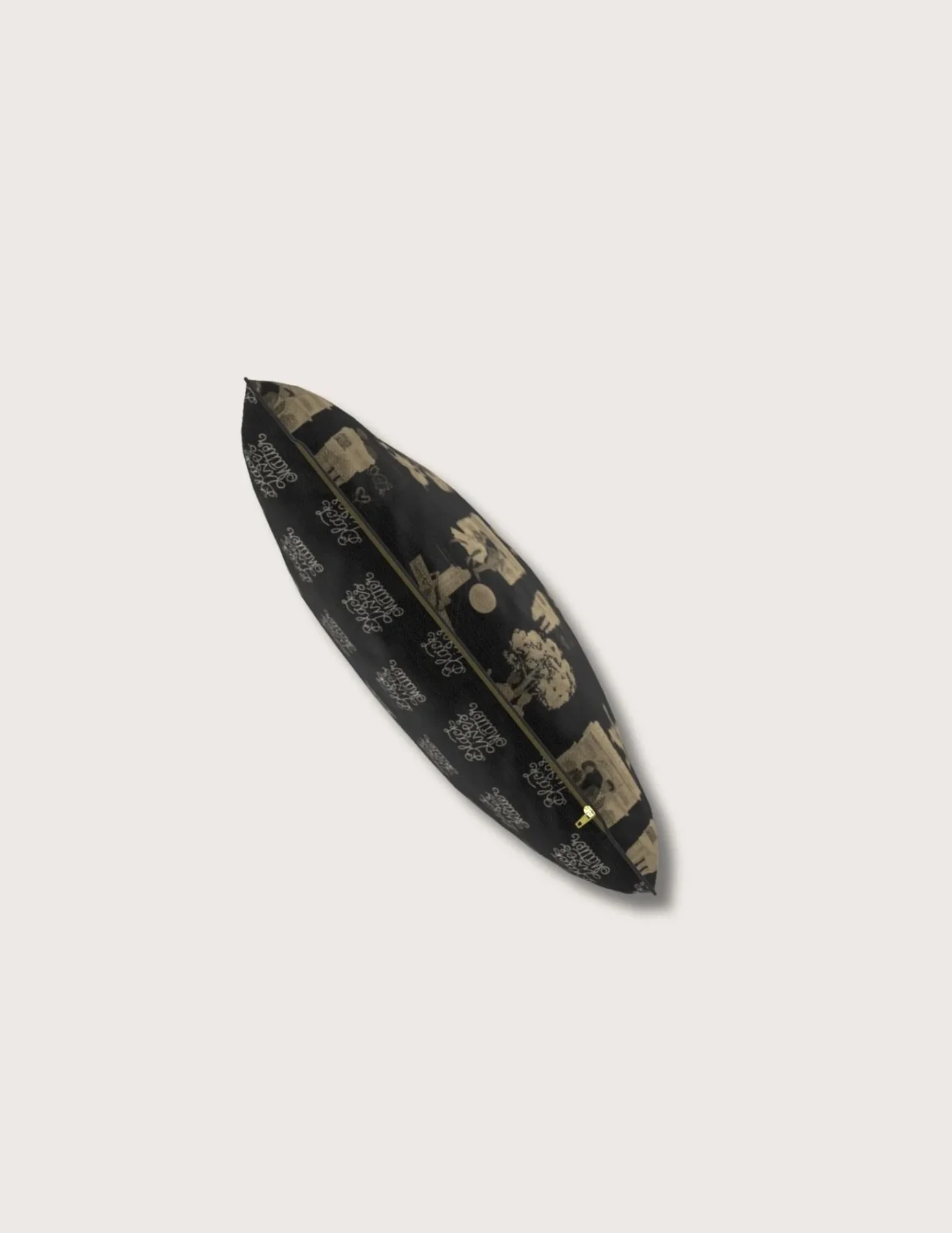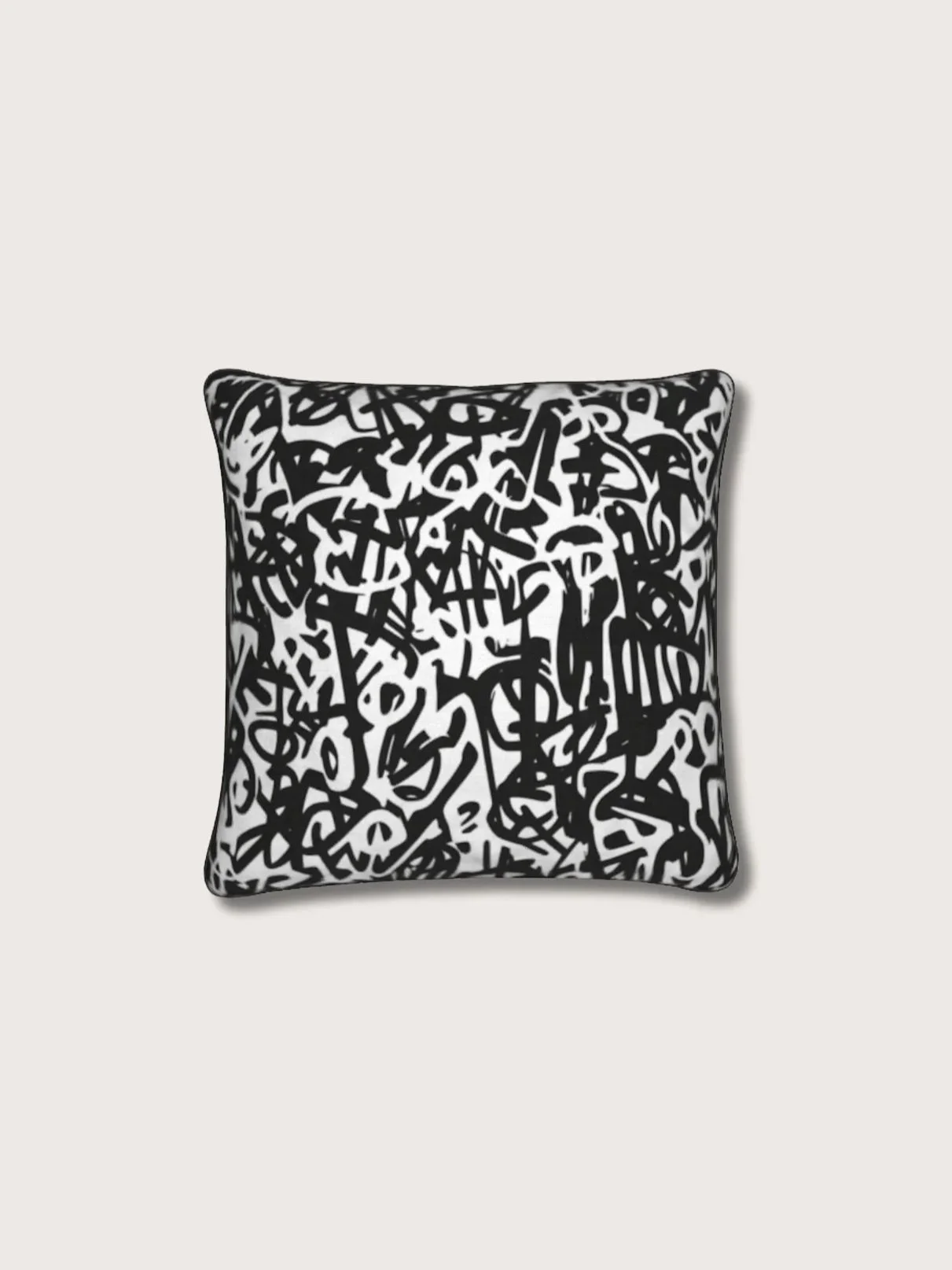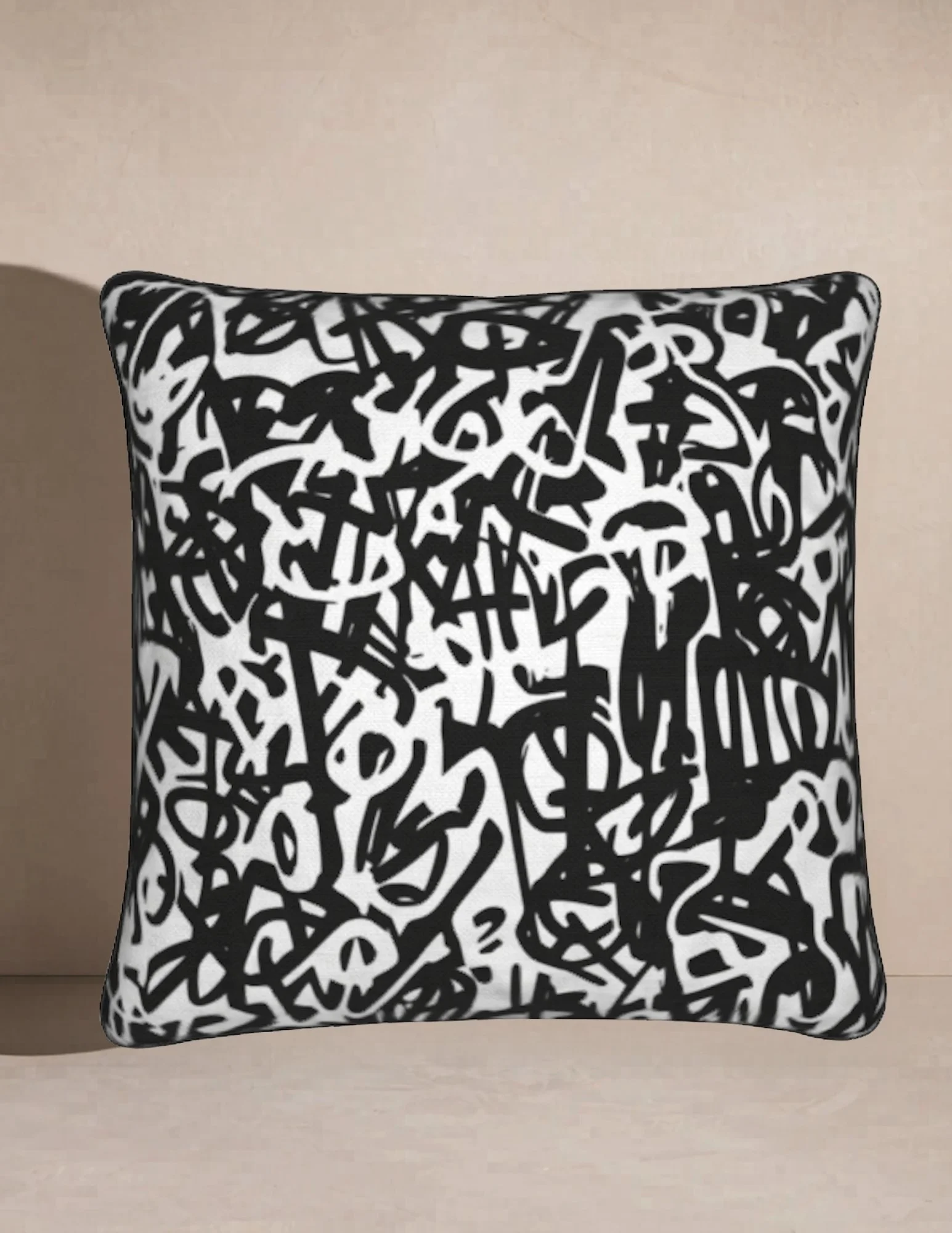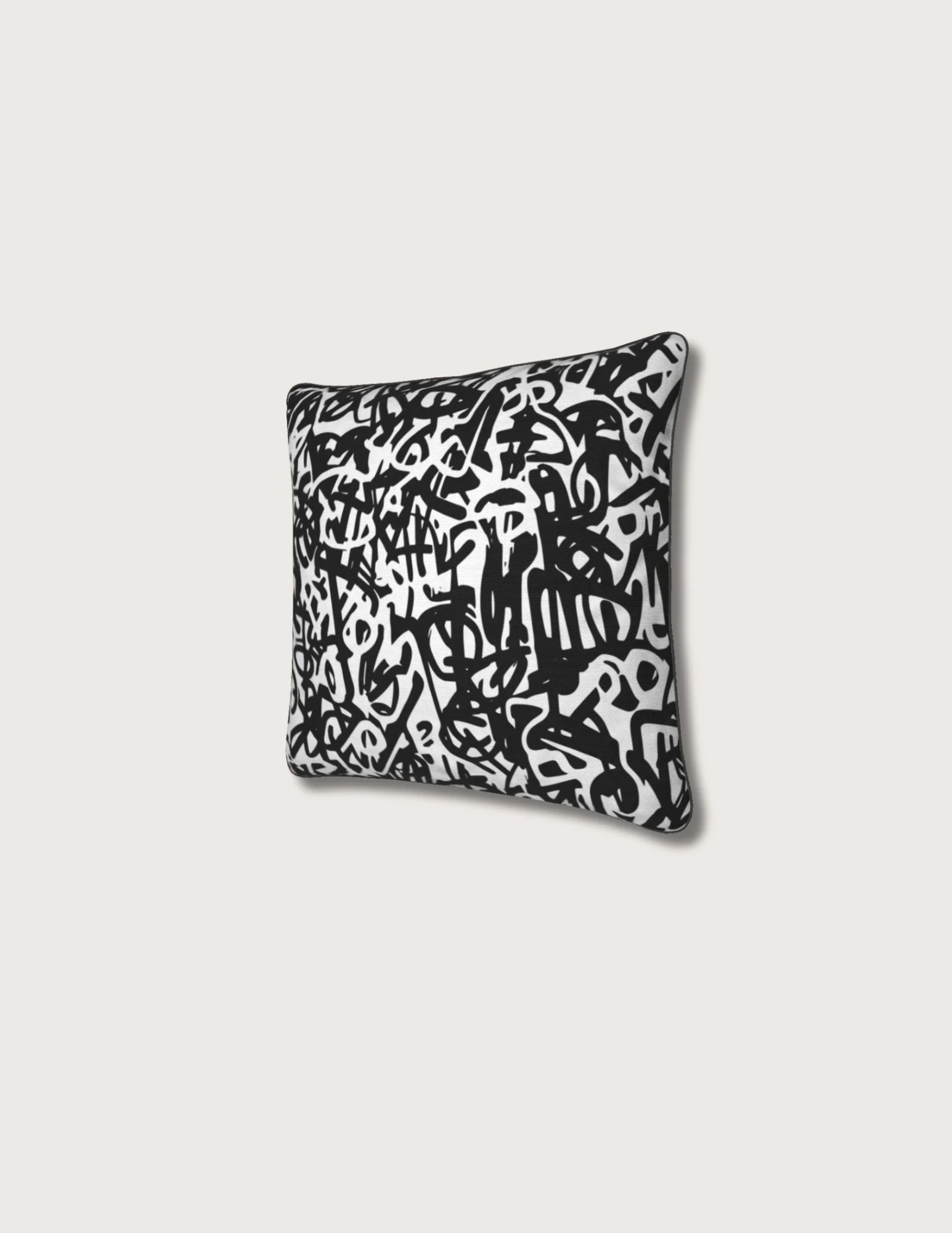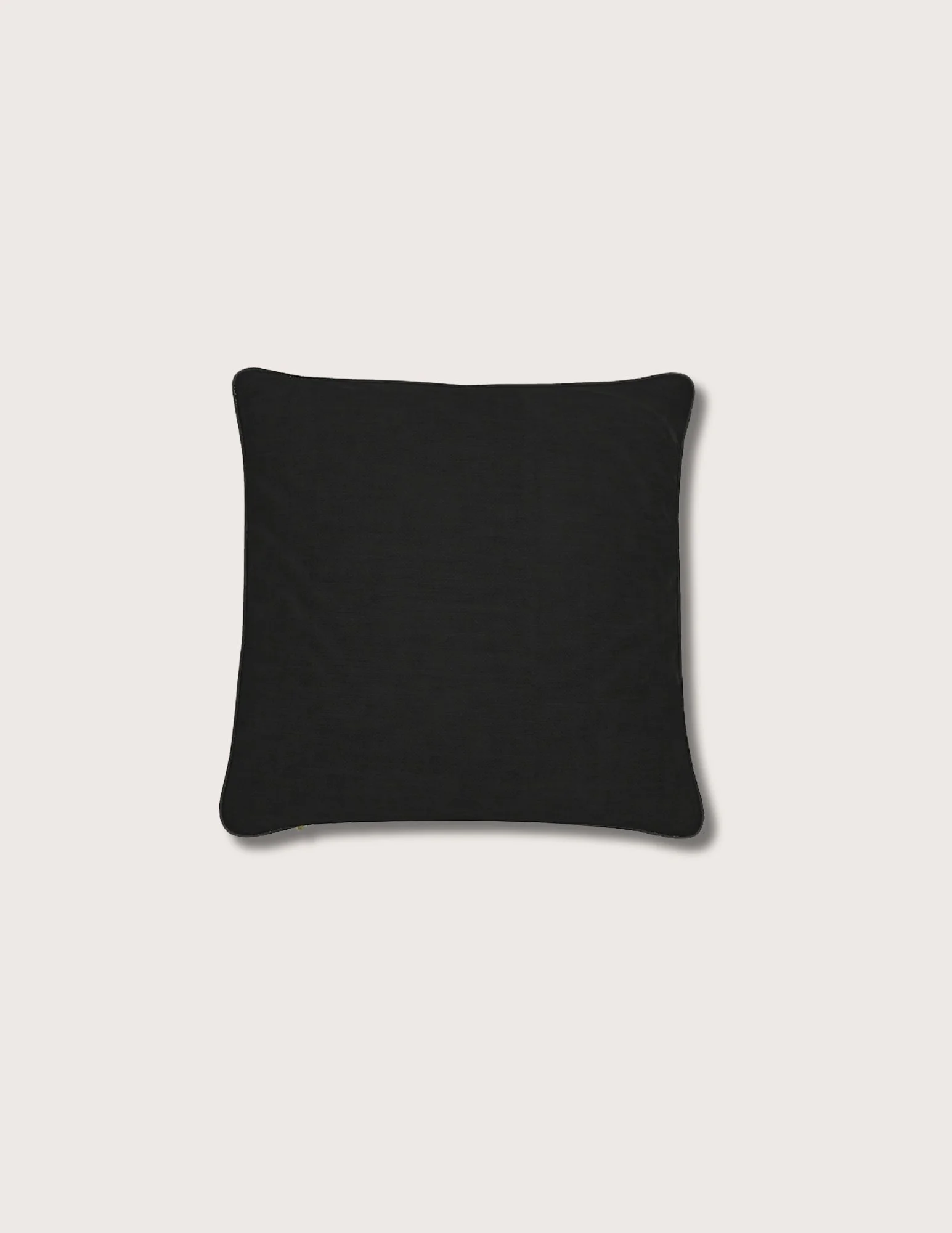
Hieratic Sienna Pillow

from $288.00
Material:

Details

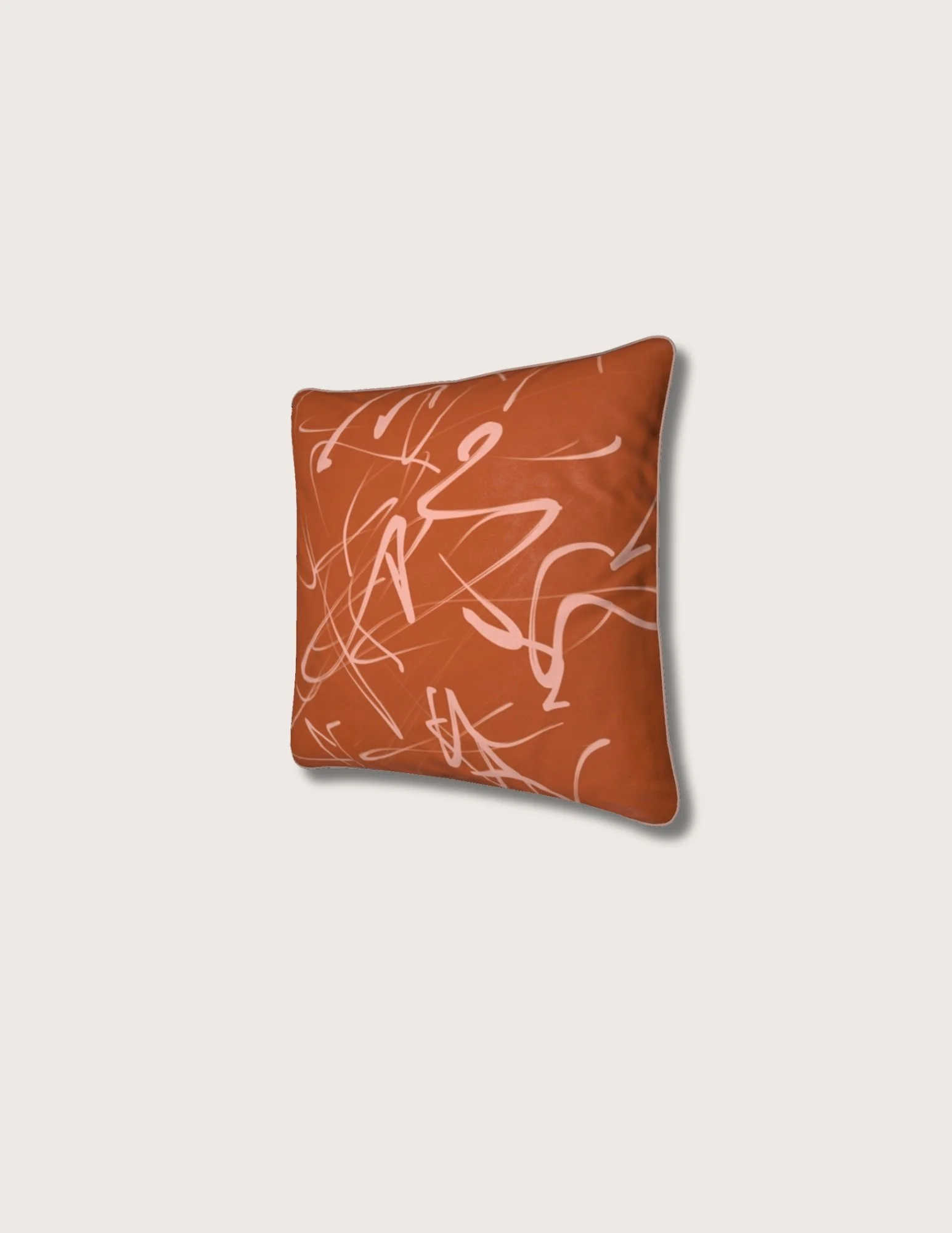
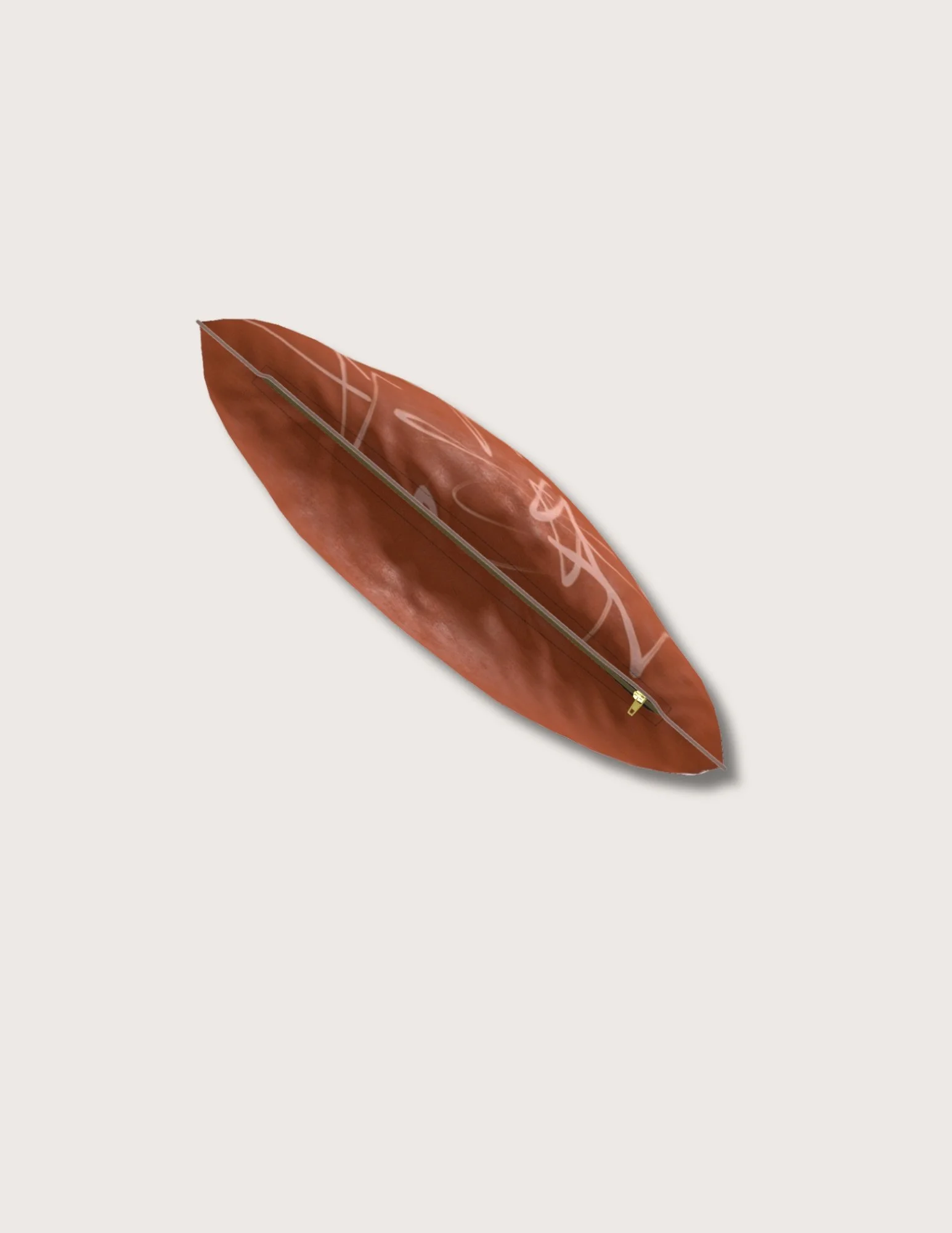
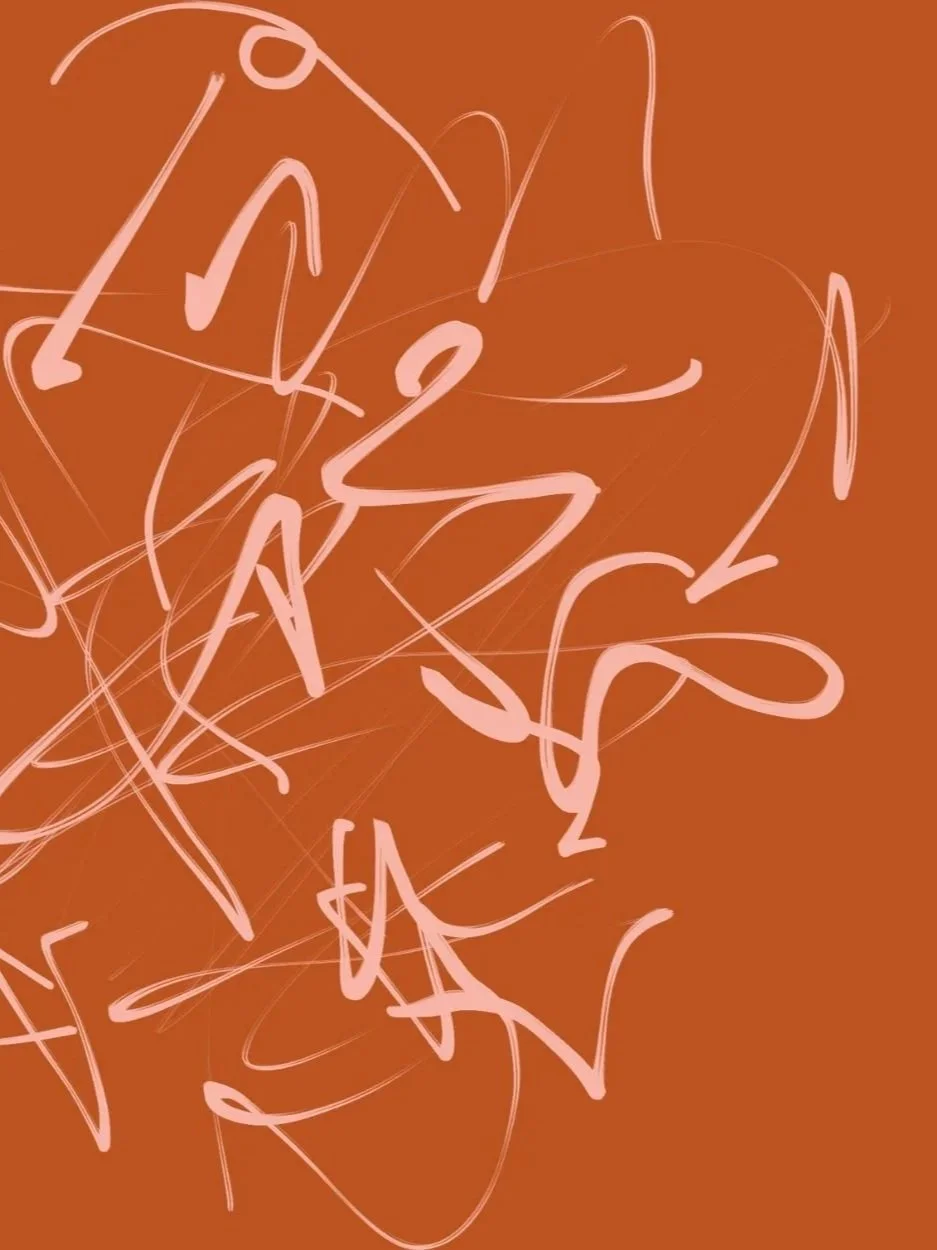
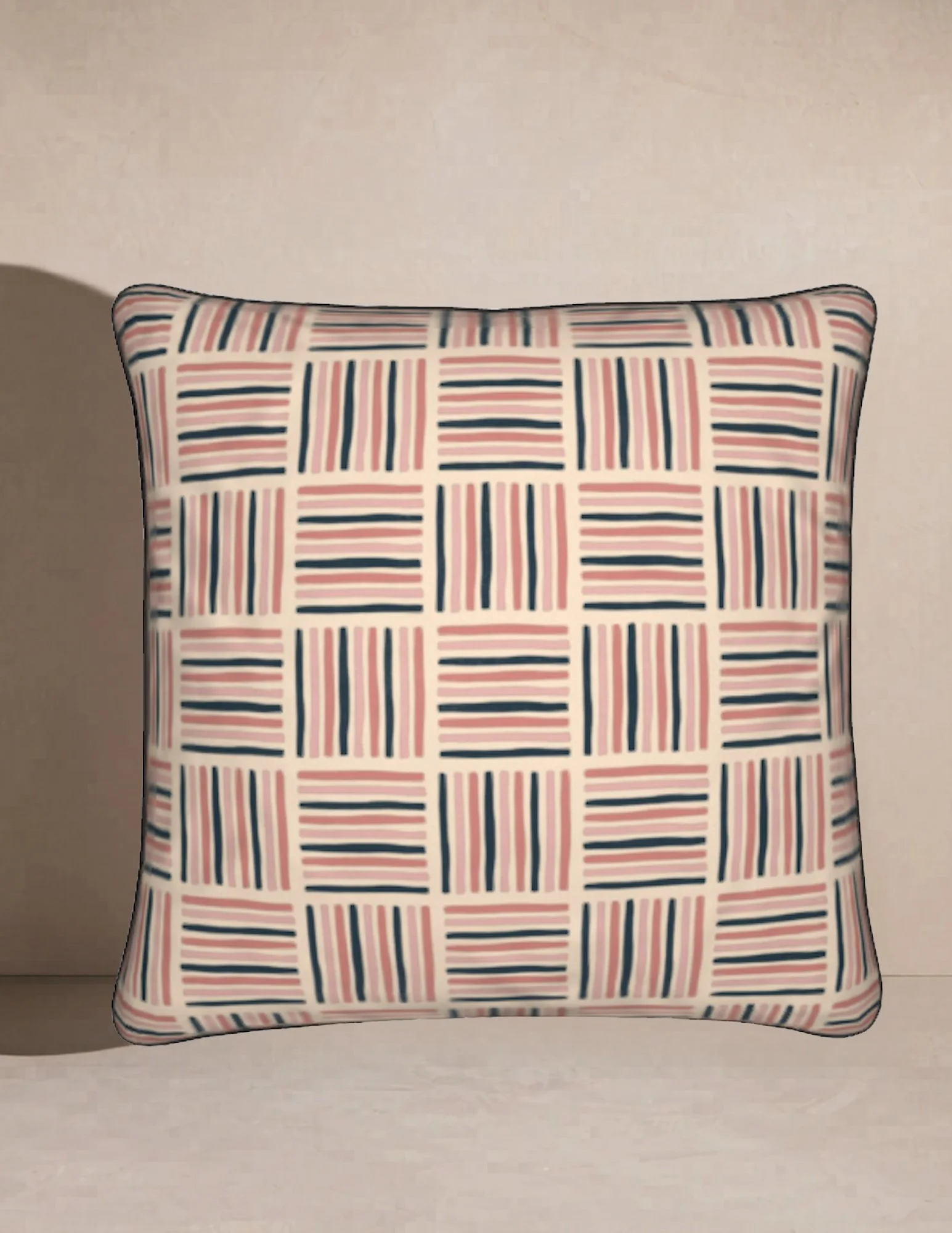
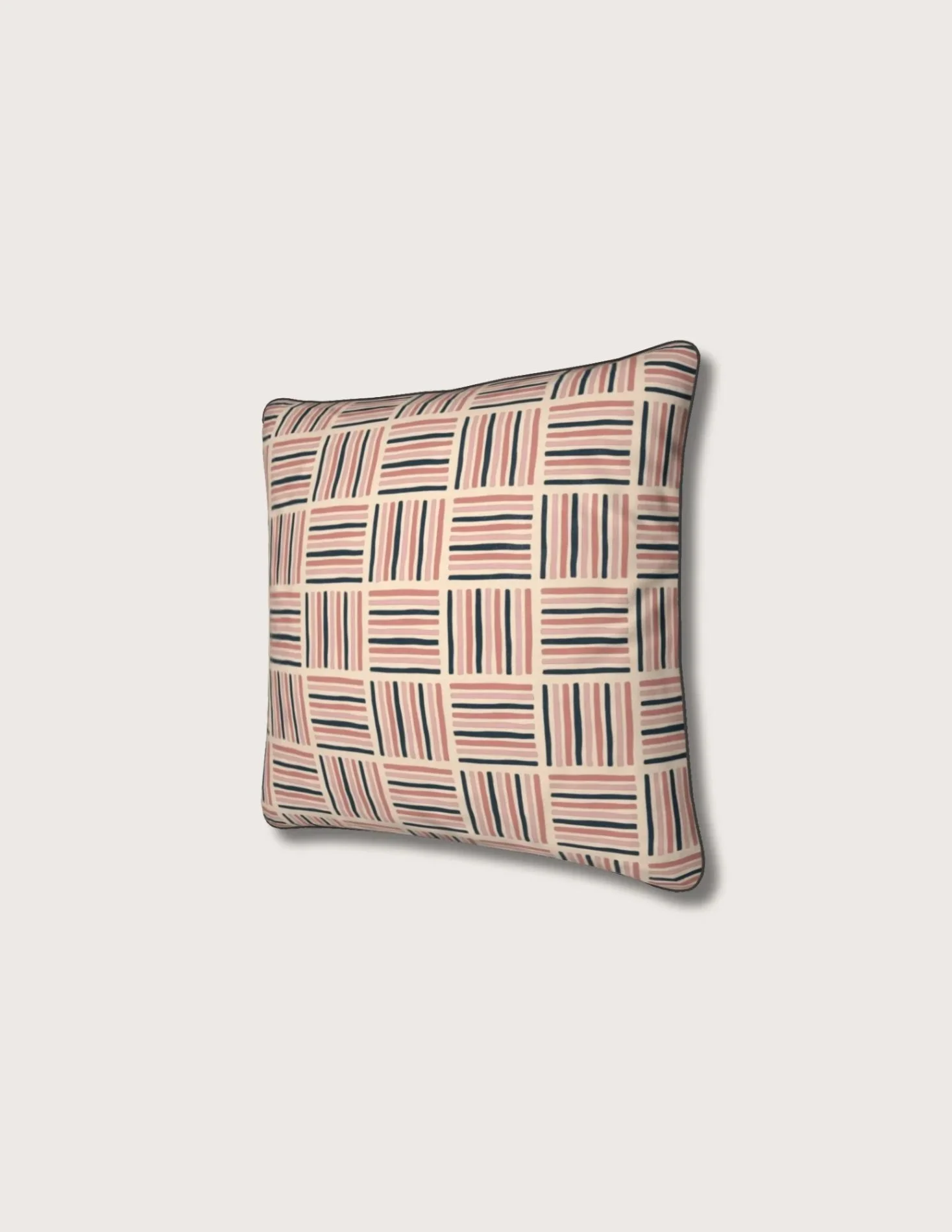
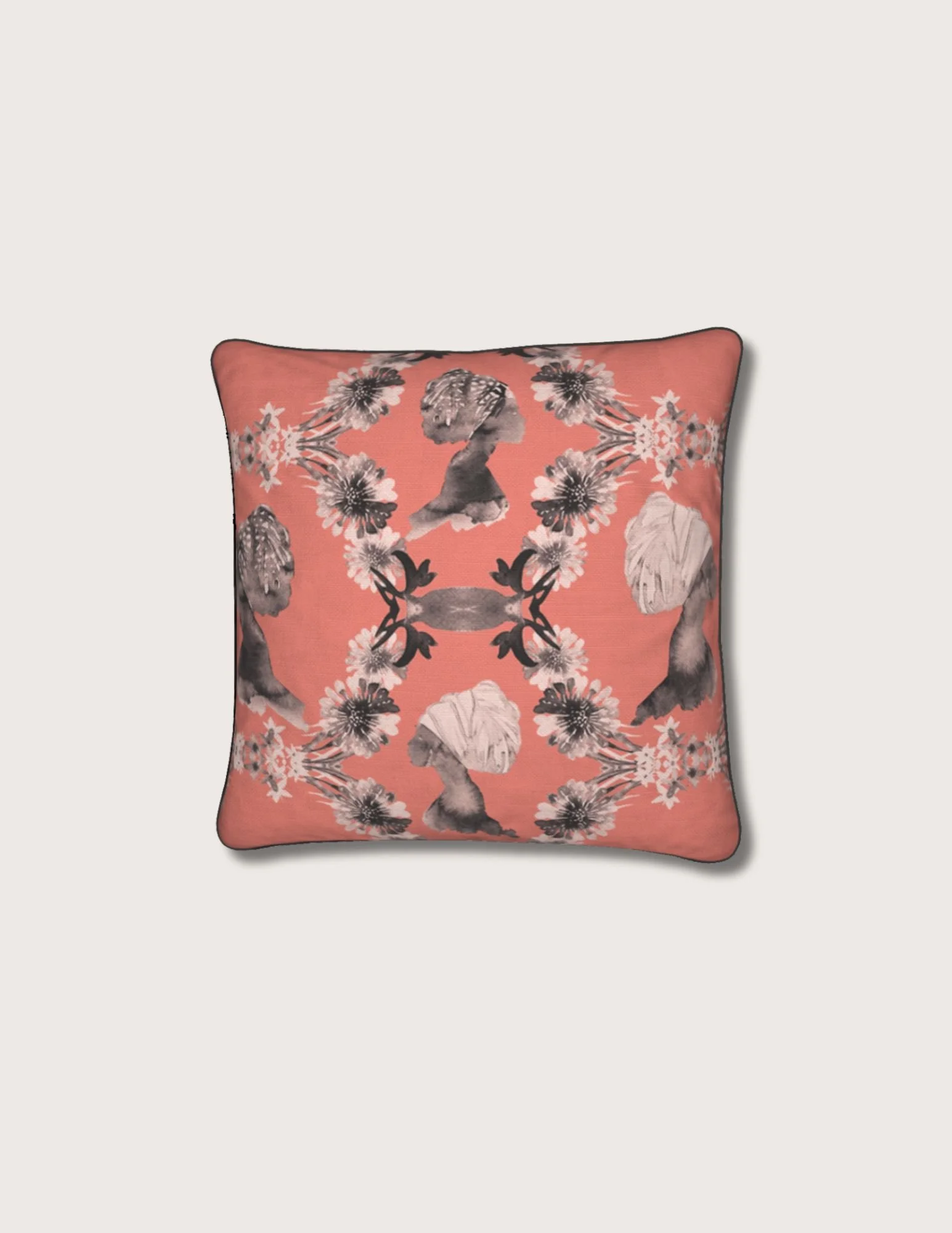
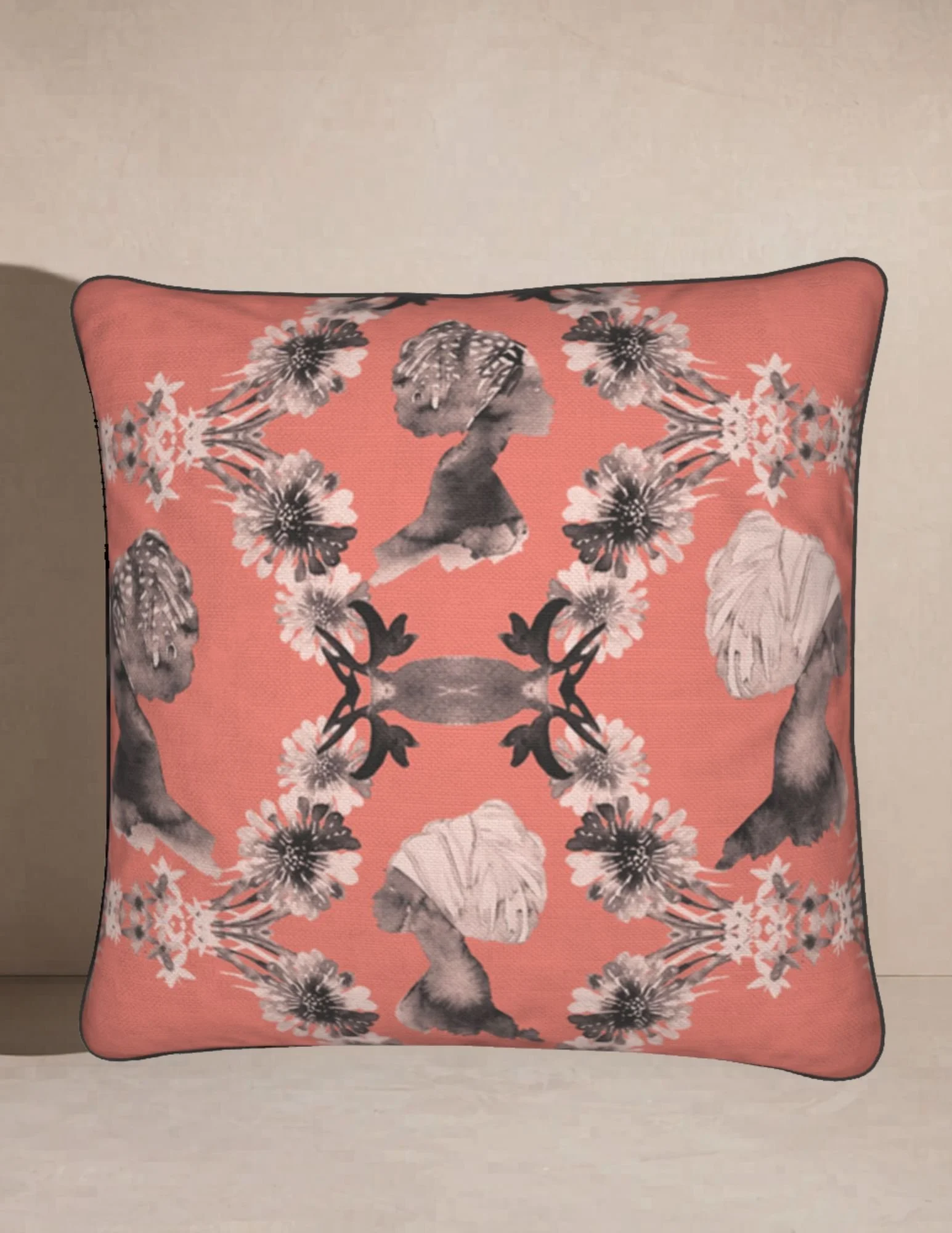
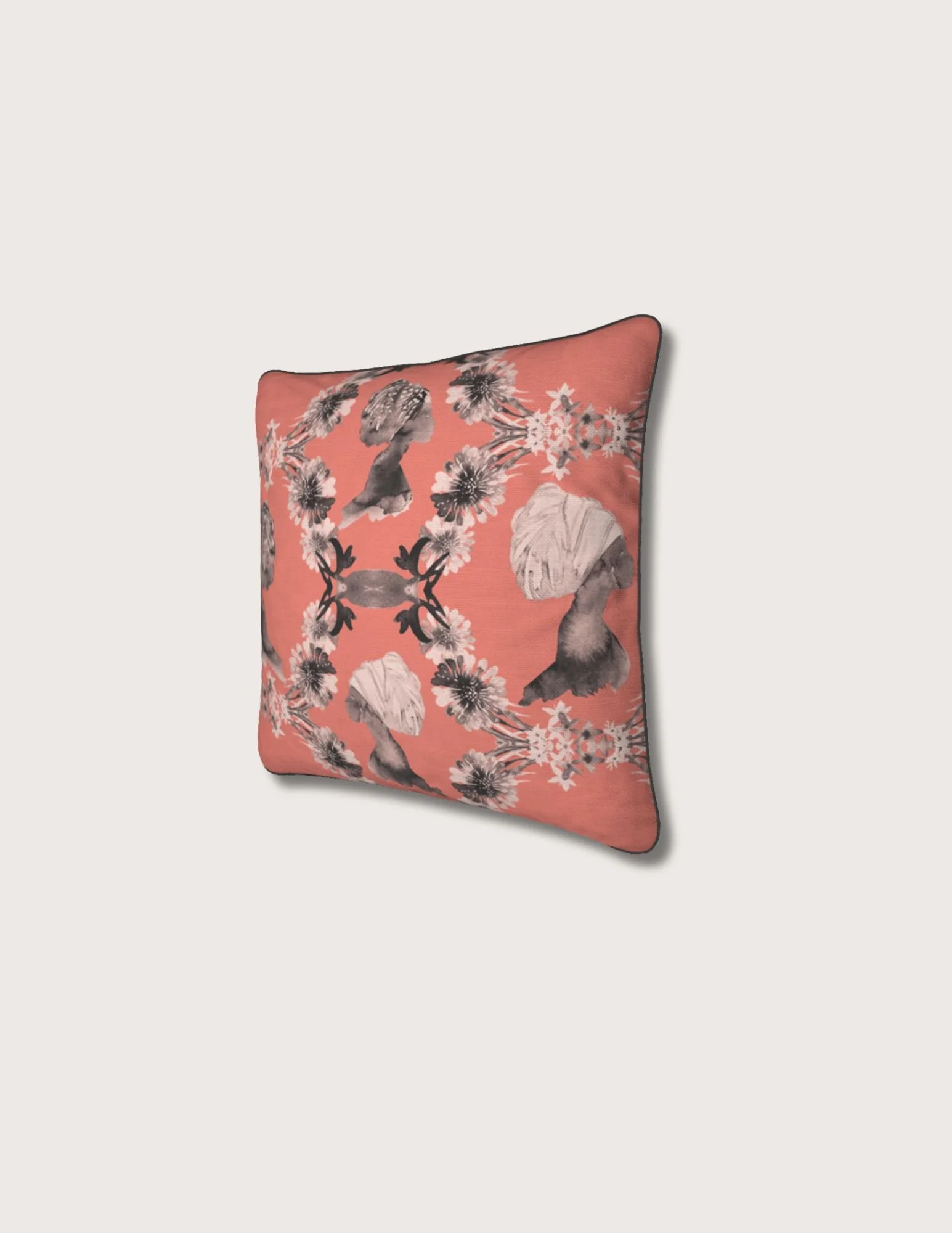
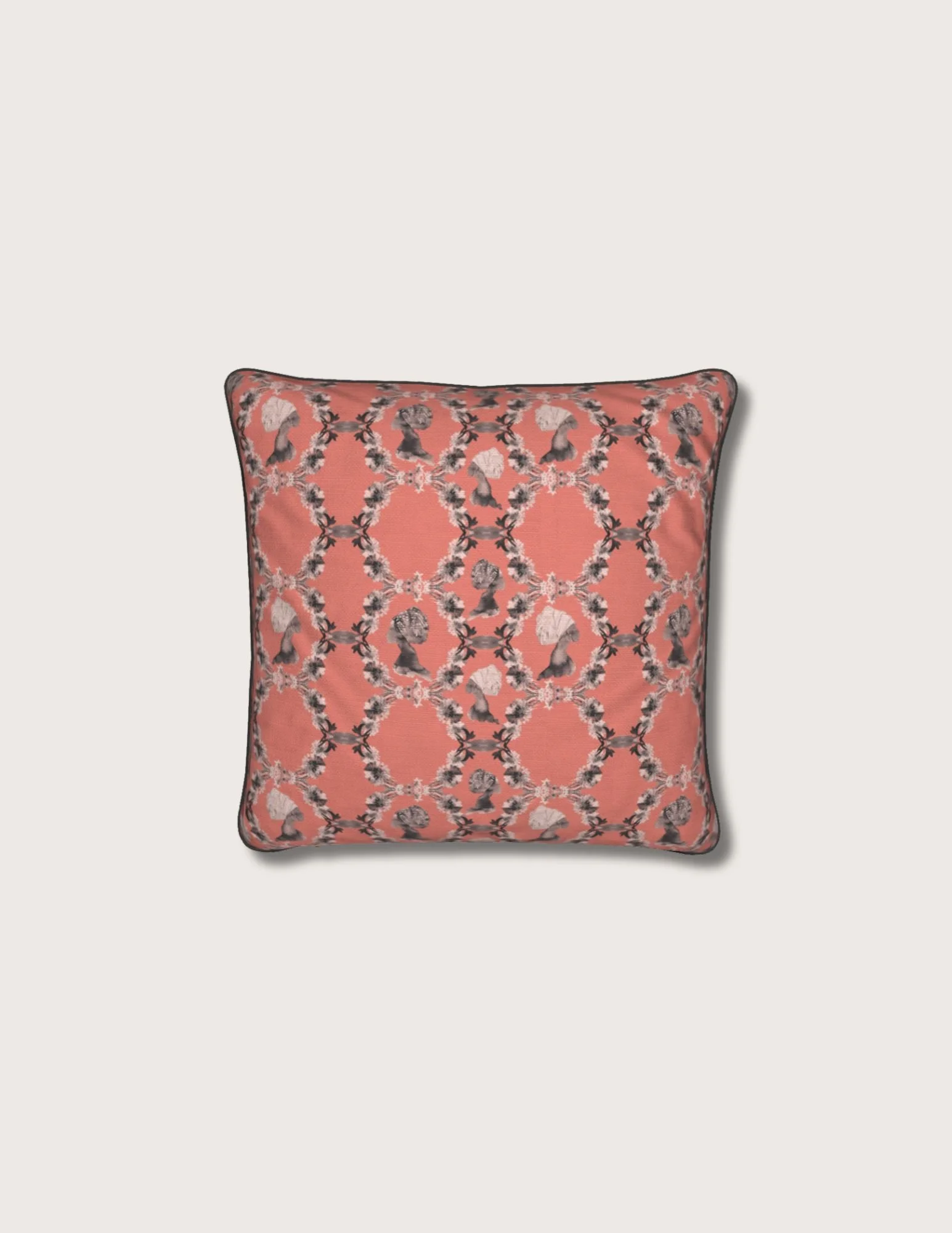
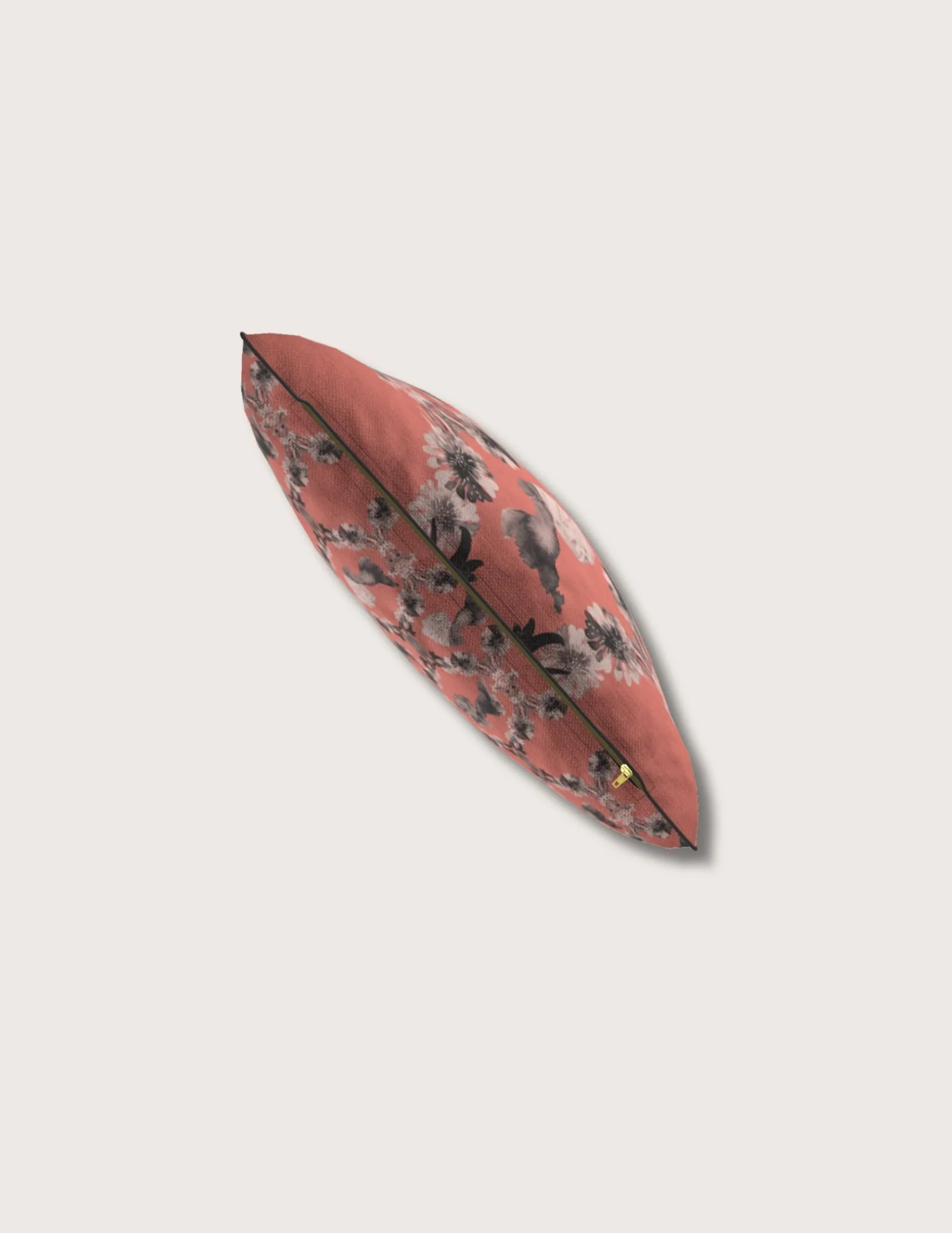
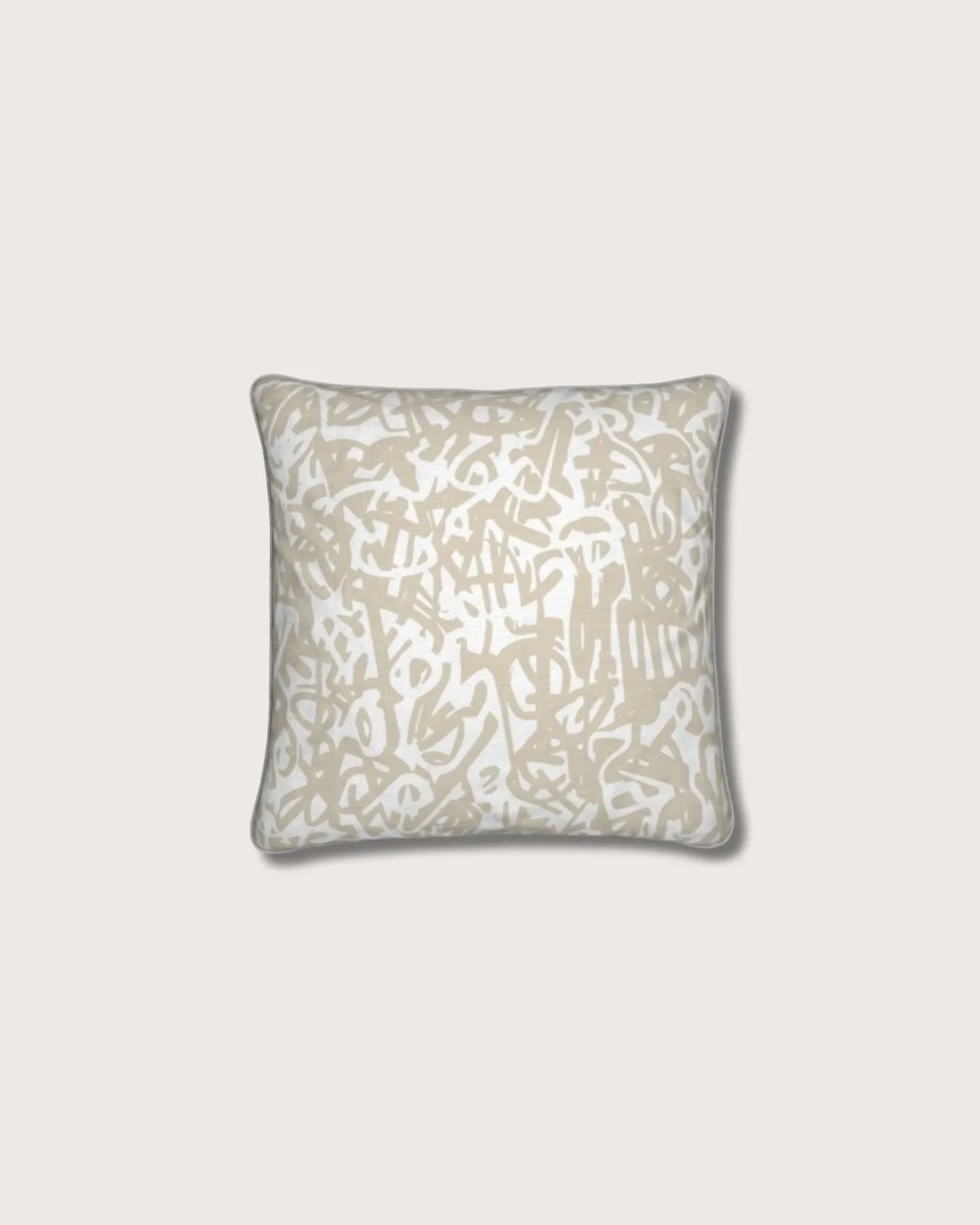
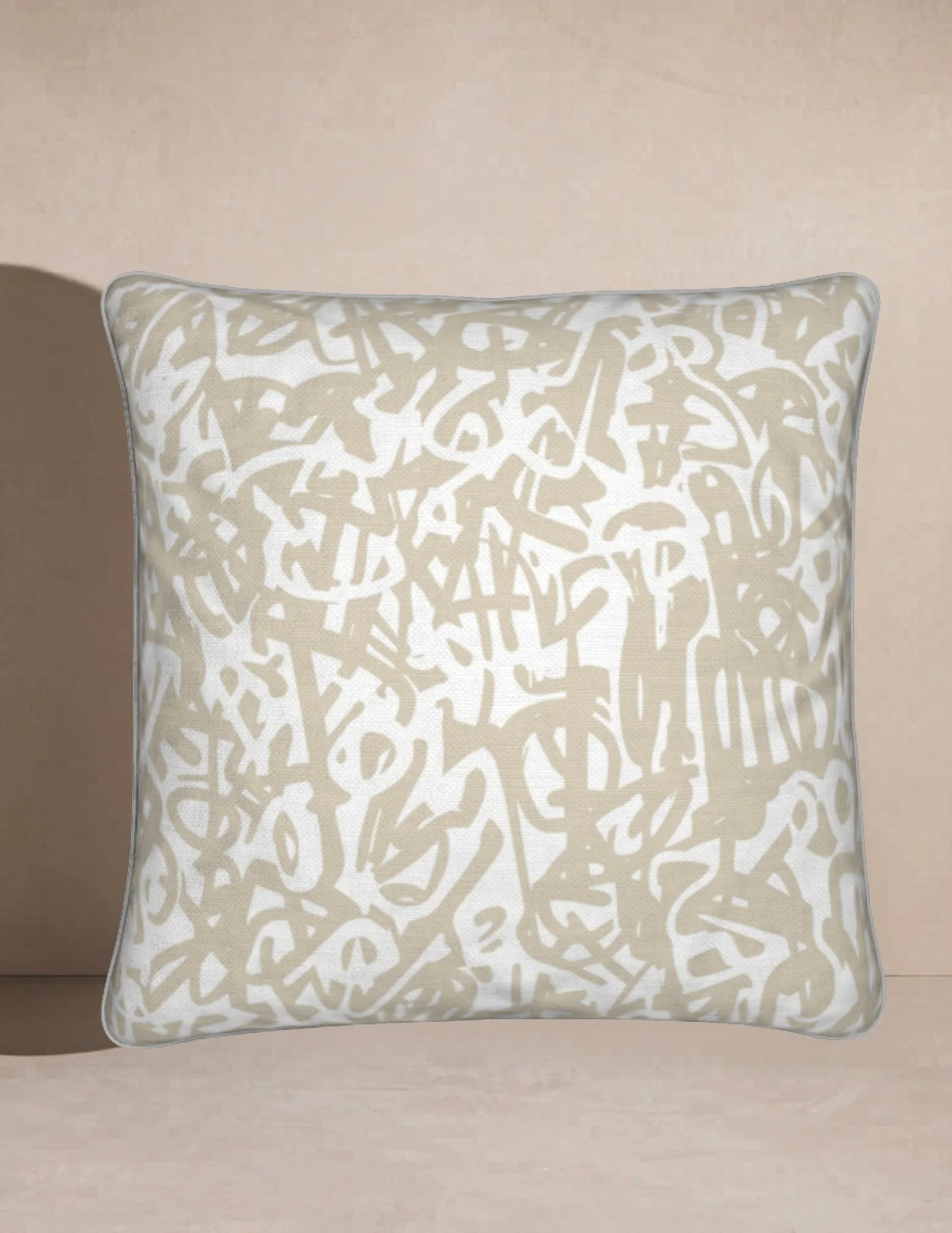
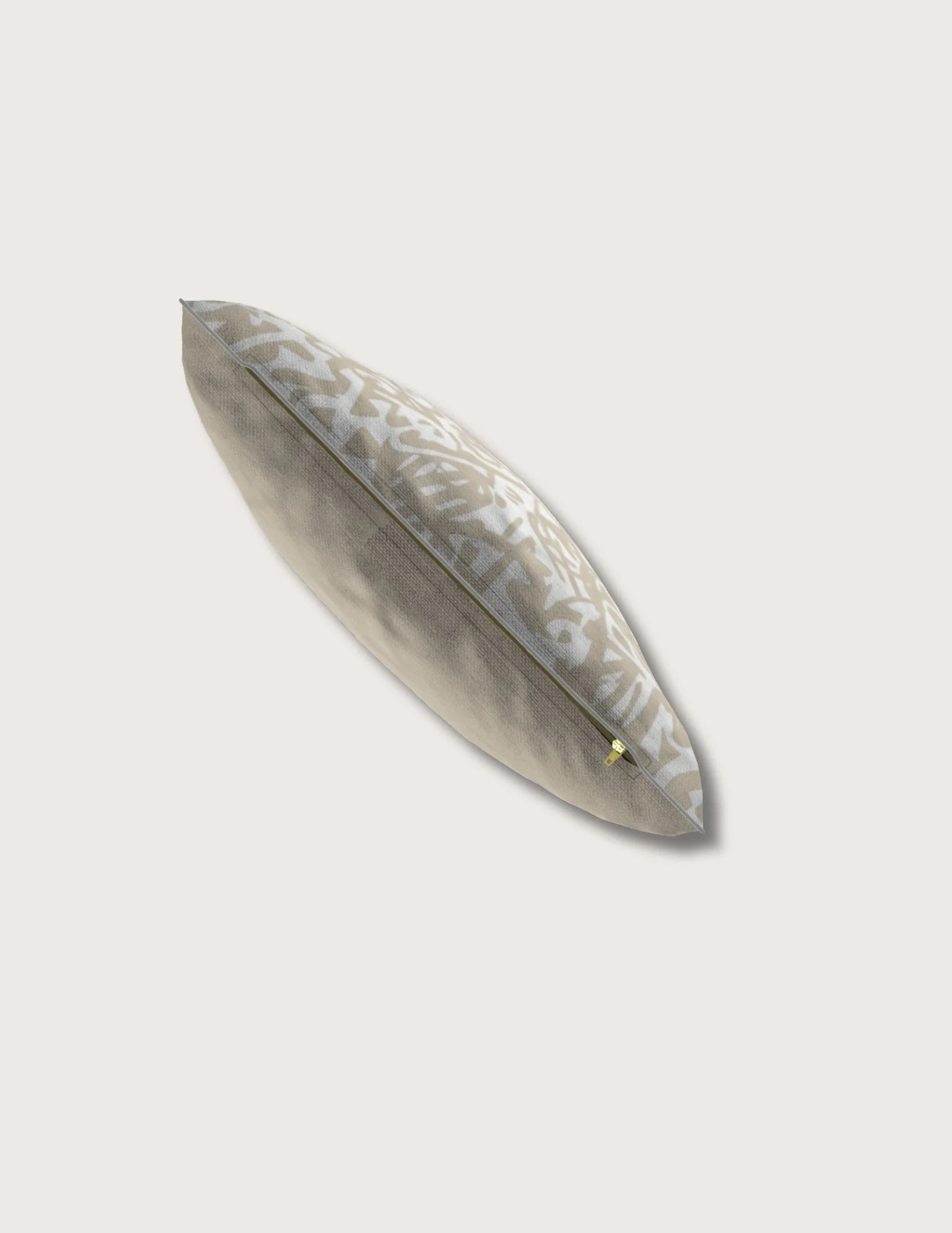
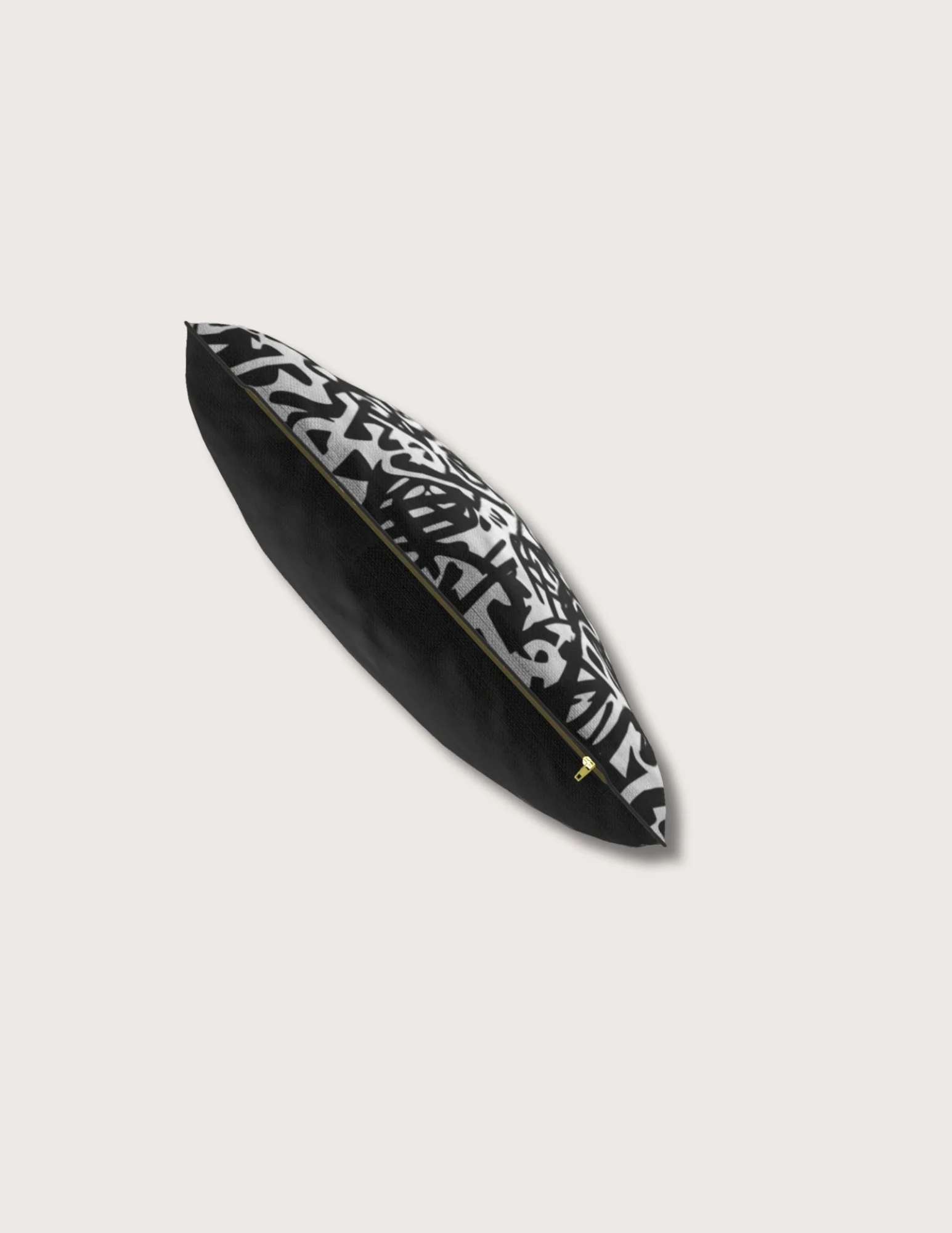
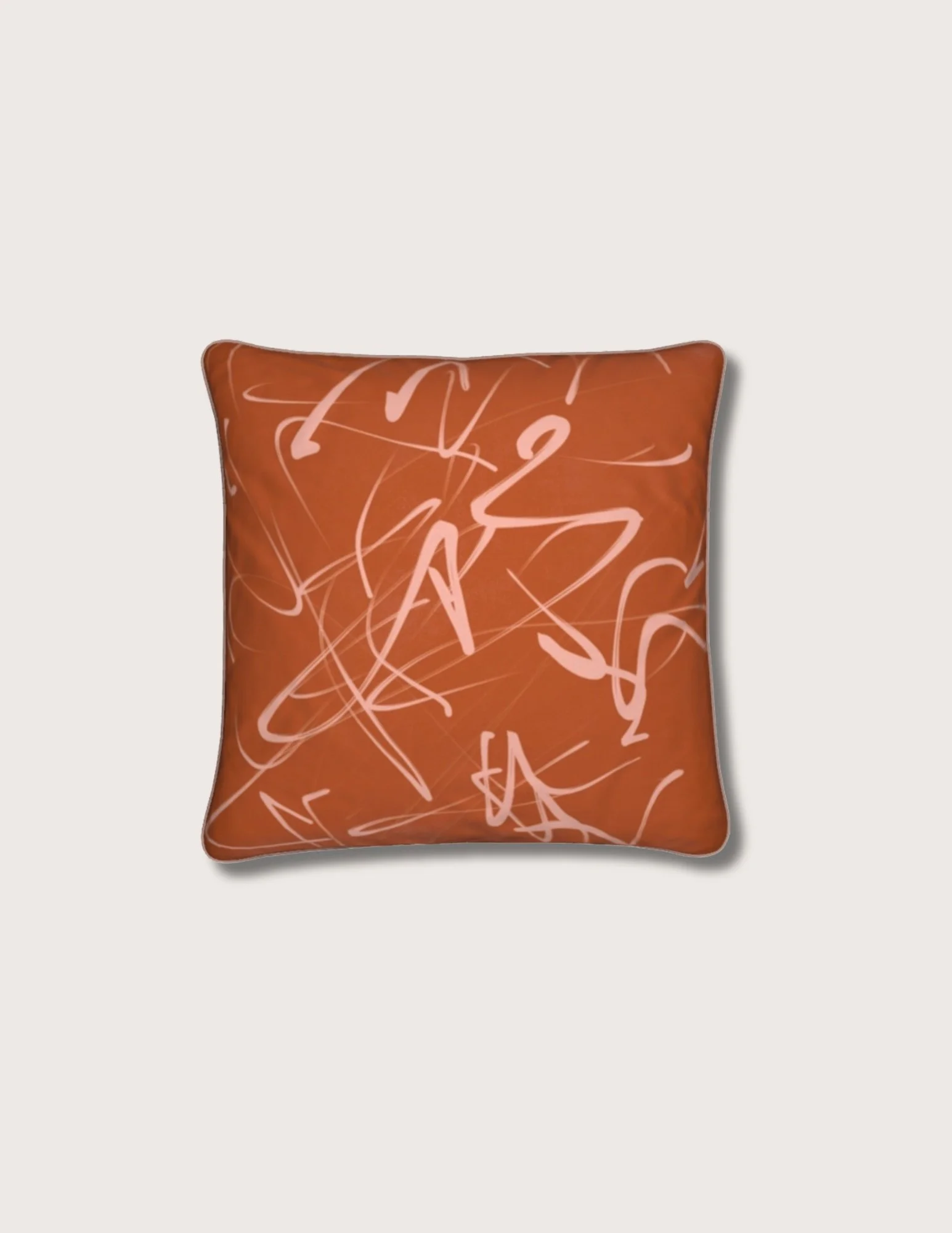
The Hieratic Sienna Pillow brings the ancient past and the present day together beautifully, adding new layers to the aesthetic of your home. Sustainably woven and printed, featuring a luxe duck feather insert, it’s body-hugging comfort is exactly what you need at the end of a long day or the start of a lazy one. Finished with sophisticated touches like its colorful piping and a custom gold zipper, it’s a magazine-worthy addition to any room. Its mesmerizing pattern, echoing the delicate brushstrokes of ancient scribes, is an absolute eye-catcher. Paired with a rich orange earth tone in cotton-linen or sumptuous velvet, the Hieratic Sienna Pillow is the perfect finishing touch for your favorite room. Available in cotton-linen, soft velvet, or in our outdoor eco weave fabric.

Editors' Note

The Hieratic Collection features flowing brushstrokes in a modern form, celebrating the cursive script of ancient Egypt. Hieratic is the shorthand, cursive form of ancient Egyptian hieroglyphic script. Some date its development alongside that of formal hieroglyphics, a process believed to have begun as early as 3200 BC - 3000 BC. Others believe it was only after the establishment of hieroglyphic script that the need for a simplified version became clear, somewhere between 2925 and 2775 BC. Used by scribes to record on papyrus in ink, hieratic was employed frequently, and eventually solely for religious purposes. The name hieratic, which derives from the Greek hieratikos, meaning “priestly,” was given to the script by the 2nd century Christian theologian, Clement of Alexandria. By that time its function had been purely religious for nearly a millennium. During its earliest days, hieratic was strictly a form of hieroglyphic “book hand” — a simplified form of carved hieroglyphics designed to be written by hand. By the First Intermediate Period (2181 BC - 2055 BC), however, hieratic had become its own formalized script, employing features and symbols not included in hieroglyphic text, though hieroglyphic book hand, also called cursive hieroglyphics, continued to be used. For centuries following this division, hieratic served as the more utilized and, arguably, the more important script, as it was the writing form of everyday life. Hieratic was used in a variety of academic texts covering a wide range of subjects, as well as tax documents, legal texts and personal communications. Though most frequently written in ink on papyrus, hieratic characters were often pressed into clay tablets, as was common for Mesopotamian cuneiform, in parts of the country where papyrus was scarce. As such, it was typically the first writing system that students learned, education in formal hieroglyphics being reserved for later studies. Hieratic script has also been found on pottery, wood, stone and even leather. It was also used extensively in mummification rituals, the characters written on linen and other fabrics. By 650 BC, hieratic’s use for daily writing was overtaken by the derivative script, demotic, though hieratic continued its use among Egypt’s priests until the 3rd century AD. Though now entirely defunct outside of academic circles, hieratic, as one of the earliest written languages, has a profound influence over modern writing. As the direct forerunner of Proto-Sinaitic script, which in turn produced the Phoenician, Paleo-Hebrew, and Ancient South Arabian alphabets, hieratic is the ancient source of many modern writing systems, including Greek, Cyrillic, Hebrew, Arabic, Berber, English, French, Spanish, German, and more. 

Details

The Hieratic Sienna Pillow brings the ancient past and the present day together beautifully, adding new layers to the aesthetic of your home. Sustainably woven and printed, featuring a luxe duck feather insert, it’s body-hugging comfort is exactly what you need at the end of a long day or the start of a lazy one. Finished with sophisticated touches like its colorful piping and a custom gold zipper, it’s a magazine-worthy addition to any room. Its mesmerizing pattern, echoing the delicate brushstrokes of ancient scribes, is an absolute eye-catcher. Paired with a rich orange earth tone in cotton-linen or sumptuous velvet, the Hieratic Sienna Pillow is the perfect finishing touch for your favorite room. Available in cotton-linen, soft velvet, or in our outdoor eco weave fabric.

Editors' Note

The Hieratic Collection features flowing brushstrokes in a modern form, celebrating the cursive script of ancient Egypt. Hieratic is the shorthand, cursive form of ancient Egyptian hieroglyphic script. Some date its development alongside that of formal hieroglyphics, a process believed to have begun as early as 3200 BC - 3000 BC. Others believe it was only after the establishment of hieroglyphic script that the need for a simplified version became clear, somewhere between 2925 and 2775 BC. Used by scribes to record on papyrus in ink, hieratic was employed frequently, and eventually solely for religious purposes. The name hieratic, which derives from the Greek hieratikos, meaning “priestly,” was given to the script by the 2nd century Christian theologian, Clement of Alexandria. By that time its function had been purely religious for nearly a millennium. During its earliest days, hieratic was strictly a form of hieroglyphic “book hand” — a simplified form of carved hieroglyphics designed to be written by hand. By the First Intermediate Period (2181 BC - 2055 BC), however, hieratic had become its own formalized script, employing features and symbols not included in hieroglyphic text, though hieroglyphic book hand, also called cursive hieroglyphics, continued to be used. For centuries following this division, hieratic served as the more utilized and, arguably, the more important script, as it was the writing form of everyday life. Hieratic was used in a variety of academic texts covering a wide range of subjects, as well as tax documents, legal texts and personal communications. Though most frequently written in ink on papyrus, hieratic characters were often pressed into clay tablets, as was common for Mesopotamian cuneiform, in parts of the country where papyrus was scarce. As such, it was typically the first writing system that students learned, education in formal hieroglyphics being reserved for later studies. Hieratic script has also been found on pottery, wood, stone and even leather. It was also used extensively in mummification rituals, the characters written on linen and other fabrics. By 650 BC, hieratic’s use for daily writing was overtaken by the derivative script, demotic, though hieratic continued its use among Egypt’s priests until the 3rd century AD. Though now entirely defunct outside of academic circles, hieratic, as one of the earliest written languages, has a profound influence over modern writing. As the direct forerunner of Proto-Sinaitic script, which in turn produced the Phoenician, Paleo-Hebrew, and Ancient South Arabian alphabets, hieratic is the ancient source of many modern writing systems, including Greek, Cyrillic, Hebrew, Arabic, Berber, English, French, Spanish, German, and more. 


Additional Details

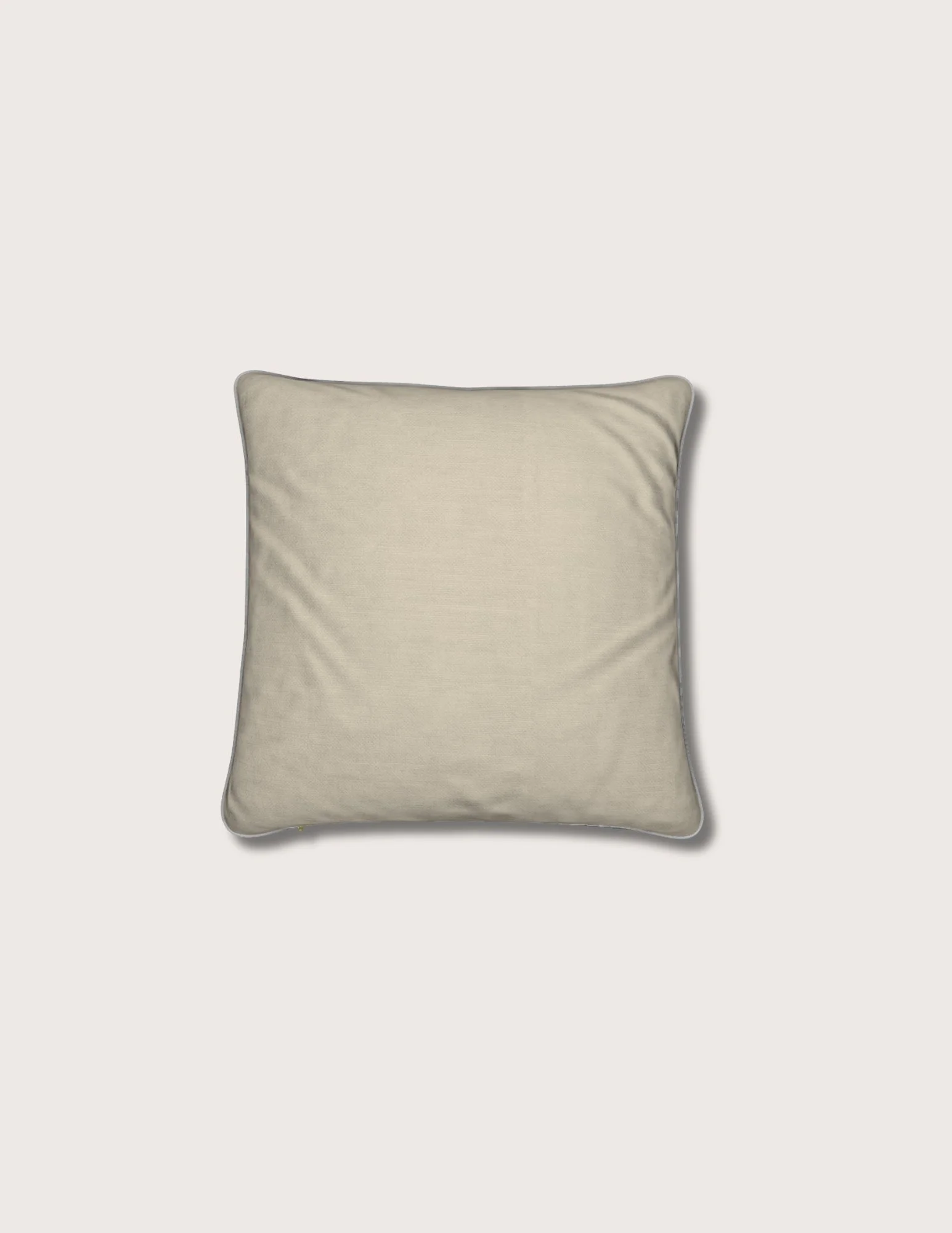
20” x 20” Pillow

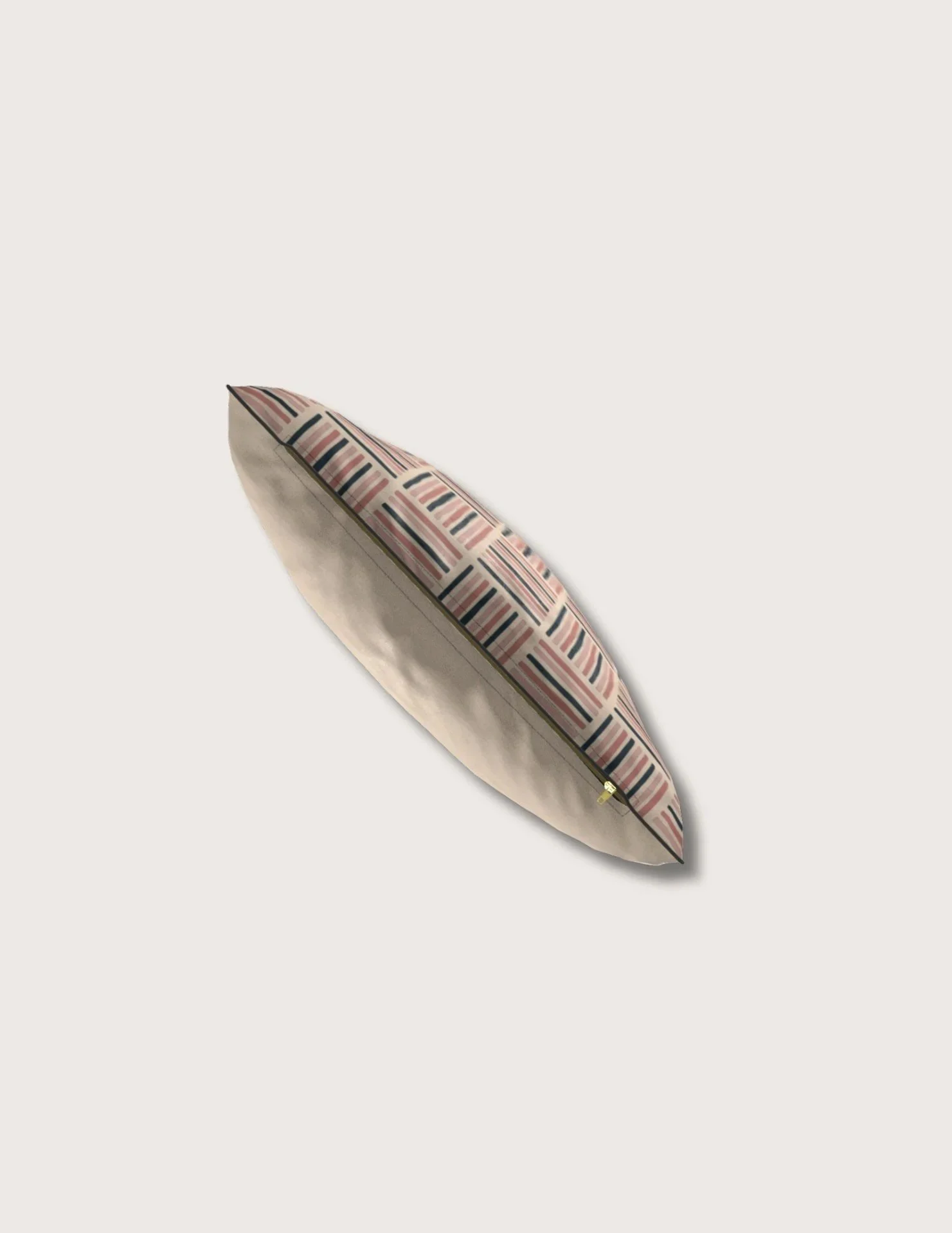
Pink satin piping

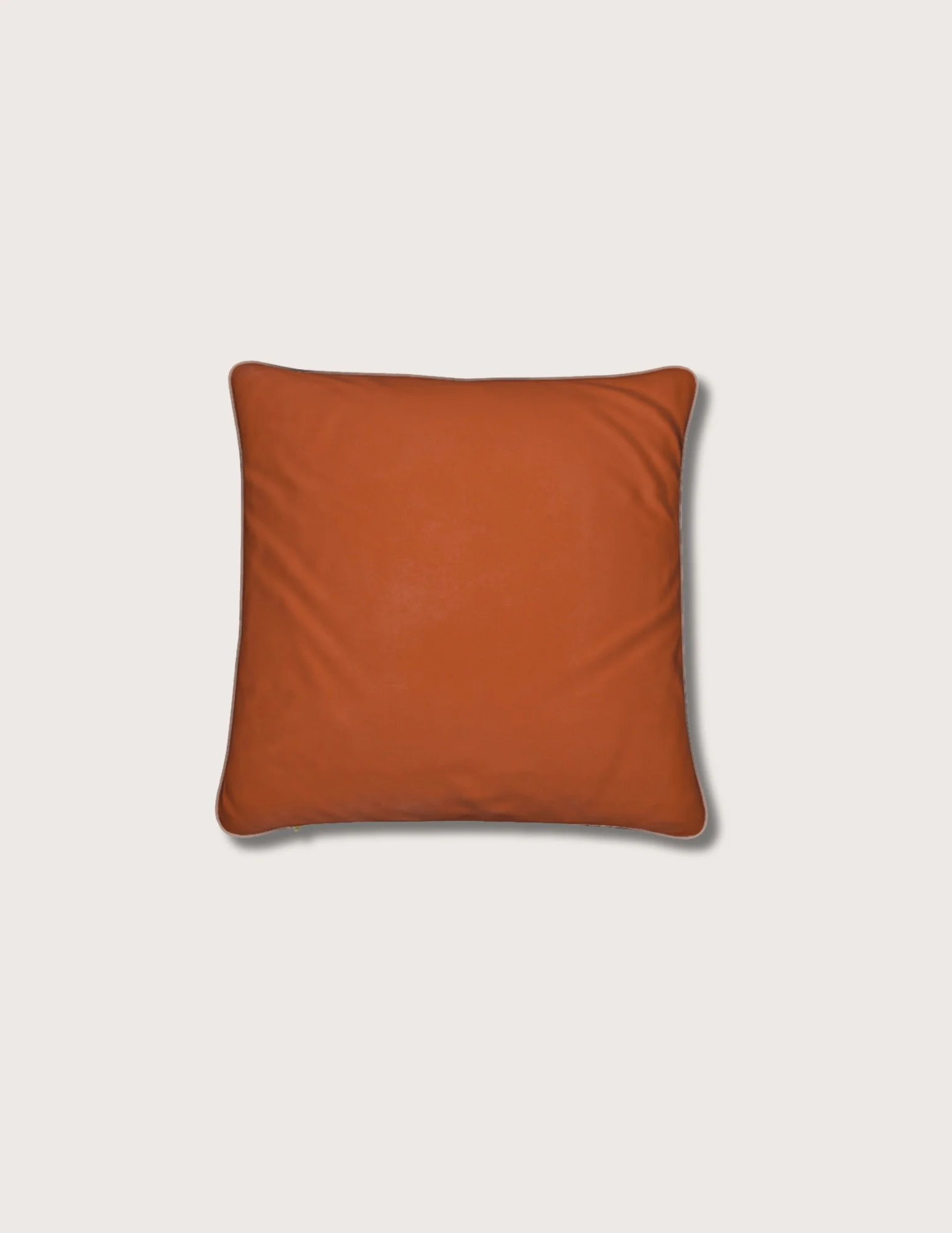
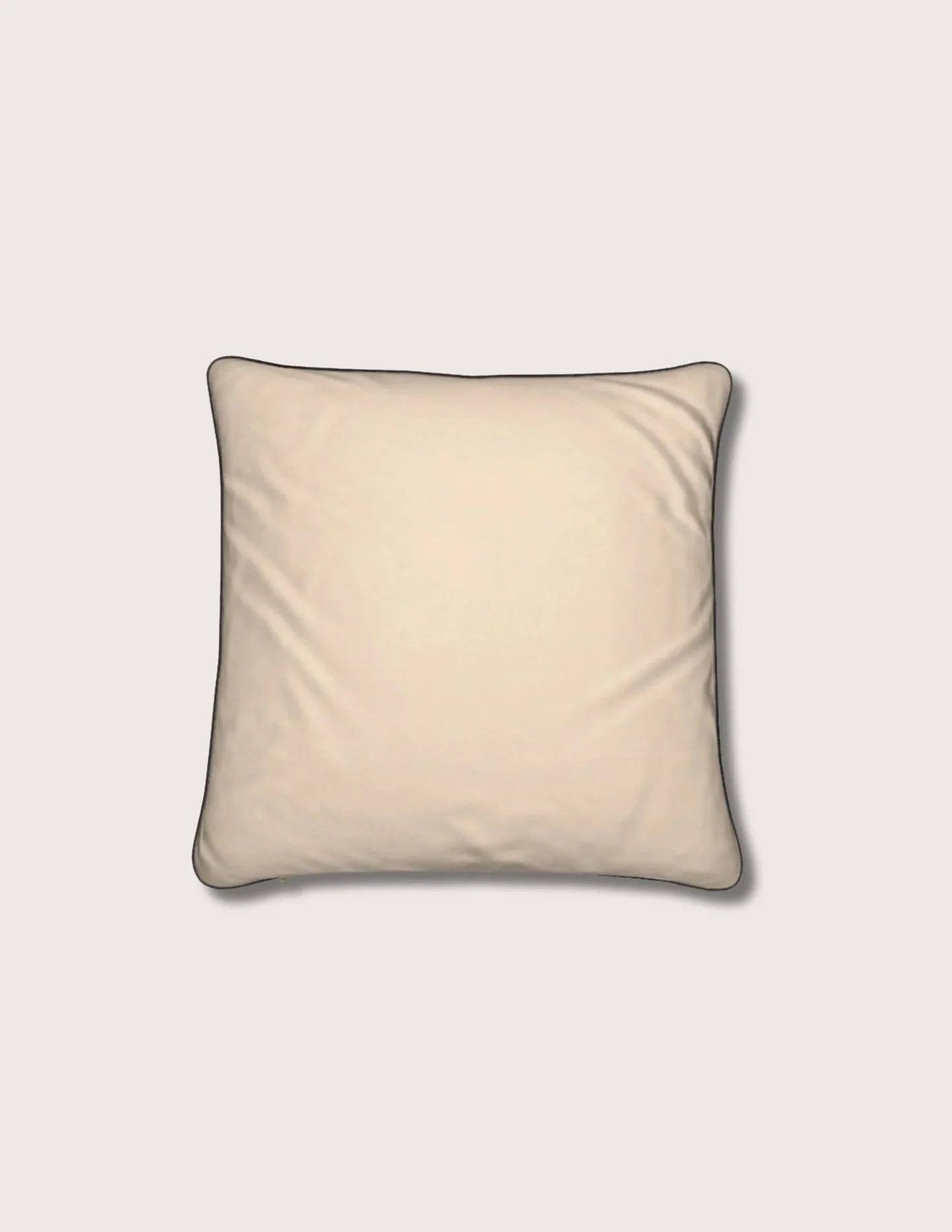
Sienna back

Down feather insert

Gold zipper

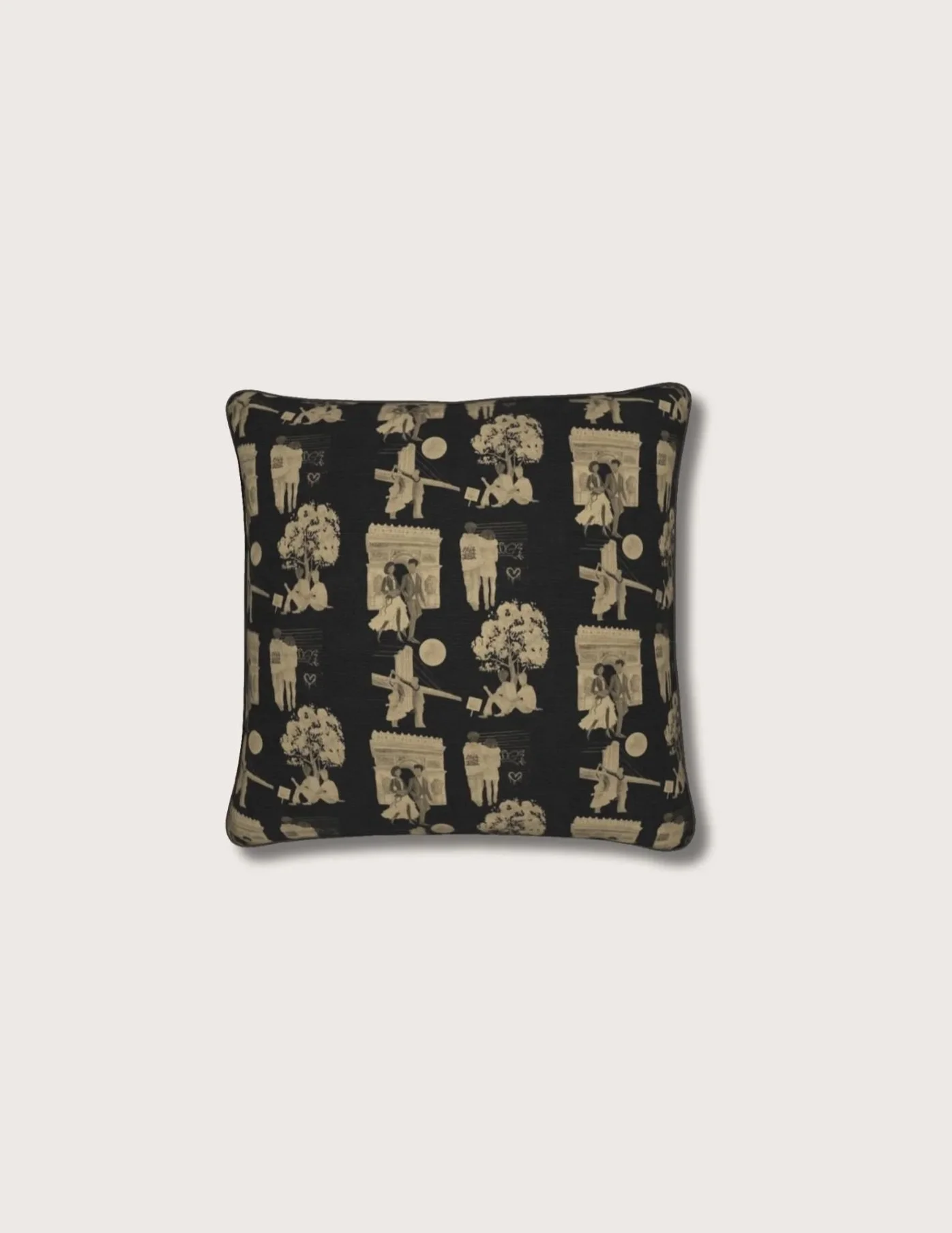
Available in velvet (shown), cotton-linen or outdoor eco weave

Cotton-Linen:

95% cotton 5% linen

Weight: 6.72 oz

BCI organic FABRIC

Oeko-Tex Standard 100 Ink

GOTS ECOCERT Certified Ink

Velvet Fabric:

100% polyester

Weight: 8.26 oz

Oeko-Tex Standard 100 Ink

BS EN ISO 13934. 600N+

BS EN ISO 6330 @ 30°C

BS EN ISO 13936

Outdoor Eco Weave Fabric:

Water resistant outdoor fabric

100% recycled polyester

Weight: 7.67 oz

Oeko Tex Standard 100 fabric

Global Recycled Standard (GRS)

Do not place in direct sunlight to avoid fading

Certifications

Martindale > 20,000 revs:  Suitable for use in medium wear applications

Rub Fast 80k: Suitable for use in high wear / Severe Contract applications

Resistance to Piling: Grade 3/4 for appropriate for use in high wear domestic environments

Tear Strength ≥30N+: good fabric to use in domestic or public areas

Tensile Strength 600N+: good for use in domestic or public areas

Fire Safety: This fabric complies with the flammability performance requirements of The Nightwear (Safety) Regulations 1985. (Statutory Instrument 1985 No 2043)

Care Instructions: Wash at 86°F, low tumble dry heat, hang to dry, do not wring, low heat iron

Sustainably printed and woven in the UK

Made to order

Ships from 4 weeks worldwide 
Contact us for custom options

Shipping and returns policy