Details
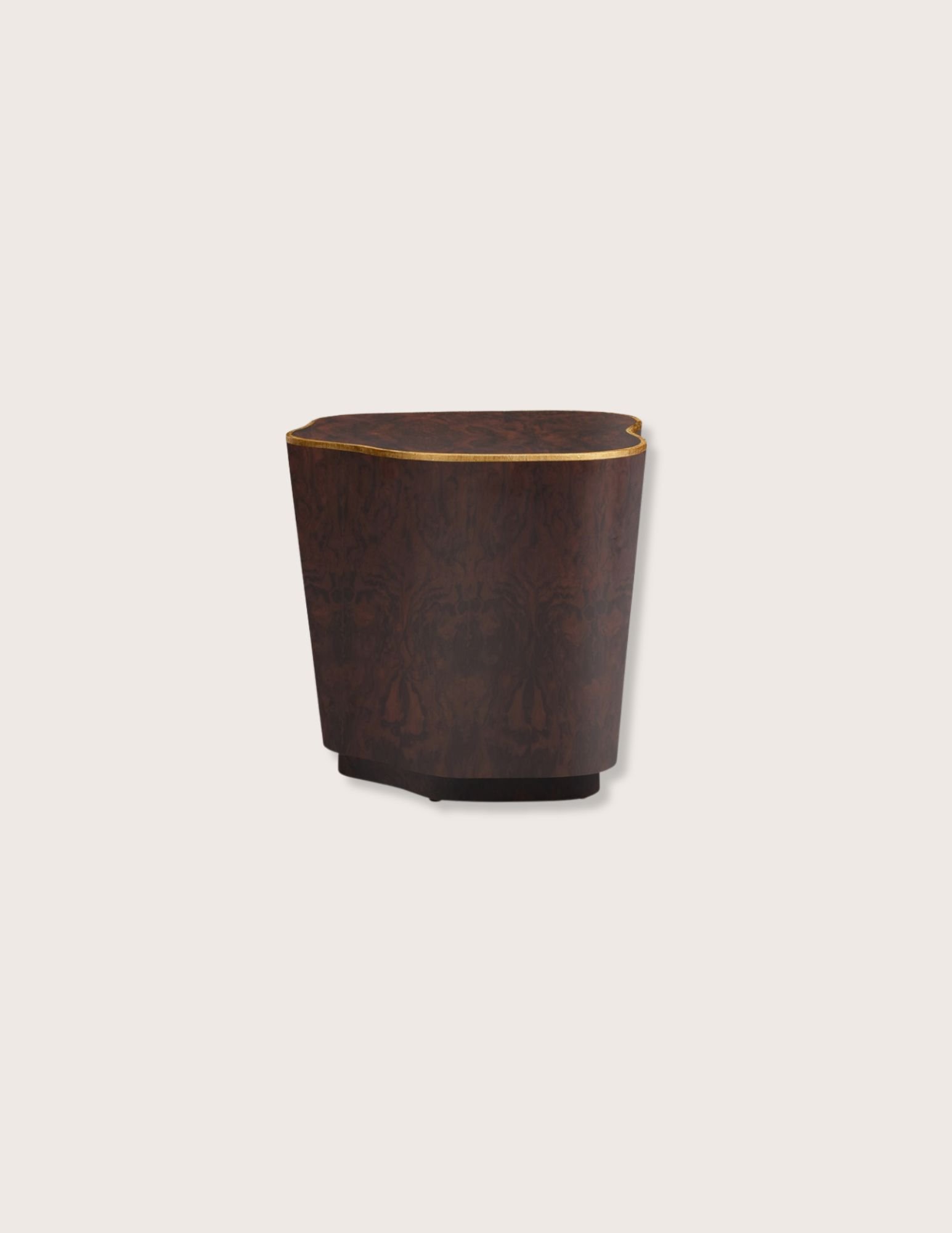
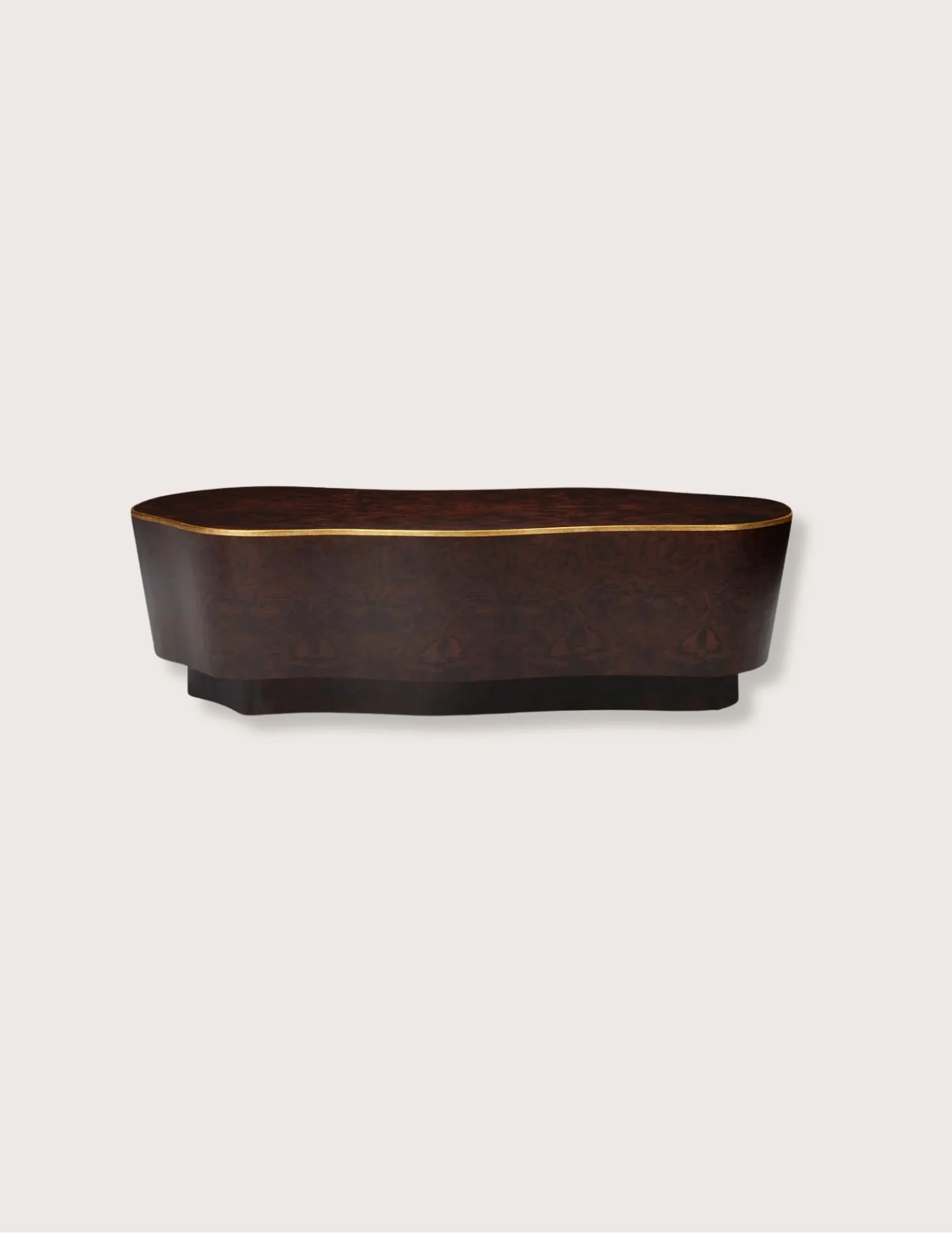
Make a statement in your interior with the Dutreuil Walnut Accent Table. Handcrafted by our team of expert artisans, each accent table is one-of-a-kind, featuring its own unique wood grain pattern and slight color variation. To highlight its abstract silhouette, a final sophisticated touch is added by our master craftspeople — raffia-textured gold trim along the table’s edge. A stunning modern, organic design, the final piece is a sculptural, yet functional, work of art for your interior. Pair this piece with the Dutreuil Walnut Coffee Table to complete the look.
Editors' Note
This piece is named for Pierre Charles Dutreuil Barjon, a free man of color born in 1799 in Jeremie, Saint Domingue (now Haiti). In 1813, at the age of 14, Dutreuil Barjon immigrated to New Orleans with his mother. There, he apprenticed to the master ébéniste, or "cabinetmaker," Jean Rousseau. A Black freeman, and very successful part of New Orleans' creole community, Rousseau's business operated in the French Quarter, and notably included importing furniture from the north in addition to offering his own pieces. His thriving business allowed Rousseau to take on a remarkable number of apprentices — as many as 30 young, Black people — in addition to retaining two enslaved men, remembered only as Lolo and Mars. Beginning his apprenticeship the same year that he arrived in America, Dutreuil Barjon was the first to study under Rousseau, and one of the most successful of his students. Opening his own shop at 245 Royal Street in 1821, Dutreuil Barjon is remembered as one of the era's most sought after artisans. He created large, dramatic pieces in mahogany imported from the Caribbean in the Rococo and Neoclassical styles that were trending at the time, both within New Orleans society and throughout Europe. Perhaps following Rousseau's example, in 1835, Dutreuil Barjon partnered with German furniture maker, Christophe Voigt, to import furniture from Hamburg and Berlin. In time, Dutreuil Barjon would pass on both his skills and his business to his son, Dutreuil Barjon Jr., who became a successful and known artisan in his own right. The elder Dutreuil Barjon transferred the business to his son in 1855, retiring to Paris in 1856.

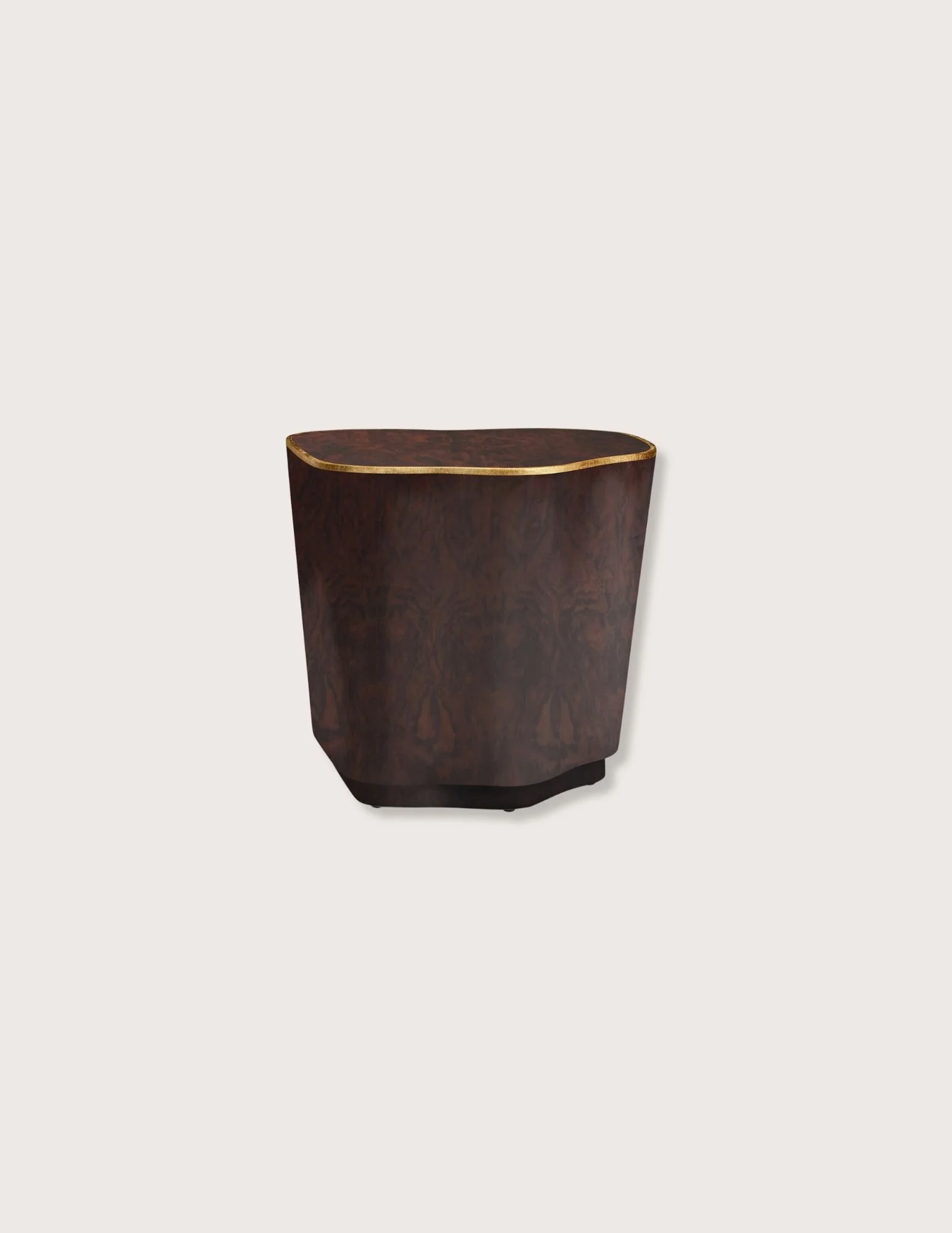 Image 1 of 1