Details
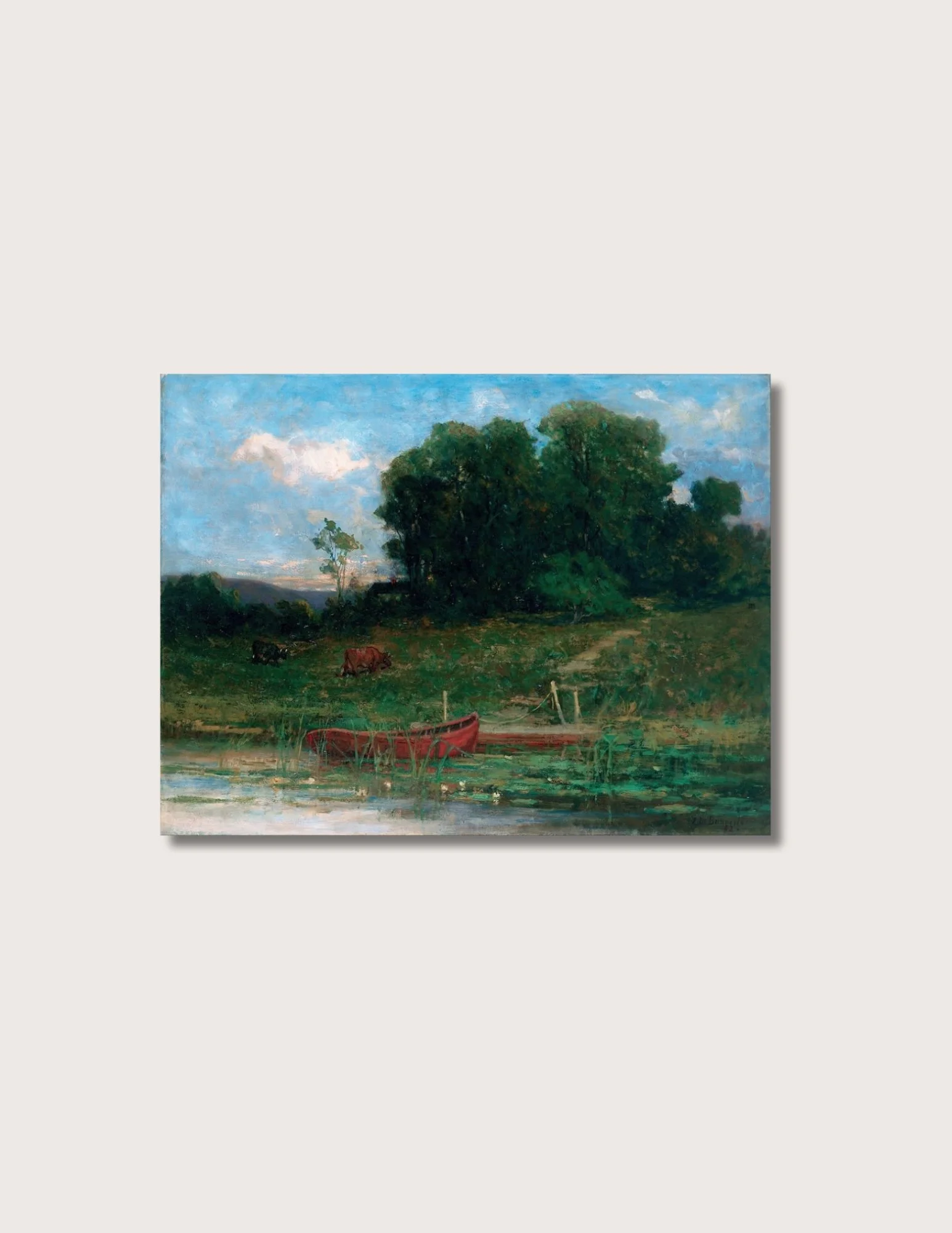
The Farm Landing by Edward Mitchell Bannister was painted in 1892. This piece, which resides in the White House, is a showcase of Bannister’s signature style, where he features expansive, pastoral New England landscapes. Here we see two red rowboats at the water's edge, tucked among the reeds and lily pads that float across the foreground of the painting. Just up the bank a pair of cattle graze in the open field, one of them a warm reddish brown. A cluster of tall trees rises behind them, their leaves rendered in loose, feathery strokes, while the sky opens up in soft blues and pale clouds. The whole scene has the feel of a working farm on an ordinary afternoon, with a worn dirt path leading up from the landing. Reflective of Barbizon movement of the 19th century, this painting beautifully features Bannister’s love of tonalism.
Editors' Note
Edward Mitchell Bannister was born in 1828 in Saint Andrews — a town located in the New Brunswick province of Canada. The Black Canadian–American painter was known for his work as a Tonalist, painting predominantly pastoral scenes drawn from his admiration for Millet and the French Barbizon School. His father, Edward Bannister, who was believed to be from Barbados, died in 1832. Edward and his brother William would be raised by their mother Hannah Alexander Bannister. Bannister would credit his mother with igniting his early interest in art. Following their mother’s death in 1844, Edward and William would move to live on the farm of the wealthy merchant, Harris Hatch. Together, the brothers found work aboard ships where Bannister would became a ship's cook. He and William would eventually make their way to the United States, moving to Boston in the late 1840s. In Boston, Bannister at first became a barber. While he had aspirations of painting, racial prejudice would make it challenging for him to find an apprenticeship or academic programs that would accept him. Self-taught, Edward would receive his first oil painting commission, The Ship Outward Bound, in 1854 from African American doctor, John V. DeGrasse. In 1853, applying to be a barber in her salon, Bannister would meet Christiana Carteaux. The two would marry on June 10, 1857. Active members of Boston's abolitionist movement, the couple boarded for two years with Lewis Hayden and Harriet Bell Hayden at 66 Southac Street, a stop on Boston's Underground Railroad. Bannister’s name would appear on petitions published in Boston's abolitionist newspaper, The Liberator. Bannister would donate his portrait of Robert Gould Shaw to raise money for the cause. And in 1859 and 1865, he would serve as a delegate for the New England Colored Citizens Conventions. Carteaux, an activist in her own right, would lobby for equal pay for Black soldiers during the Civil War, and organized the soldiers’ relief fair in 1864. A member of Boston's African American artistic community, Bannister would work with contemporaries Edmonia Lewis, William H. Simpson, and Nelson A. Primus. Supported by Carteaux, Bannister became a full-time painter from 1870 on, which is around when they moved to Providence, Rhode Island. He first took a studio in the Mercantile National Bank Building and eventually moved his studio to the Woods Building in Providence, where he shared a floor with artists like Sydney Burleigh and became friends with Providence painter George William Whitaker. Bannister finally received commendation for his artistic skill when he won first prize for his large oil, Under the Oaks, at the 1876 Philadelphia Centennial. Even then, upon learning that he was Black, the jurors tried to rescind his award until the other exhibition artists protested. On the award, Bannister stated, "I was and am proud to know that the jury of award did not know anything about me, my antecedents, color or race. There was no sentimental sympathy leading to the award of the medal." As his career matured, Bannister received more commissions and accumulated many honors, several from the Massachusetts Charitable Mechanics Association (silver medals in 1881 and 1884). He was an original board member of the Rhode Island School of Design in 1878, and in 1880, Bannister joined with other professional artists, amateurs, and art collectors to found the Providence Art Club to stimulate the appreciation of art in the community. Their first meeting was in Bannister's studio in the Wood Building at the bottom of College Hill. He was the second to sign the club's charter, served on its initial executive board, and taught regular Saturday art classes. He also submitted many paintings to Boston Art Club exhibitions. Through his teaching, he became a mentor to younger Providence artists, like Charles Walter Stetson. Stetson would mention Bannister frequently in his diaries, claiming that, “He is my only confidant in Art matters & I am his." In the 1880s, Bannister bought a small sloop, the Fanchon, and he would spend his summers sketching, painting watercolors, and sailing Narragansett Bay. Bannister died of a heart attack on January 9, 1901, while attending a prayer meeting at his church, Elmwood Avenue Free Baptist Church.
Details
The Farm Landing by Edward Mitchell Bannister was painted in 1892. This piece, which resides in the White House, is a showcase of Bannister’s signature style, where he features expansive, pastoral New England landscapes. Here we see two red rowboats at the water's edge, tucked among the reeds and lily pads that float across the foreground of the painting. Just up the bank a pair of cattle graze in the open field, one of them a warm reddish brown. A cluster of tall trees rises behind them, their leaves rendered in loose, feathery strokes, while the sky opens up in soft blues and pale clouds. The whole scene has the feel of a working farm on an ordinary afternoon, with a worn dirt path leading up from the landing. Reflective of Barbizon movement of the 19th century, this painting beautifully features Bannister’s love of tonalism.
Editors' Note
Edward Mitchell Bannister was born in 1828 in Saint Andrews — a town located in the New Brunswick province of Canada. The Black Canadian–American painter was known for his work as a Tonalist, painting predominantly pastoral scenes drawn from his admiration for Millet and the French Barbizon School. His father, Edward Bannister, who was believed to be from Barbados, died in 1832. Edward and his brother William would be raised by their mother Hannah Alexander Bannister. Bannister would credit his mother with igniting his early interest in art. Following their mother’s death in 1844, Edward and William would move to live on the farm of the wealthy merchant, Harris Hatch. Together, the brothers found work aboard ships where Bannister would became a ship's cook. He and William would eventually make their way to the United States, moving to Boston in the late 1840s. In Boston, Bannister at first became a barber. While he had aspirations of painting, racial prejudice would make it challenging for him to find an apprenticeship or academic programs that would accept him. Self-taught, Edward would receive his first oil painting commission, The Ship Outward Bound, in 1854 from African American doctor, John V. DeGrasse. In 1853, applying to be a barber in her salon, Bannister would meet Christiana Carteaux. The two would marry on June 10, 1857. Active members of Boston's abolitionist movement, the couple boarded for two years with Lewis Hayden and Harriet Bell Hayden at 66 Southac Street, a stop on Boston's Underground Railroad. Bannister’s name would appear on petitions published in Boston's abolitionist newspaper, The Liberator. Bannister would donate his portrait of Robert Gould Shaw to raise money for the cause. And in 1859 and 1865, he would serve as a delegate for the New England Colored Citizens Conventions. Carteaux, an activist in her own right, would lobby for equal pay for Black soldiers during the Civil War, and organized the soldiers’ relief fair in 1864. A member of Boston's African American artistic community, Bannister would work with contemporaries Edmonia Lewis, William H. Simpson, and Nelson A. Primus. Supported by Carteaux, Bannister became a full-time painter from 1870 on, which is around when they moved to Providence, Rhode Island. He first took a studio in the Mercantile National Bank Building and eventually moved his studio to the Woods Building in Providence, where he shared a floor with artists like Sydney Burleigh and became friends with Providence painter George William Whitaker. Bannister finally received commendation for his artistic skill when he won first prize for his large oil, Under the Oaks, at the 1876 Philadelphia Centennial. Even then, upon learning that he was Black, the jurors tried to rescind his award until the other exhibition artists protested. On the award, Bannister stated, "I was and am proud to know that the jury of award did not know anything about me, my antecedents, color or race. There was no sentimental sympathy leading to the award of the medal." As his career matured, Bannister received more commissions and accumulated many honors, several from the Massachusetts Charitable Mechanics Association (silver medals in 1881 and 1884). He was an original board member of the Rhode Island School of Design in 1878, and in 1880, Bannister joined with other professional artists, amateurs, and art collectors to found the Providence Art Club to stimulate the appreciation of art in the community. Their first meeting was in Bannister's studio in the Wood Building at the bottom of College Hill. He was the second to sign the club's charter, served on its initial executive board, and taught regular Saturday art classes. He also submitted many paintings to Boston Art Club exhibitions. Through his teaching, he became a mentor to younger Providence artists, like Charles Walter Stetson. Stetson would mention Bannister frequently in his diaries, claiming that, “He is my only confidant in Art matters & I am his." In the 1880s, Bannister bought a small sloop, the Fanchon, and he would spend his summers sketching, painting watercolors, and sailing Narragansett Bay. Bannister died of a heart attack on January 9, 1901, while attending a prayer meeting at his church, Elmwood Avenue Free Baptist Church.

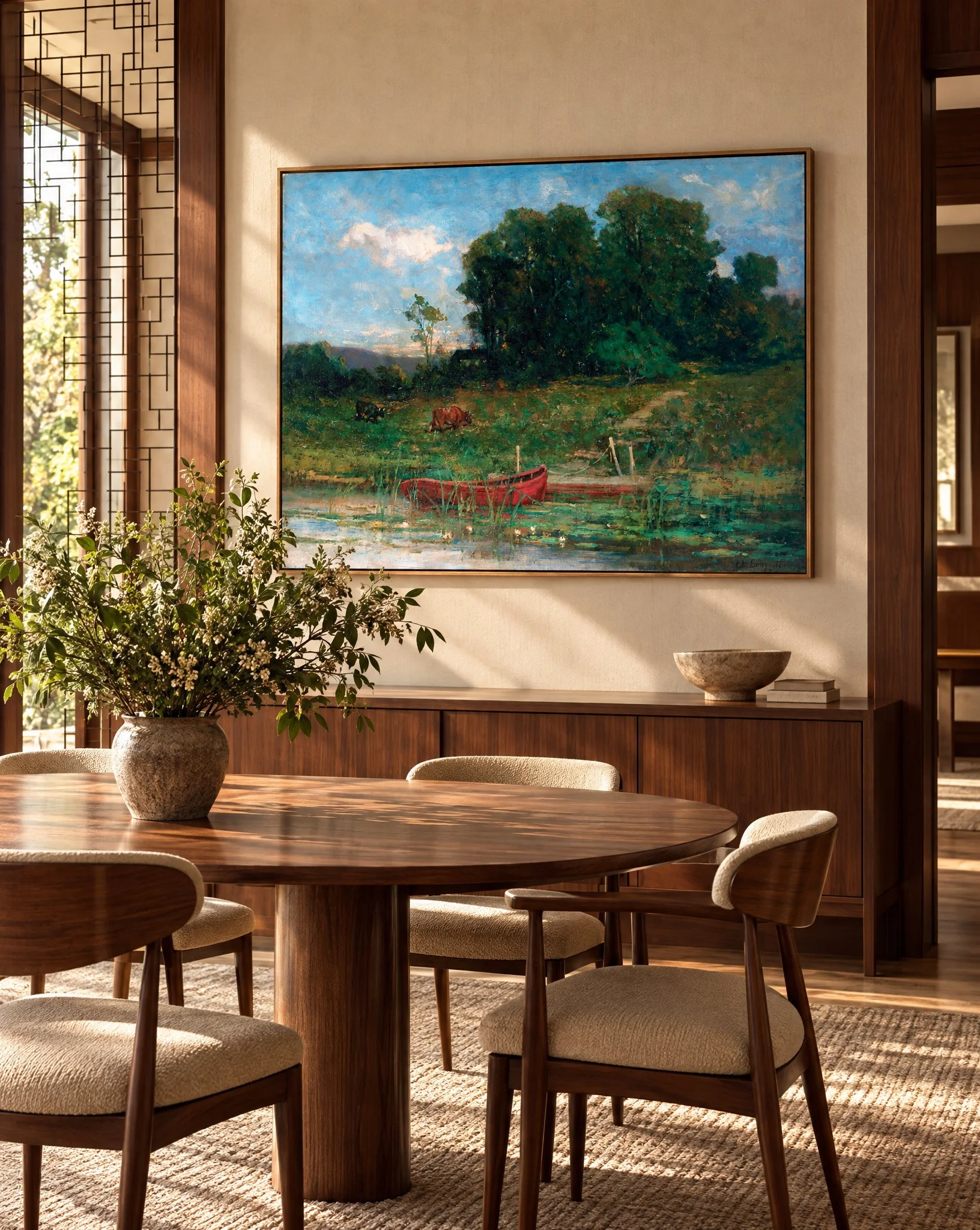 Image 1 of 3
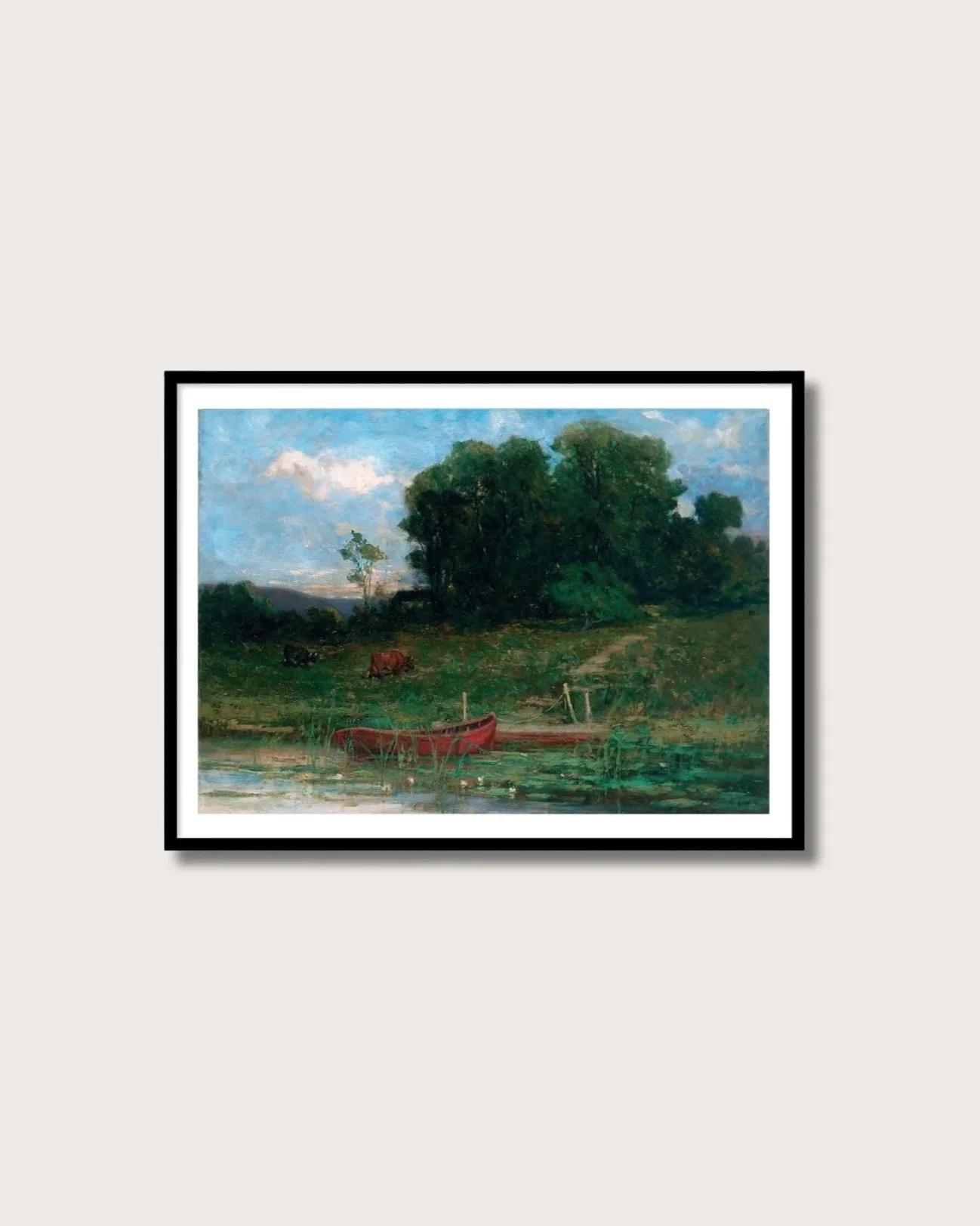 Image 2 of 3
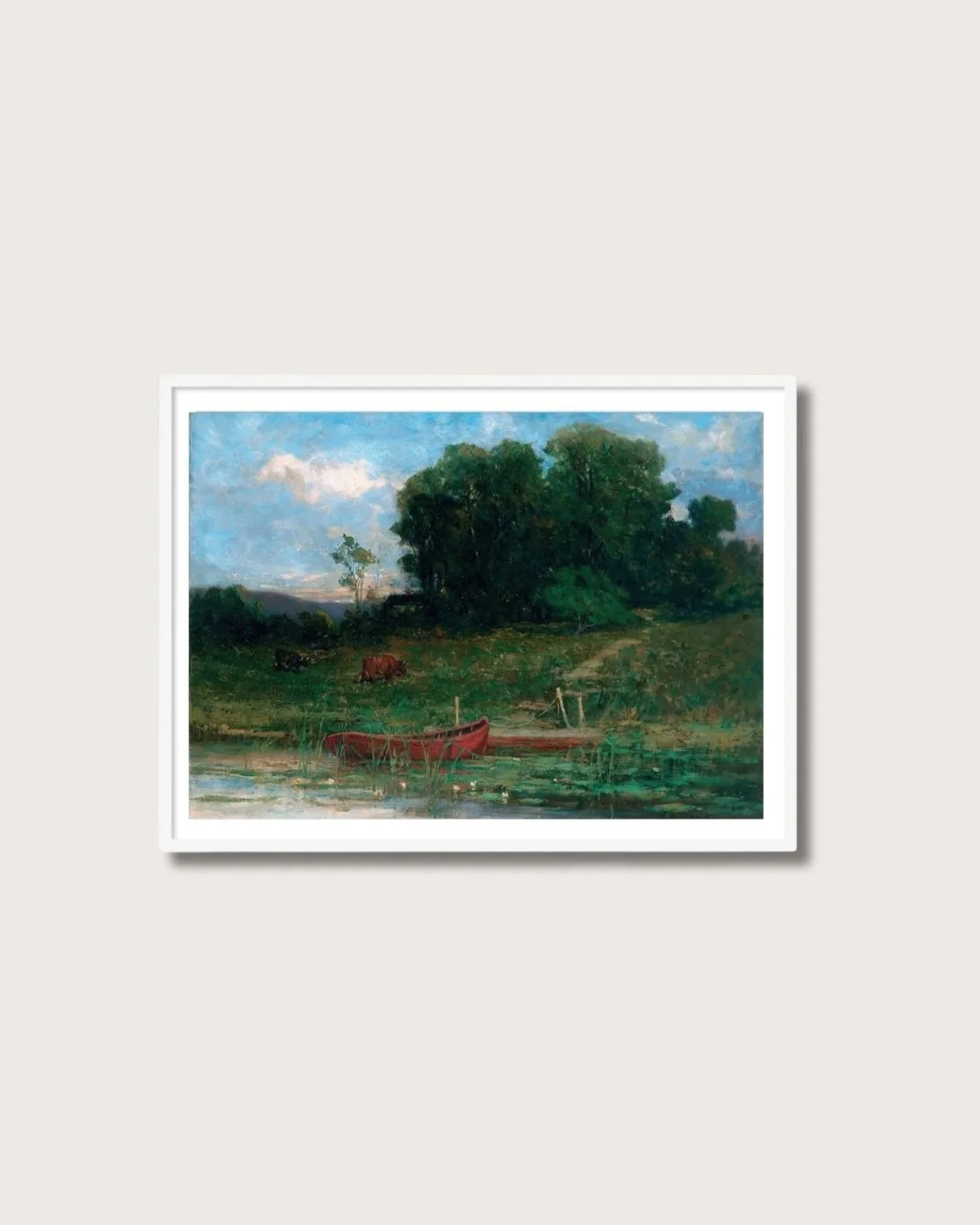 Image 3 of 3