Details
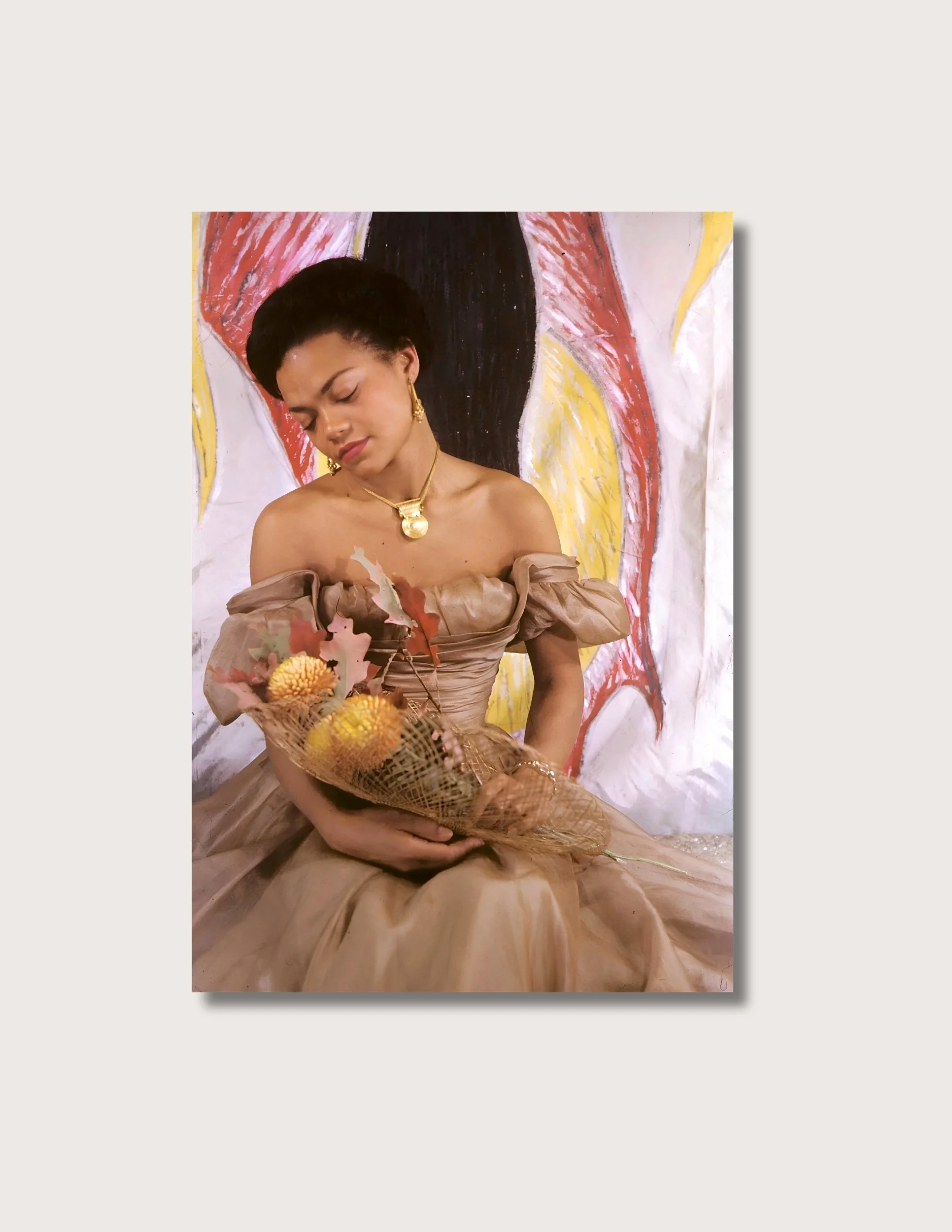
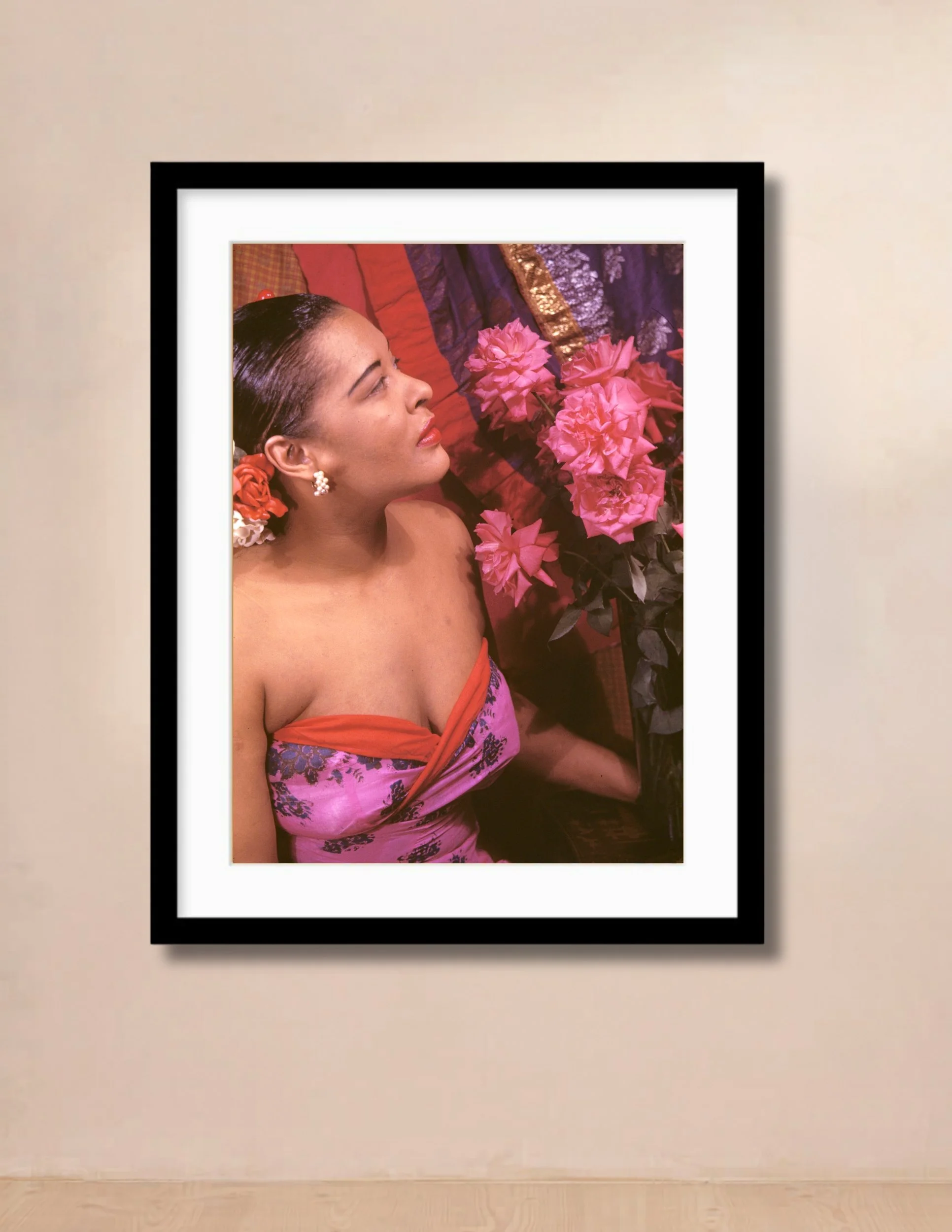
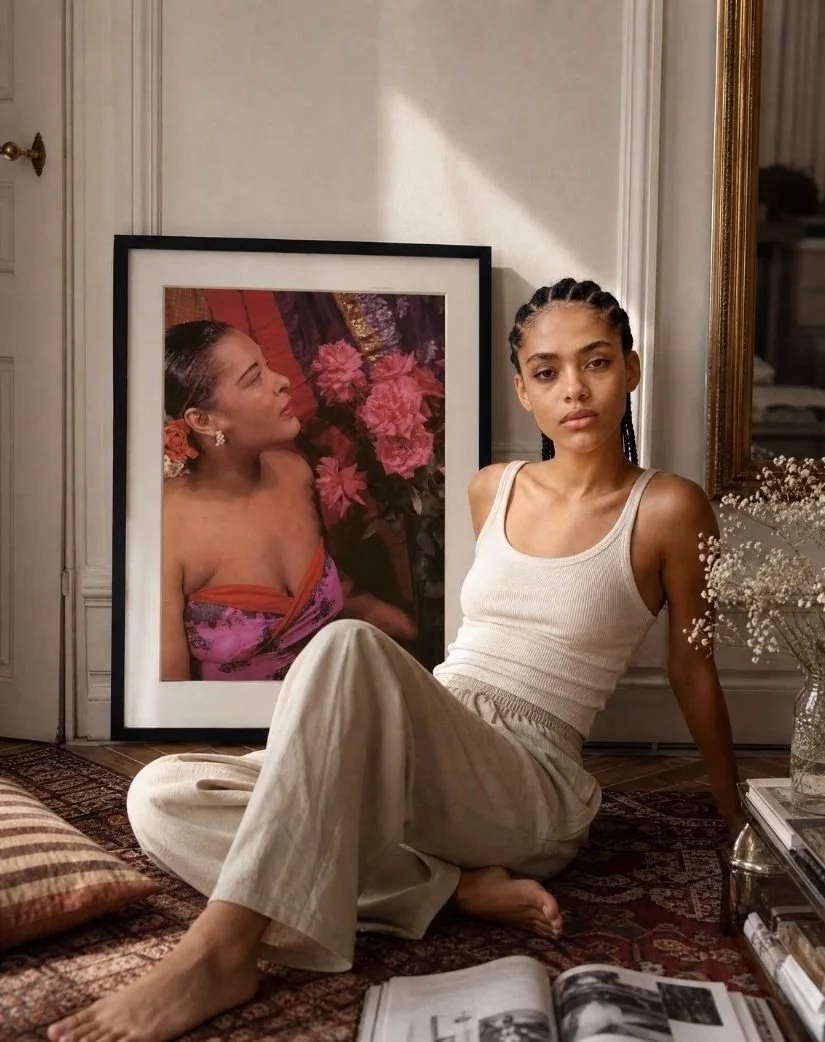
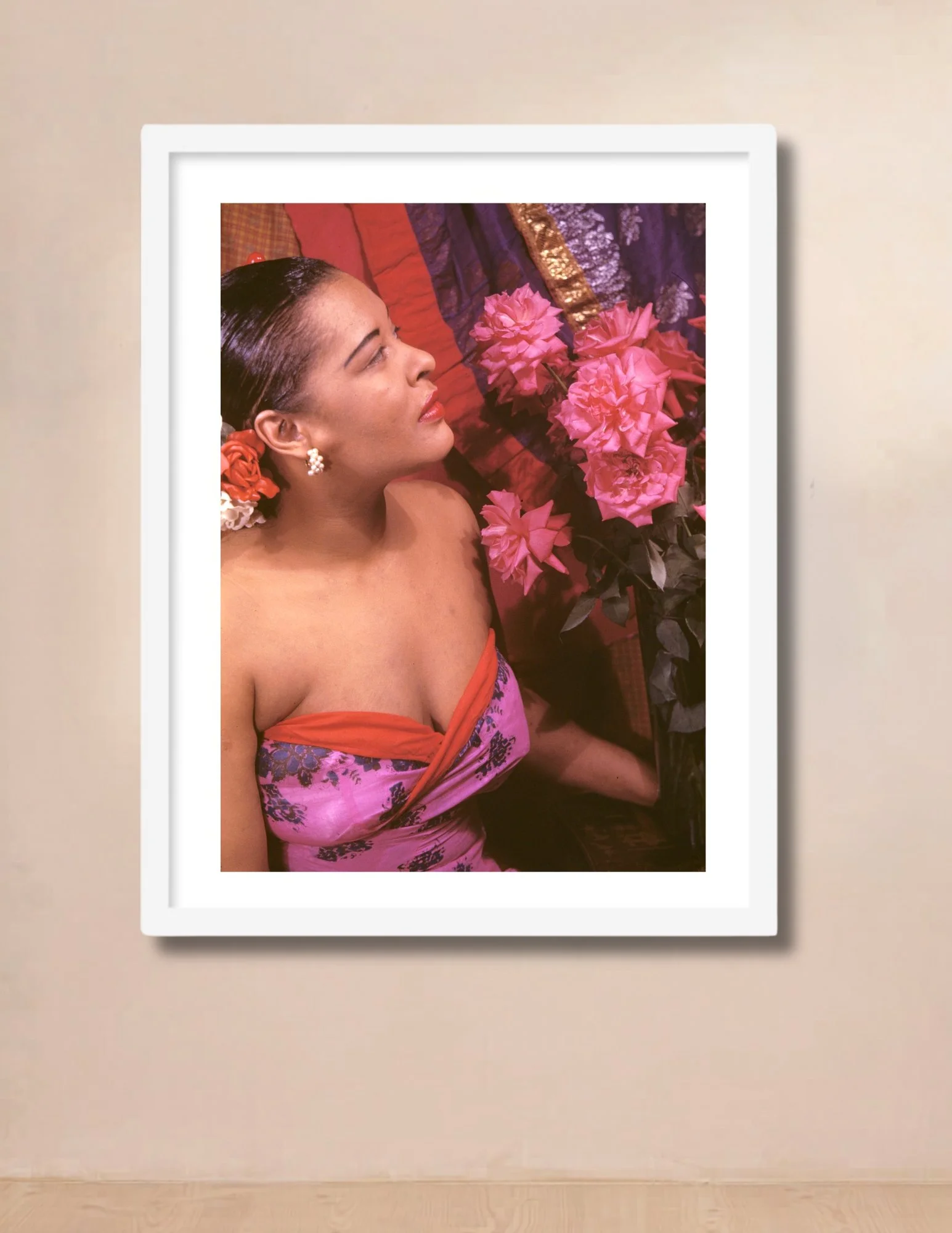
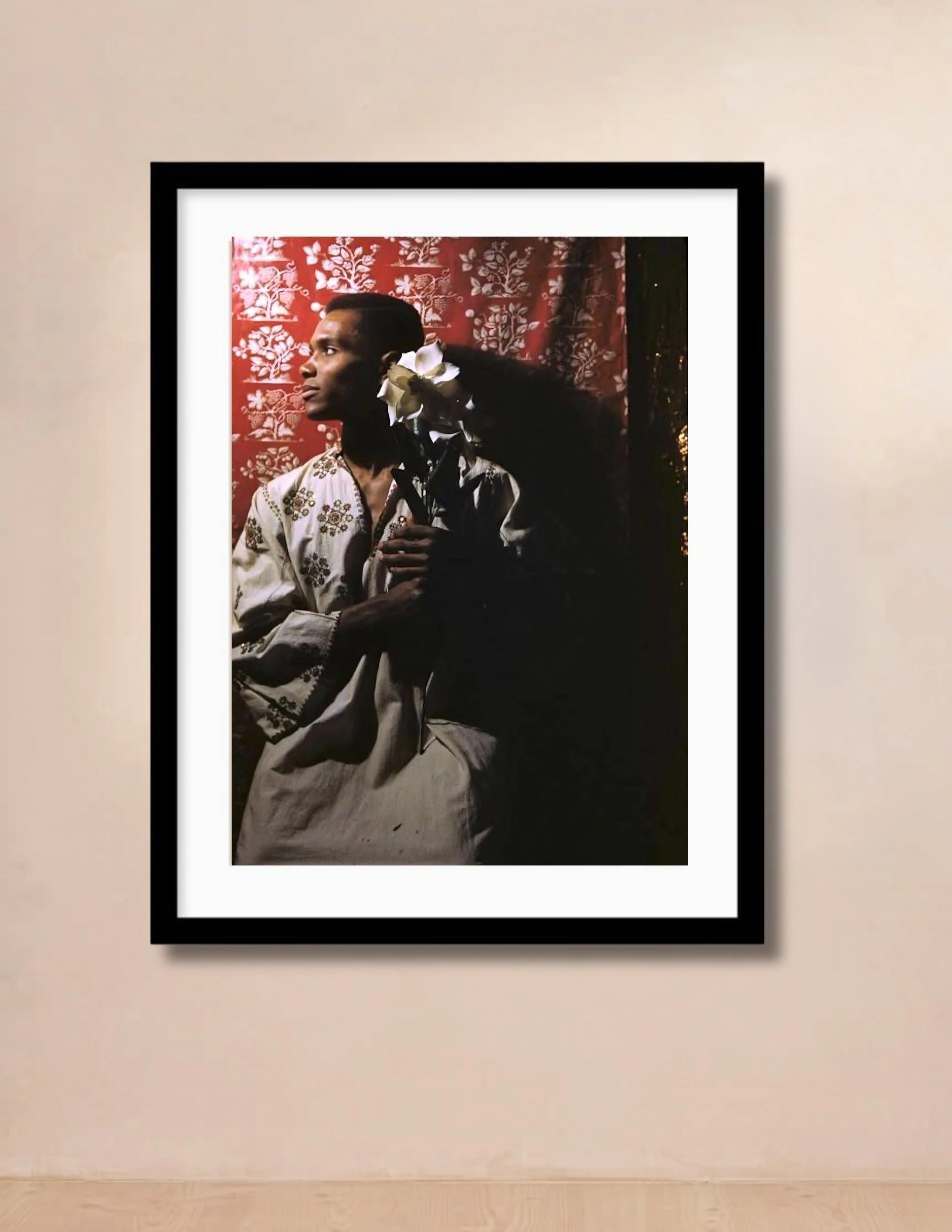
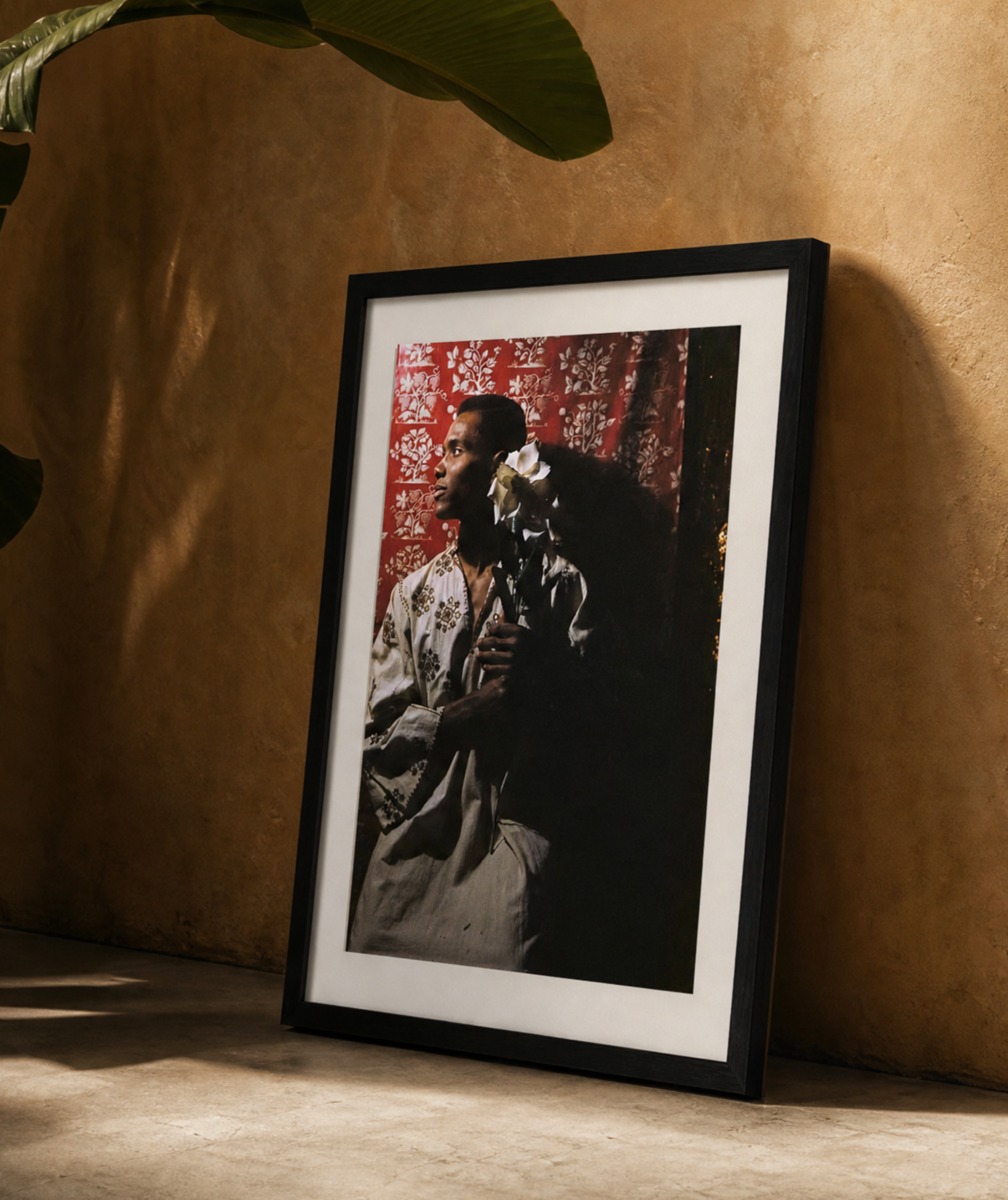
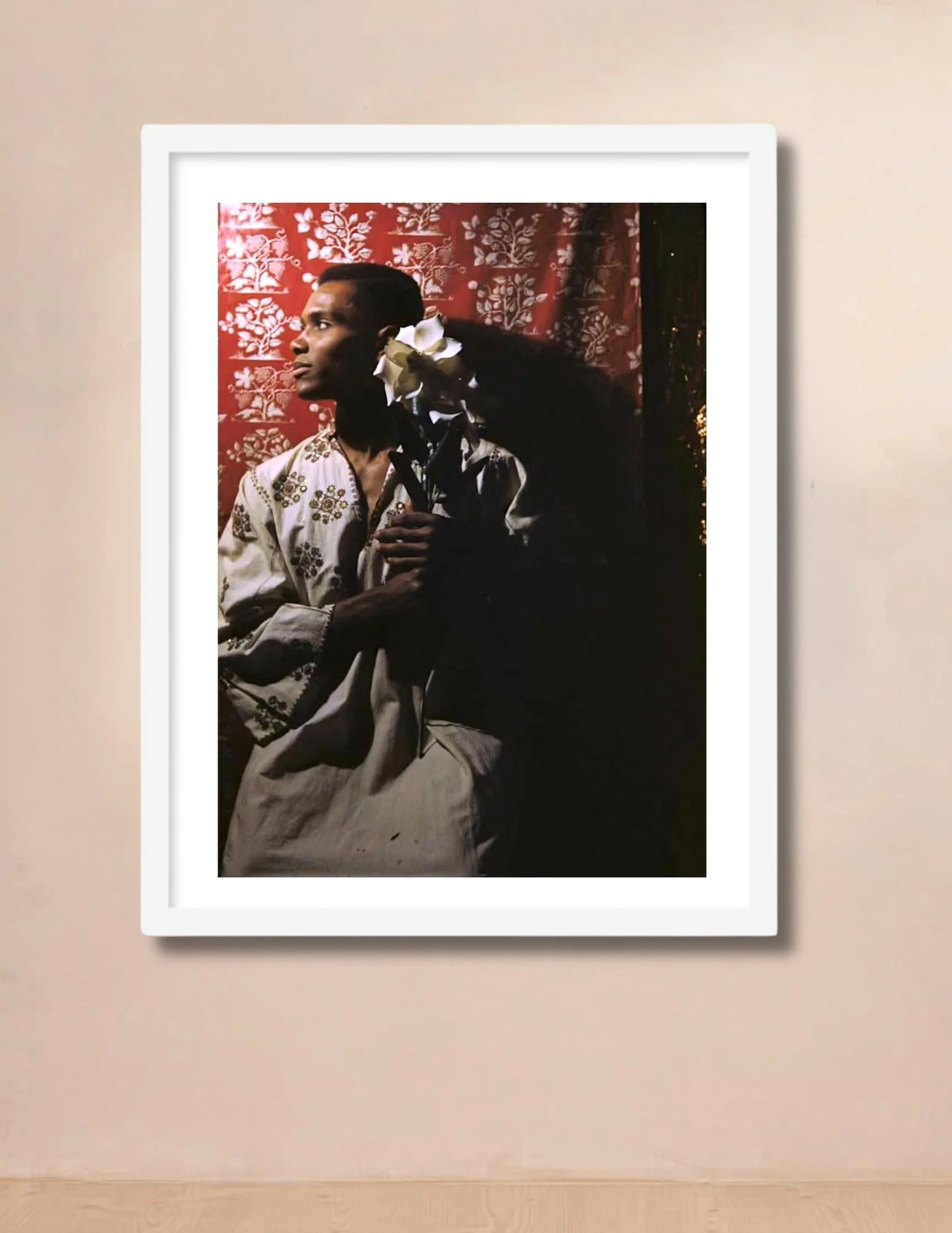
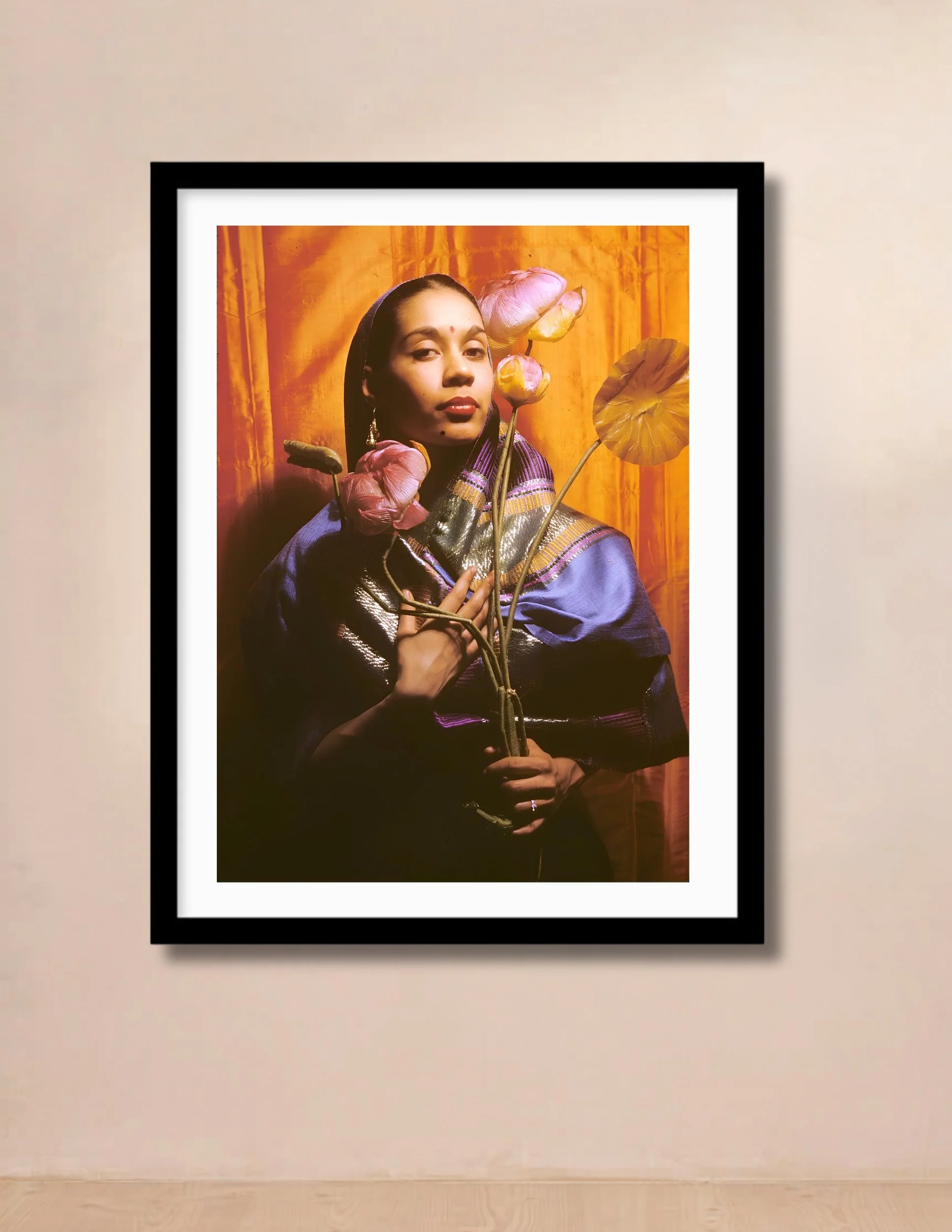
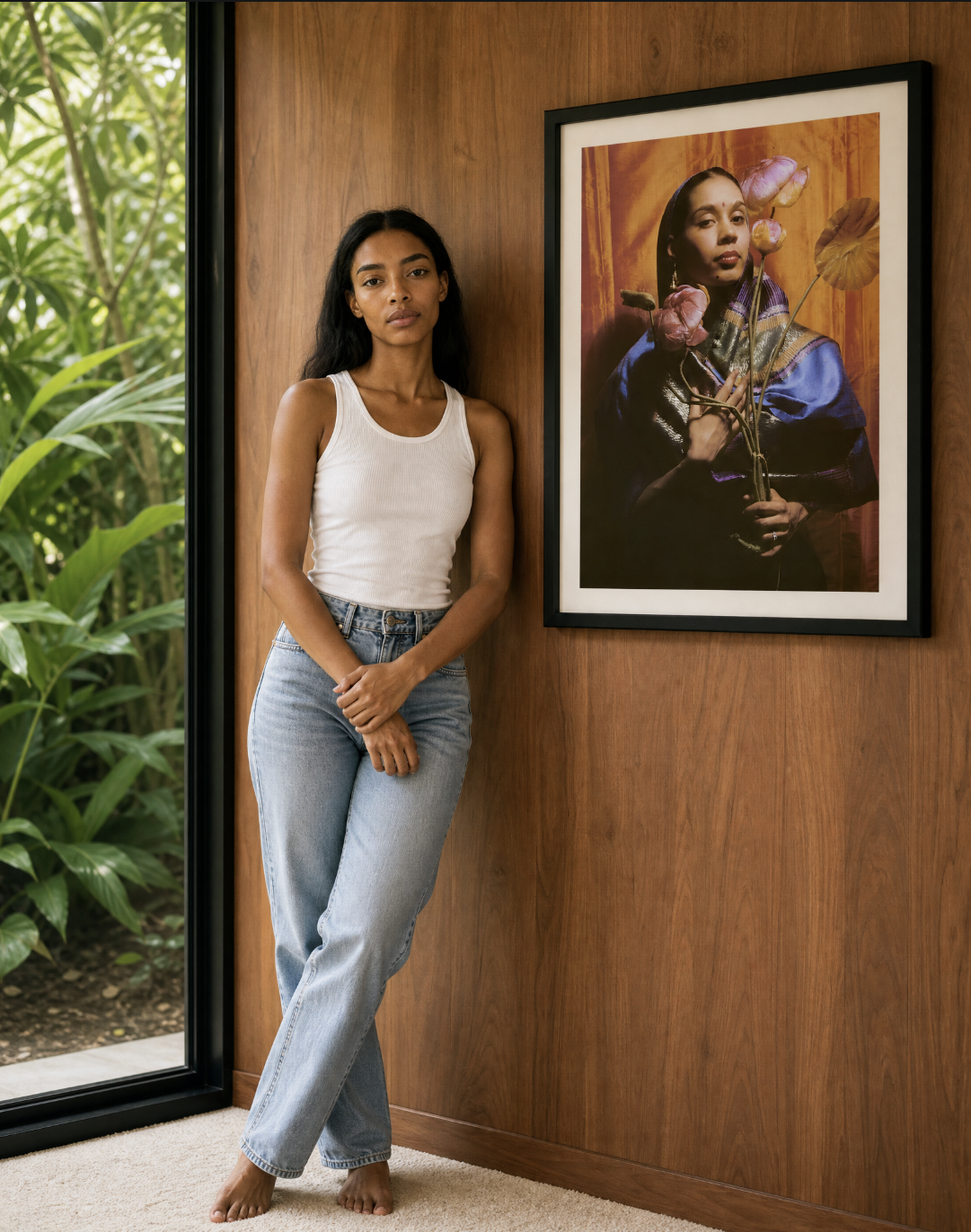
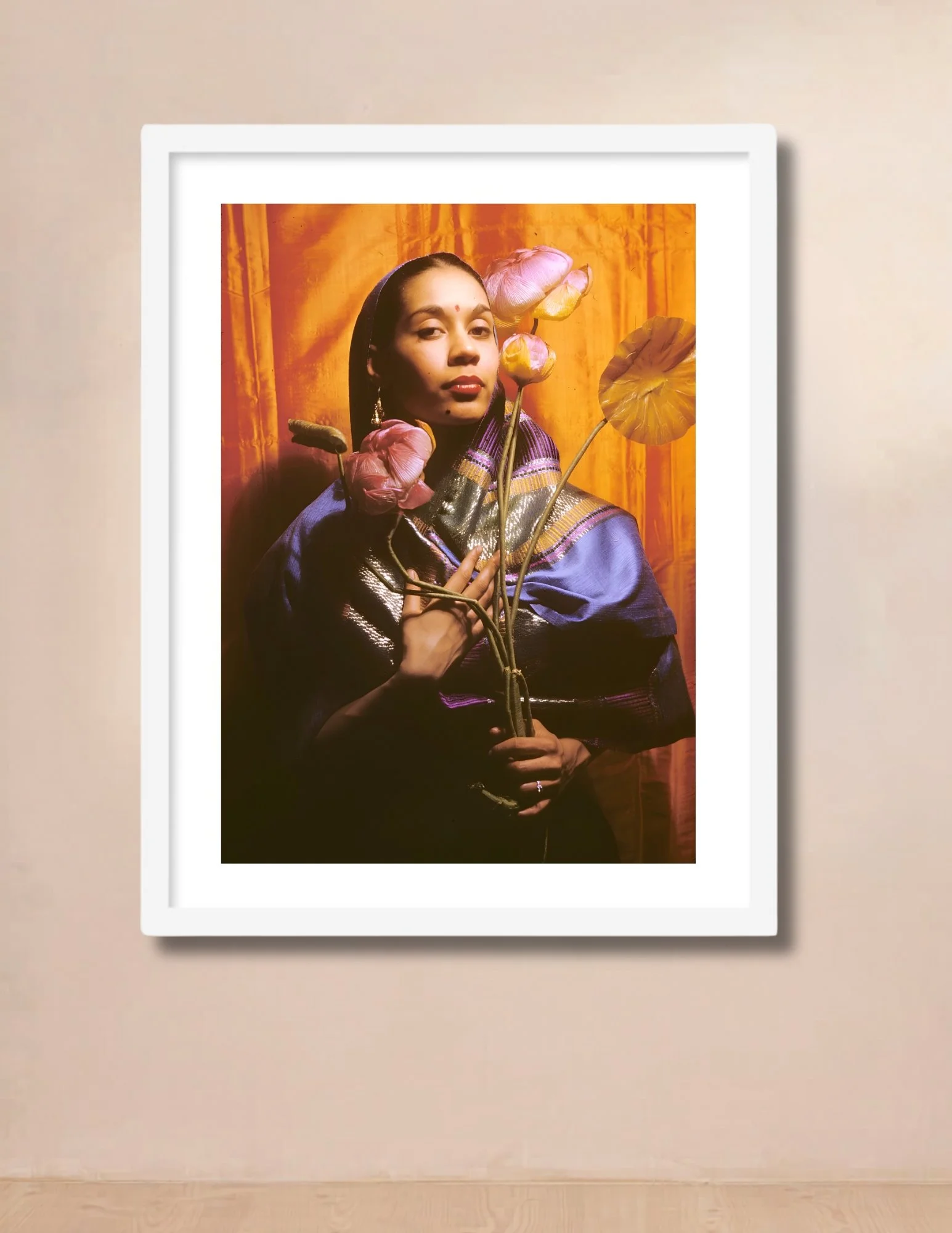
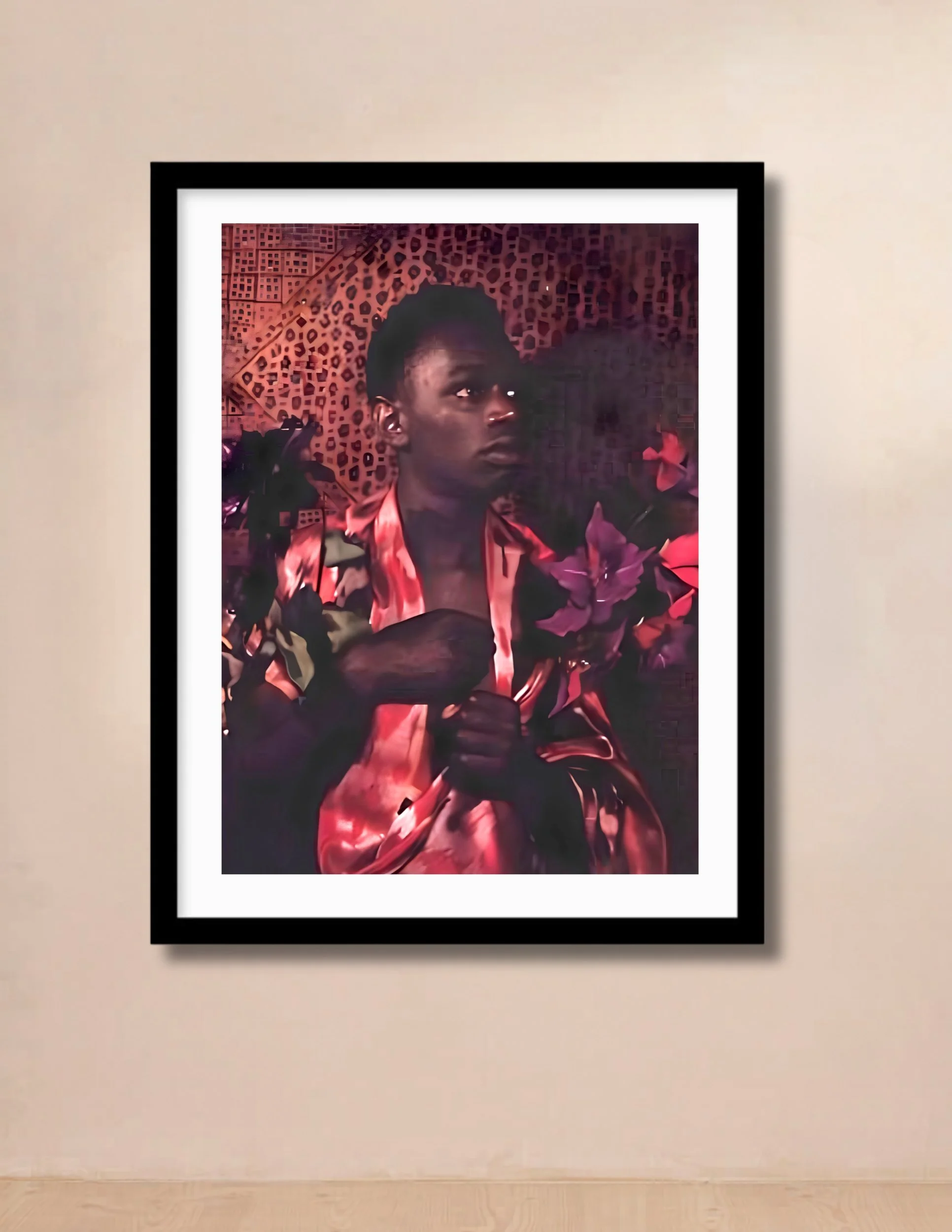
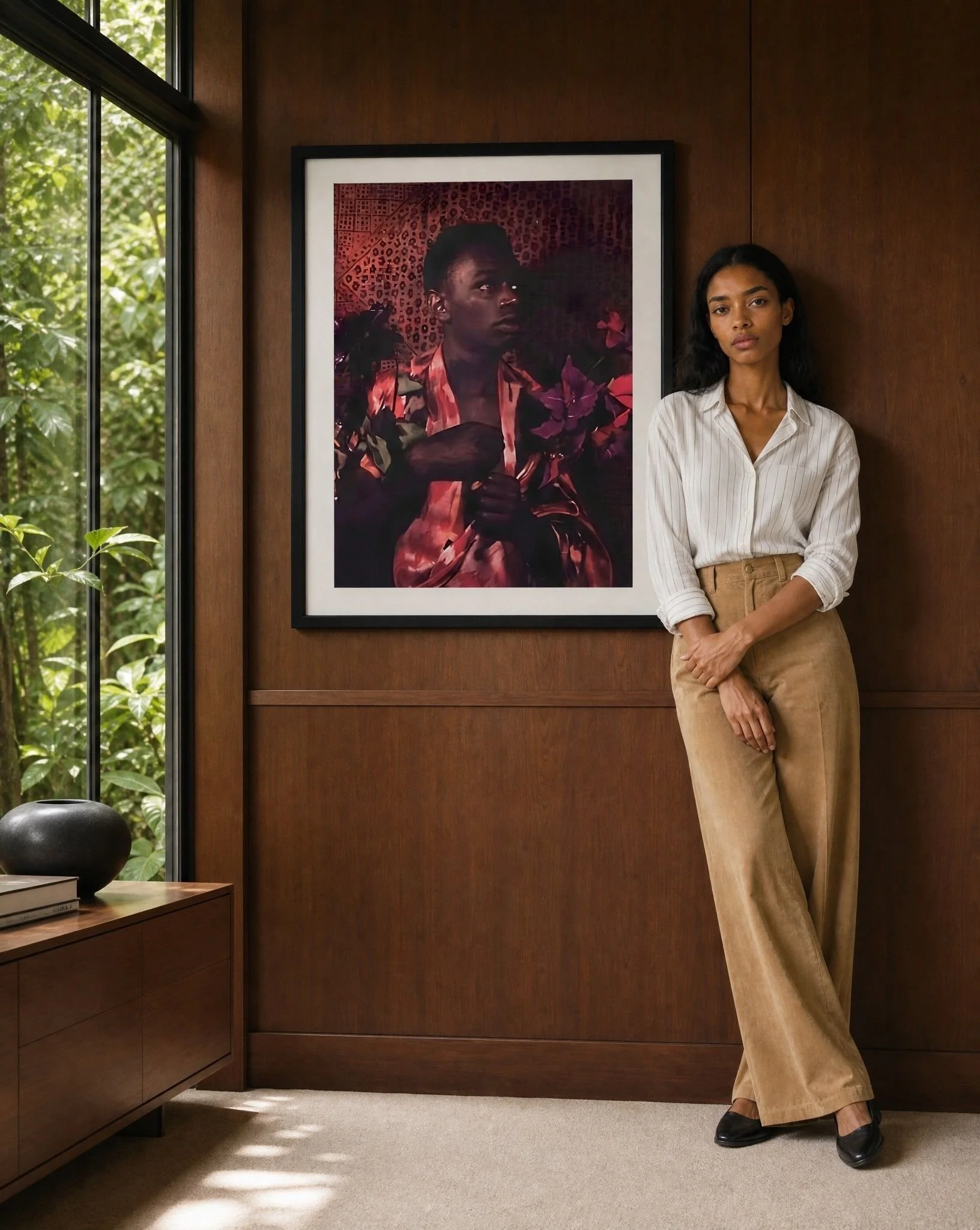
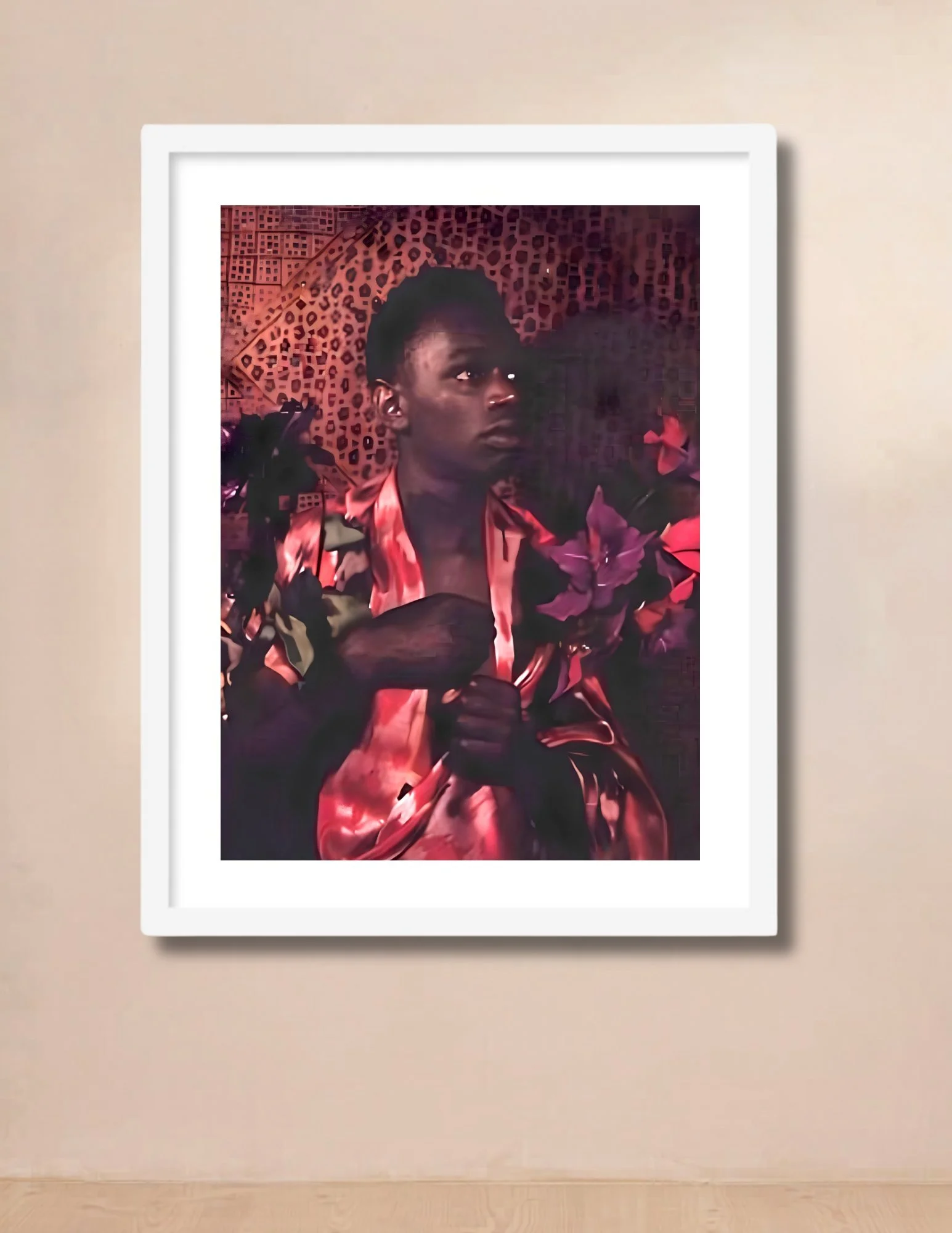
This archival museum quality print of a Carl Van Vechten photo of singer, actor and activist, Eartha Kitt is presented on 100% acid free, 5.57 oz, smooth matte fine art paper. Born into difficult circumstances as Eartha Mae Keith in 1927, Kitt became one of the most recognizable faces and unforgettable voices of the 20th century. By 1945 she was a dancer with the famed Katherine Dunham Company, and her remarkable beauty and singular voice quickly led to a series of successes both in the theater and on the radio. She starred as Helen of Troy in Orson Welles' 1950 production of Faustus. In 1967, she defined Catwoman in the Batman television series. And in 1992, her sultry Lady Eloise became an iconic character in Eddie Murphy’s Boomerang. An outspoken advocate of feminism and civil rights, Kitt’s career suffered in 1968 when she made openly negative remarks about the Vietnam War at a luncheon with First Lady, Lady Bird Johnson. In 1975, The New York Times reported that the CIA had compiled a dossier on Kitt at the behest of President Lyndon B. Johnson. Despite this, throughout her illustrious career Kitt recorded 17 studio albums, 8 live albums, more than 50 singles, wrote 3 autobiographies, and starred in countless films and television series. A true heroine, this reproduction print, produced in color and sustainably printed to order in the UK, is the perfect statement piece for any interior.
Editors' Note
Carl Van Vechten (1880-1964) was an iconic photographer, controversial author, and acclaimed patron of Black artists, authors and intellectuals in the 1920s. Though not a member of the African American community, he was a close friend of many of its leading figures, including, notably, Zora Neale Hurston. A mainstay of the social scene of the Harlem Renaissance, he was instrumental in furthering the careers of many such as Hurston, Langston Hughes and Paul Robeson. As a photographer, Van Vechten’s work provides an invaluable record as he photographed many stars of the Renaissance period and beyond at pivotal moments in their careers — including his 1946 portrait of W.E.B. Du Bois and 1955 image of James Baldwin — at a time when sophisticated, dignified portraiture for such figures was in short supply. At the same time, however, Van Vechten’s legacy is marred by his sense of ownership over the Black creatives with whom he socialized and collaborated, and his willingness to demean them, whether through his use of racial slurs in the naming of his Harlem-based novel, or his tendency to exoticize Black subjects through dress and pose, presenting them in ways more reflective of racial archetypes than the subject’s true nature. While Van Vechten’s work, like his friendship, has proven invaluable to the careers and legacies of many luminaries of African American culture across generations, it is also demonstrative of the complex, often fraught relationship between Black creatives, intellectuals and activists, and those who purport to be “allies.” Nevertheless, Van Vechten’s images are part of major catalogues at the Schomburg Center For Research in Black Culture in New York City, and at Howard University in Washington DC. The AphroChic collection of Van Vechten’s work reproduces and colorizes some of the photographer’s most compelling portraits of Black luminaries, presenting an intersection of themes that promises to lend untold layers of meaning to each image, making them ever more striking additions to the aesthetic of any room.
Details
This archival museum quality print of a Carl Van Vechten photo of singer, actor and activist, Eartha Kitt is presented on 100% acid free, 5.57 oz, smooth matte fine art paper. Born into difficult circumstances as Eartha Mae Keith in 1927, Kitt became one of the most recognizable faces and unforgettable voices of the 20th century. By 1945 she was a dancer with the famed Katherine Dunham Company, and her remarkable beauty and singular voice quickly led to a series of successes both in the theater and on the radio. She starred as Helen of Troy in Orson Welles' 1950 production of Faustus. In 1967, she defined Catwoman in the Batman television series. And in 1992, her sultry Lady Eloise became an iconic character in Eddie Murphy’s Boomerang. An outspoken advocate of feminism and civil rights, Kitt’s career suffered in 1968 when she made openly negative remarks about the Vietnam War at a luncheon with First Lady, Lady Bird Johnson. In 1975, The New York Times reported that the CIA had compiled a dossier on Kitt at the behest of President Lyndon B. Johnson. Despite this, throughout her illustrious career Kitt recorded 17 studio albums, 8 live albums, more than 50 singles, wrote 3 autobiographies, and starred in countless films and television series. A true heroine, this reproduction print, produced in color and sustainably printed to order in the UK, is the perfect statement piece for any interior.
Editors' Note
Carl Van Vechten (1880-1964) was an iconic photographer, controversial author, and acclaimed patron of Black artists, authors and intellectuals in the 1920s. Though not a member of the African American community, he was a close friend of many of its leading figures, including, notably, Zora Neale Hurston. A mainstay of the social scene of the Harlem Renaissance, he was instrumental in furthering the careers of many such as Hurston, Langston Hughes and Paul Robeson. As a photographer, Van Vechten’s work provides an invaluable record as he photographed many stars of the Renaissance period and beyond at pivotal moments in their careers — including his 1946 portrait of W.E.B. Du Bois and 1955 image of James Baldwin — at a time when sophisticated, dignified portraiture for such figures was in short supply. At the same time, however, Van Vechten’s legacy is marred by his sense of ownership over the Black creatives with whom he socialized and collaborated, and his willingness to demean them, whether through his use of racial slurs in the naming of his Harlem-based novel, or his tendency to exoticize Black subjects through dress and pose, presenting them in ways more reflective of racial archetypes than the subject’s true nature. While Van Vechten’s work, like his friendship, has proven invaluable to the careers and legacies of many luminaries of African American culture across generations, it is also demonstrative of the complex, often fraught relationship between Black creatives, intellectuals and activists, and those who purport to be “allies.” Nevertheless, Van Vechten’s images are part of major catalogues at the Schomburg Center For Research in Black Culture in New York City, and at Howard University in Washington DC. The AphroChic collection of Van Vechten’s work reproduces and colorizes some of the photographer’s most compelling portraits of Black luminaries, presenting an intersection of themes that promises to lend untold layers of meaning to each image, making them ever more striking additions to the aesthetic of any room.

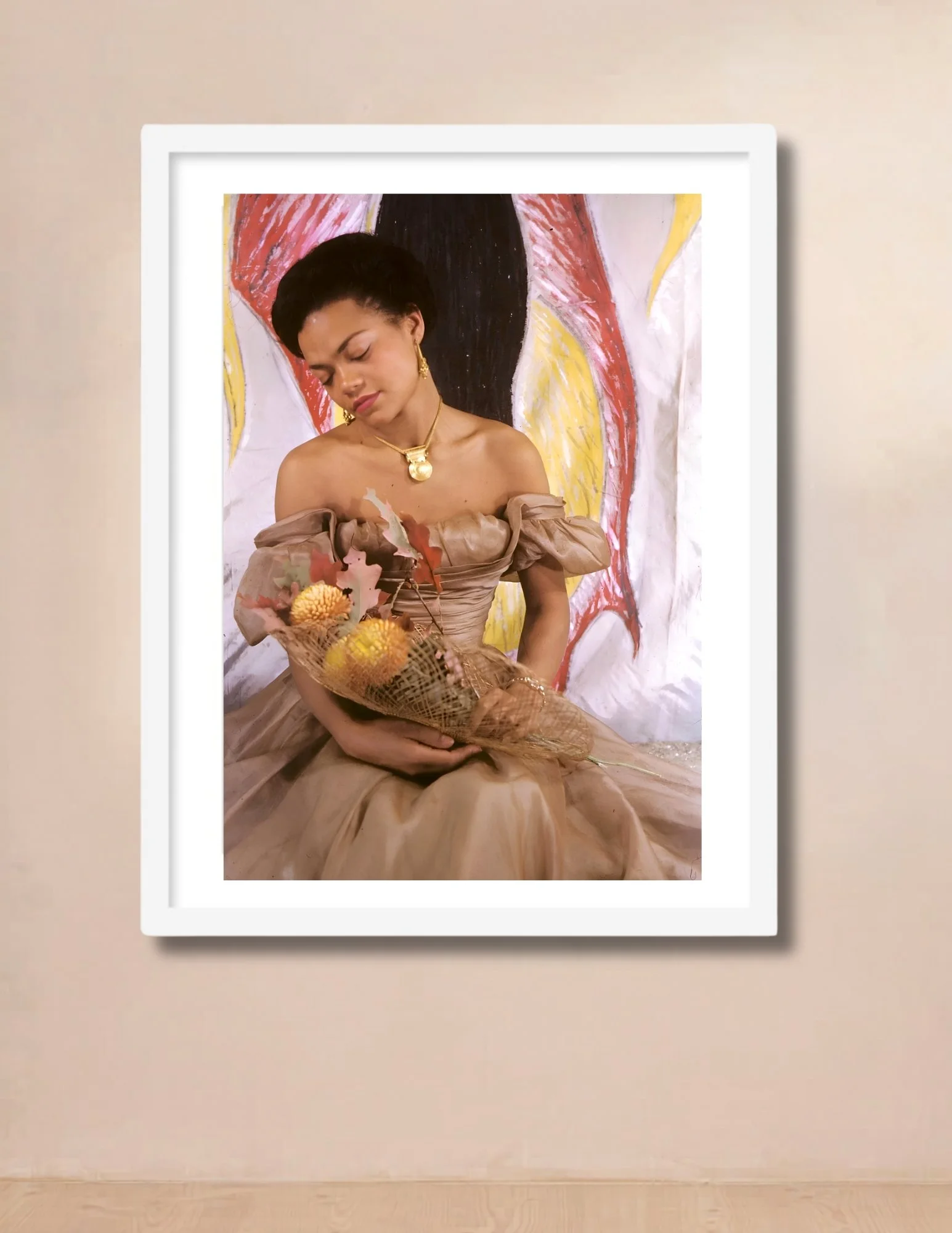 Image 1 of 3
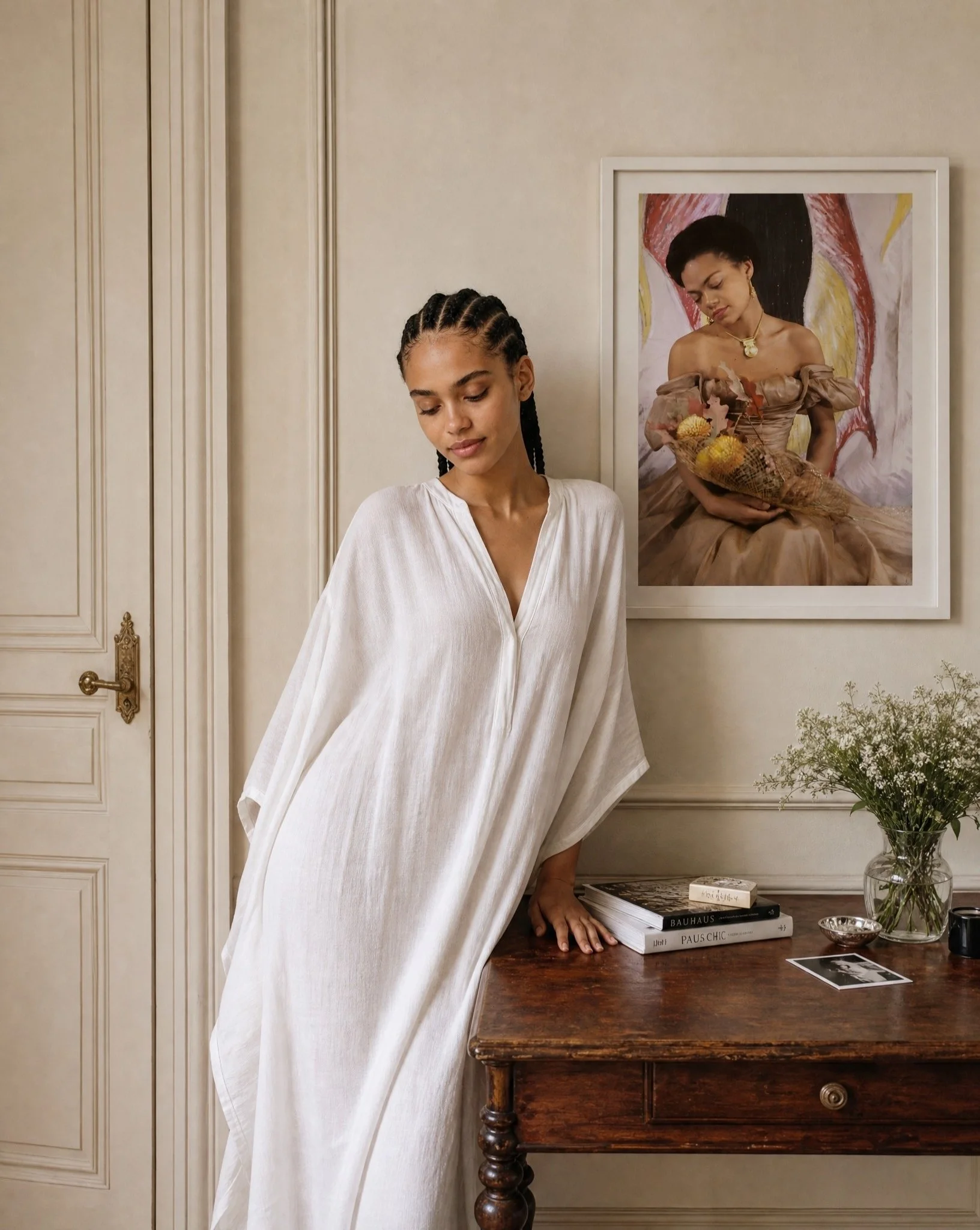 Image 2 of 3
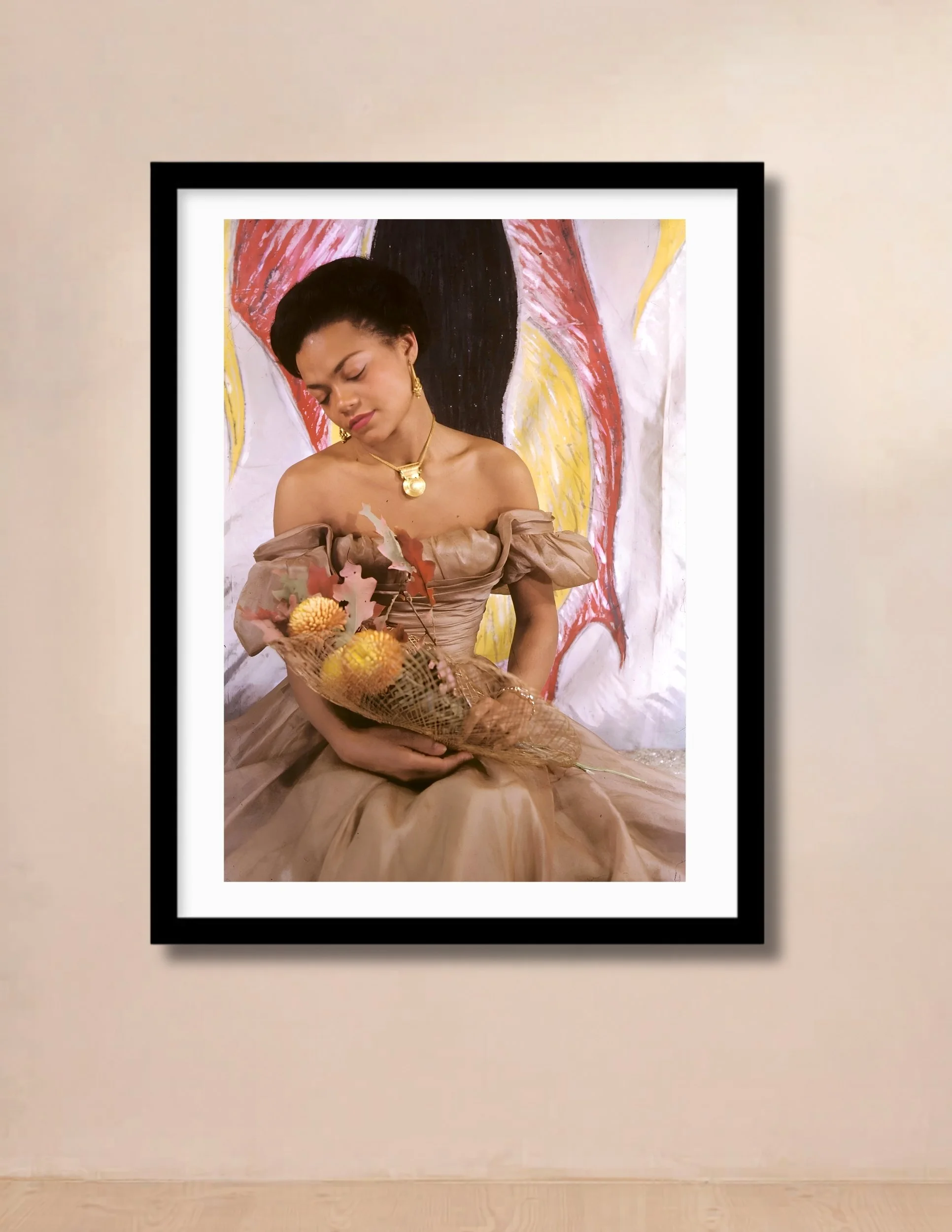 Image 3 of 3