Details
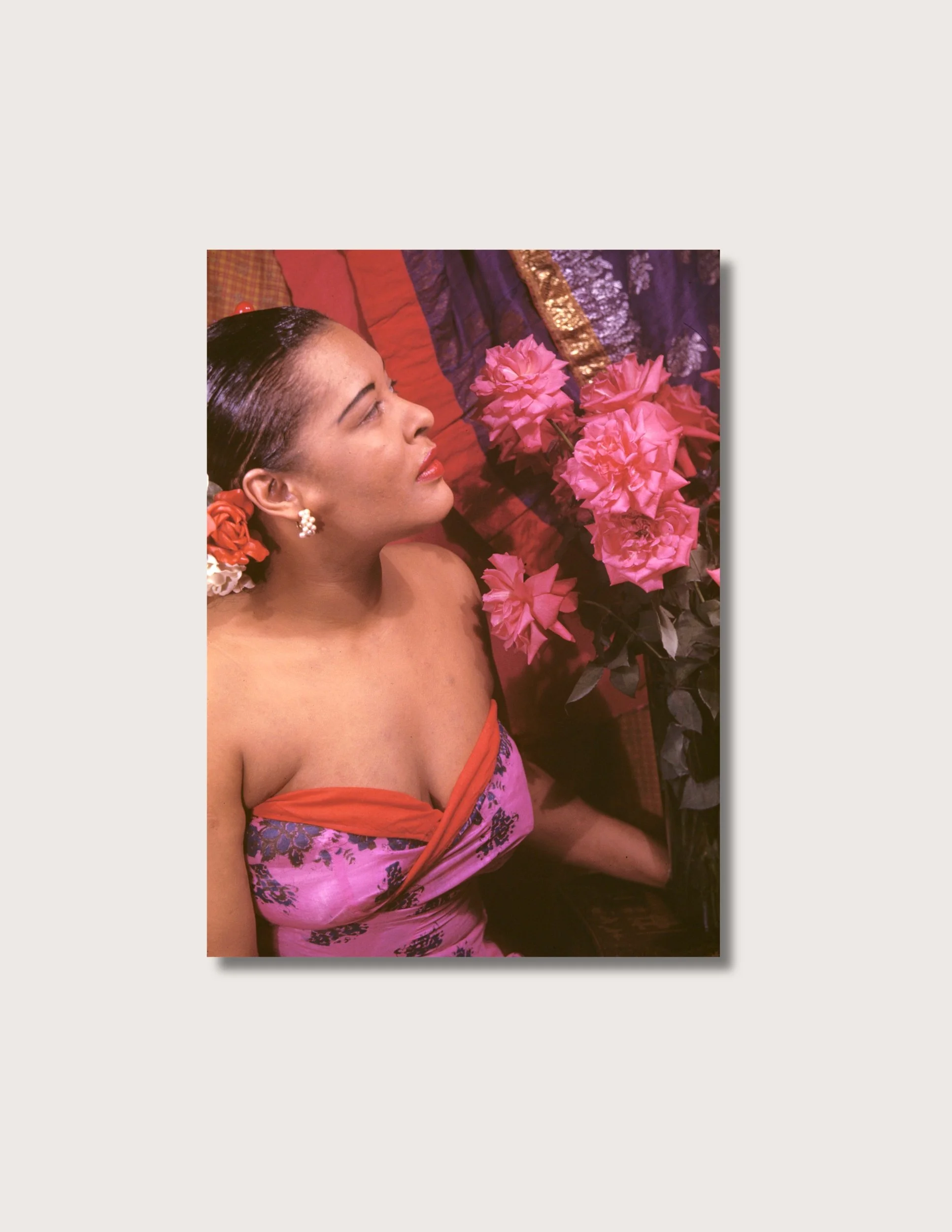
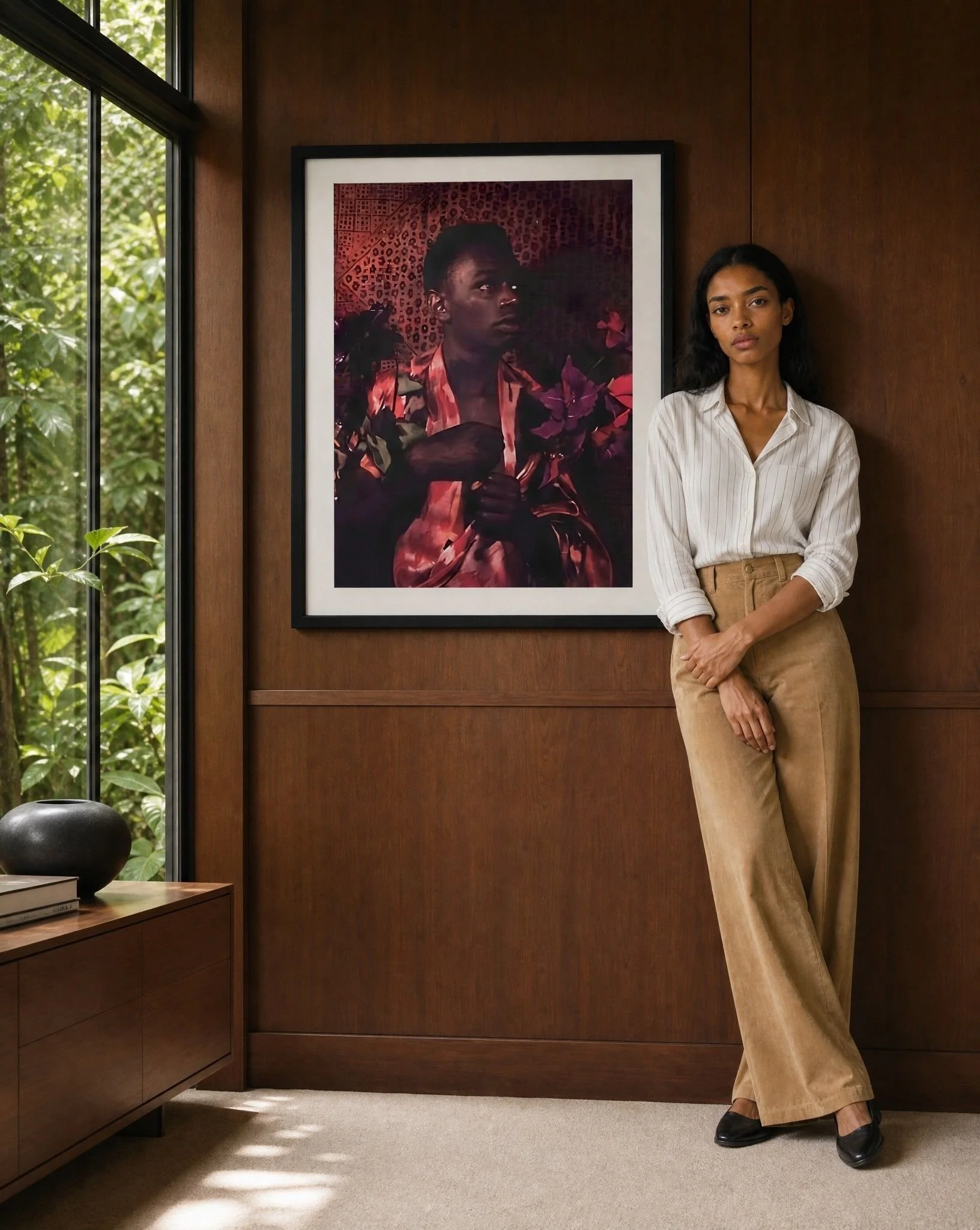
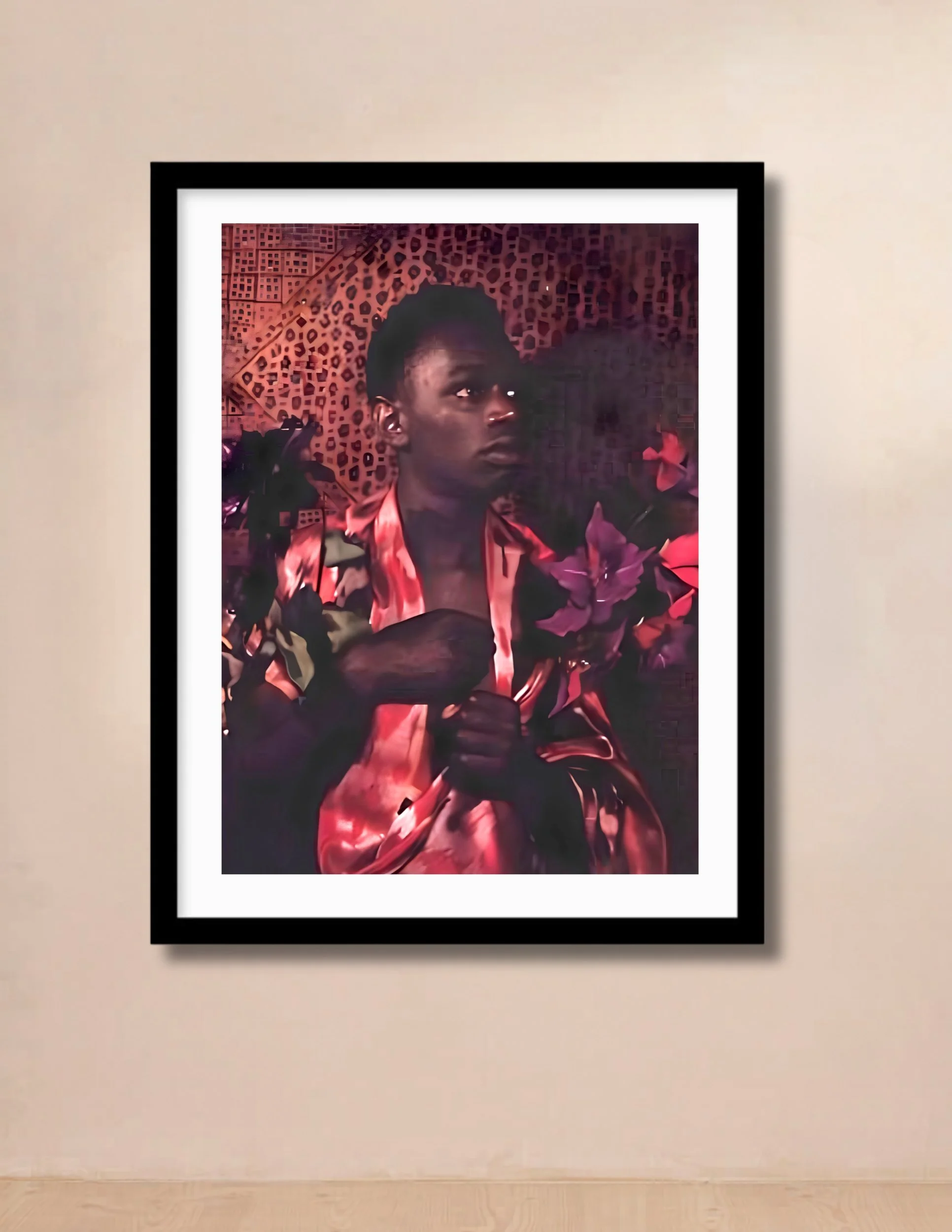
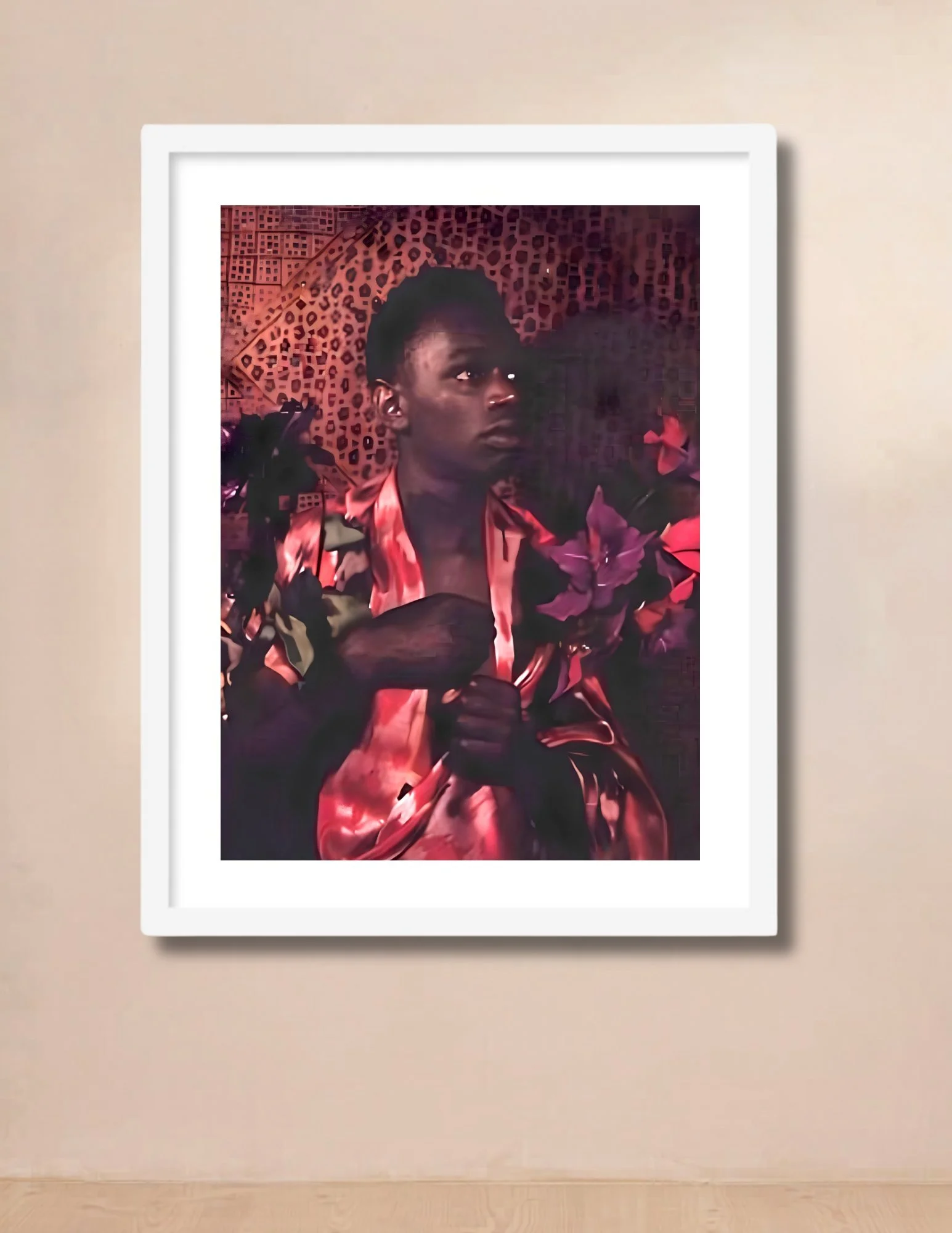
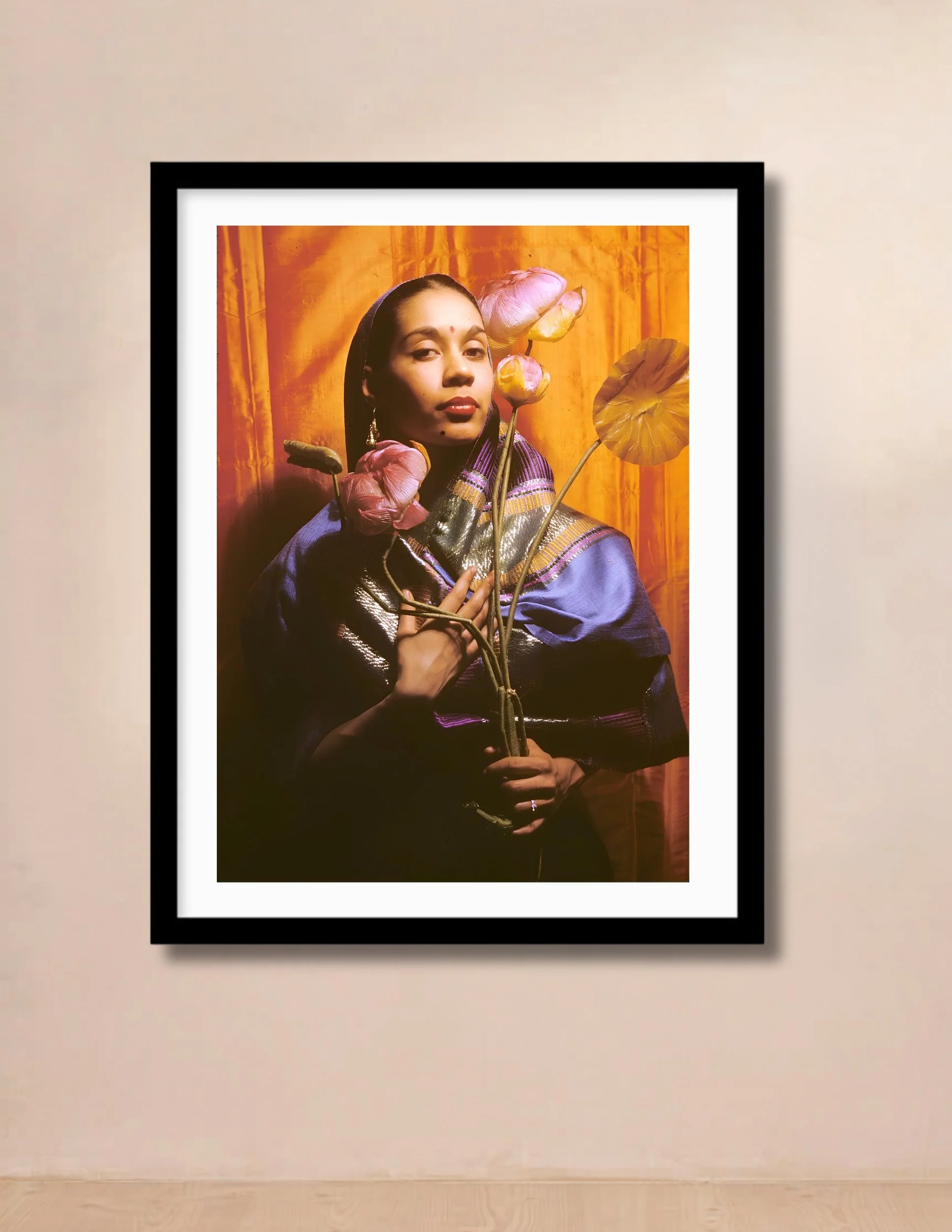
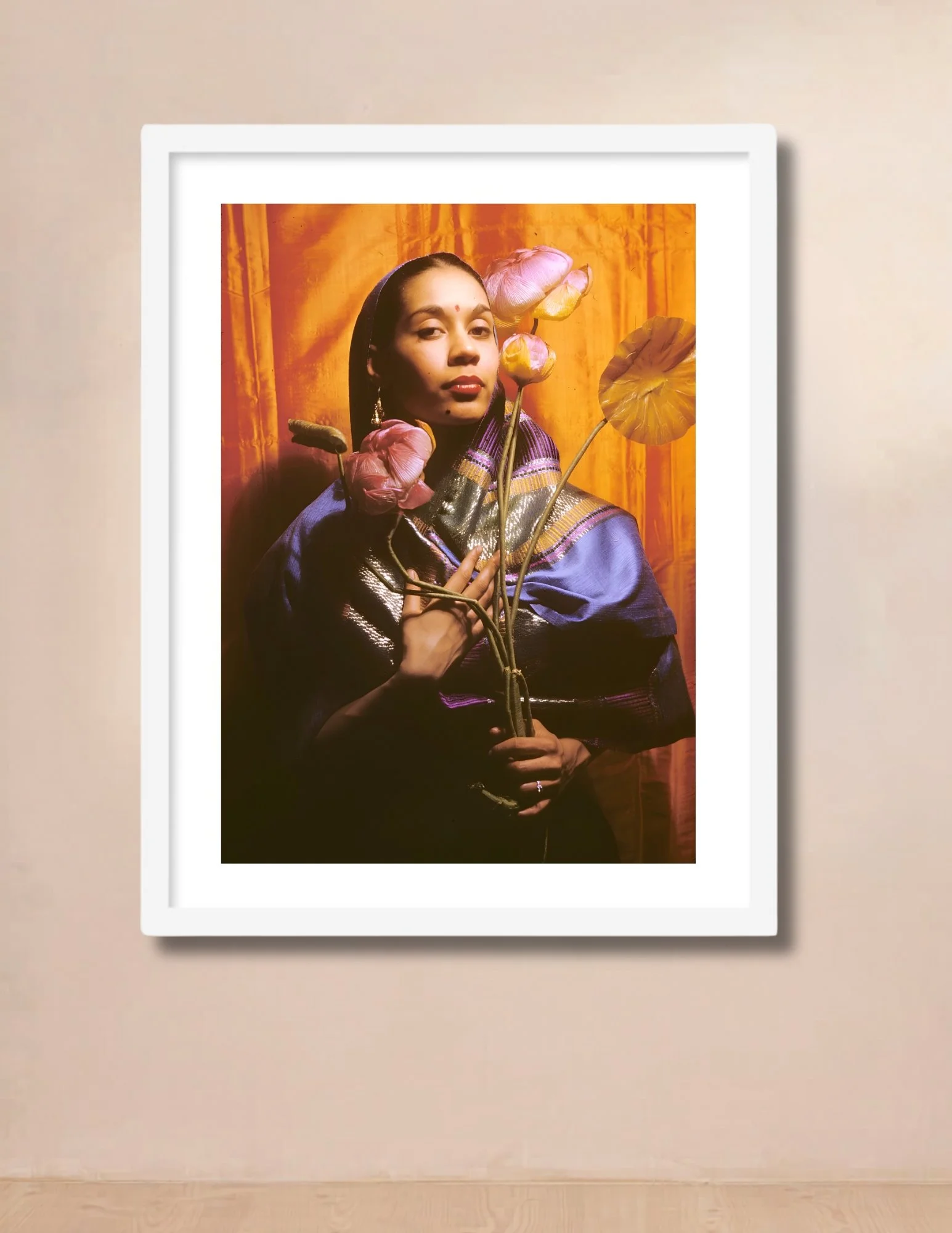
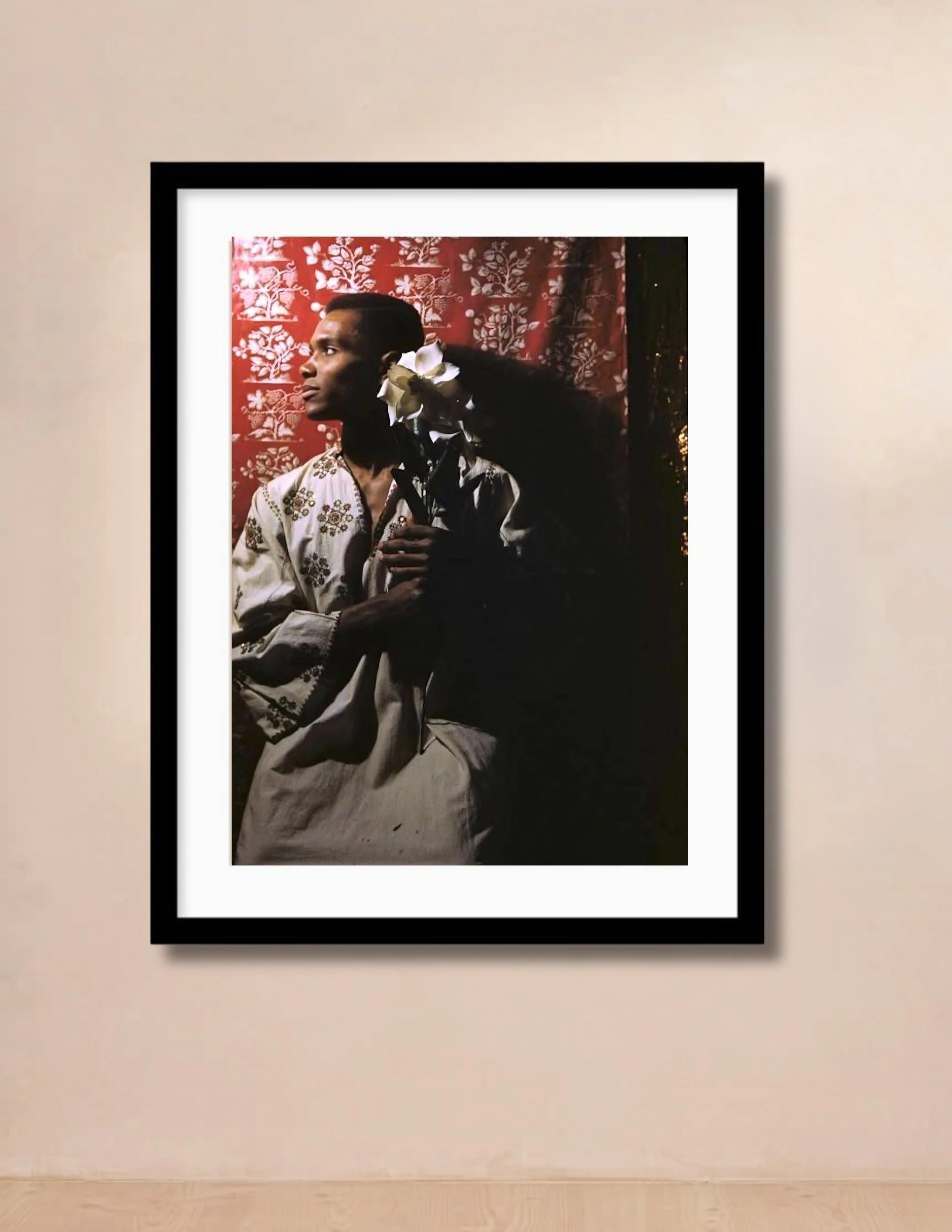
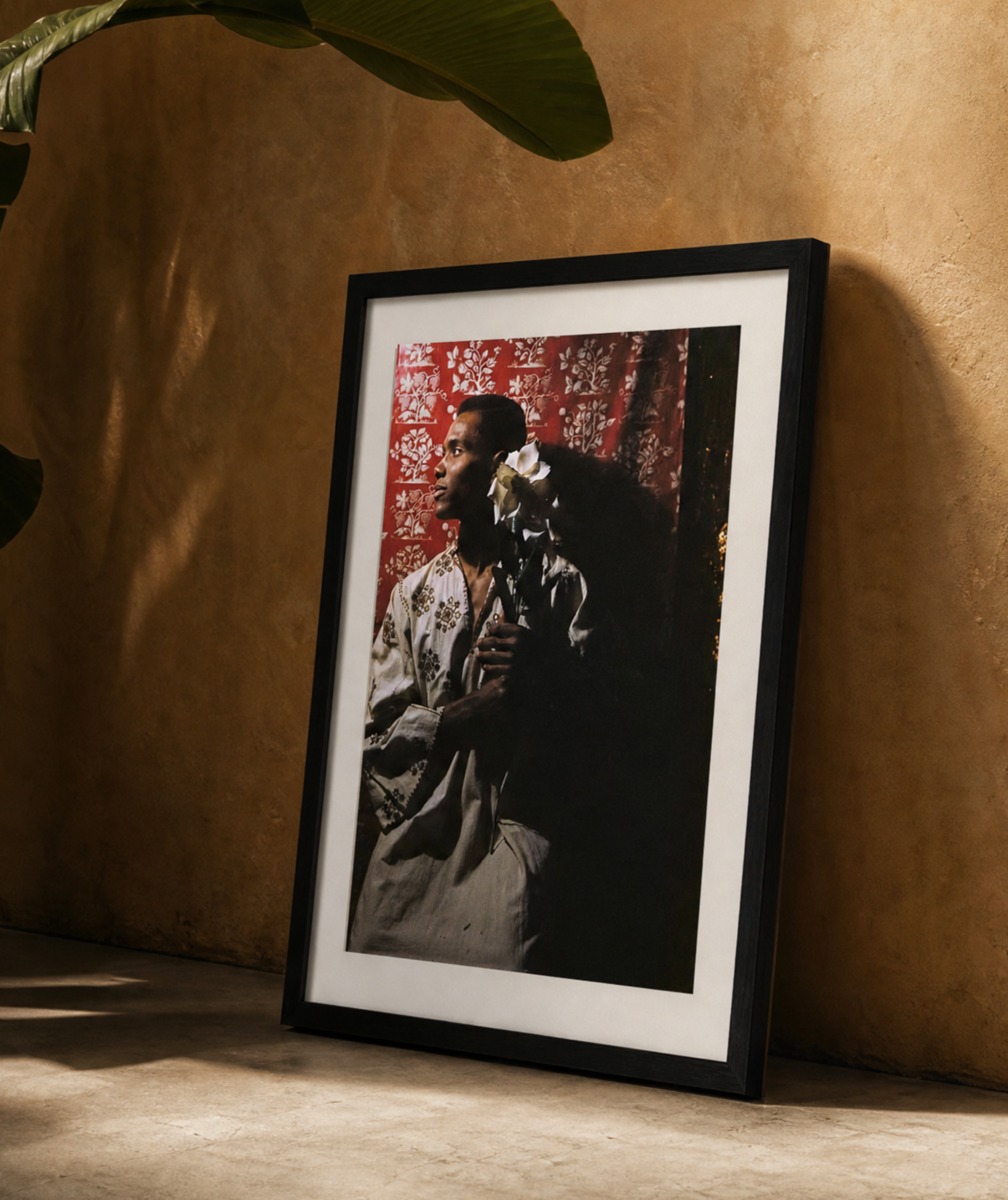
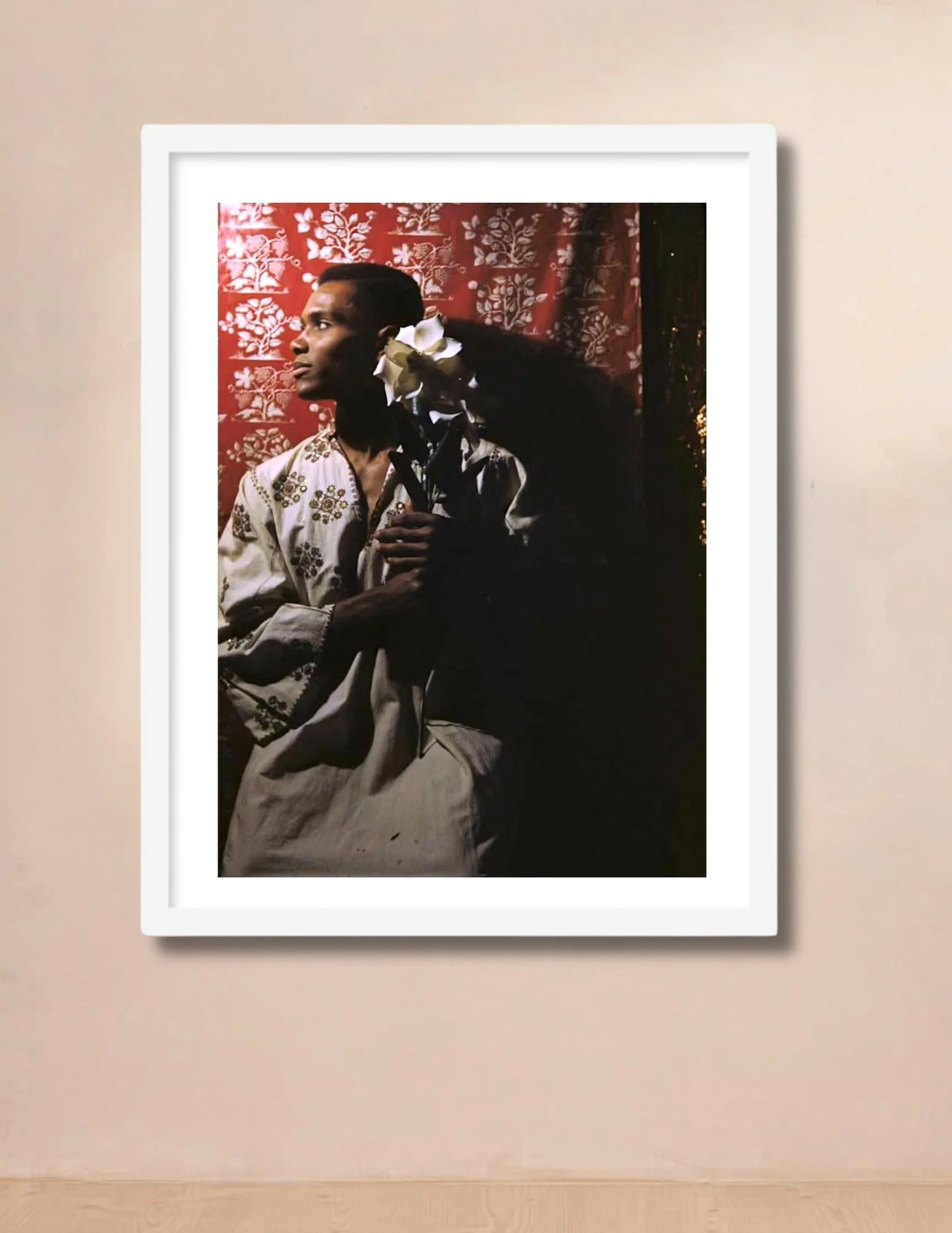
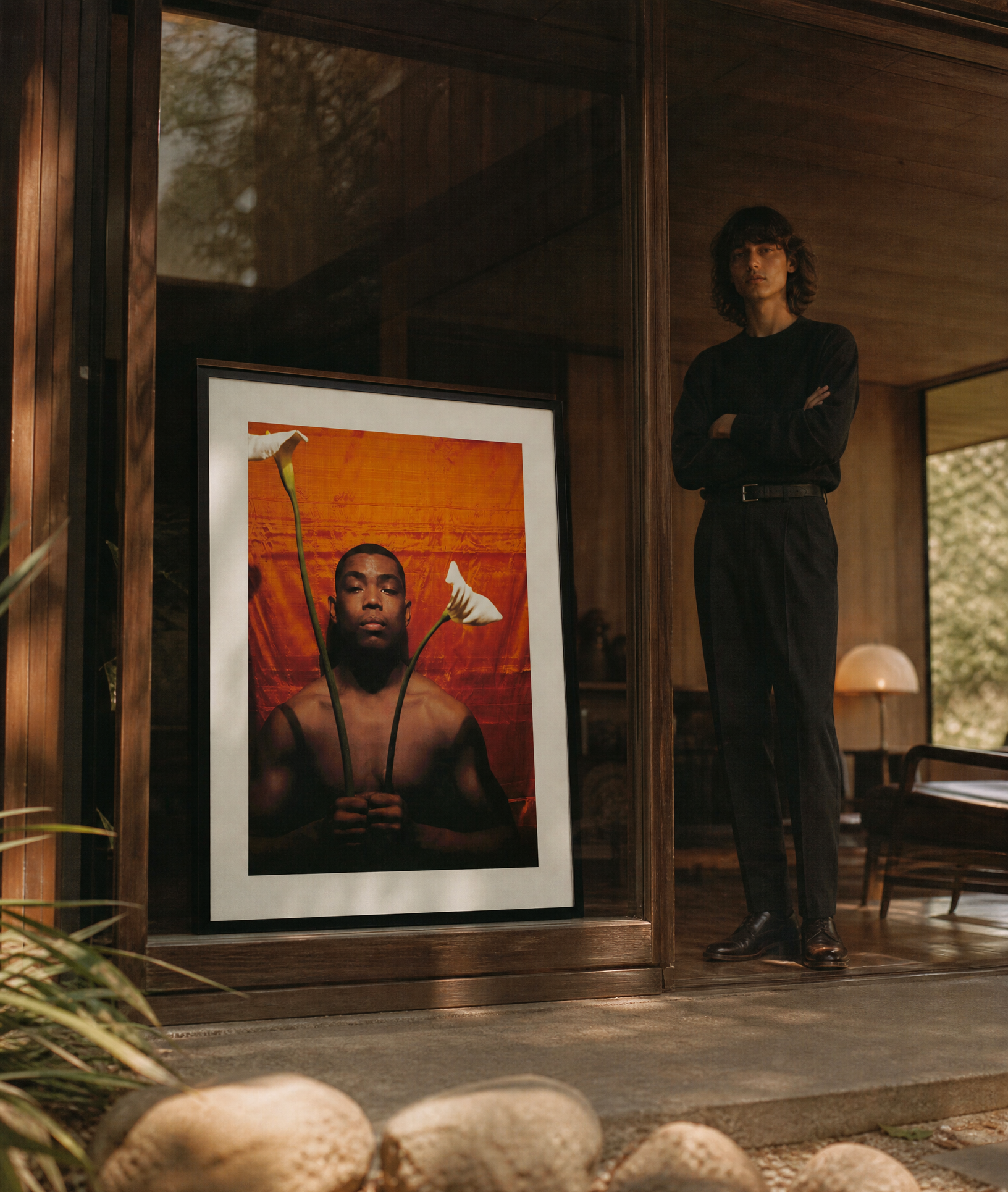
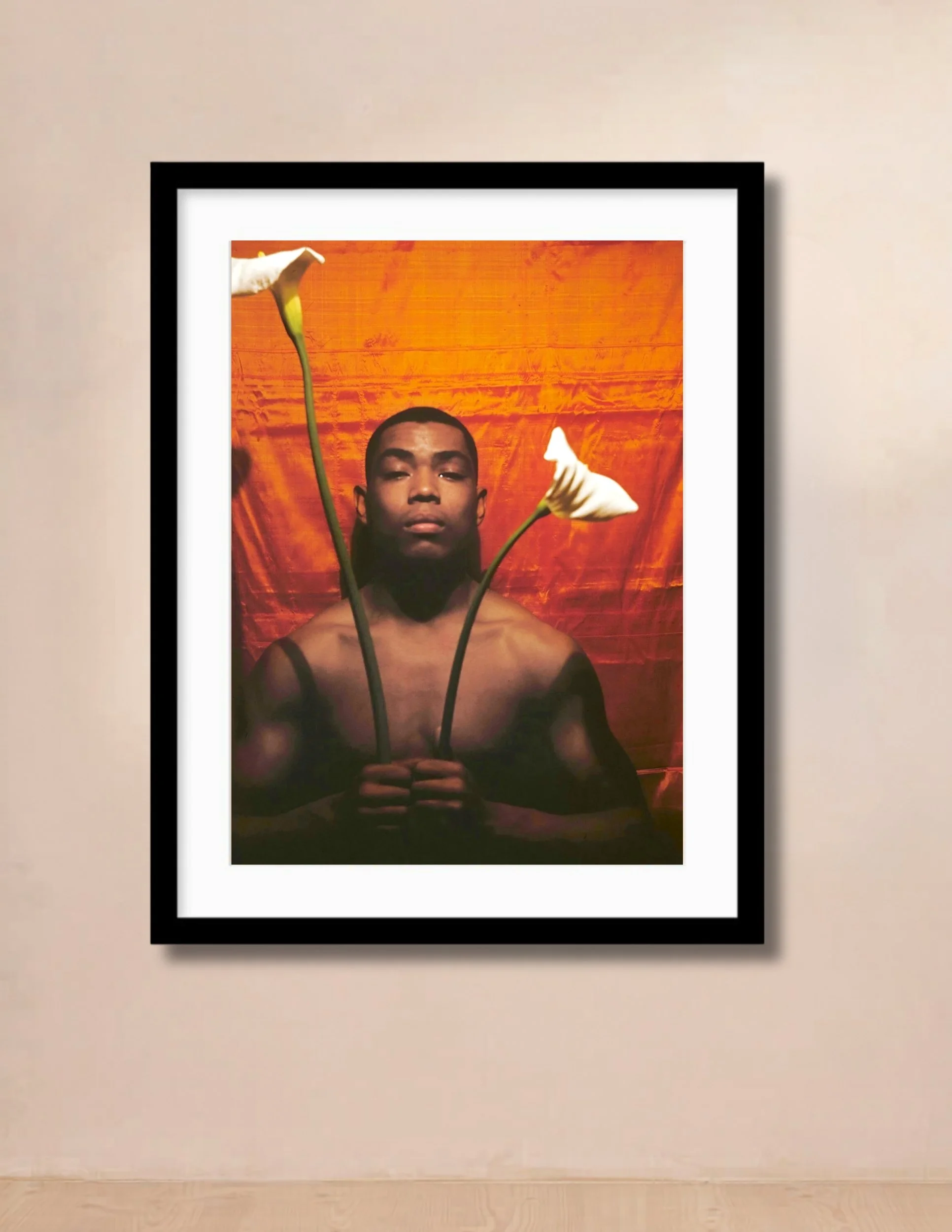
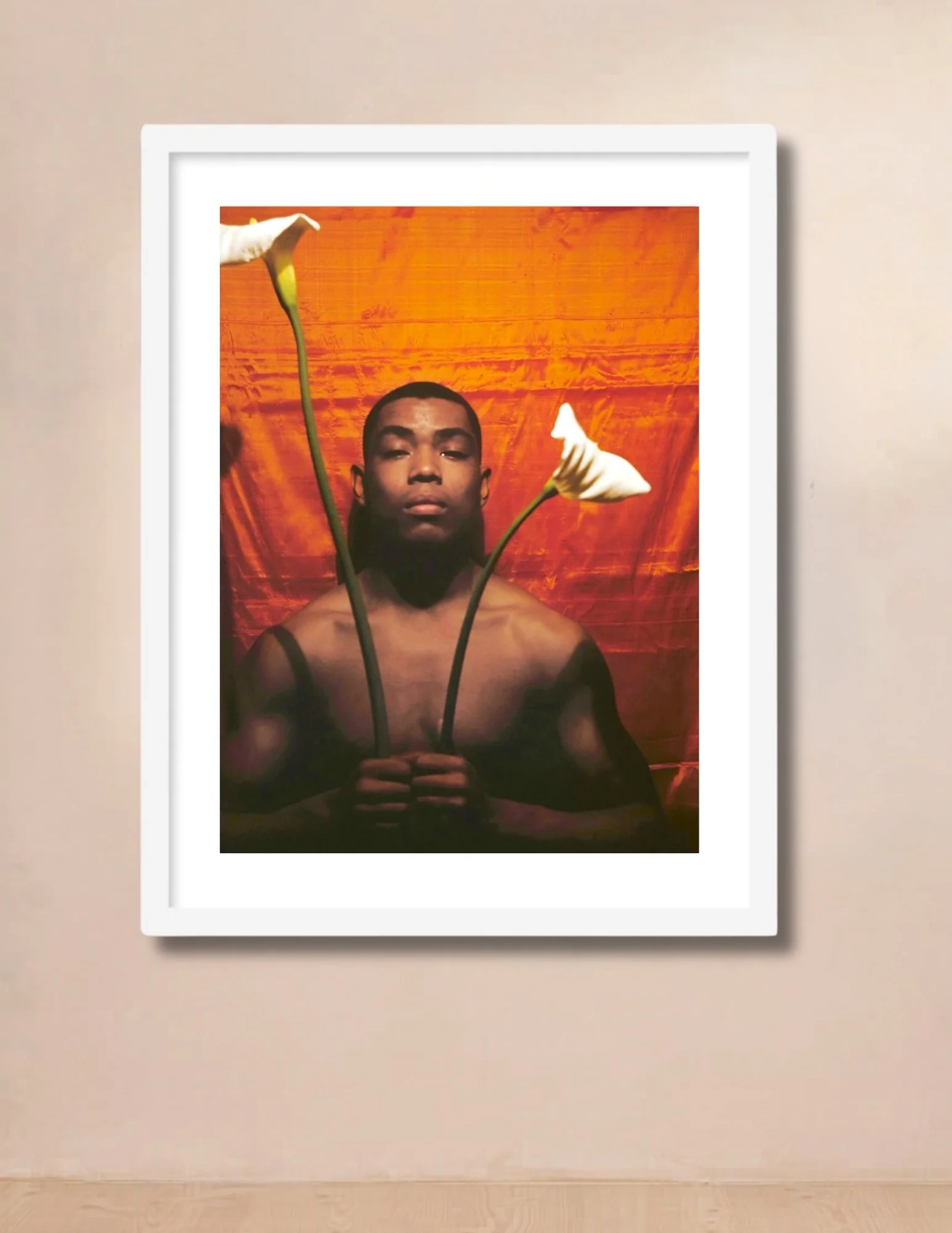
The legendary Lady Day. Her life was tumultuous; her rise to stardom meteoric; and her end, tragic. Here she is, photographed by famed American Photographer Carl Van Vechten in a late night session in Harlem in 1949. Even the story of the shoot is iconic. Arranged by African American journalist and activist Gerri Major, the shoot was a disaster from the start. Billie Holiday arrived in neither the clothes nor the spirits the shoot hoped to capture. Things only worsened as Van Vechten attempted to goad her into other attire. But everything changed when he showed the singer a collection of photos he’d taken of Bessie Smith, the famed African American jazz-age singer known as the Empress of the Blues. Holiday was transfixed by the images, which brought her to tears, leading to a photo session that went on through the night and saw Holiday posing artistically in several outfits, as well as nothing at all. One of the most singular voices of her age, Holiday’s fame was curtailed both by her personal struggles and ultimately by the relentless persecution of the U.S. government following her recording and performance of the protest song, Strange Fruit. The campaign against her lasted in various forms from 1939 when the song was recorded to 1959 when the singer laid handcuffed by federal agents to the hospital bed in which she would eventually pass away at the age of 44. This archival museum quality print is presented on 100% acid free, 5.57 oz, smooth matte fine art paper. Printed sustainably to order in the UK, it is a perfect choice for making a statement in any room of your home.
Editors' Note
Carl Van Vechten (1880-1964) was an iconic photographer, controversial author, and acclaimed patron of Black artists, authors and intellectuals in the 1920s. Though not a member of the African American community, he was a close friend of many of its leading figures, including, notably, Zora Neale Hurston. A mainstay of the social scene of the Harlem Renaissance, he was instrumental in furthering the careers of many such as Hurston, Langston Hughes and Paul Robeson. As a photographer, Van Vechten’s work provides an invaluable record as he photographed many stars of the Renaissance period and beyond at pivotal moments in their careers — including his 1946 portrait of W.E.B. Du Bois and 1955 image of James Baldwin — at a time when sophisticated, dignified portraiture for such figures was in short supply. At the same time, however, Van Vechten’s legacy is marred by his sense of ownership over the Black creatives with whom he socialized and collaborated, and his willingness to demean them, whether through his use of racial slurs in the naming of his Harlem-based novel, or his tendency to exoticize Black subjects through dress and pose, presenting them in ways more reflective of racial archetypes than the subject’s true nature. While Van Vechten’s work, like his friendship, has proven invaluable to the careers and legacies of many luminaries of African American culture across generations, it is also demonstrative of the complex, often fraught relationship between Black creatives, intellectuals and activists, and those who purport to be “allies.” Nevertheless, Van Vechten’s images are part of major catalogues at the Schomburg Center For Research in Black Culture in New York City, and at Howard University in Washington DC. The AphroChic collection of Van Vechten’s work reproduces and colorizes some of the photographer’s most compelling portraits of Black luminaries, presenting an intersection of themes that promises to lend untold layers of meaning to each image, making them ever more striking additions to the aesthetic of any room.
Details
The legendary Lady Day. Her life was tumultuous; her rise to stardom meteoric; and her end, tragic. Here she is, photographed by famed American Photographer Carl Van Vechten in a late night session in Harlem in 1949. Even the story of the shoot is iconic. Arranged by African American journalist and activist Gerri Major, the shoot was a disaster from the start. Billie Holiday arrived in neither the clothes nor the spirits the shoot hoped to capture. Things only worsened as Van Vechten attempted to goad her into other attire. But everything changed when he showed the singer a collection of photos he’d taken of Bessie Smith, the famed African American jazz-age singer known as the Empress of the Blues. Holiday was transfixed by the images, which brought her to tears, leading to a photo session that went on through the night and saw Holiday posing artistically in several outfits, as well as nothing at all. One of the most singular voices of her age, Holiday’s fame was curtailed both by her personal struggles and ultimately by the relentless persecution of the U.S. government following her recording and performance of the protest song, Strange Fruit. The campaign against her lasted in various forms from 1939 when the song was recorded to 1959 when the singer laid handcuffed by federal agents to the hospital bed in which she would eventually pass away at the age of 44. This archival museum quality print is presented on 100% acid free, 5.57 oz, smooth matte fine art paper. Printed sustainably to order in the UK, it is a perfect choice for making a statement in any room of your home.
Editors' Note
Carl Van Vechten (1880-1964) was an iconic photographer, controversial author, and acclaimed patron of Black artists, authors and intellectuals in the 1920s. Though not a member of the African American community, he was a close friend of many of its leading figures, including, notably, Zora Neale Hurston. A mainstay of the social scene of the Harlem Renaissance, he was instrumental in furthering the careers of many such as Hurston, Langston Hughes and Paul Robeson. As a photographer, Van Vechten’s work provides an invaluable record as he photographed many stars of the Renaissance period and beyond at pivotal moments in their careers — including his 1946 portrait of W.E.B. Du Bois and 1955 image of James Baldwin — at a time when sophisticated, dignified portraiture for such figures was in short supply. At the same time, however, Van Vechten’s legacy is marred by his sense of ownership over the Black creatives with whom he socialized and collaborated, and his willingness to demean them, whether through his use of racial slurs in the naming of his Harlem-based novel, or his tendency to exoticize Black subjects through dress and pose, presenting them in ways more reflective of racial archetypes than the subject’s true nature. While Van Vechten’s work, like his friendship, has proven invaluable to the careers and legacies of many luminaries of African American culture across generations, it is also demonstrative of the complex, often fraught relationship between Black creatives, intellectuals and activists, and those who purport to be “allies.” Nevertheless, Van Vechten’s images are part of major catalogues at the Schomburg Center For Research in Black Culture in New York City, and at Howard University in Washington DC. The AphroChic collection of Van Vechten’s work reproduces and colorizes some of the photographer’s most compelling portraits of Black luminaries, presenting an intersection of themes that promises to lend untold layers of meaning to each image, making them ever more striking additions to the aesthetic of any room.
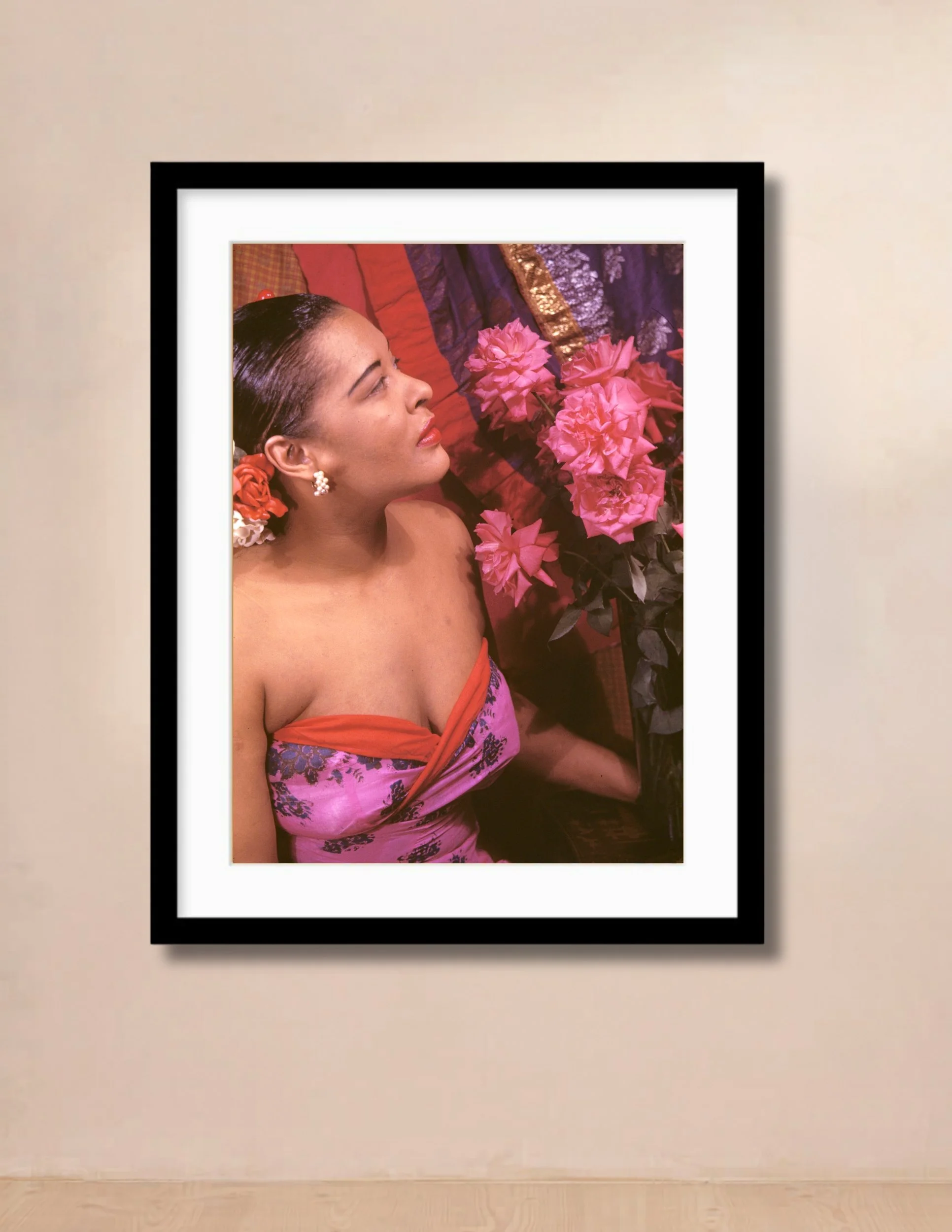 Image 1 of 3
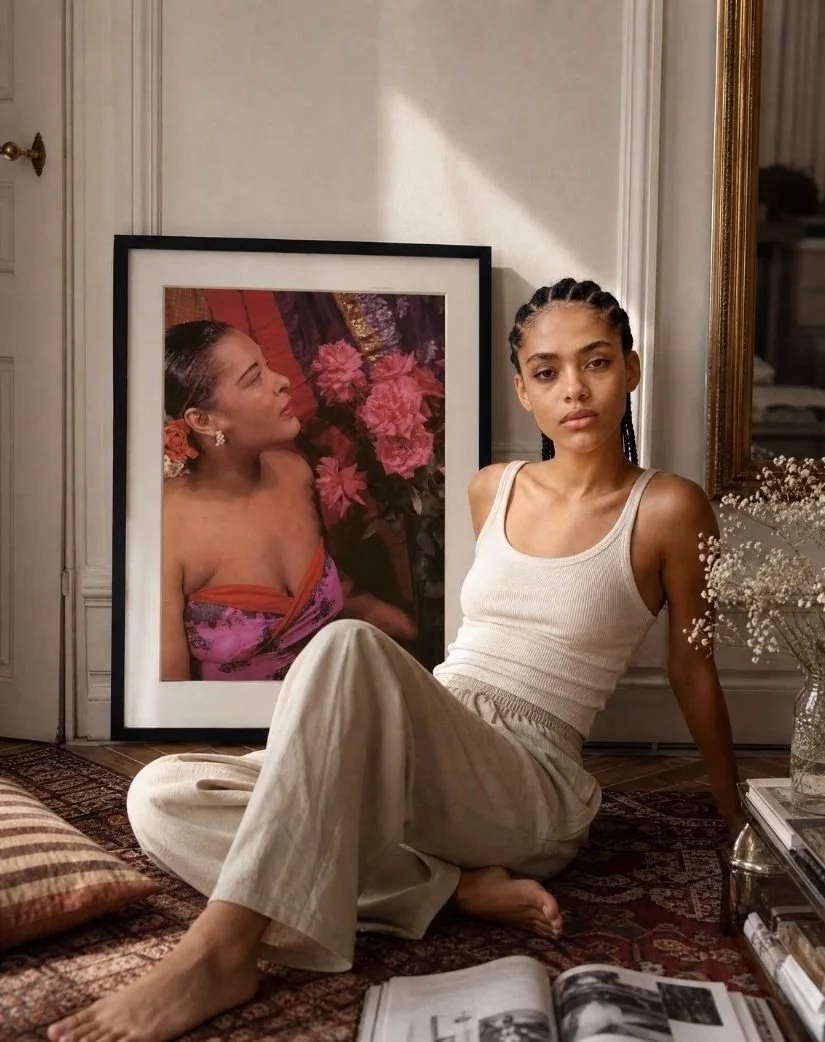 Image 2 of 3
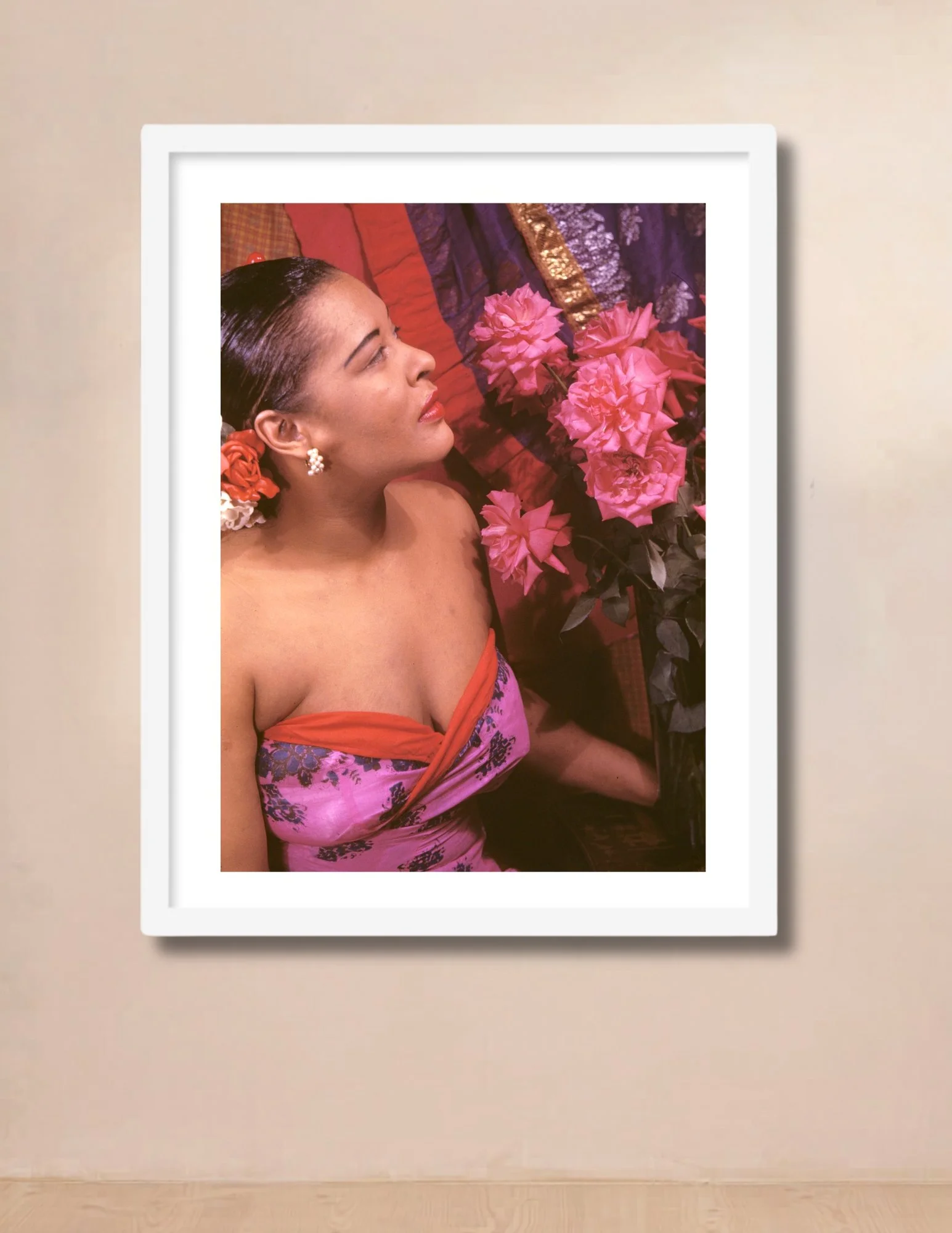 Image 3 of 3