Details
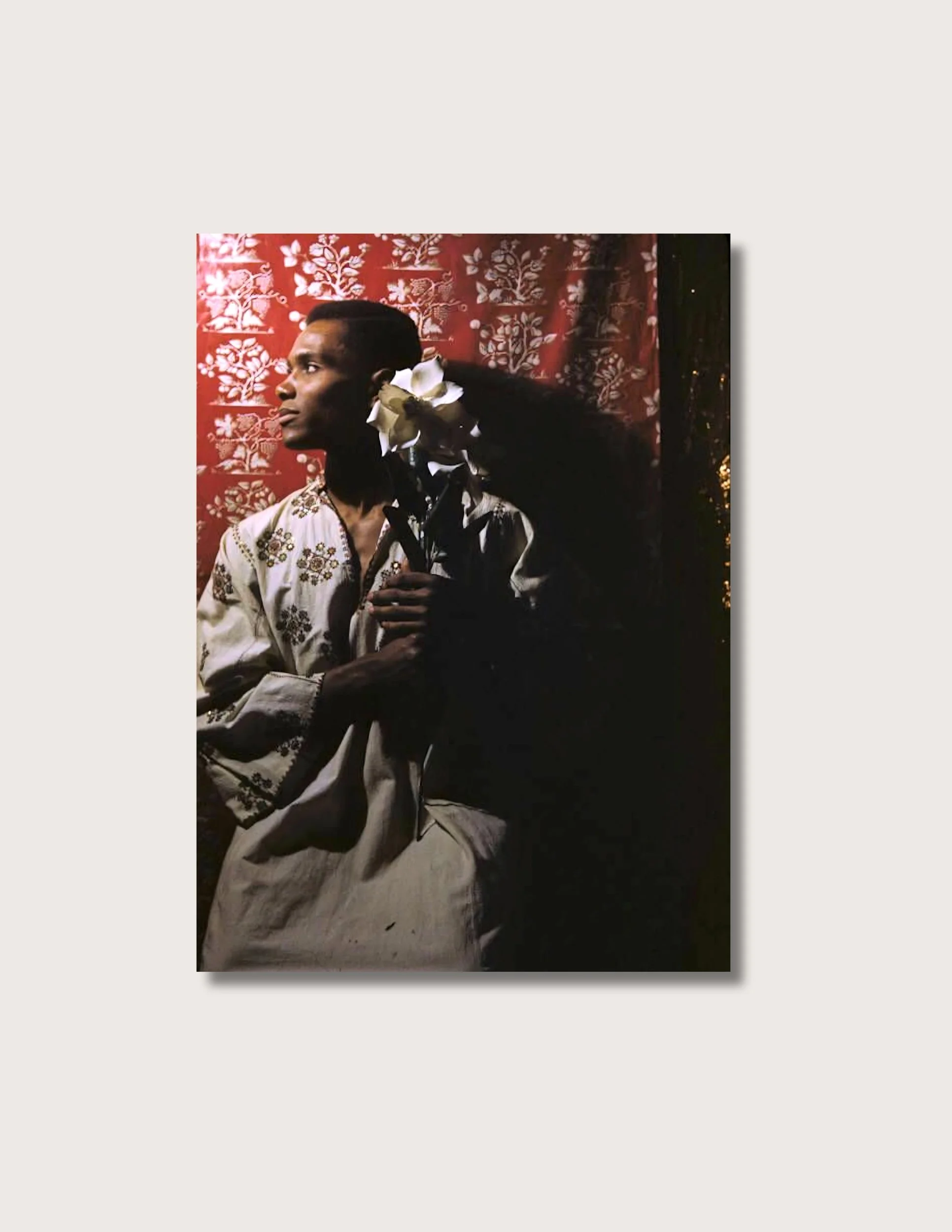
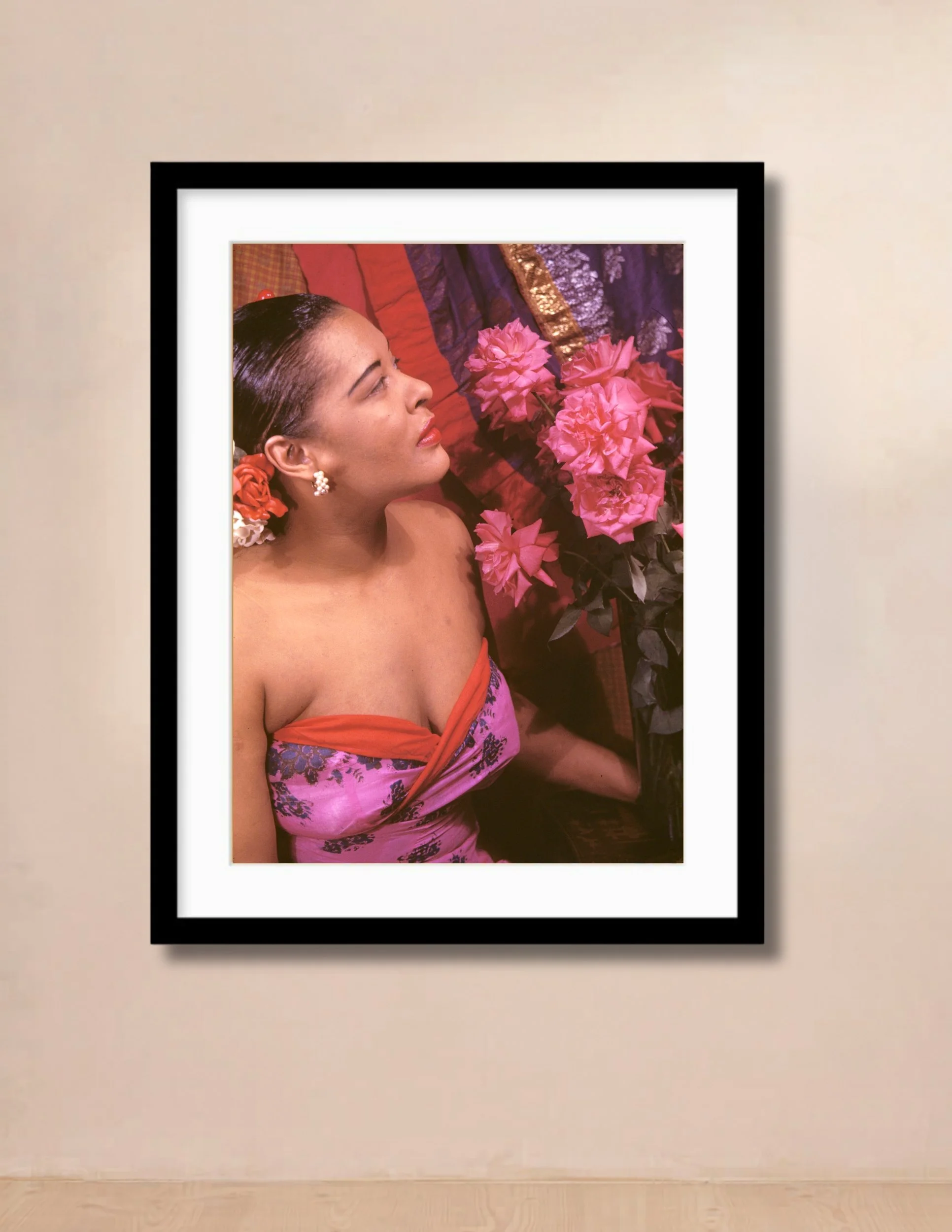
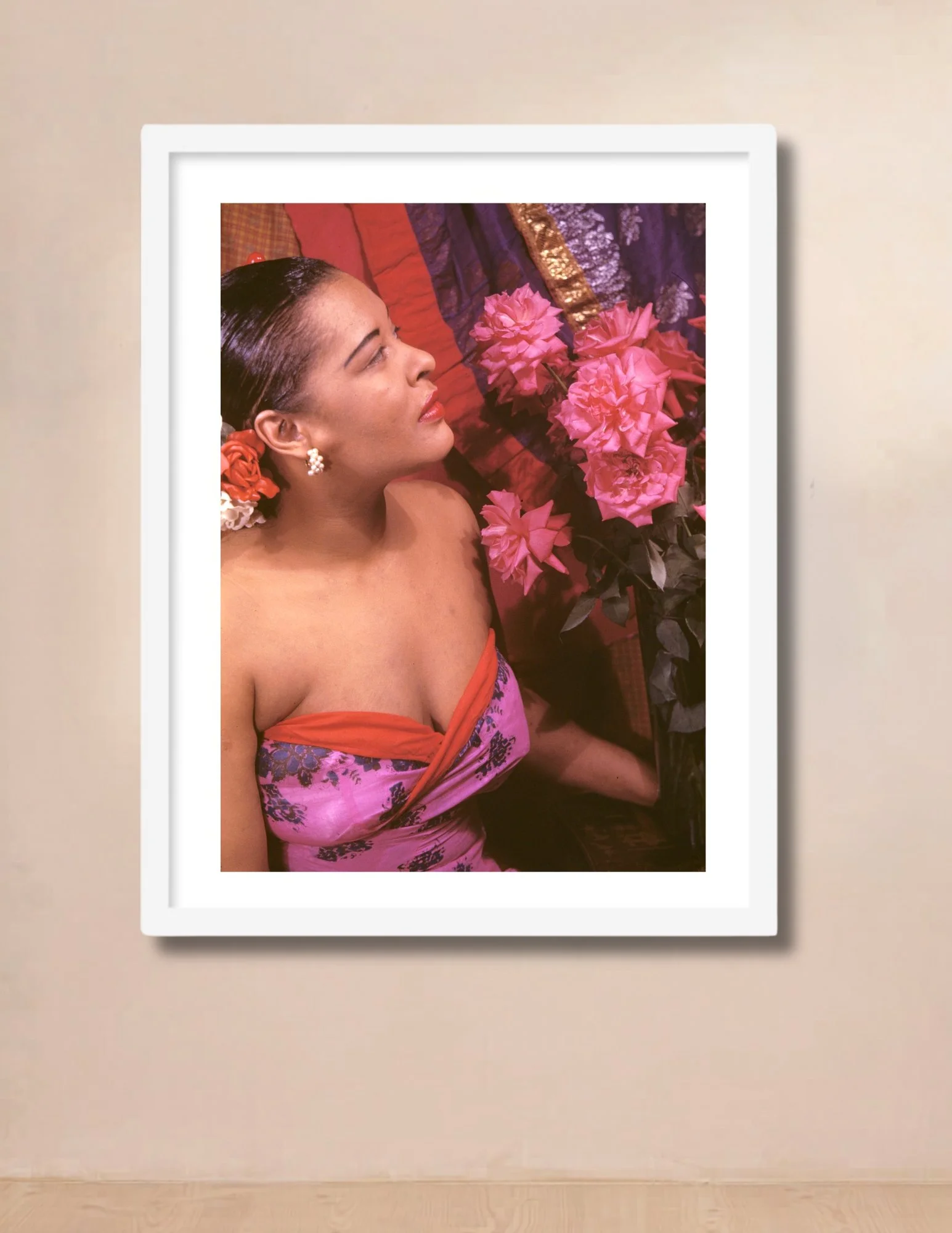
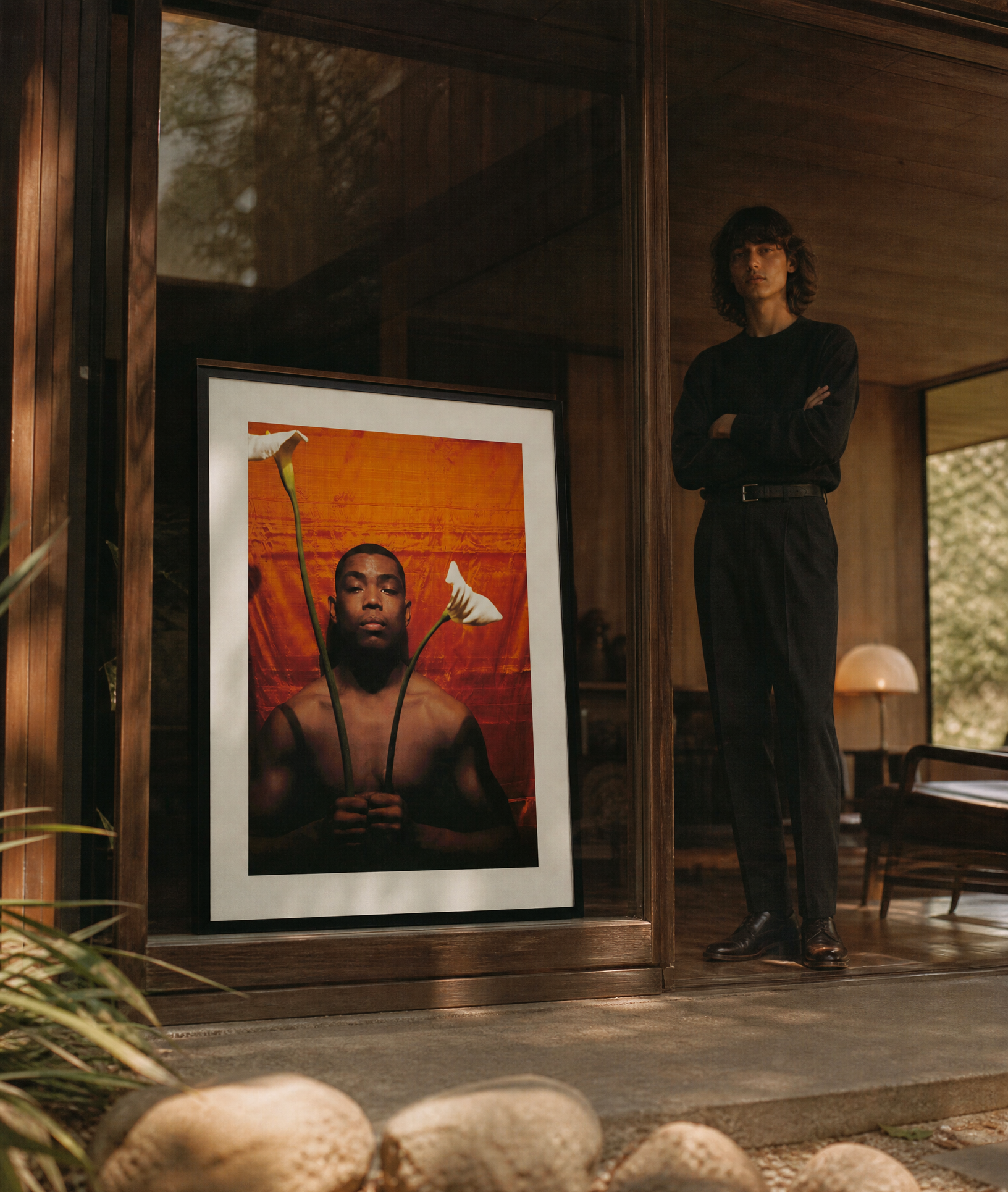
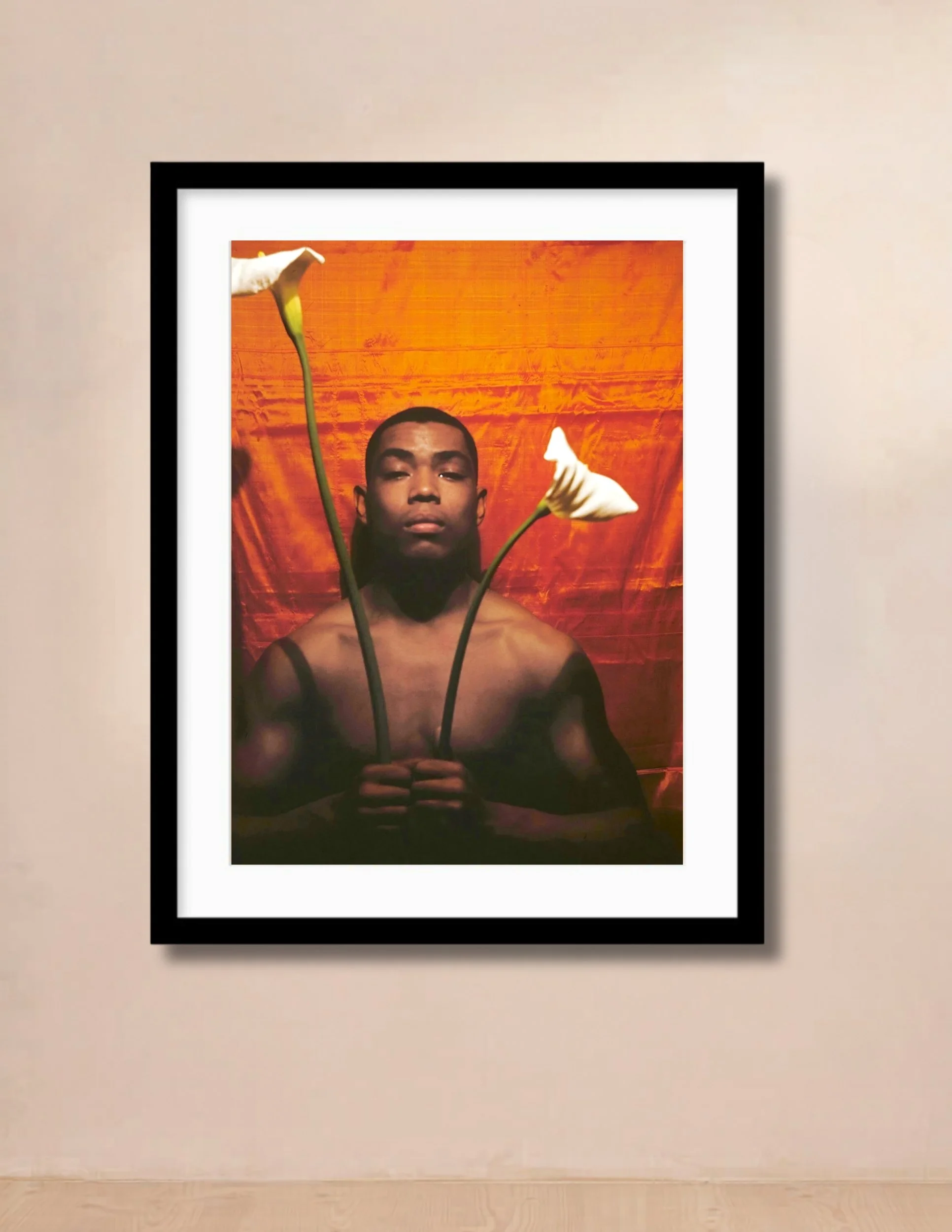
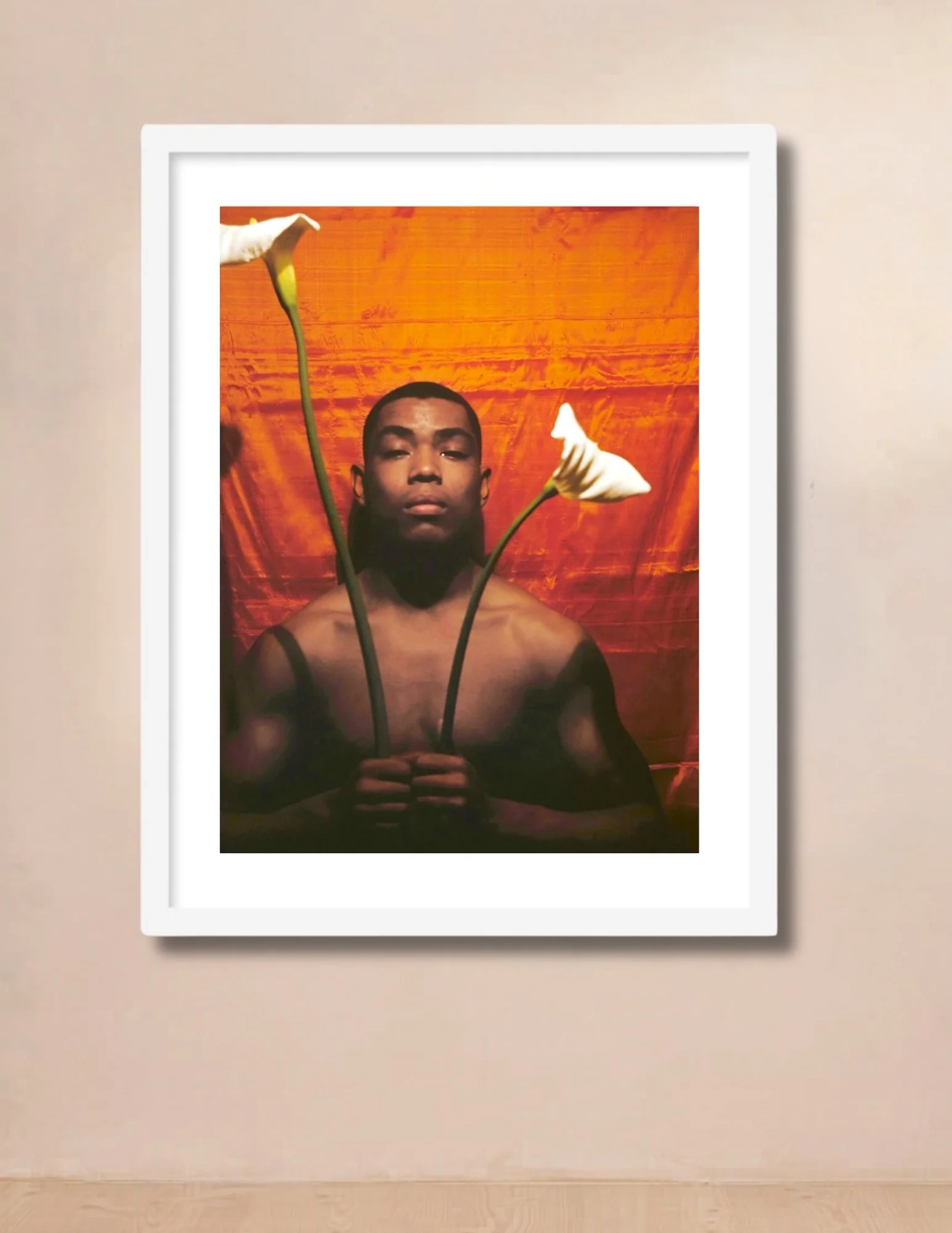
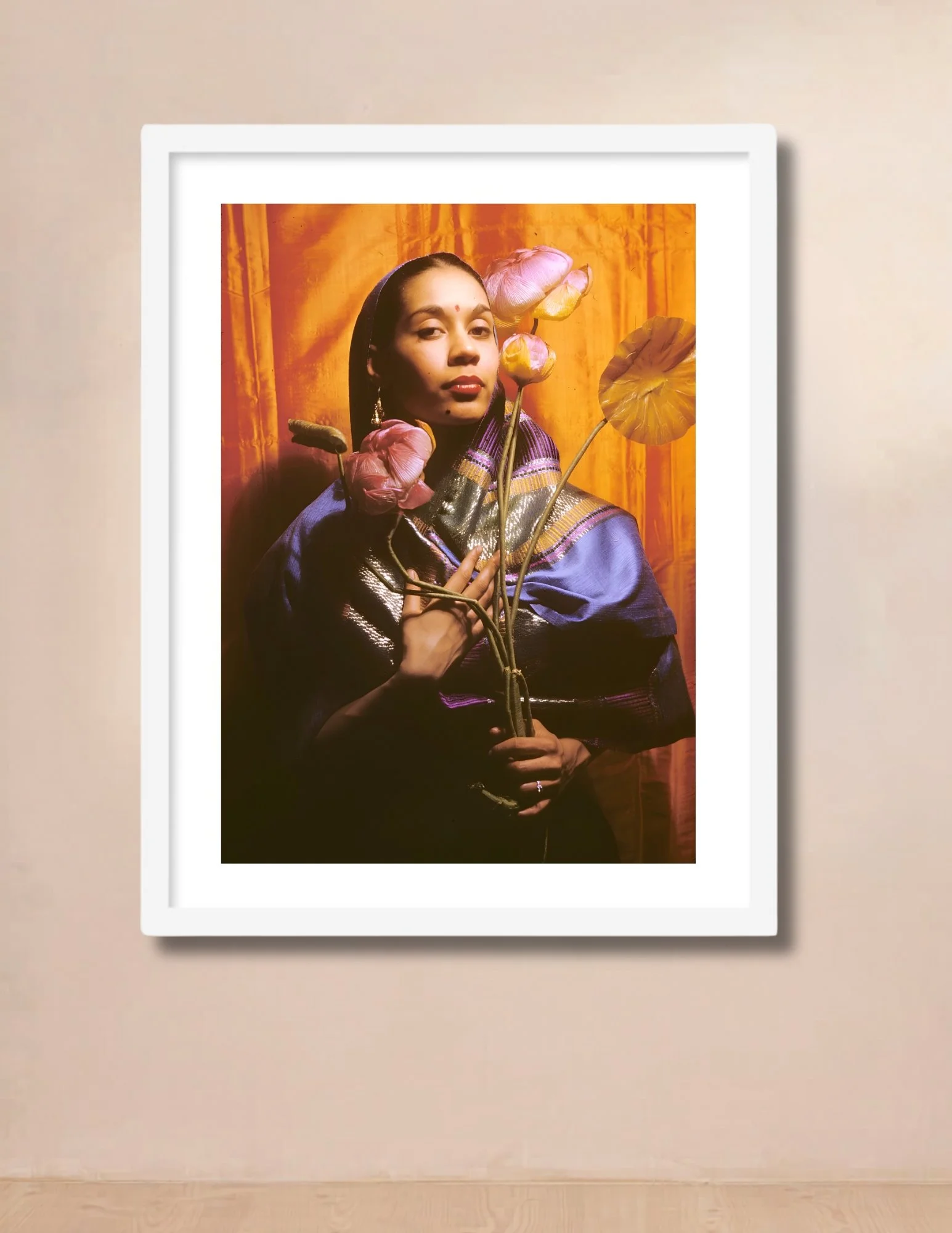
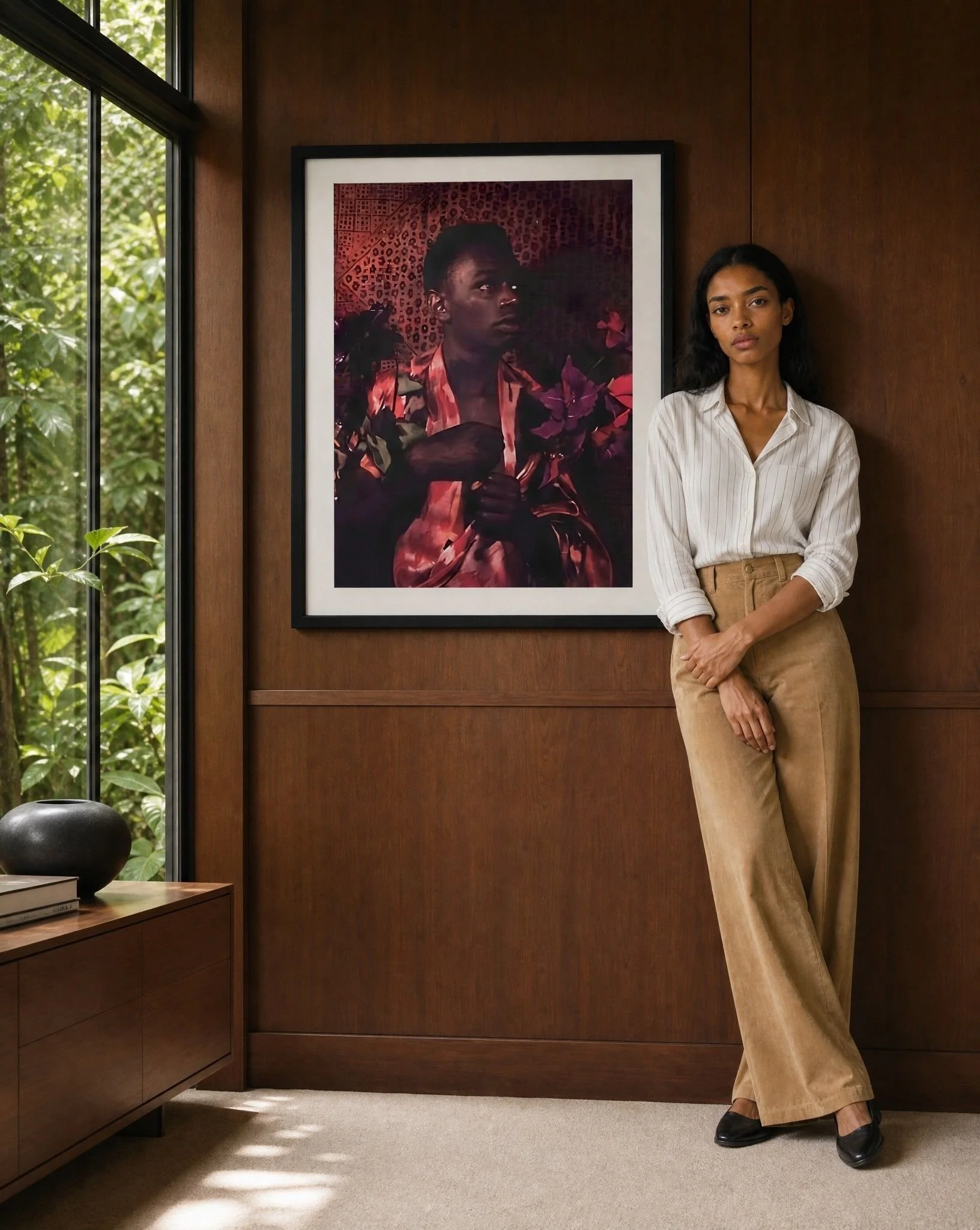
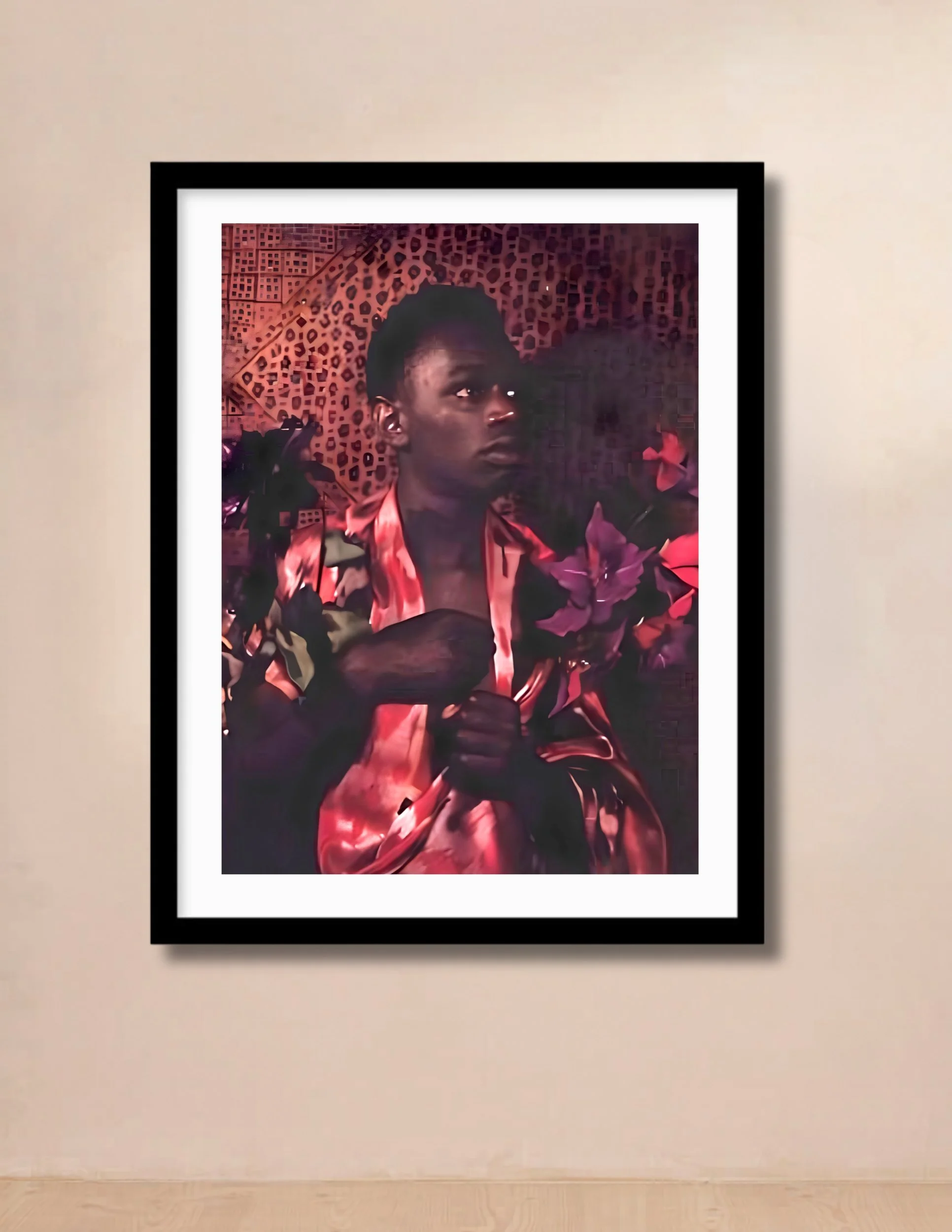
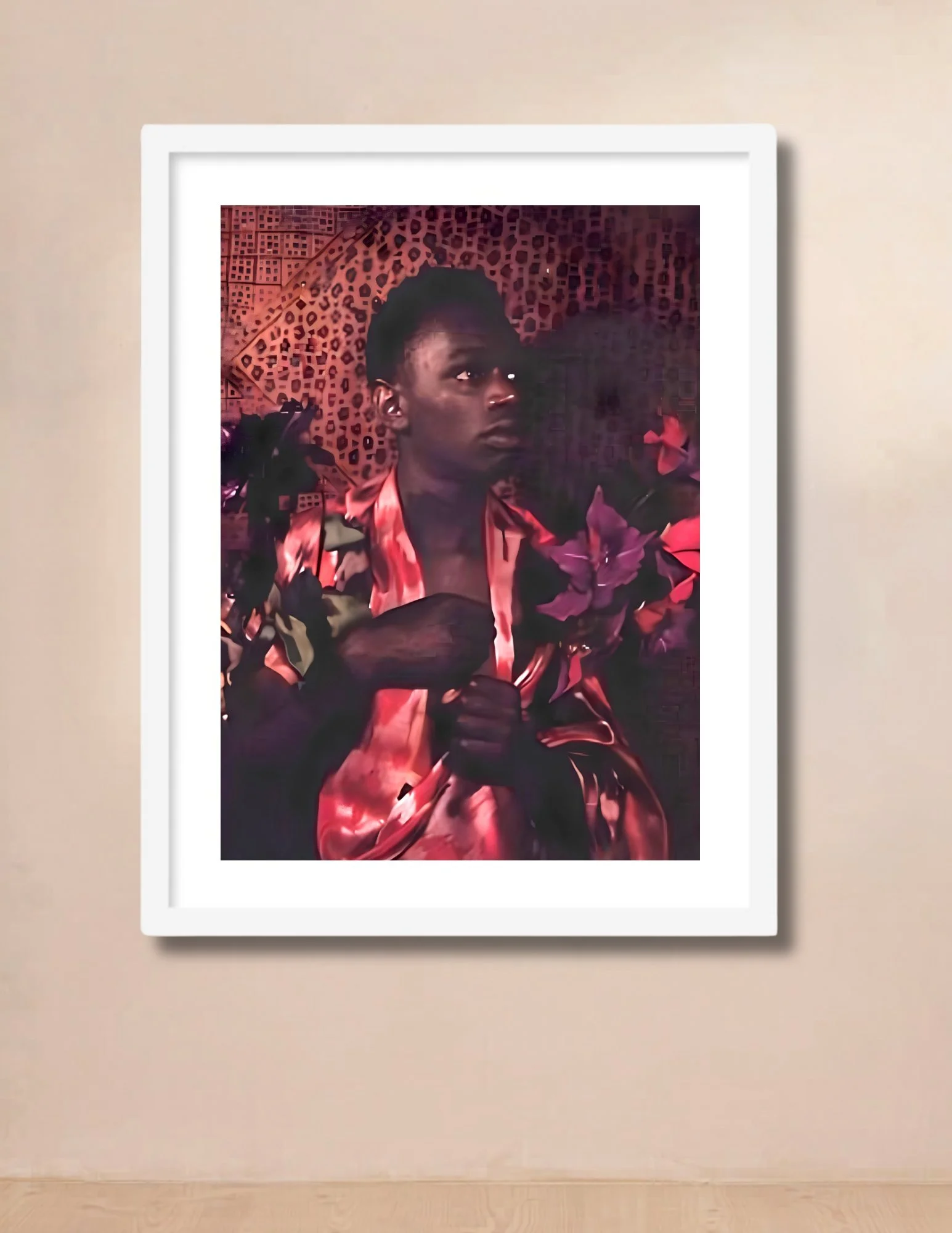
Born in Harlem, New York in 1934, Arthur Mitchell would become one of the most impactful dance performers of his day. Admitted to New York’s High School of Performing Arts, he pursued a career in ballet, following his high school studies with a scholarship to the School of American Ballet. By 1952, Mitchell had already made his debut on Broadway in Four Saints in Three Acts, an opera, ahead of his performance in the Truman Capote penned musical House of Flowers. With music composed by Harold Arlen, the play featured Alvin Ailey, Geoffrey Holder and Pearl Bailey, as well as Carmen De Lavallade and Diahann Carroll. This photo was taken by Carl Van Vechten in 1955, the year Mitchell debuted as the first African American dancer at the New York City Ballet. He would eventually rise to become the company’s principal dancer, and remained in the role until 1966. Following the 1968 assassination of Dr. Martin Luther King Jr., Mitchell dedicated himself to bringing opportunities to the youth of Harlem. In 1969 he founded the Dance Theater of Harlem with actors Brock Peters and Cicely Tyson. He would later enlist his own dance teacher, Karel Shook, a former faculty member at the Katherine Dunham School of Dance and teacher at the Dutch National Ballet, who had also instructed Alvin Ailey, Carmen De Lavallade and Geoffrey Holder throughout his career. Within months, the school, which began in a church basement with only 30 students, had grown to as many as 400. Still thriving today, the school has produced numerous standouts in dance, music, wardrobe and staging for the theater. In 1993, Mitchell was honored by the Kennedy Center. This archival museum quality print is presented on 100% acid free, 5.57 oz, smooth matte fine art paper. Printed sustainably to order in the UK, it is a perfect choice for making a beautiful statement in any room of your home.
Editors' Note
Carl Van Vechten (1880-1964) was an iconic photographer, controversial author, and acclaimed patron of Black artists, authors and intellectuals in the 1920s. Though not a member of the African American community, he was a close friend of many of its leading figures, including, notably, Zora Neale Hurston. A mainstay of the social scene of the Harlem Renaissance, he was instrumental in furthering the careers of many such as Hurston, Langston Hughes and Paul Robeson. As a photographer, Van Vechten’s work provides an invaluable record as he photographed many stars of the Renaissance period and beyond at pivotal moments in their careers — including his 1946 portrait of W.E.B. Du Bois and 1955 image of James Baldwin — at a time when sophisticated, dignified portraiture for such figures was in short supply. At the same time, however, Van Vechten’s legacy is marred by his sense of ownership over the Black creatives with whom he socialized and collaborated, and his willingness to demean them, whether through his use of racial slurs in the naming of his Harlem-based novel, or his tendency to exoticize Black subjects through dress and pose, presenting them in ways more reflective of racial archetypes than the subject’s true nature. While Van Vechten’s work, like his friendship, has proven invaluable to the careers and legacies of many luminaries of African American culture across generations, it is also demonstrative of the complex, often fraught relationship between Black creatives, intellectuals and activists, and those who purport to be “allies.” Nevertheless, Van Vechten’s images are part of major catalogues at the Schomburg Center For Research in Black Culture in New York City, and at Howard University in Washington DC. The AphroChic collection of Van Vechten’s work reproduces and colorizes some of the photographer’s most compelling portraits of Black luminaries, presenting an intersection of themes that promises to lend untold layers of meaning to each image, making them ever more striking additions to the aesthetic of any room.
Details
Born in Harlem, New York in 1934, Arthur Mitchell would become one of the most impactful dance performers of his day. Admitted to New York’s High School of Performing Arts, he pursued a career in ballet, following his high school studies with a scholarship to the School of American Ballet. By 1952, Mitchell had already made his debut on Broadway in Four Saints in Three Acts, an opera, ahead of his performance in the Truman Capote penned musical House of Flowers. With music composed by Harold Arlen, the play featured Alvin Ailey, Geoffrey Holder and Pearl Bailey, as well as Carmen De Lavallade and Diahann Carroll. This photo was taken by Carl Van Vechten in 1955, the year Mitchell debuted as the first African American dancer at the New York City Ballet. He would eventually rise to become the company’s principal dancer, and remained in the role until 1966. Following the 1968 assassination of Dr. Martin Luther King Jr., Mitchell dedicated himself to bringing opportunities to the youth of Harlem. In 1969 he founded the Dance Theater of Harlem with actors Brock Peters and Cicely Tyson. He would later enlist his own dance teacher, Karel Shook, a former faculty member at the Katherine Dunham School of Dance and teacher at the Dutch National Ballet, who had also instructed Alvin Ailey, Carmen De Lavallade and Geoffrey Holder throughout his career. Within months, the school, which began in a church basement with only 30 students, had grown to as many as 400. Still thriving today, the school has produced numerous standouts in dance, music, wardrobe and staging for the theater. In 1993, Mitchell was honored by the Kennedy Center. This archival museum quality print is presented on 100% acid free, 5.57 oz, smooth matte fine art paper. Printed sustainably to order in the UK, it is a perfect choice for making a beautiful statement in any room of your home.
Editors' Note
Carl Van Vechten (1880-1964) was an iconic photographer, controversial author, and acclaimed patron of Black artists, authors and intellectuals in the 1920s. Though not a member of the African American community, he was a close friend of many of its leading figures, including, notably, Zora Neale Hurston. A mainstay of the social scene of the Harlem Renaissance, he was instrumental in furthering the careers of many such as Hurston, Langston Hughes and Paul Robeson. As a photographer, Van Vechten’s work provides an invaluable record as he photographed many stars of the Renaissance period and beyond at pivotal moments in their careers — including his 1946 portrait of W.E.B. Du Bois and 1955 image of James Baldwin — at a time when sophisticated, dignified portraiture for such figures was in short supply. At the same time, however, Van Vechten’s legacy is marred by his sense of ownership over the Black creatives with whom he socialized and collaborated, and his willingness to demean them, whether through his use of racial slurs in the naming of his Harlem-based novel, or his tendency to exoticize Black subjects through dress and pose, presenting them in ways more reflective of racial archetypes than the subject’s true nature. While Van Vechten’s work, like his friendship, has proven invaluable to the careers and legacies of many luminaries of African American culture across generations, it is also demonstrative of the complex, often fraught relationship between Black creatives, intellectuals and activists, and those who purport to be “allies.” Nevertheless, Van Vechten’s images are part of major catalogues at the Schomburg Center For Research in Black Culture in New York City, and at Howard University in Washington DC. The AphroChic collection of Van Vechten’s work reproduces and colorizes some of the photographer’s most compelling portraits of Black luminaries, presenting an intersection of themes that promises to lend untold layers of meaning to each image, making them ever more striking additions to the aesthetic of any room.

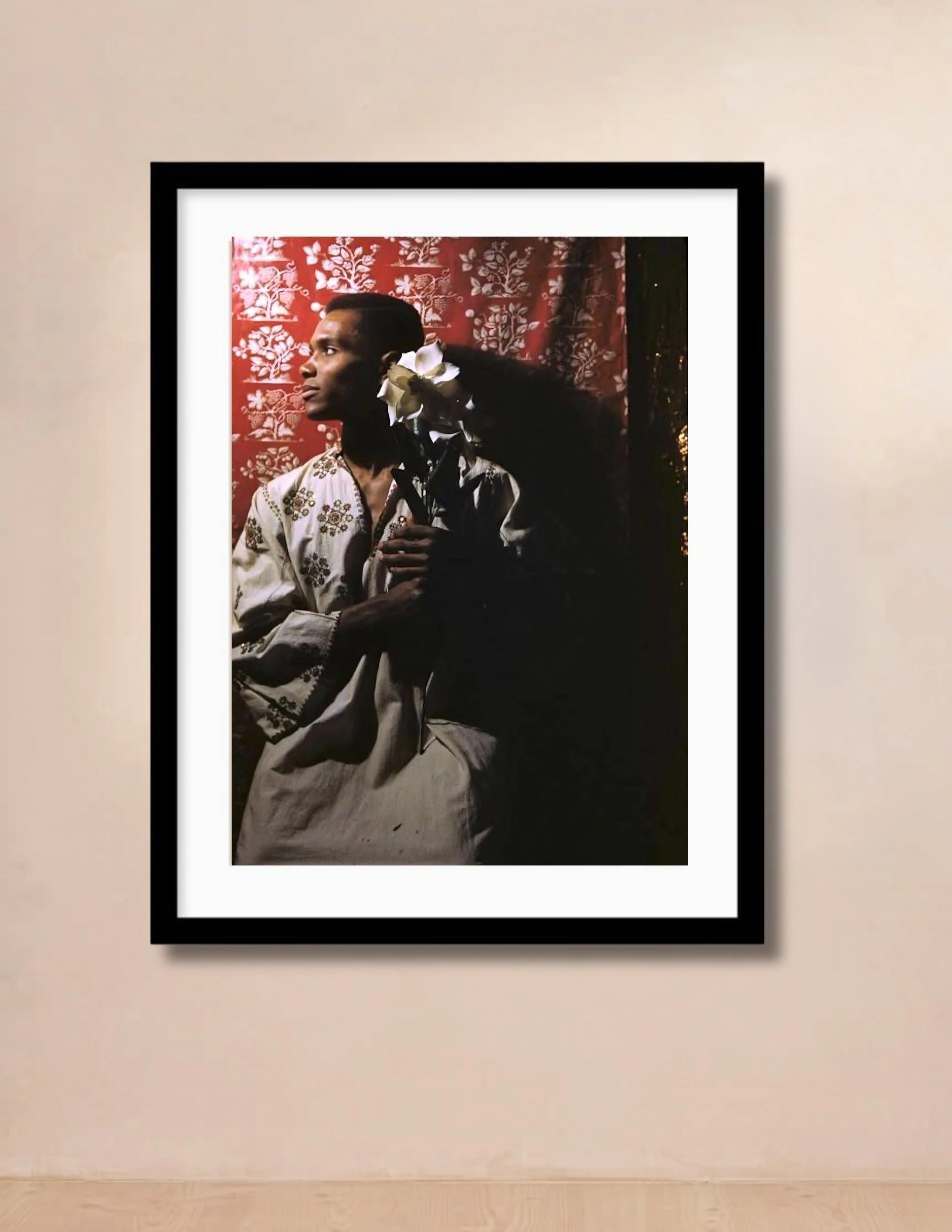 Image 1 of 3
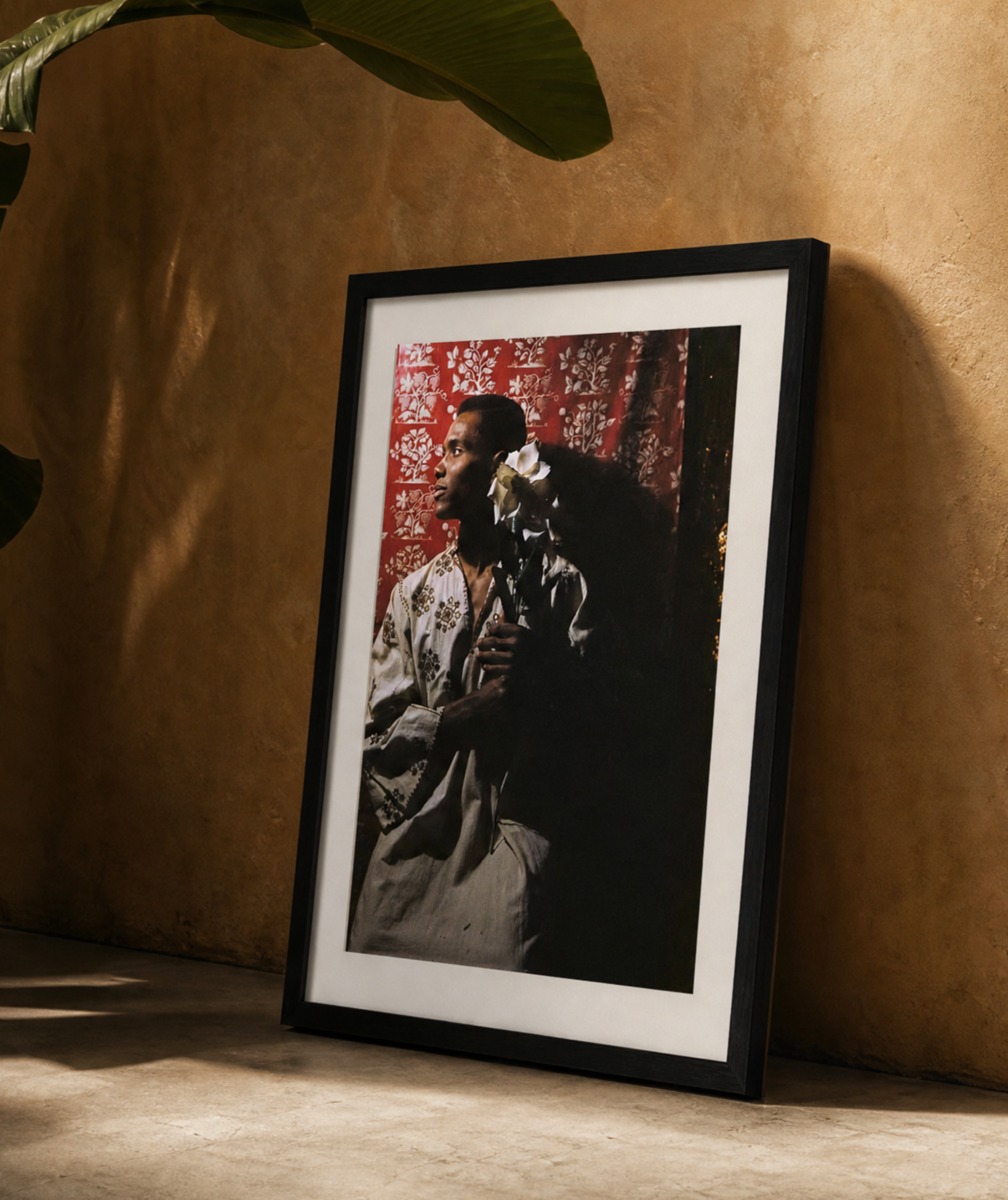 Image 2 of 3
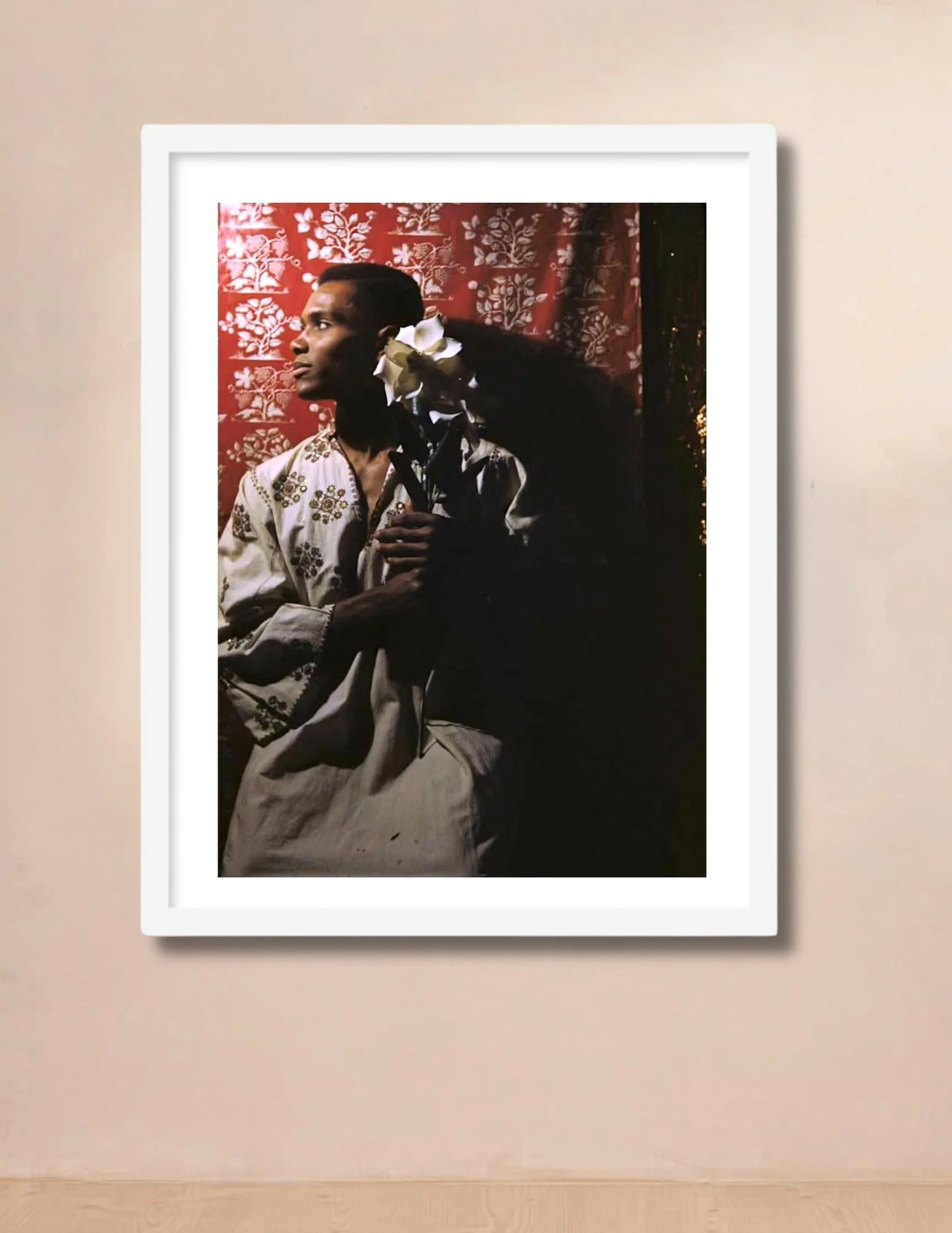 Image 3 of 3