Details
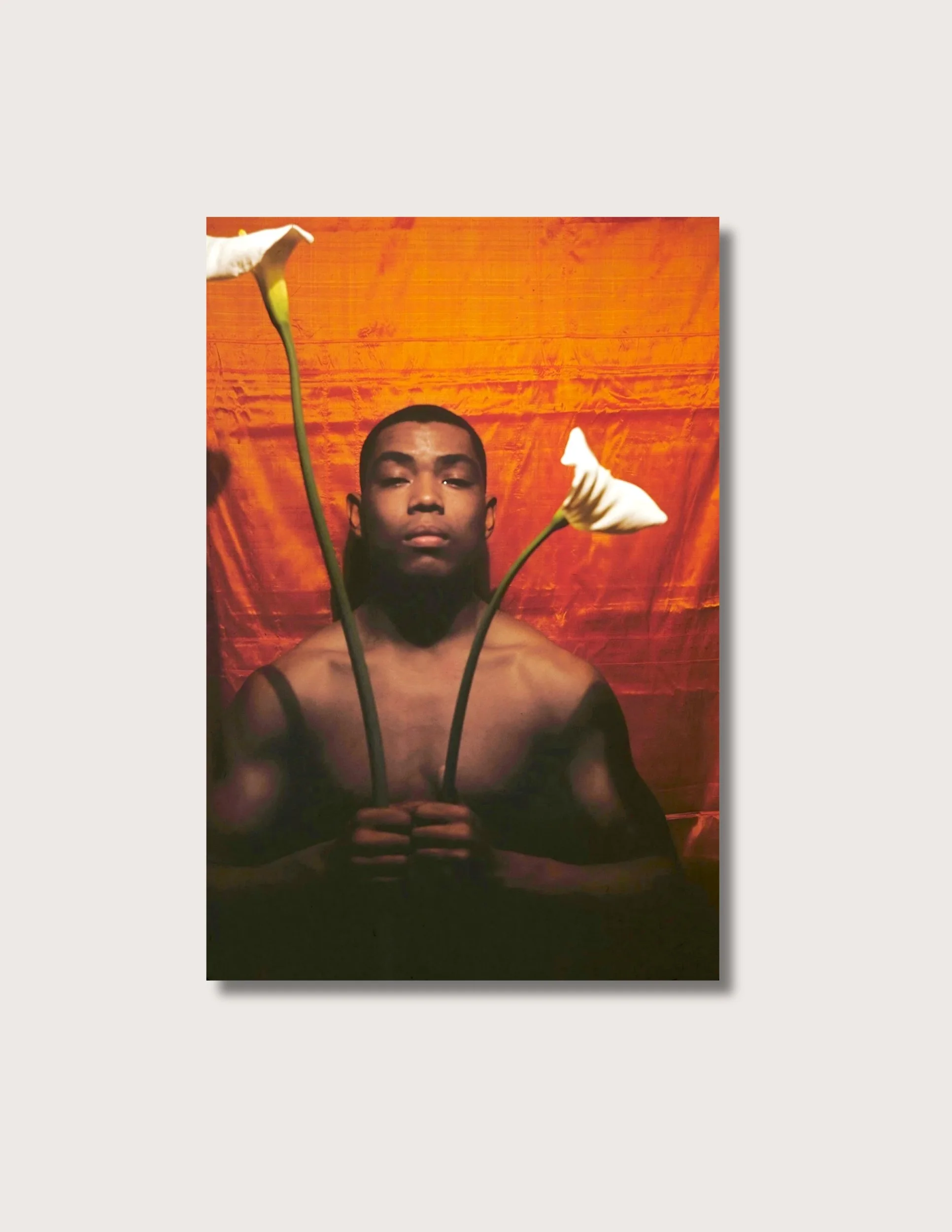
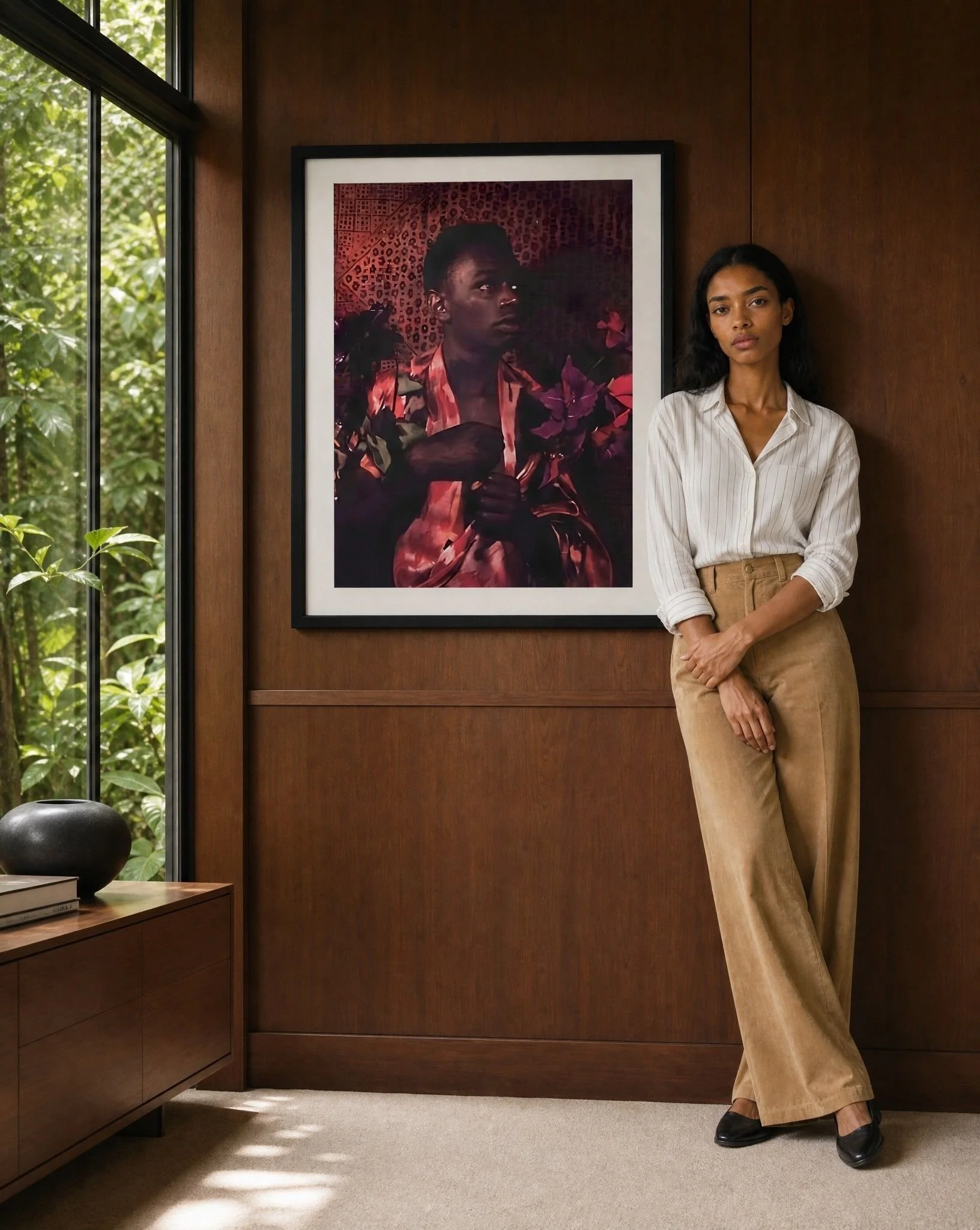
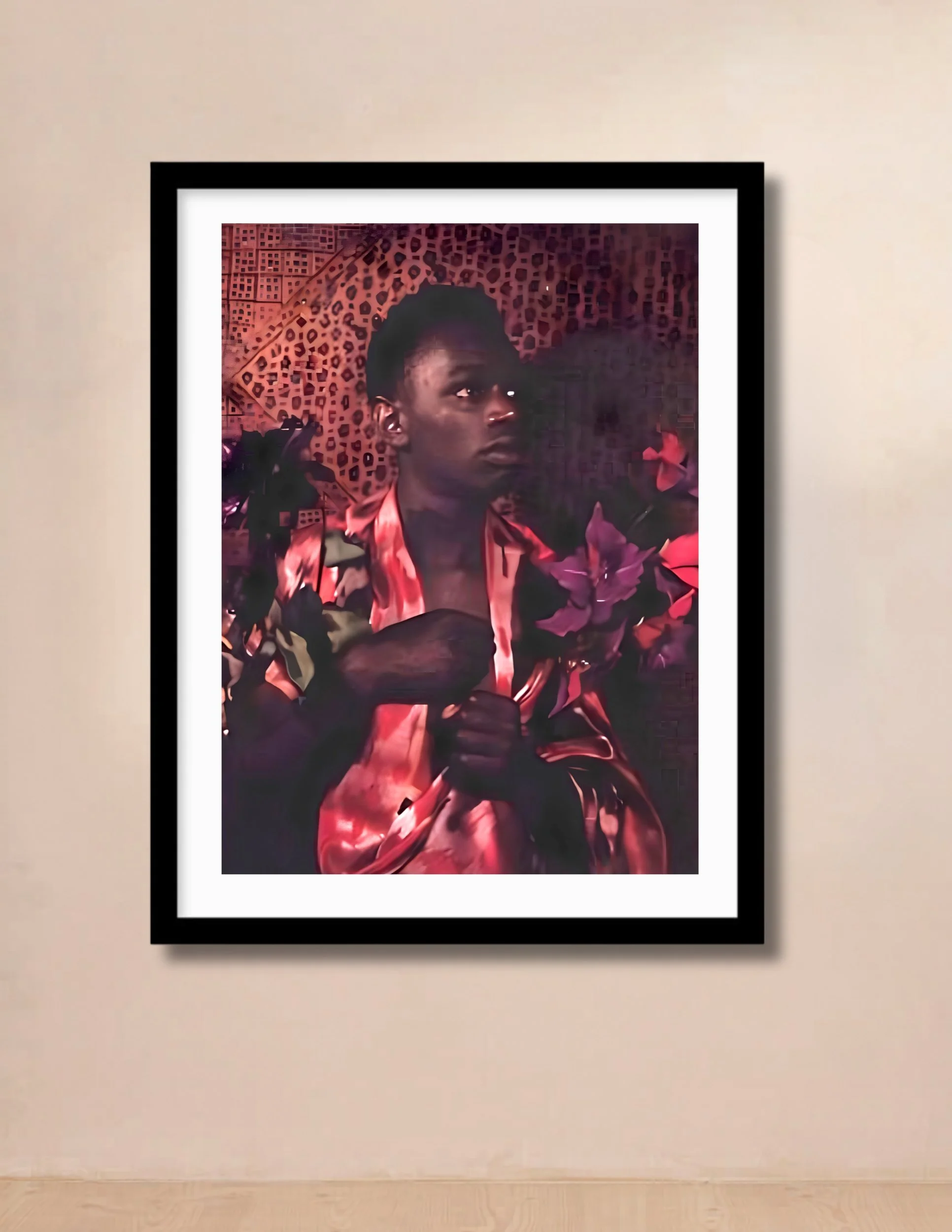
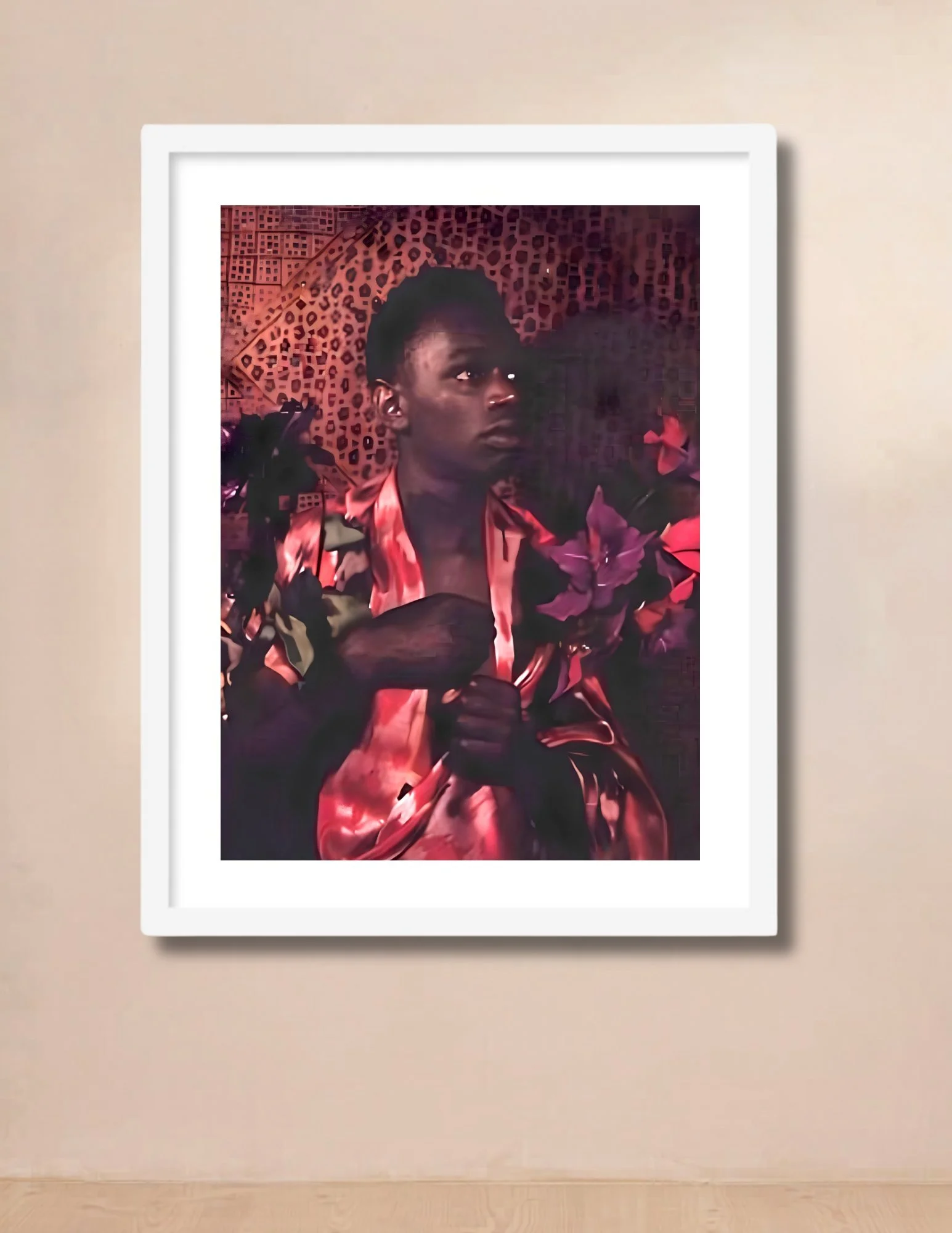
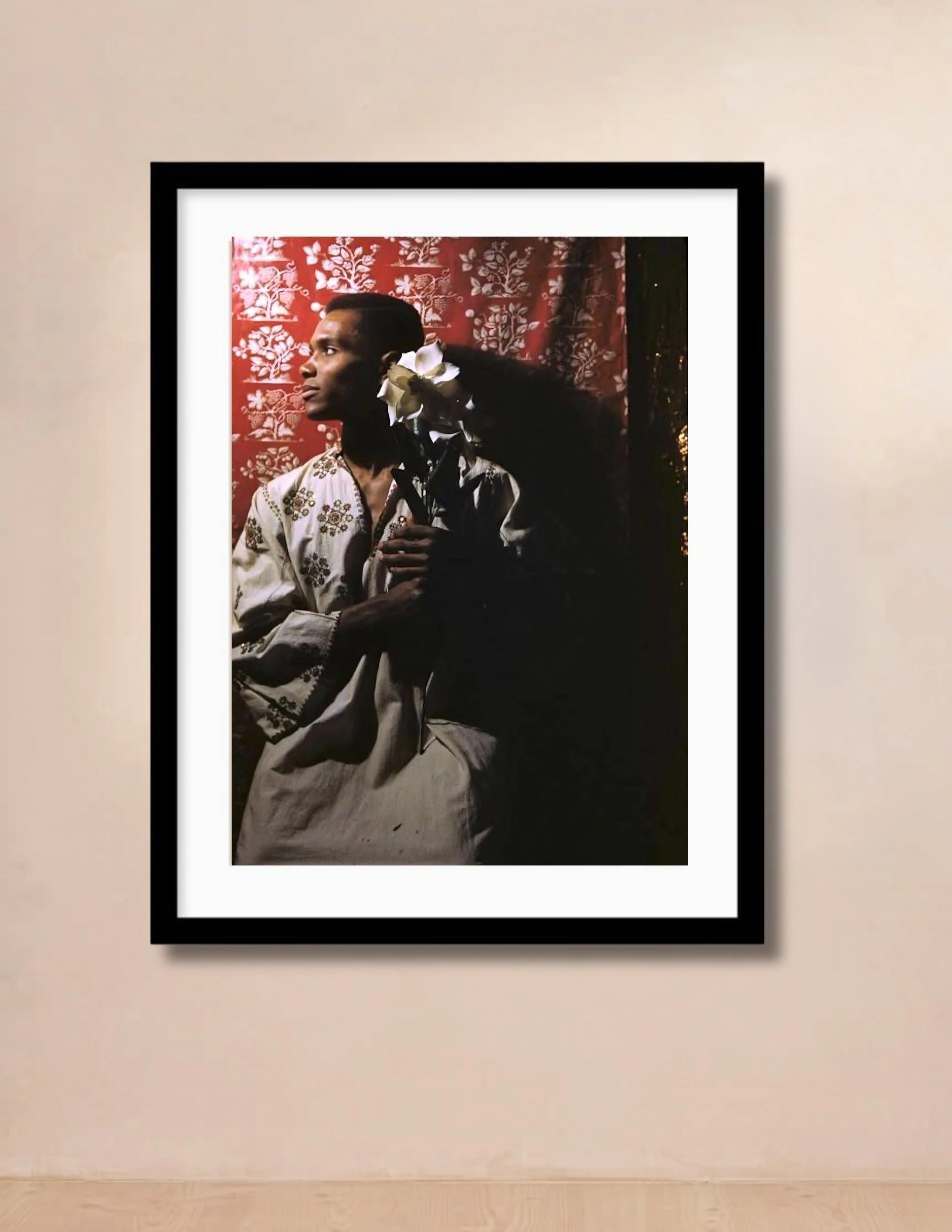
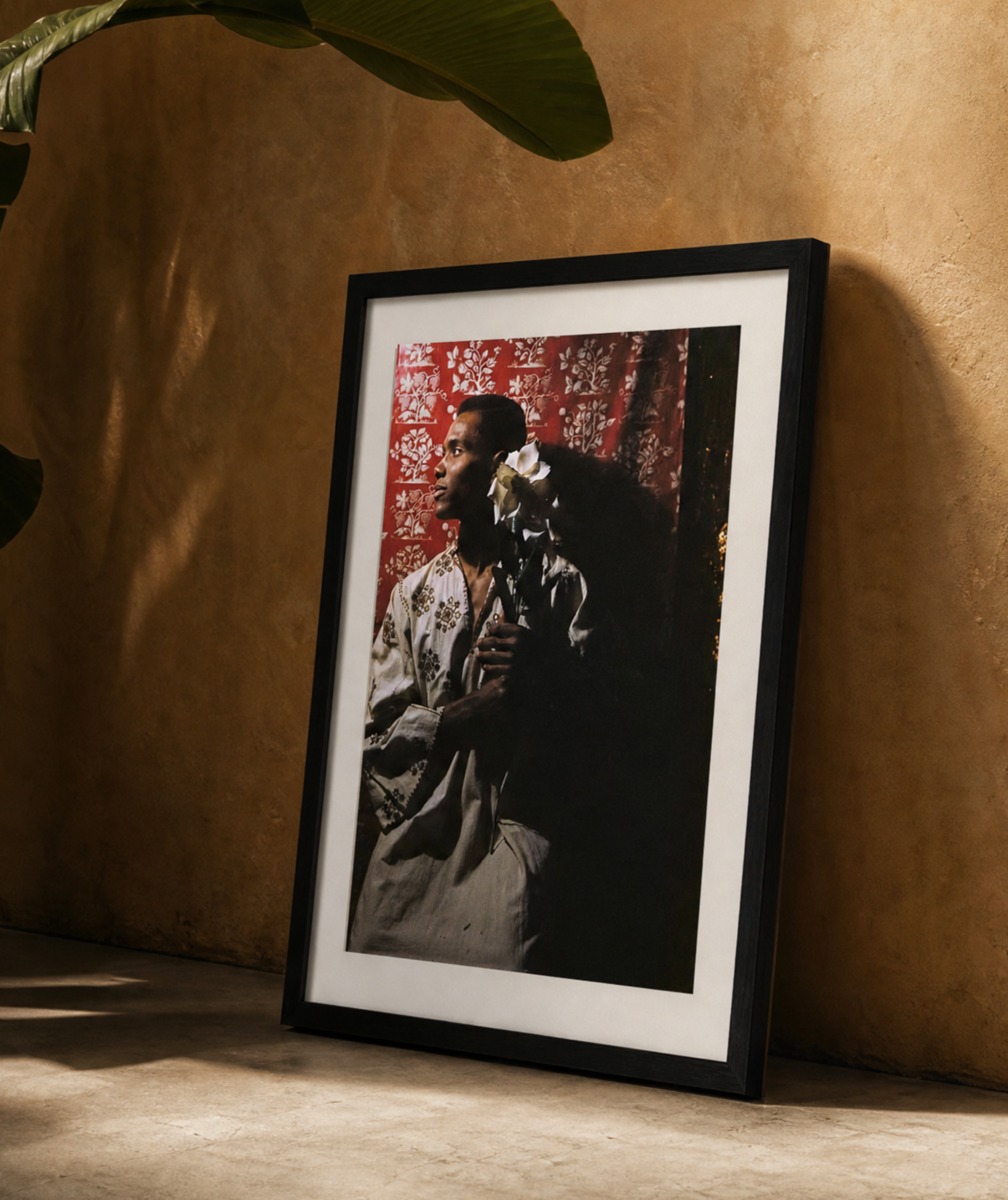
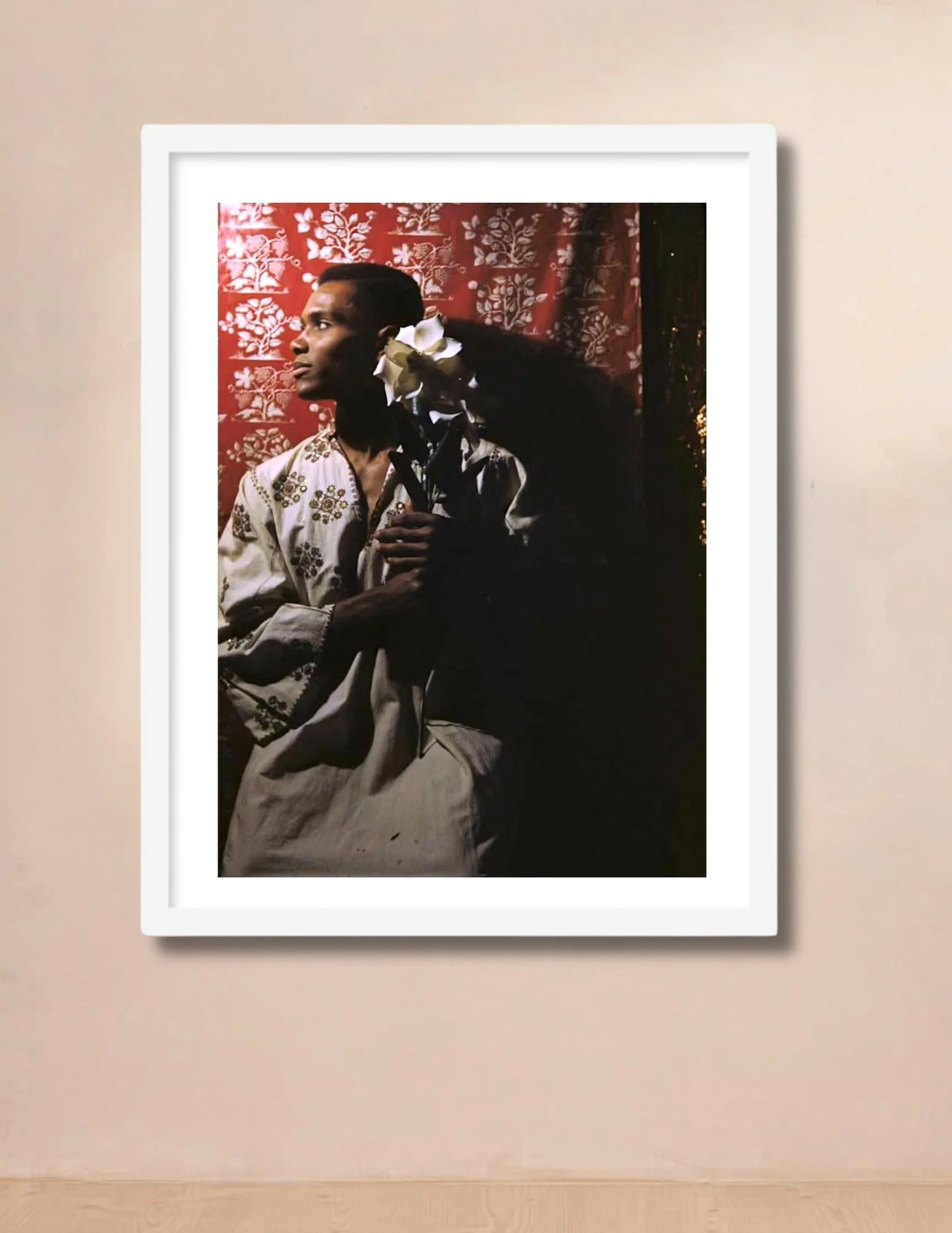
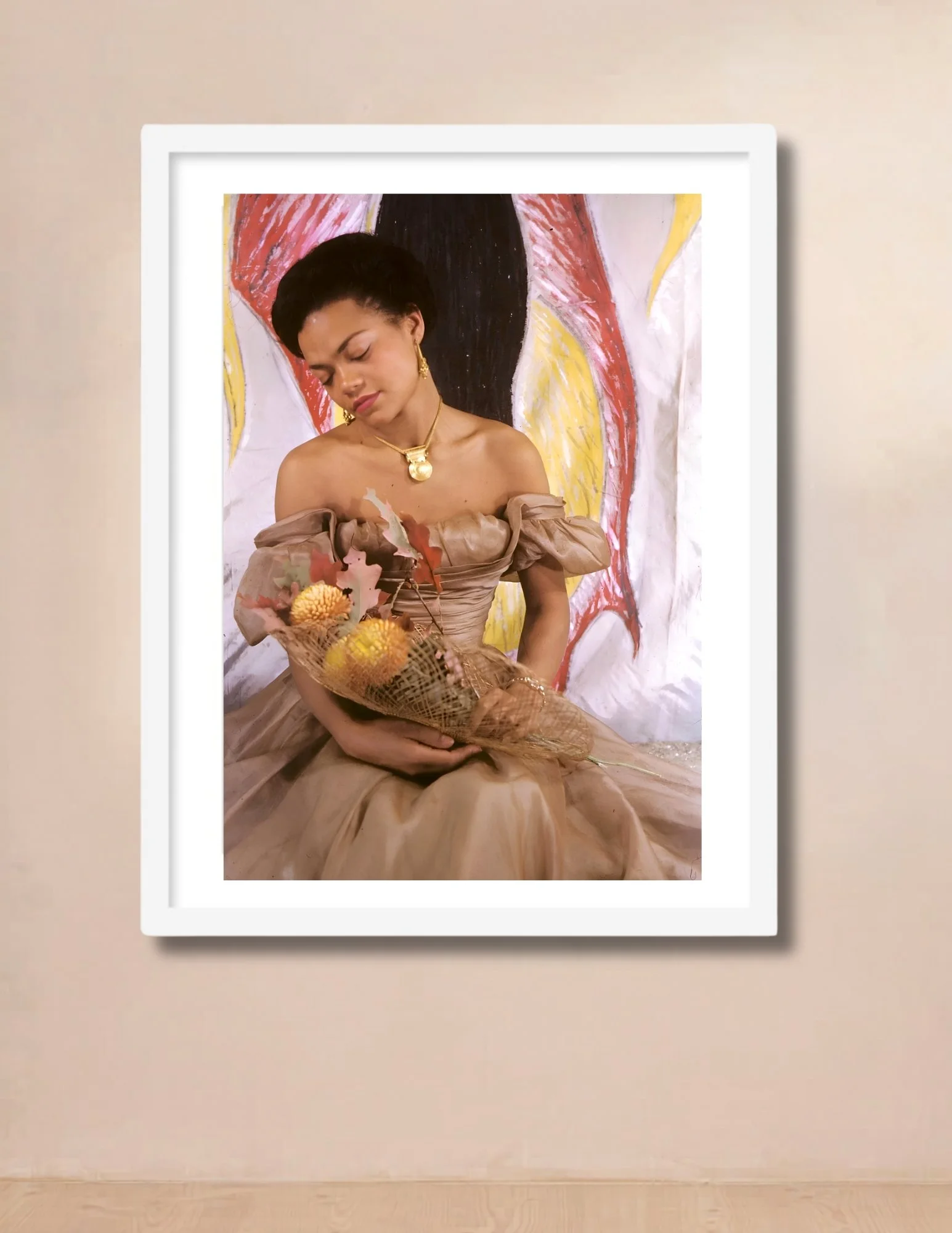
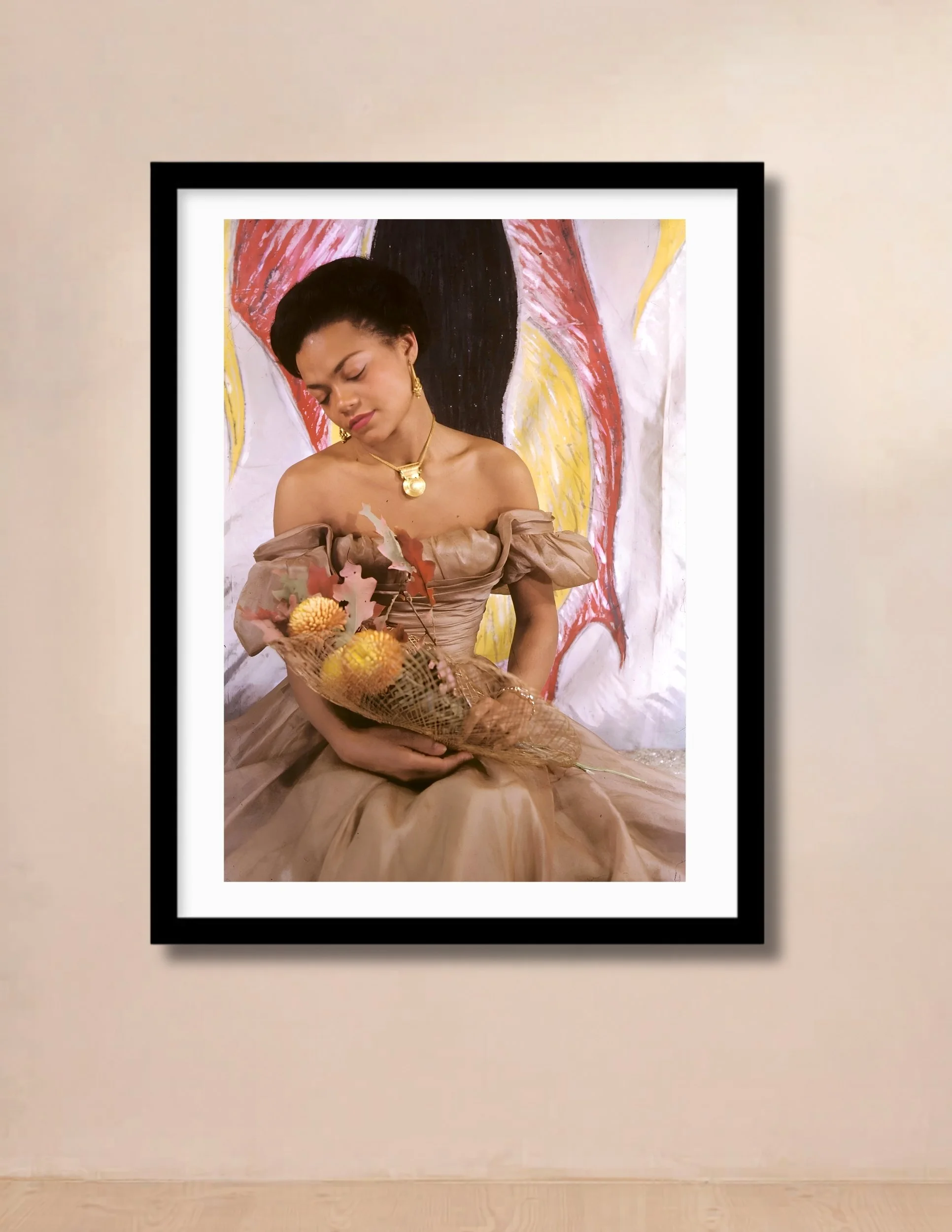
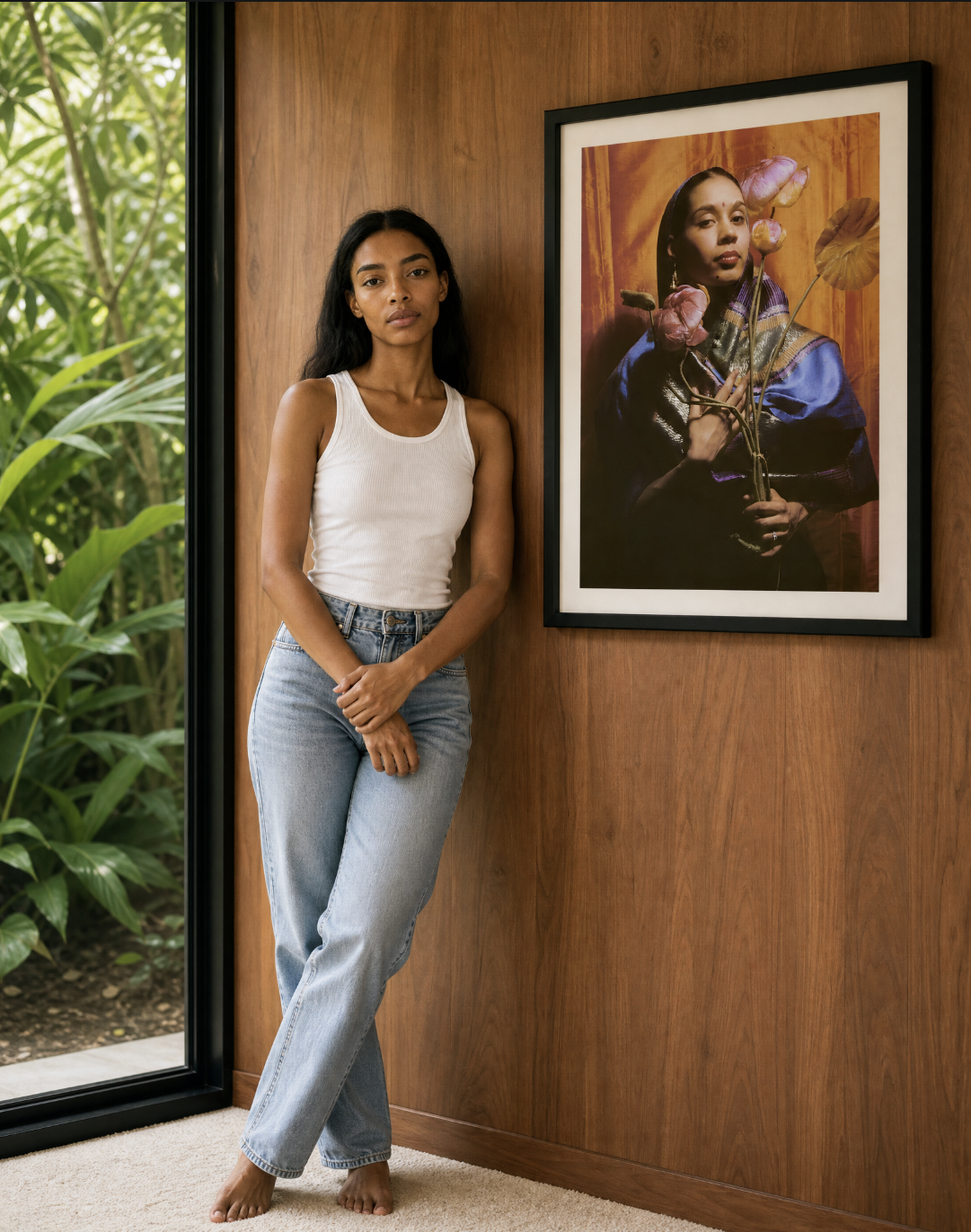
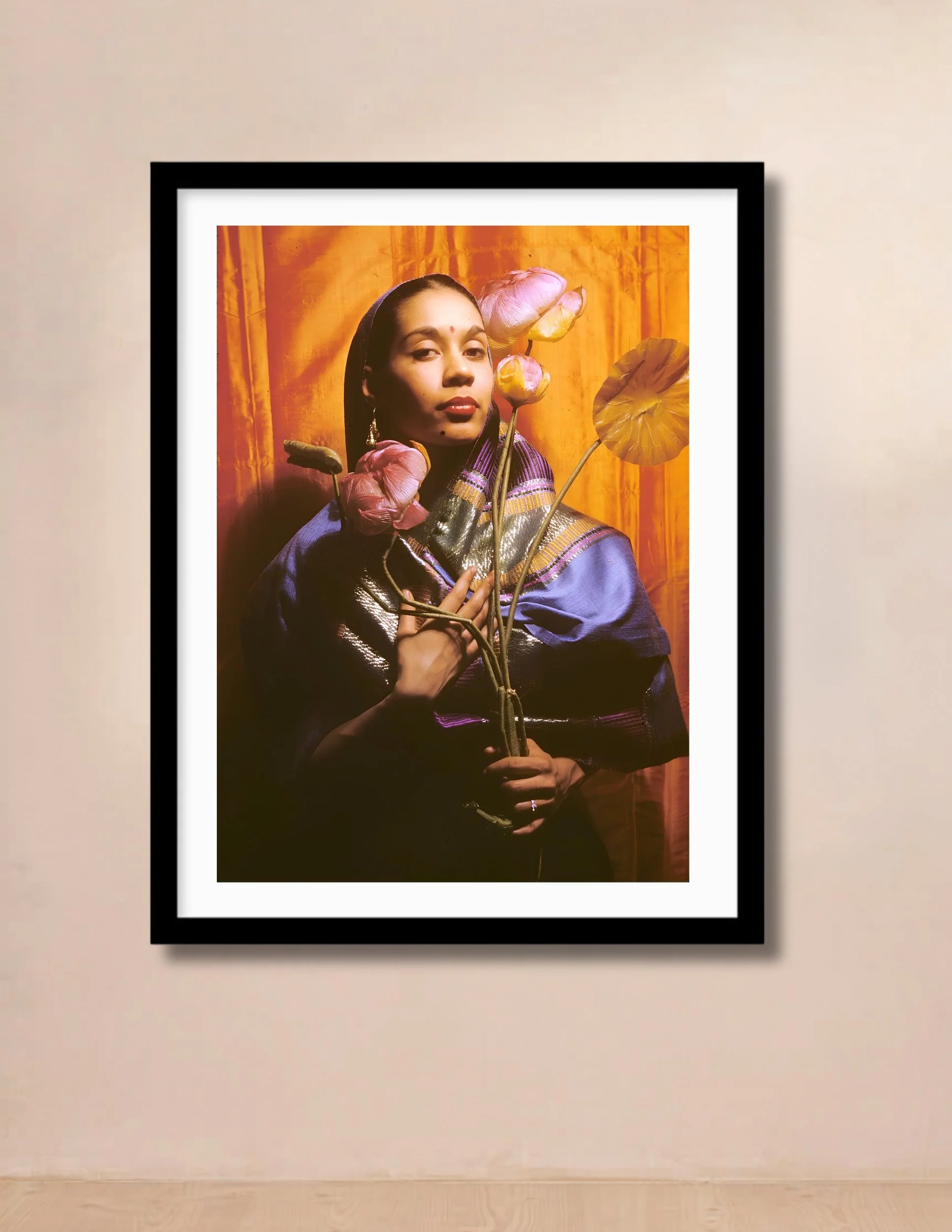
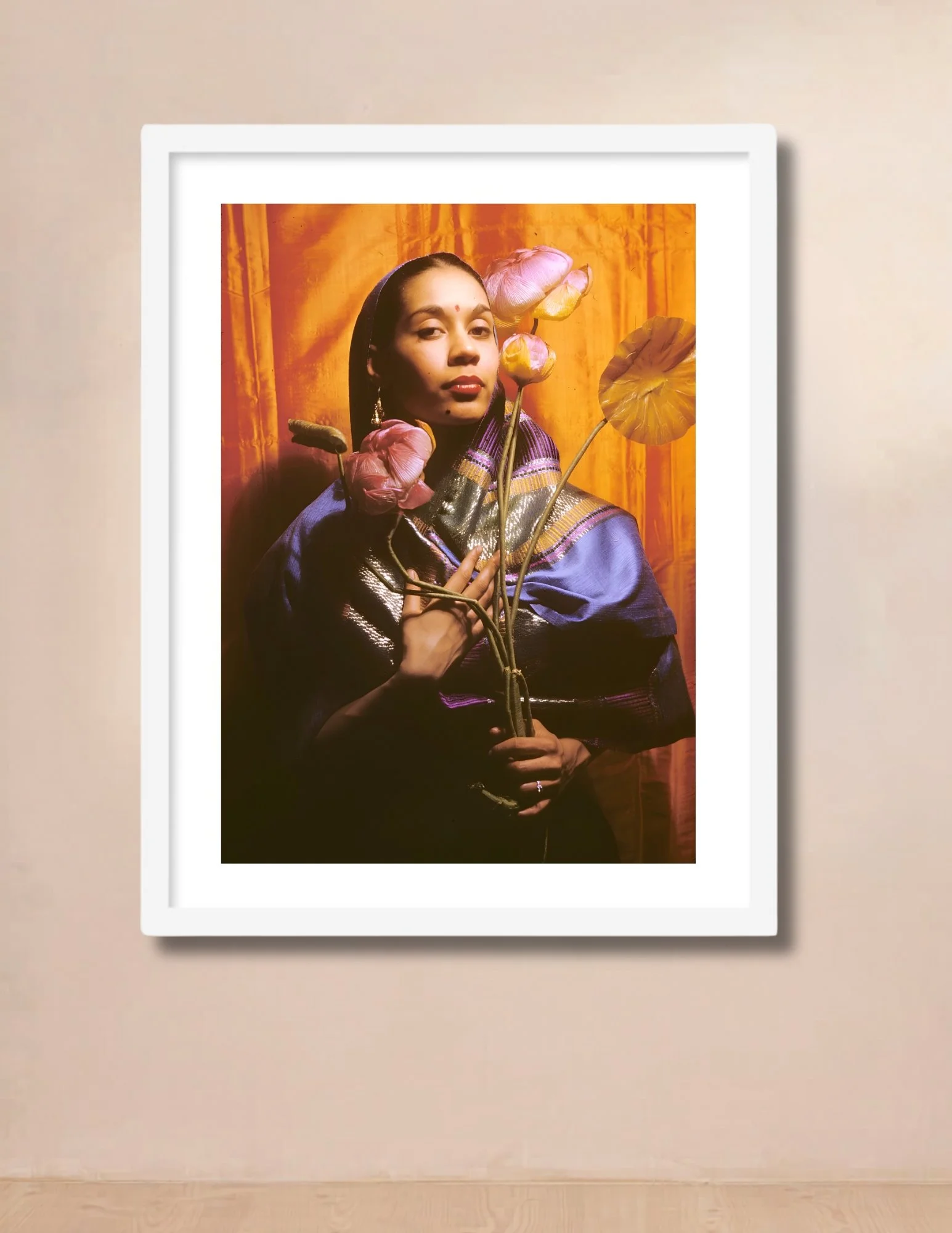
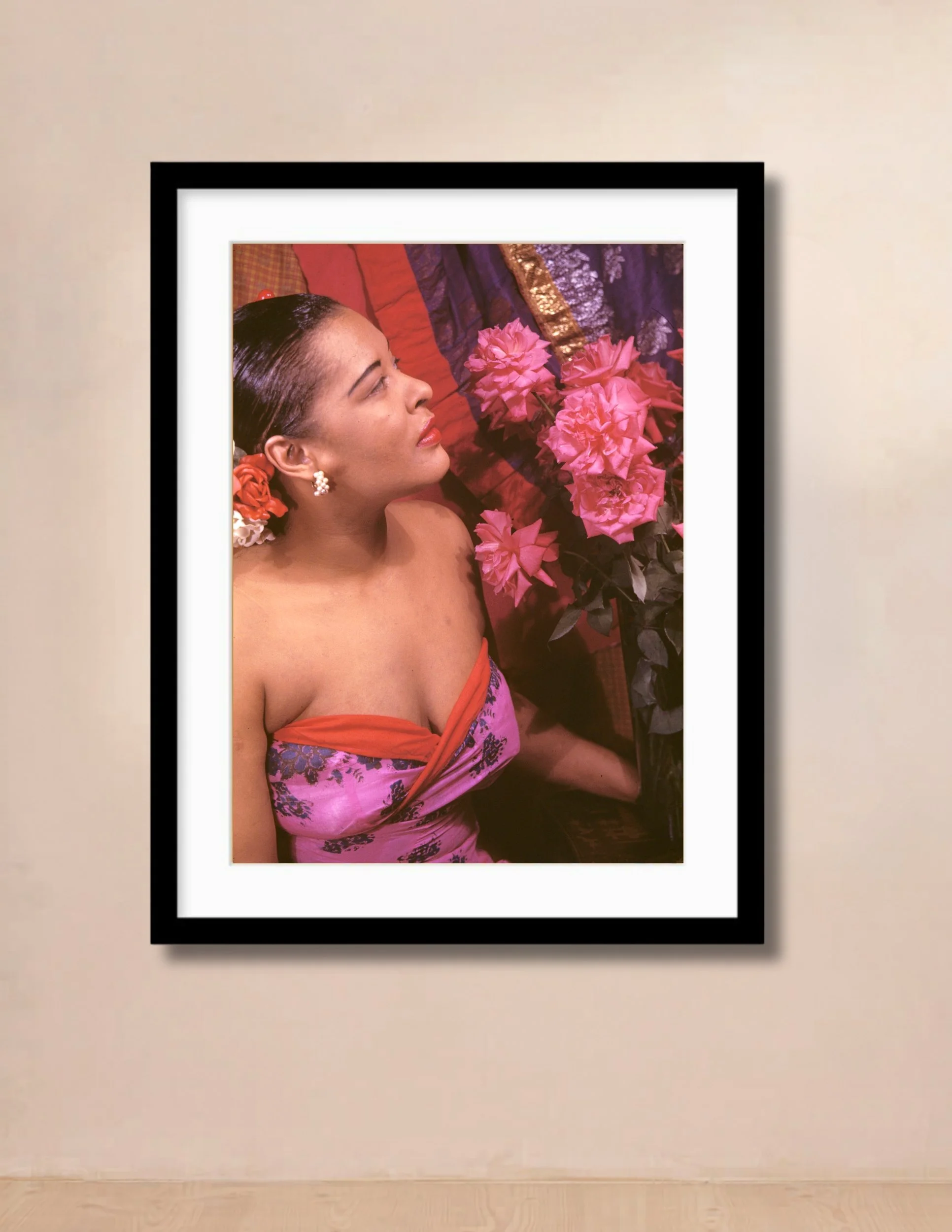
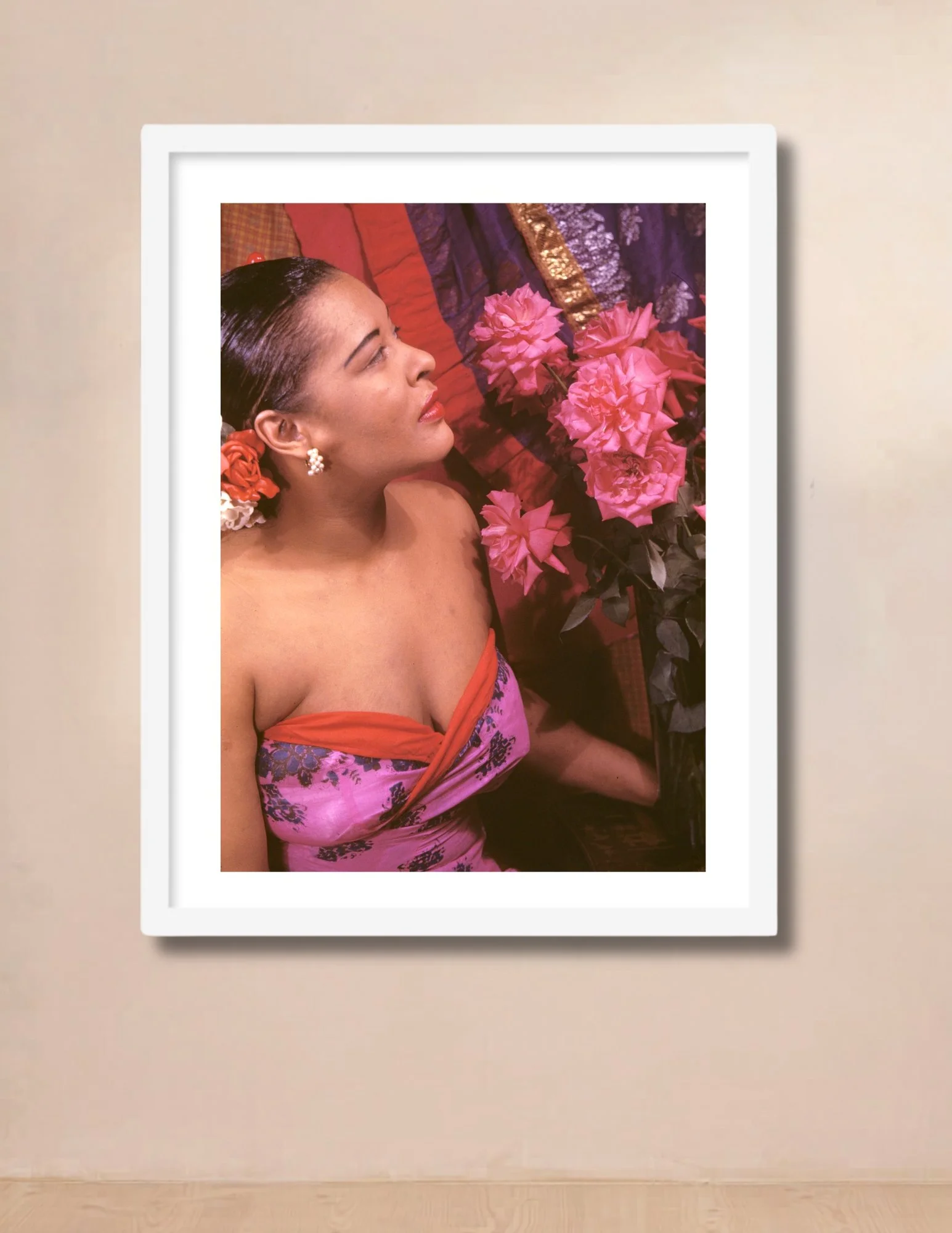
This striking photograph was taken by American photographer Carl Van Vechten of American dance pioneer, Alvin Ailey Jr. in 1955. Born in Rogers, Texas in 1931, Ailey’s family joined The Great Migration in 1941, eventually settling in Los Angeles. There, Ailey’s early affinity for the arts and brief flirtations with dance coalesced into a serious study in 1949 when classmate Carmen De Lavallade, herself to become a towering figure in the history of dance, invited him to the Lester Horton Dance Theater, where she studied and performed. Though he still resisted committing fully to dance, noting the lack of opportunity for Black, male performers, he was mentored by Horton while he pursued other studies at various California schools including UCLA and San Francisco State University. While in San Francisco he met and formed a night club act with Marguerite Johnson, who would later be known to the world as Maya Angelou. By 1953 he had joined Horton’s dance company and, following Horton’s death later that year, assumed the responsibilities of artistic director and choreographer. Under his direction in 1954 the troupe performed in several shows including According to St. Francis — dedicated to Horton — Creation of the World and Morning Mourning, based on a piece by Tennessee Williams and featuring Carmen De Lavallade. The same year Ailey appeared in the Dorothy Dandridge film, Carmen Jones, dancing opposite De Lavallade before the pair, by then a known duo in Los Angeles, would appear on Broadway in the Truman Capote-authored musical House of Flowers. For the next several years Ailey would appear in numerous productions, including Harry Belafonte’s Sing, Man, Sing and Jamaica, a 1957 Broadway musical starring Lena Horne. In 1958, Ailey cemented his impact on American dance history with the establishment of the Alvin Ailey American Dance Theater and again in 1969 with the Alvin Ailey American Dance Center, later called the Ailey School in 1999. In the decades that passed from the founding of the theater until his passing in 1989 at the age of 58, Alvin Ailey choreographed more than 100 pieces for his dancers, in addition to becoming a pivotal figure in the lives and careers of countless dancers and a pillar of the American and global dance community. He was awarded the Kennedy Center Honor, in 1989 and posthumously received the Presidential Medal of Honor from President Barack Obama in 2014. Today, the Alvin Ailey School remains one of the most prestigious dance academies in America. This archival museum quality print of Ailey is presented on 100% acid free, 5.57 oz, smooth matte fine art paper. Printed sustainably to order in the UK, it is a perfect choice for making a beautiful statement in any room of your home.
Editors' Note
Carl Van Vechten (1880-1964) was an iconic photographer, controversial author, and acclaimed patron of Black artists, authors and intellectuals in the 1920s. Though not a member of the African American community, he was a close friend of many of its leading figures, including, notably, Zora Neale Hurston. A mainstay of the social scene of the Harlem Renaissance, he was instrumental in furthering the careers of many such as Hurston, Langston Hughes and Paul Robeson. As a photographer, Van Vechten’s work provides an invaluable record as he photographed many stars of the Renaissance period and beyond at pivotal moments in their careers — including his 1946 portrait of W.E.B. Du Bois and 1955 image of James Baldwin — at a time when sophisticated, dignified portraiture for such figures was in short supply. At the same time, however, Van Vechten’s legacy is marred by his sense of ownership over the Black creatives with whom he socialized and collaborated, and his willingness to demean them, whether through his use of racial slurs in the naming of his Harlem-based novel, or his tendency to exoticize Black subjects through dress and pose, presenting them in ways more reflective of racial archetypes than the subject’s true nature. While Van Vechten’s work, like his friendship, has proven invaluable to the careers and legacies of many luminaries of African American culture across generations, it is also demonstrative of the complex, often fraught relationship between Black creatives, intellectuals and activists, and those who purport to be “allies.” Nevertheless, Van Vechten’s images are part of major catalogues at the Schomburg Center For Research in Black Culture in New York City, and at Howard University in Washington DC. The AphroChic collection of Van Vechten’s work reproduces and colorizes some of the photographer’s most compelling portraits of Black luminaries, presenting an intersection of themes that promises to lend untold layers of meaning to each image, making them ever more striking additions to the aesthetic of any room.
Details
This striking photograph was taken by American photographer Carl Van Vechten of American dance pioneer, Alvin Ailey Jr. in 1955. Born in Rogers, Texas in 1931, Ailey’s family joined The Great Migration in 1941, eventually settling in Los Angeles. There, Ailey’s early affinity for the arts and brief flirtations with dance coalesced into a serious study in 1949 when classmate Carmen De Lavallade, herself to become a towering figure in the history of dance, invited him to the Lester Horton Dance Theater, where she studied and performed. Though he still resisted committing fully to dance, noting the lack of opportunity for Black, male performers, he was mentored by Horton while he pursued other studies at various California schools including UCLA and San Francisco State University. While in San Francisco he met and formed a night club act with Marguerite Johnson, who would later be known to the world as Maya Angelou. By 1953 he had joined Horton’s dance company and, following Horton’s death later that year, assumed the responsibilities of artistic director and choreographer. Under his direction in 1954 the troupe performed in several shows including According to St. Francis — dedicated to Horton — Creation of the World and Morning Mourning, based on a piece by Tennessee Williams and featuring Carmen De Lavallade. The same year Ailey appeared in the Dorothy Dandridge film, Carmen Jones, dancing opposite De Lavallade before the pair, by then a known duo in Los Angeles, would appear on Broadway in the Truman Capote-authored musical House of Flowers. For the next several years Ailey would appear in numerous productions, including Harry Belafonte’s Sing, Man, Sing and Jamaica, a 1957 Broadway musical starring Lena Horne. In 1958, Ailey cemented his impact on American dance history with the establishment of the Alvin Ailey American Dance Theater and again in 1969 with the Alvin Ailey American Dance Center, later called the Ailey School in 1999. In the decades that passed from the founding of the theater until his passing in 1989 at the age of 58, Alvin Ailey choreographed more than 100 pieces for his dancers, in addition to becoming a pivotal figure in the lives and careers of countless dancers and a pillar of the American and global dance community. He was awarded the Kennedy Center Honor, in 1989 and posthumously received the Presidential Medal of Honor from President Barack Obama in 2014. Today, the Alvin Ailey School remains one of the most prestigious dance academies in America. This archival museum quality print of Ailey is presented on 100% acid free, 5.57 oz, smooth matte fine art paper. Printed sustainably to order in the UK, it is a perfect choice for making a beautiful statement in any room of your home.
Editors' Note
Carl Van Vechten (1880-1964) was an iconic photographer, controversial author, and acclaimed patron of Black artists, authors and intellectuals in the 1920s. Though not a member of the African American community, he was a close friend of many of its leading figures, including, notably, Zora Neale Hurston. A mainstay of the social scene of the Harlem Renaissance, he was instrumental in furthering the careers of many such as Hurston, Langston Hughes and Paul Robeson. As a photographer, Van Vechten’s work provides an invaluable record as he photographed many stars of the Renaissance period and beyond at pivotal moments in their careers — including his 1946 portrait of W.E.B. Du Bois and 1955 image of James Baldwin — at a time when sophisticated, dignified portraiture for such figures was in short supply. At the same time, however, Van Vechten’s legacy is marred by his sense of ownership over the Black creatives with whom he socialized and collaborated, and his willingness to demean them, whether through his use of racial slurs in the naming of his Harlem-based novel, or his tendency to exoticize Black subjects through dress and pose, presenting them in ways more reflective of racial archetypes than the subject’s true nature. While Van Vechten’s work, like his friendship, has proven invaluable to the careers and legacies of many luminaries of African American culture across generations, it is also demonstrative of the complex, often fraught relationship between Black creatives, intellectuals and activists, and those who purport to be “allies.” Nevertheless, Van Vechten’s images are part of major catalogues at the Schomburg Center For Research in Black Culture in New York City, and at Howard University in Washington DC. The AphroChic collection of Van Vechten’s work reproduces and colorizes some of the photographer’s most compelling portraits of Black luminaries, presenting an intersection of themes that promises to lend untold layers of meaning to each image, making them ever more striking additions to the aesthetic of any room.

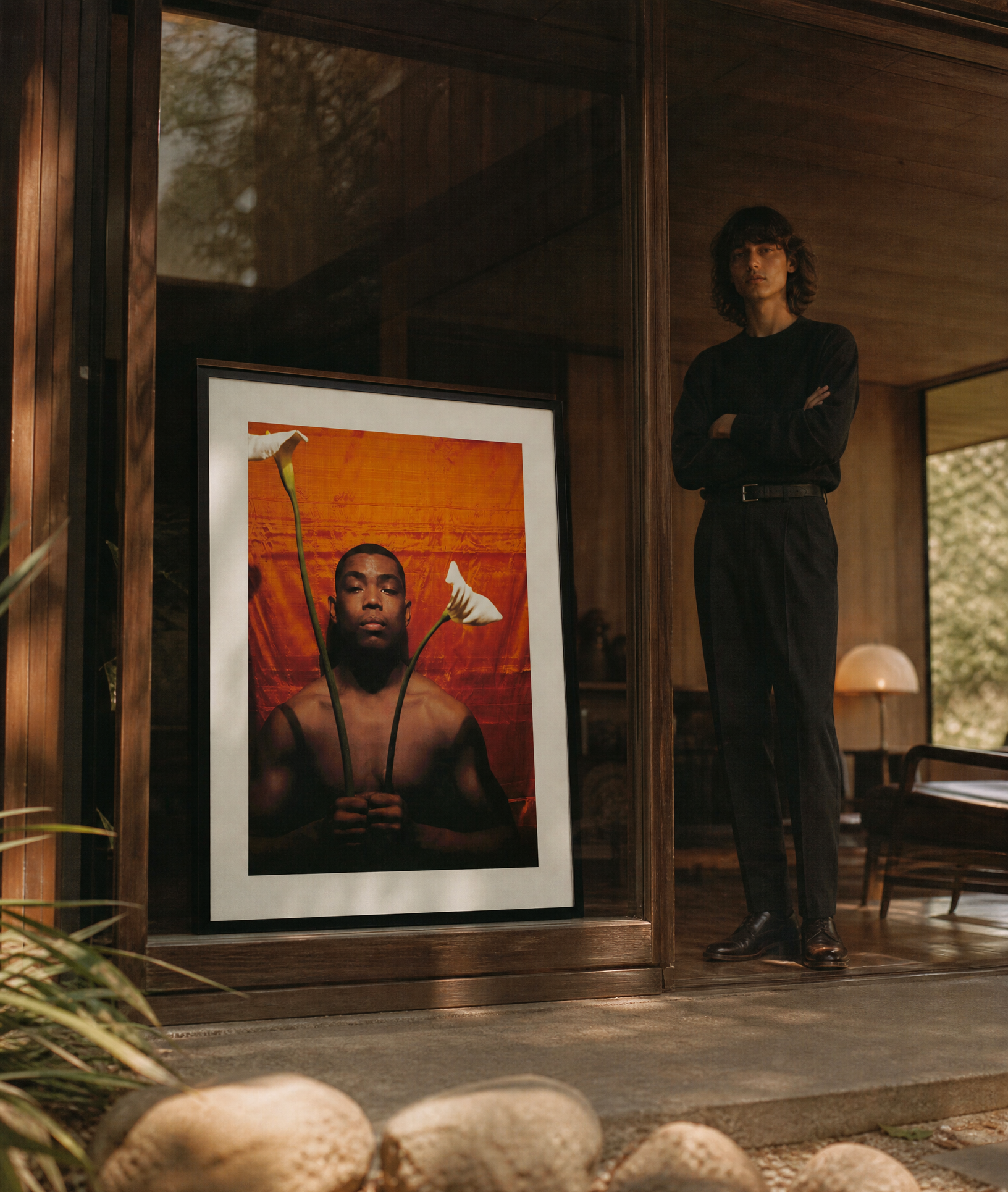 Image 1 of 3
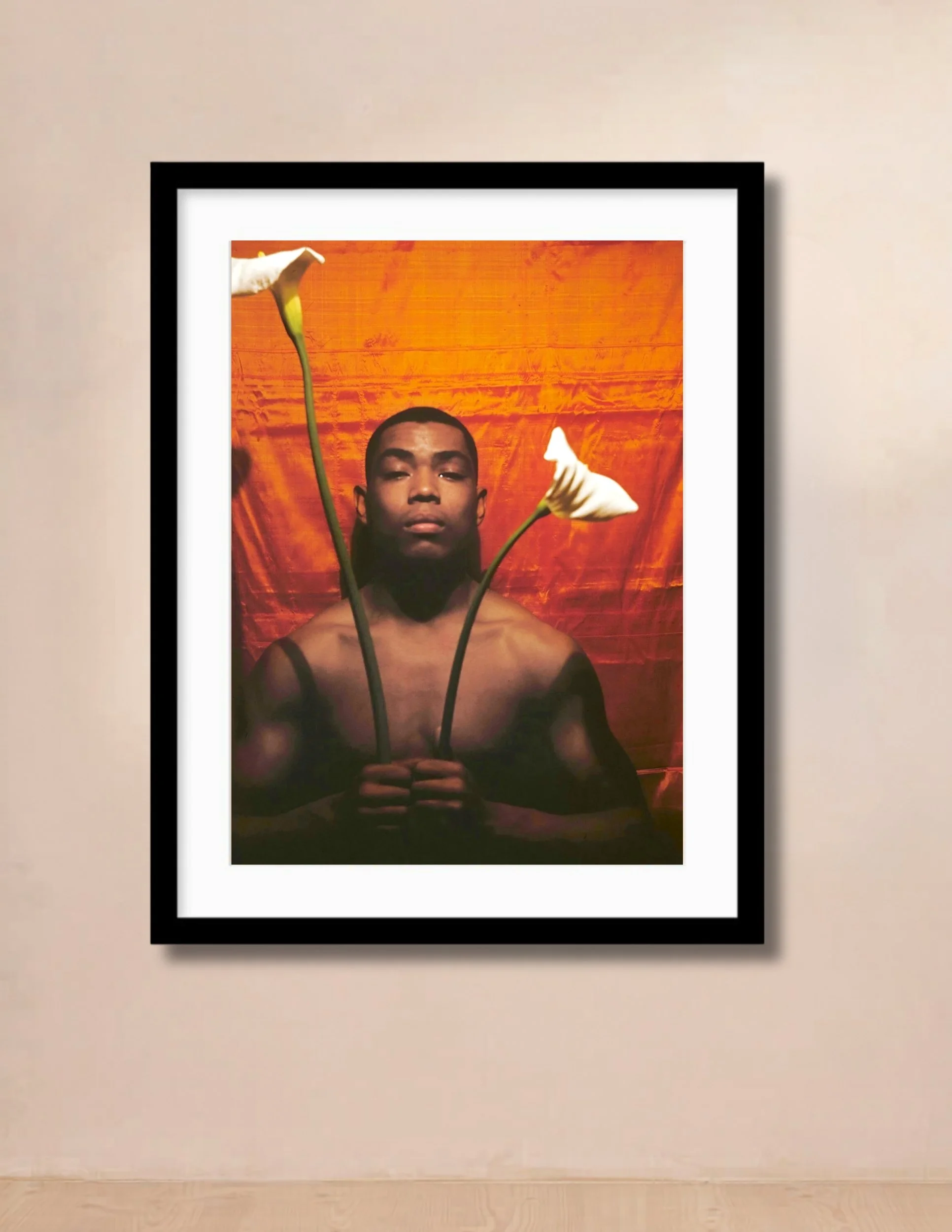 Image 2 of 3
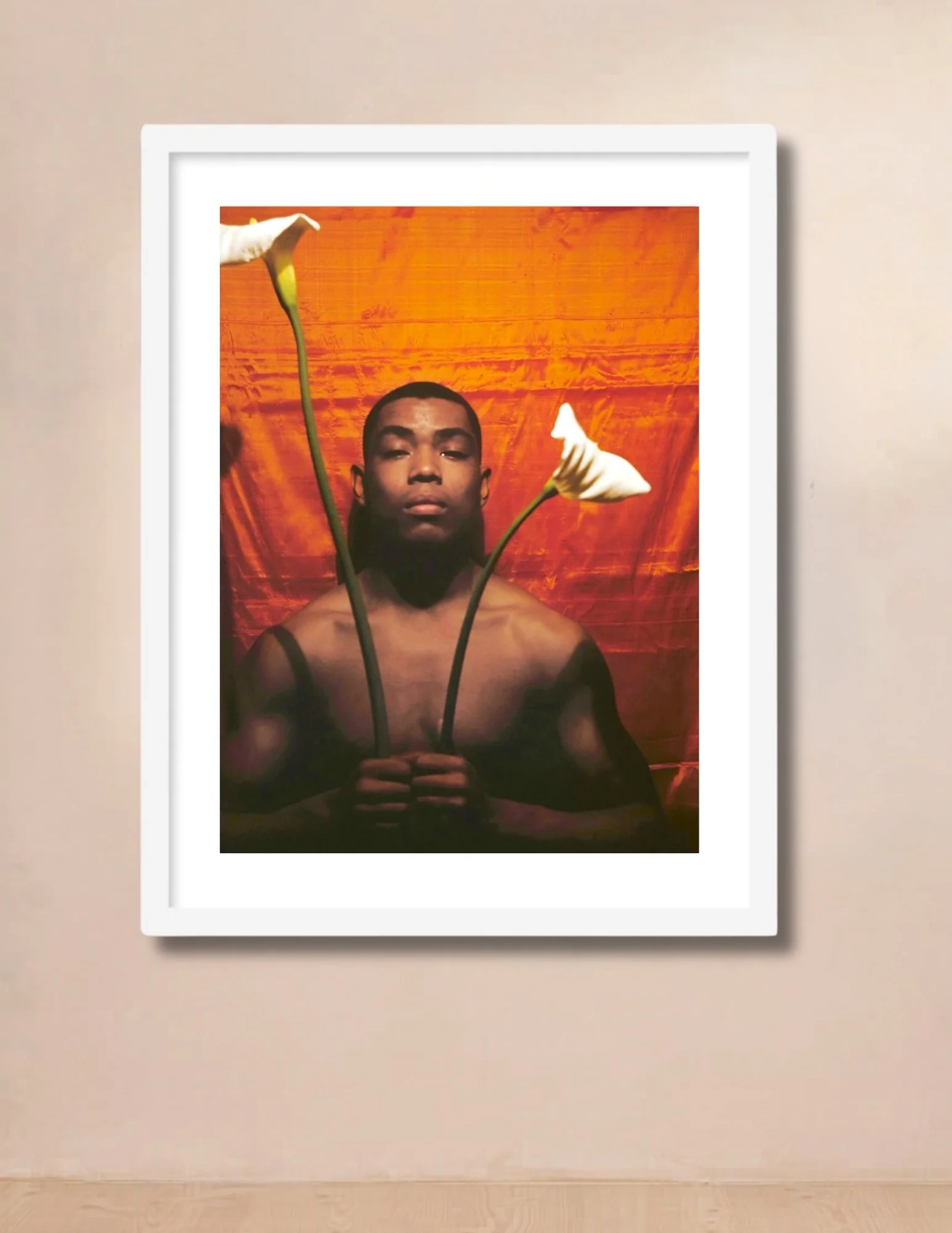 Image 3 of 3