Details
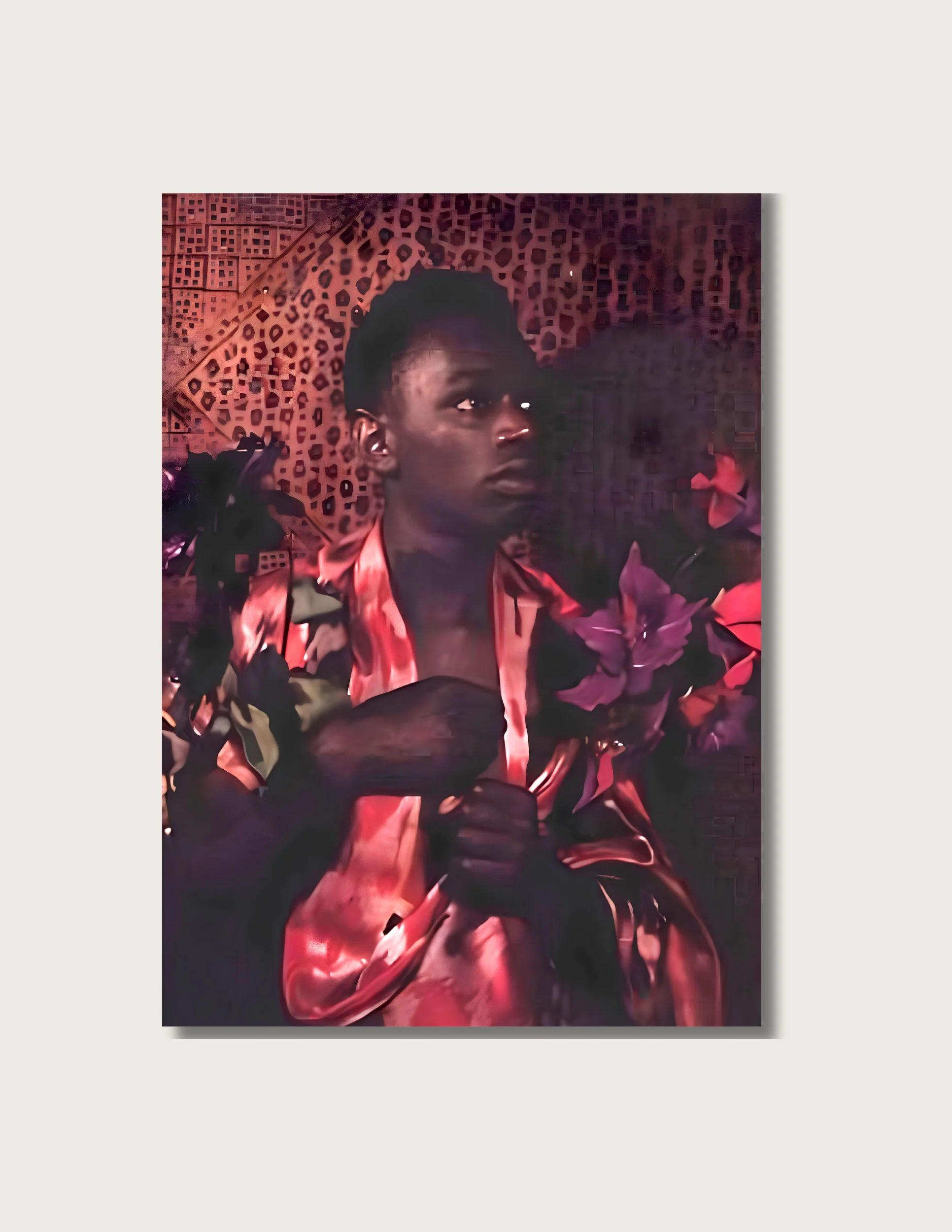
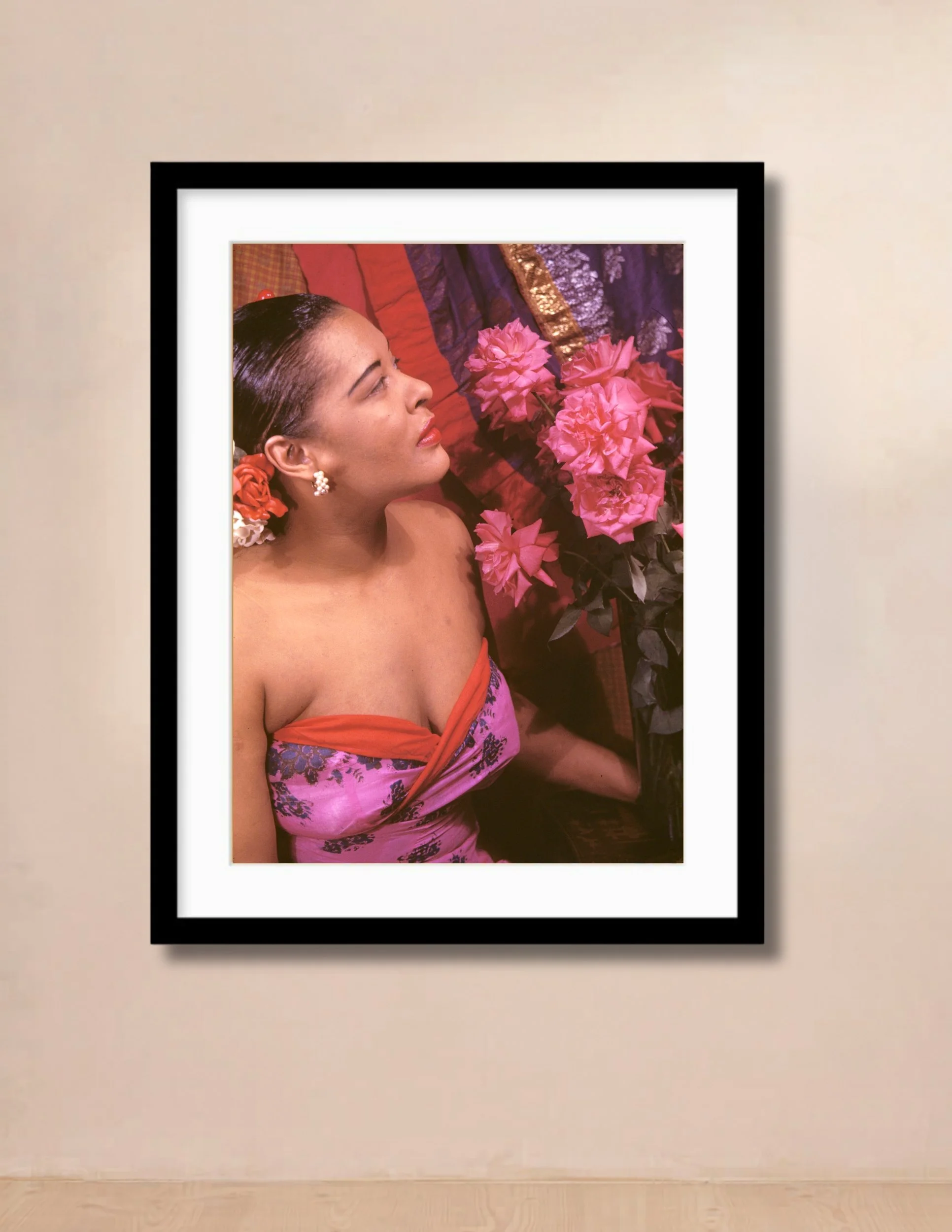
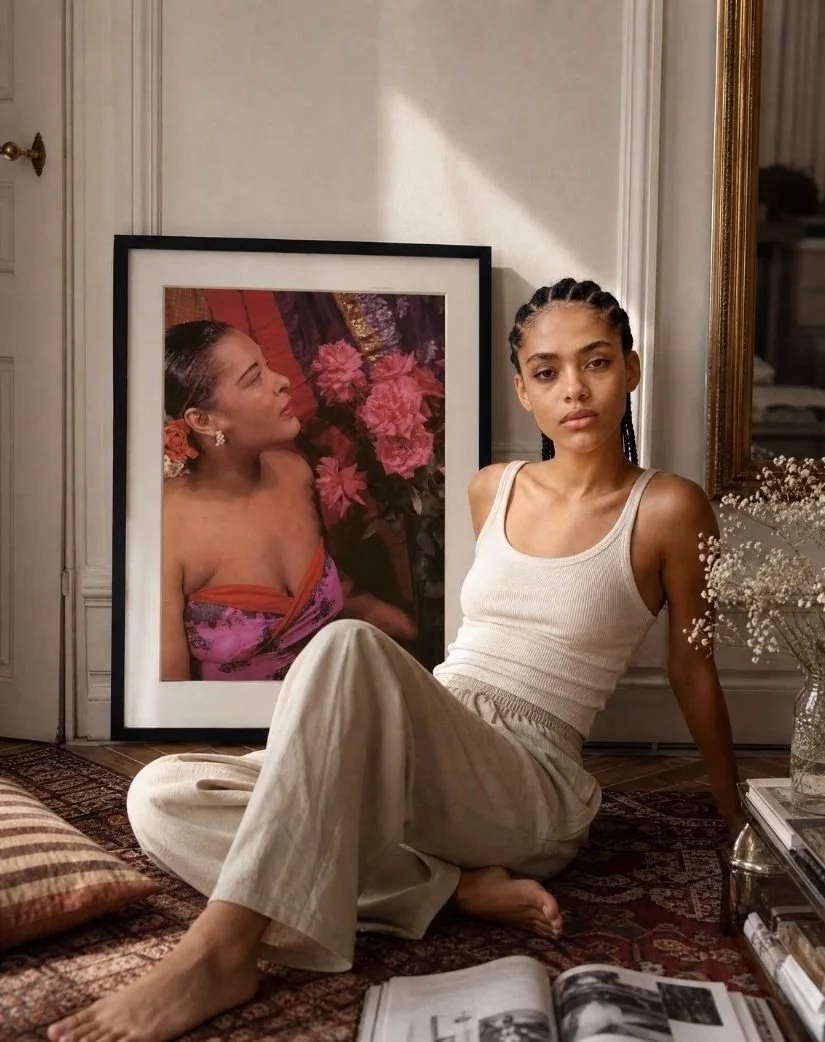
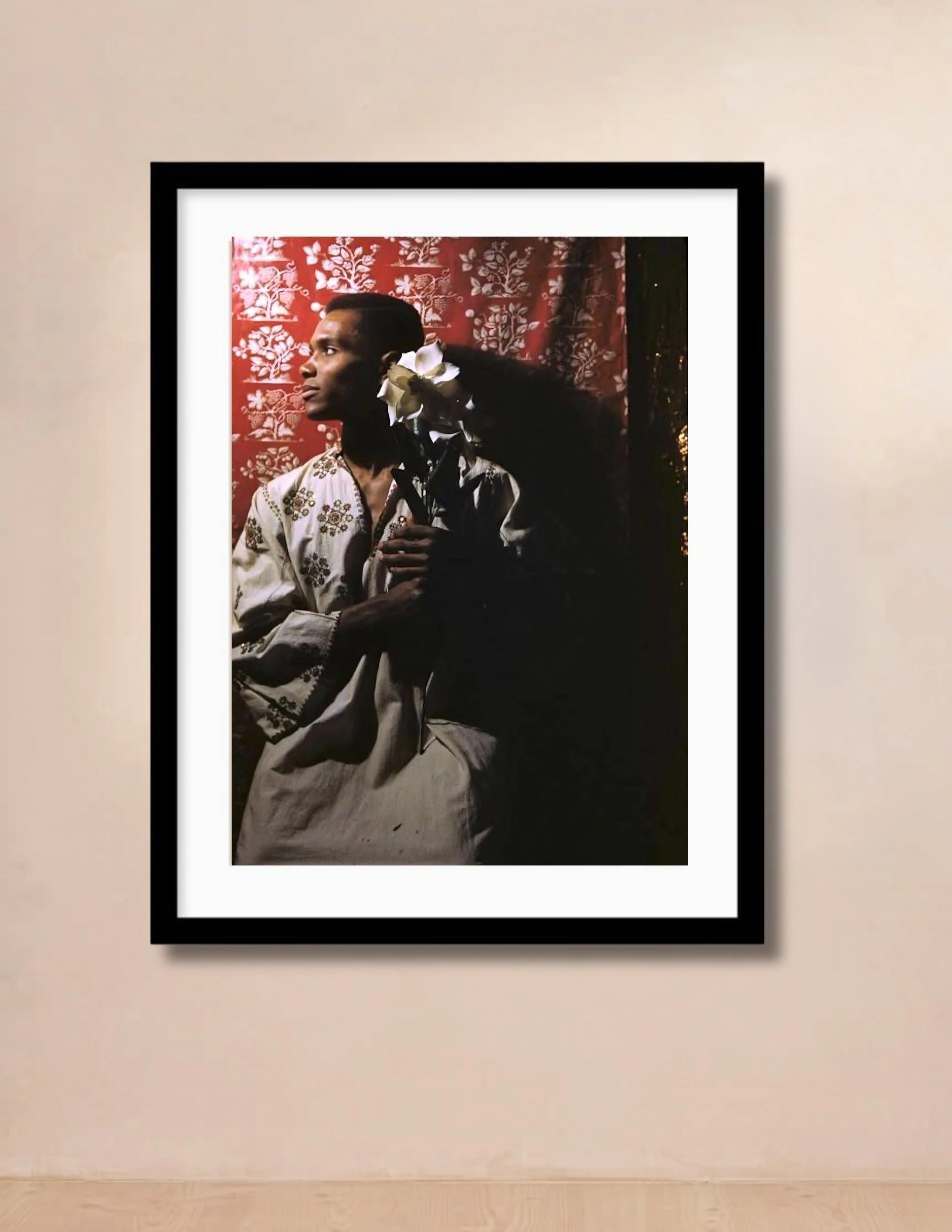
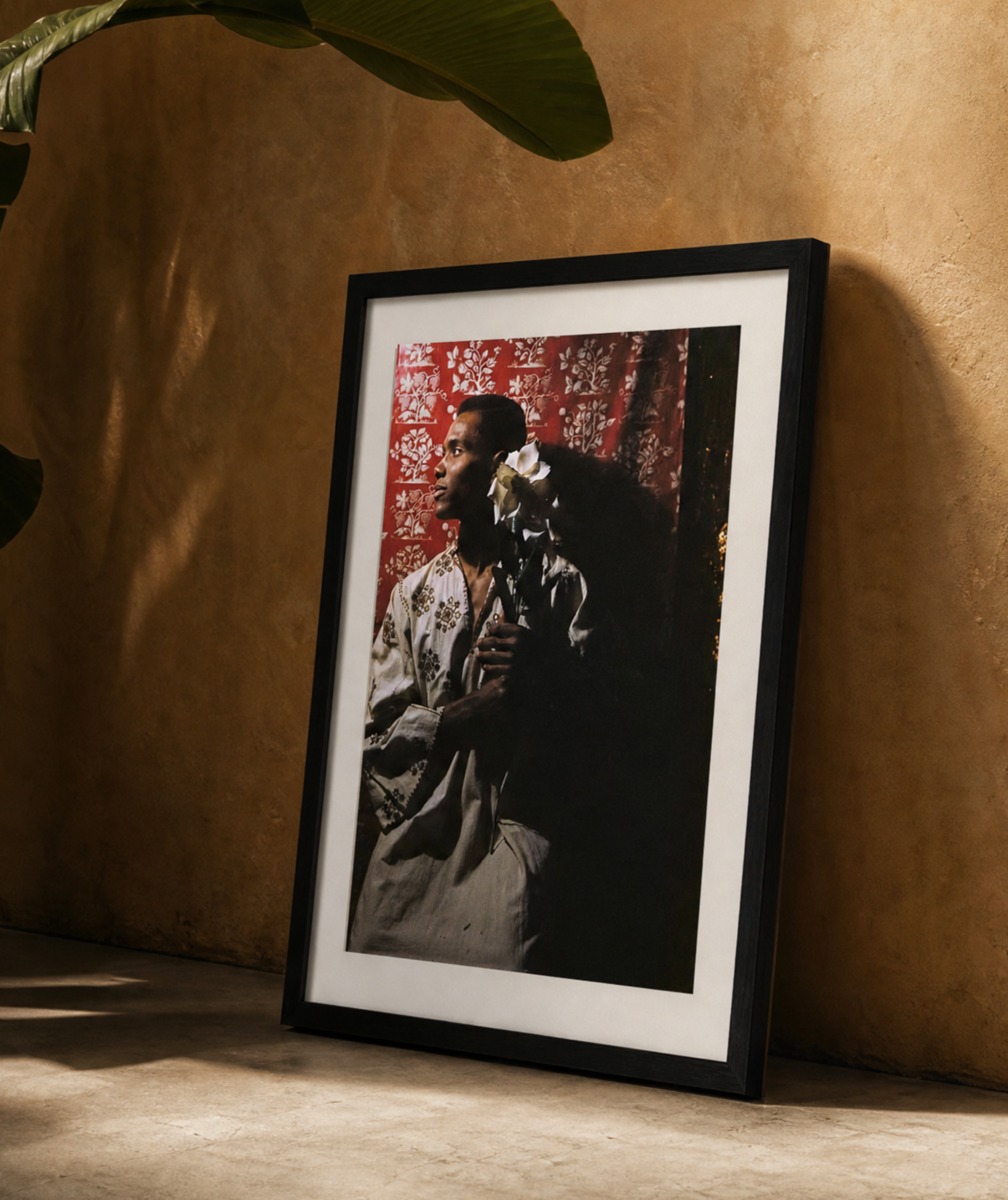
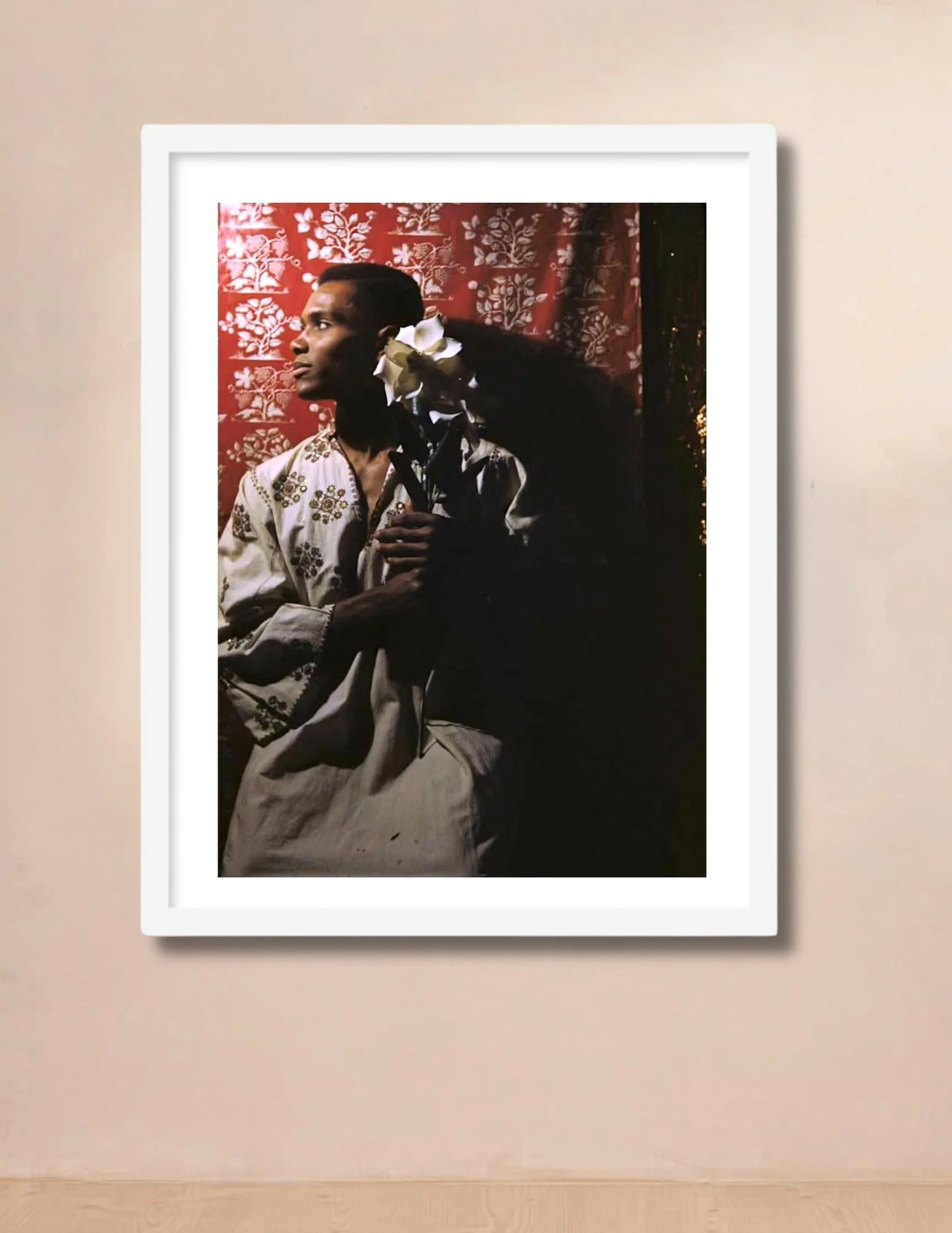
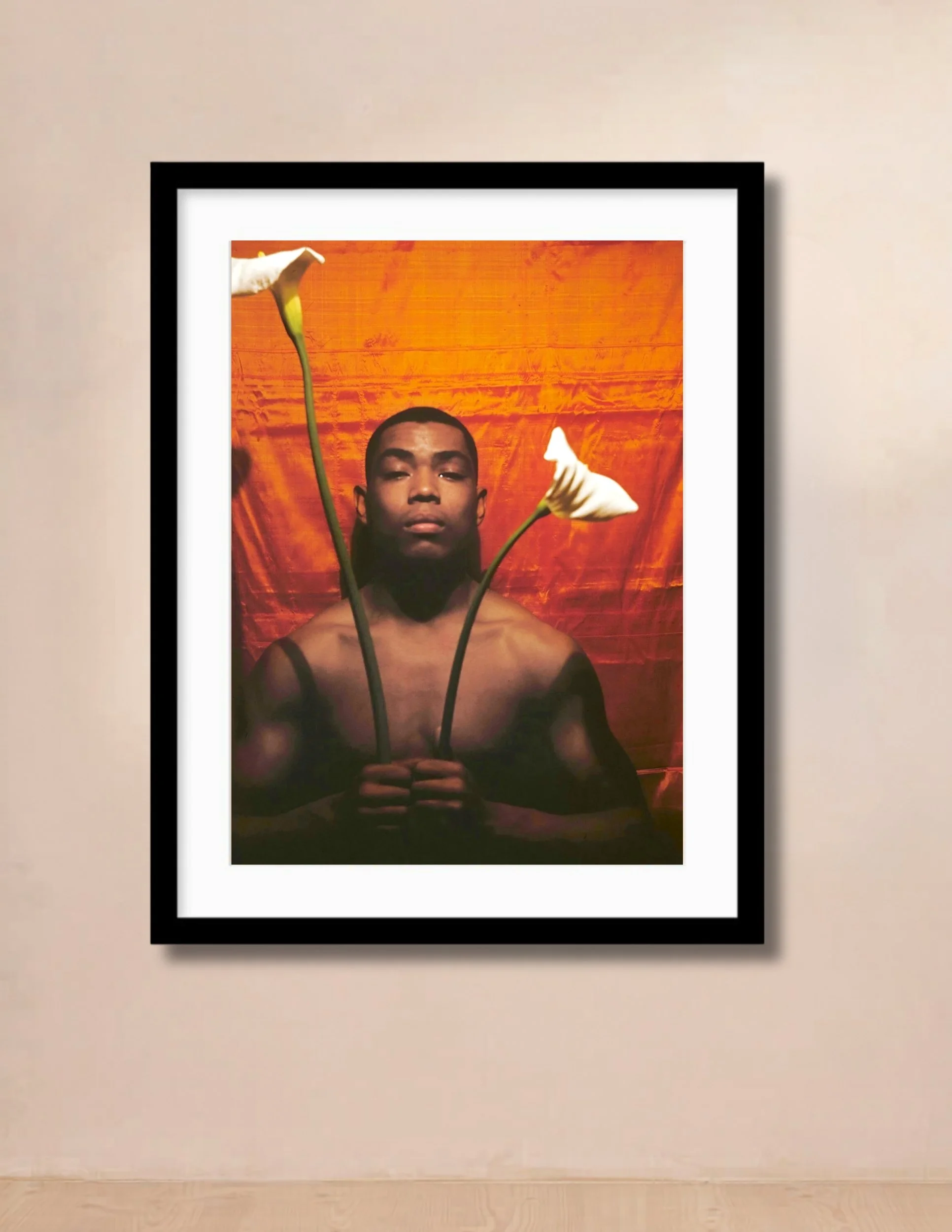
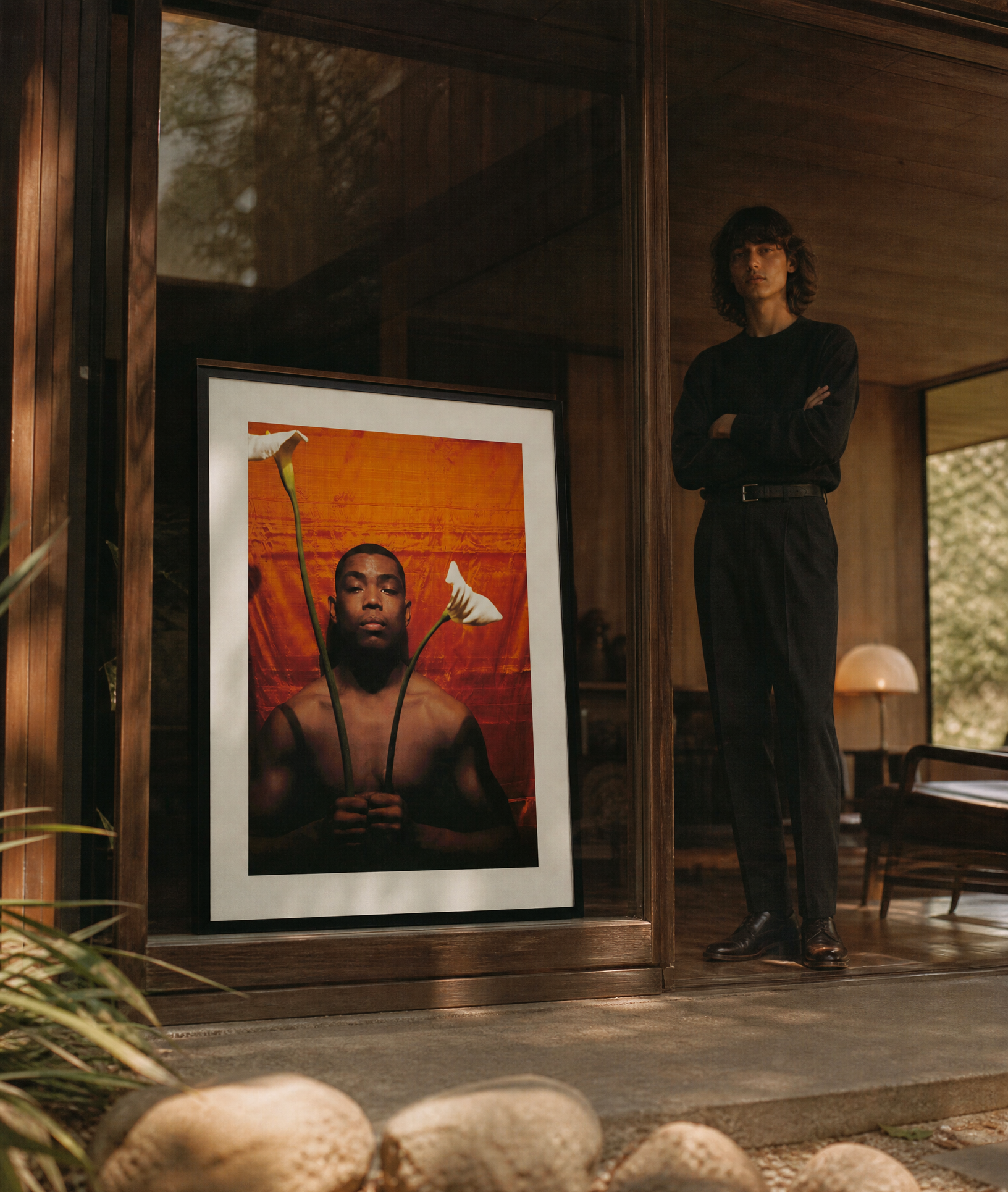
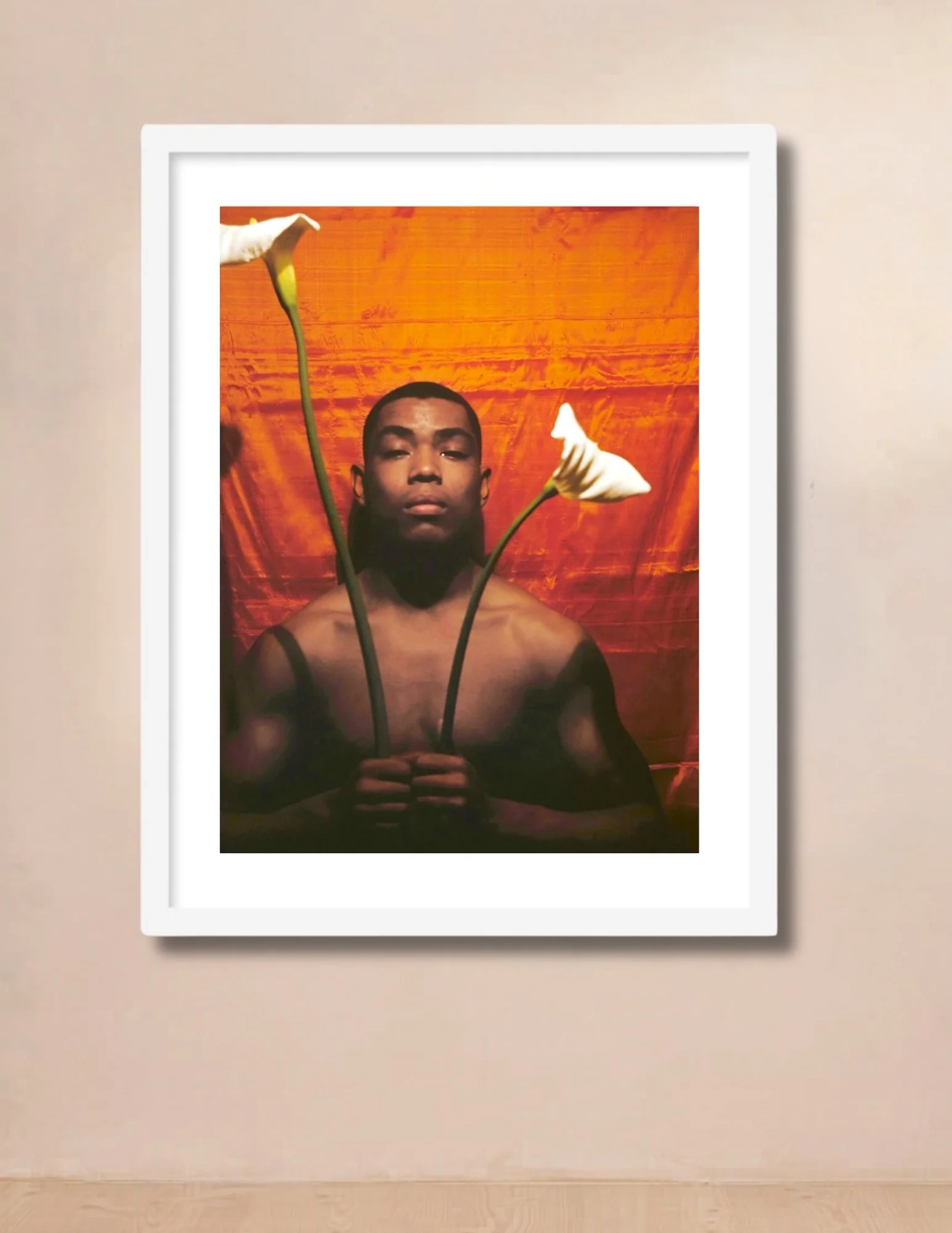
Almost nothing is known of the enigmatic young dancer, Allen Juante Jergerhadutha Meadows, featured in this image, except that his visage was inspirational to some of the leading creatives of the Harlem Renaissance period, both in and outside of the Harlem Black community. Meadows is reputed to have been born in British Guiana, though when and under what circumstances he immigrated to New York are unclear or unknown. He is remembered as a dancer, yet almost no records of his performances remain. Yet the mystery only serves to increase the allure of his undeniably striking visage, which inspired, among others, the Harlem Renaissance sculptor Richard Barthe who immortalized him in the 1939 sculpture Boy with a Flute. Barthe later introduced Meadows to controversial photographer and author Carl Van Vechten. Similarly taken with Meadow's aesthetic, Van Vecthen created a series of photographs featuring him, which remain today as the most lasting memory of this otherwise forgotten figure of the New Negro Movement. This archival museum quality print, presented on 100% acid free, 5.57 oz, smooth matte fine art paper, is sustainably printed to order in the UK, perfect for making a beautiful statement in any room of your home.
Editors' Note
Carl Van Vechten (1880-1964) was an iconic photographer, controversial author, and acclaimed patron of Black artists, authors and intellectuals in the 1920s. Though not a member of the African American community, he was a close friend of many of its leading figures, including, notably, Zora Neale Hurston. A mainstay of the social scene of the Harlem Renaissance, he was instrumental in furthering the careers of many such as Hurston, Langston Hughes and Paul Robeson. As a photographer, Van Vechten’s work provides an invaluable record as he photographed many stars of the Renaissance period and beyond at pivotal moments in their careers — including his 1946 portrait of W.E.B. Du Bois and 1955 image of James Baldwin — at a time when sophisticated, dignified portraiture for such figures was in short supply. At the same time, however, Van Vechten’s legacy is marred by his sense of ownership over the Black creatives with whom he socialized and collaborated, and his willingness to demean them, whether through his use of racial slurs in the naming of his Harlem-based novel, or his tendency to exoticize Black subjects through dress and pose, presenting them in ways more reflective of racial archetypes than the subject’s true nature. While Van Vechten’s work, like his friendship, has proven invaluable to the careers and legacies of many luminaries of African American culture across generations, it is also demonstrative of the complex, often fraught relationship between Black creatives, intellectuals and activists, and those who purport to be “allies.” Nevertheless, Van Vechten’s images are part of major catalogues at the Schomburg Center For Research in Black Culture in New York City, and at Howard University in Washington DC. The AphroChic collection of Van Vechten’s work reproduces and colorizes some of the photographer’s most compelling portraits of Black luminaries, presenting an intersection of themes that promises to lend untold layers of meaning to each image, making them ever more striking additions to the aesthetic of any room.
Details
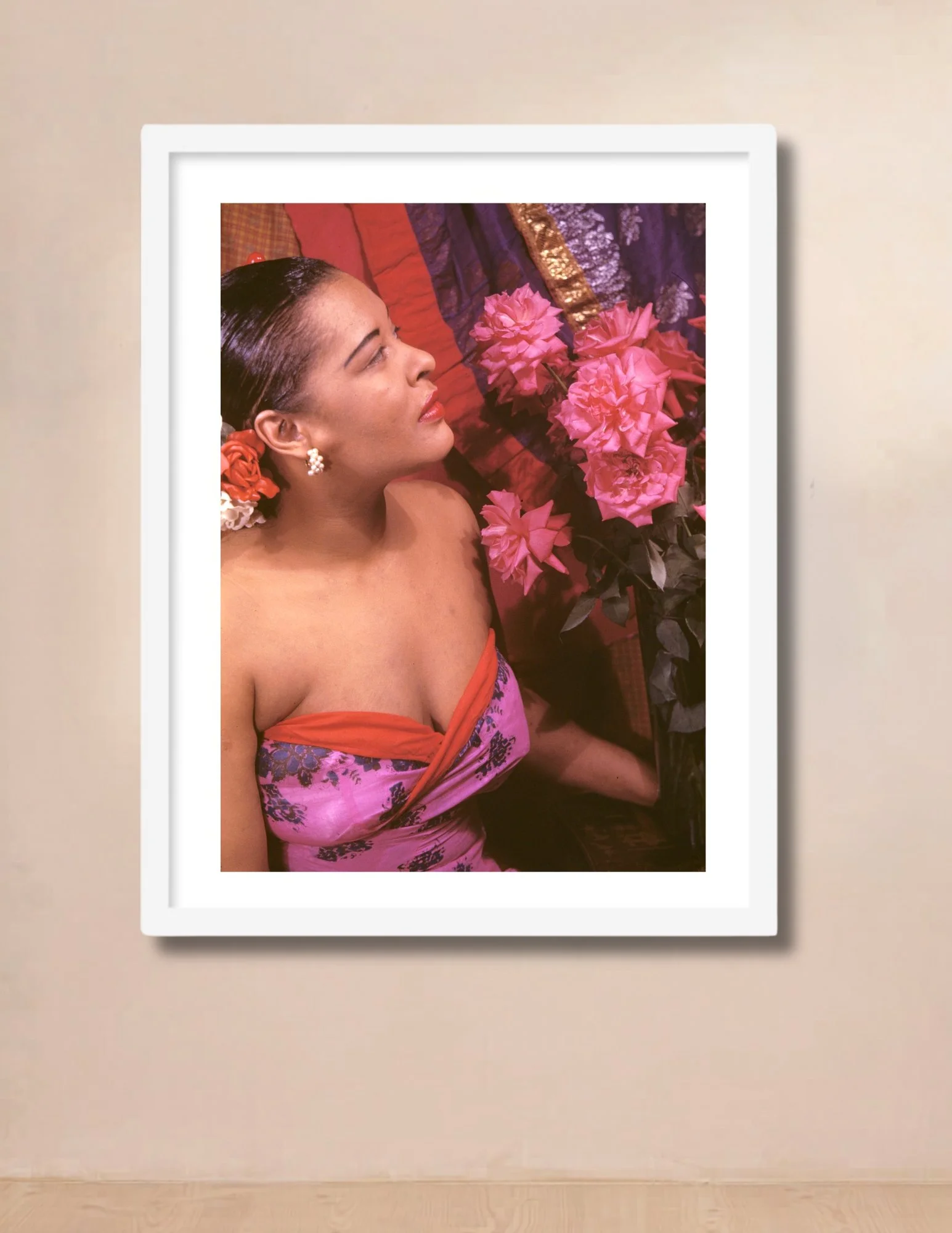
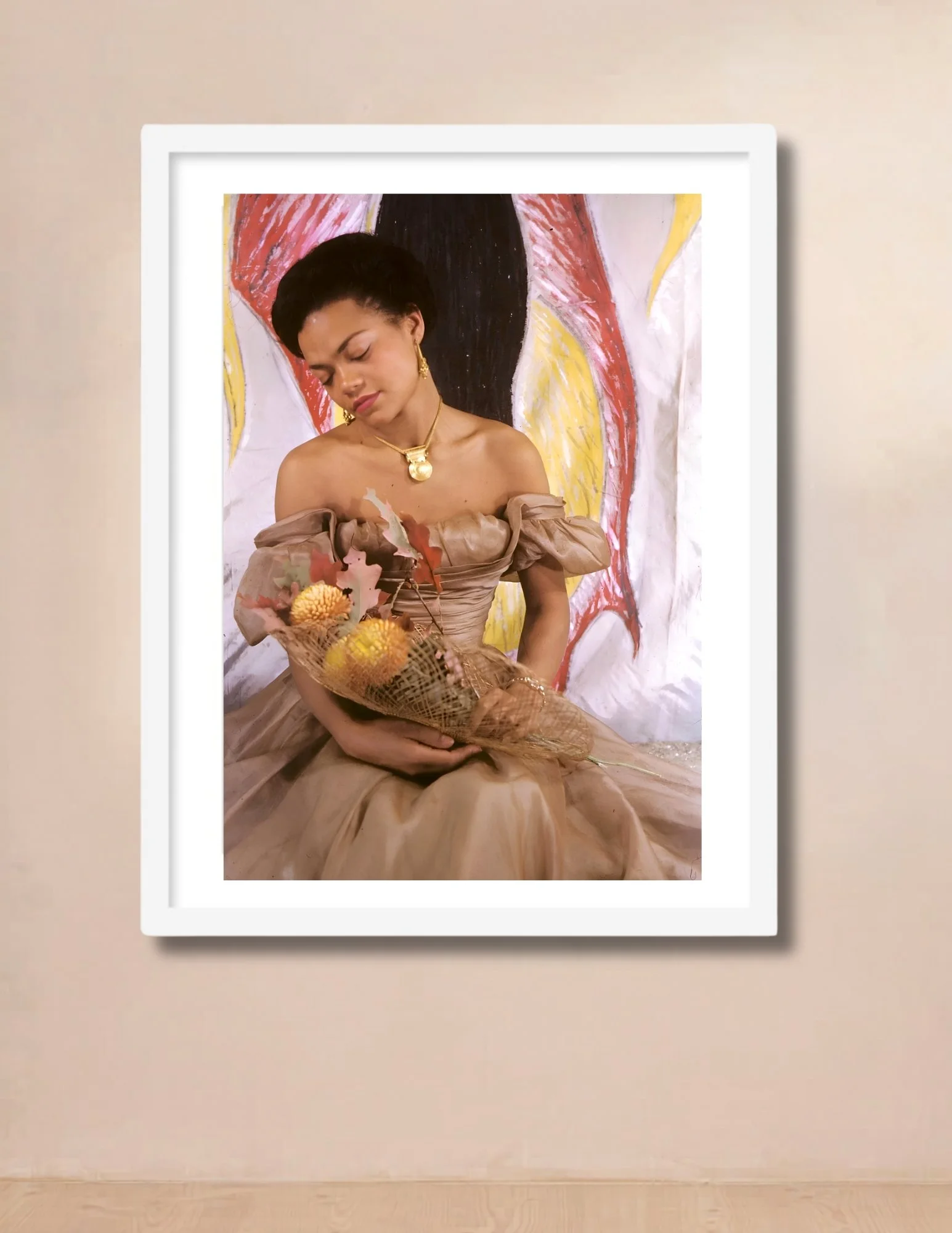
Almost nothing is known of the enigmatic young dancer, Allen Juante Jergerhadutha Meadows, featured in this image, except that his visage was inspirational to some of the leading creatives of the Harlem Renaissance period, both in and outside of the Harlem Black community. Meadows is reputed to have been born in British Guiana, though when and under what circumstances he immigrated to New York are unclear or unknown. He is remembered as a dancer, yet almost no records of his performances remain. Yet the mystery only serves to increase the allure of his undeniably striking visage, which inspired, among others, the Harlem Renaissance sculptor Richard Barthe who immortalized him in the 1939 sculpture Boy with a Flute. Barthe later introduced Meadows to controversial photographer and author Carl Van Vechten. Similarly taken with Meadow's aesthetic, Van Vecthen created a series of photographs featuring him, which remain today as the most lasting memory of this otherwise forgotten figure of the New Negro Movement. This archival museum quality print, presented on 100% acid free, 5.57 oz, smooth matte fine art paper, is sustainably printed to order in the UK, perfect for making a beautiful statement in any room of your home.
Editors' Note
Carl Van Vechten (1880-1964) was an iconic photographer, controversial author, and acclaimed patron of Black artists, authors and intellectuals in the 1920s. Though not a member of the African American community, he was a close friend of many of its leading figures, including, notably, Zora Neale Hurston. A mainstay of the social scene of the Harlem Renaissance, he was instrumental in furthering the careers of many such as Hurston, Langston Hughes and Paul Robeson. As a photographer, Van Vechten’s work provides an invaluable record as he photographed many stars of the Renaissance period and beyond at pivotal moments in their careers — including his 1946 portrait of W.E.B. Du Bois and 1955 image of James Baldwin — at a time when sophisticated, dignified portraiture for such figures was in short supply. At the same time, however, Van Vechten’s legacy is marred by his sense of ownership over the Black creatives with whom he socialized and collaborated, and his willingness to demean them, whether through his use of racial slurs in the naming of his Harlem-based novel, or his tendency to exoticize Black subjects through dress and pose, presenting them in ways more reflective of racial archetypes than the subject’s true nature. While Van Vechten’s work, like his friendship, has proven invaluable to the careers and legacies of many luminaries of African American culture across generations, it is also demonstrative of the complex, often fraught relationship between Black creatives, intellectuals and activists, and those who purport to be “allies.” Nevertheless, Van Vechten’s images are part of major catalogues at the Schomburg Center For Research in Black Culture in New York City, and at Howard University in Washington DC. The AphroChic collection of Van Vechten’s work reproduces and colorizes some of the photographer’s most compelling portraits of Black luminaries, presenting an intersection of themes that promises to lend untold layers of meaning to each image, making them ever more striking additions to the aesthetic of any room.

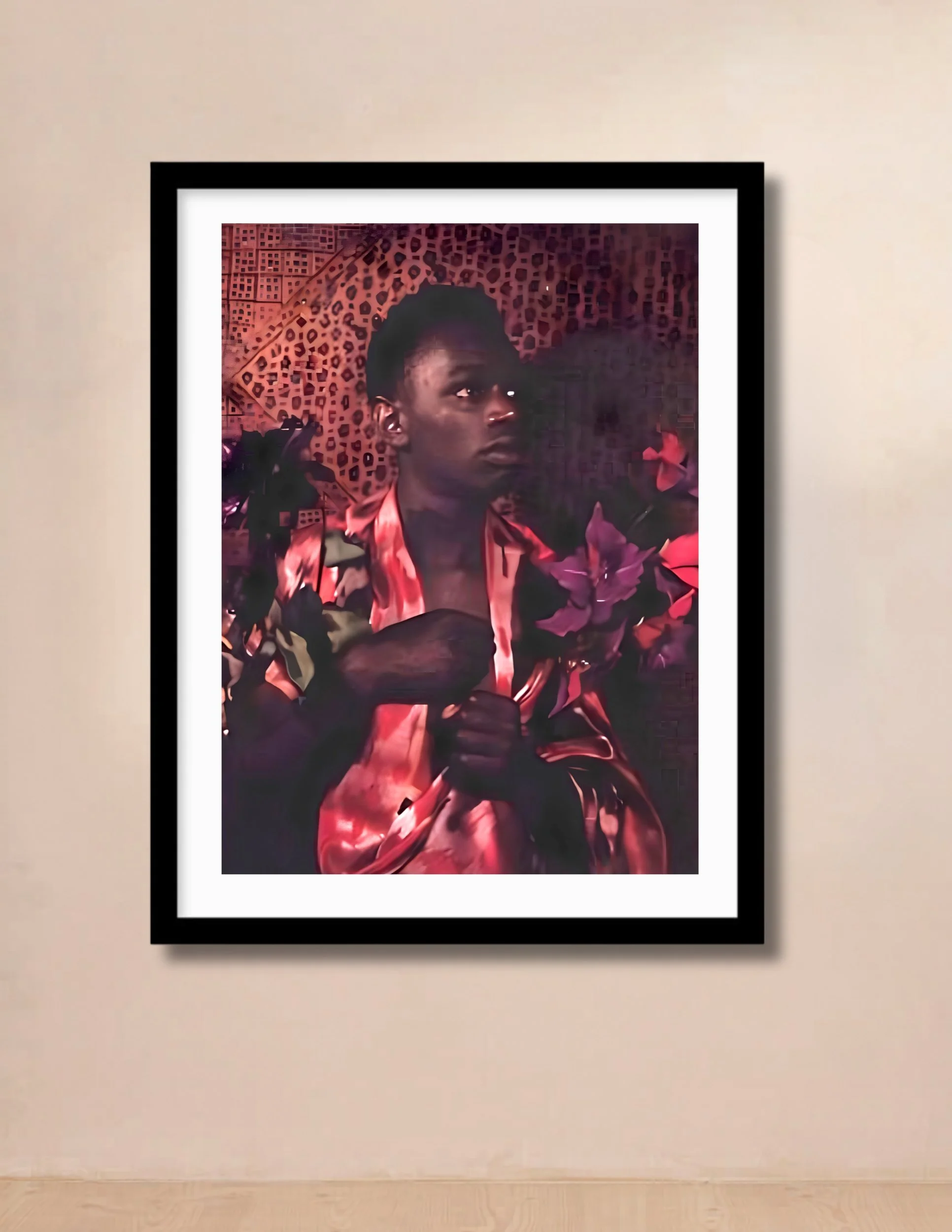 Image 1 of 3
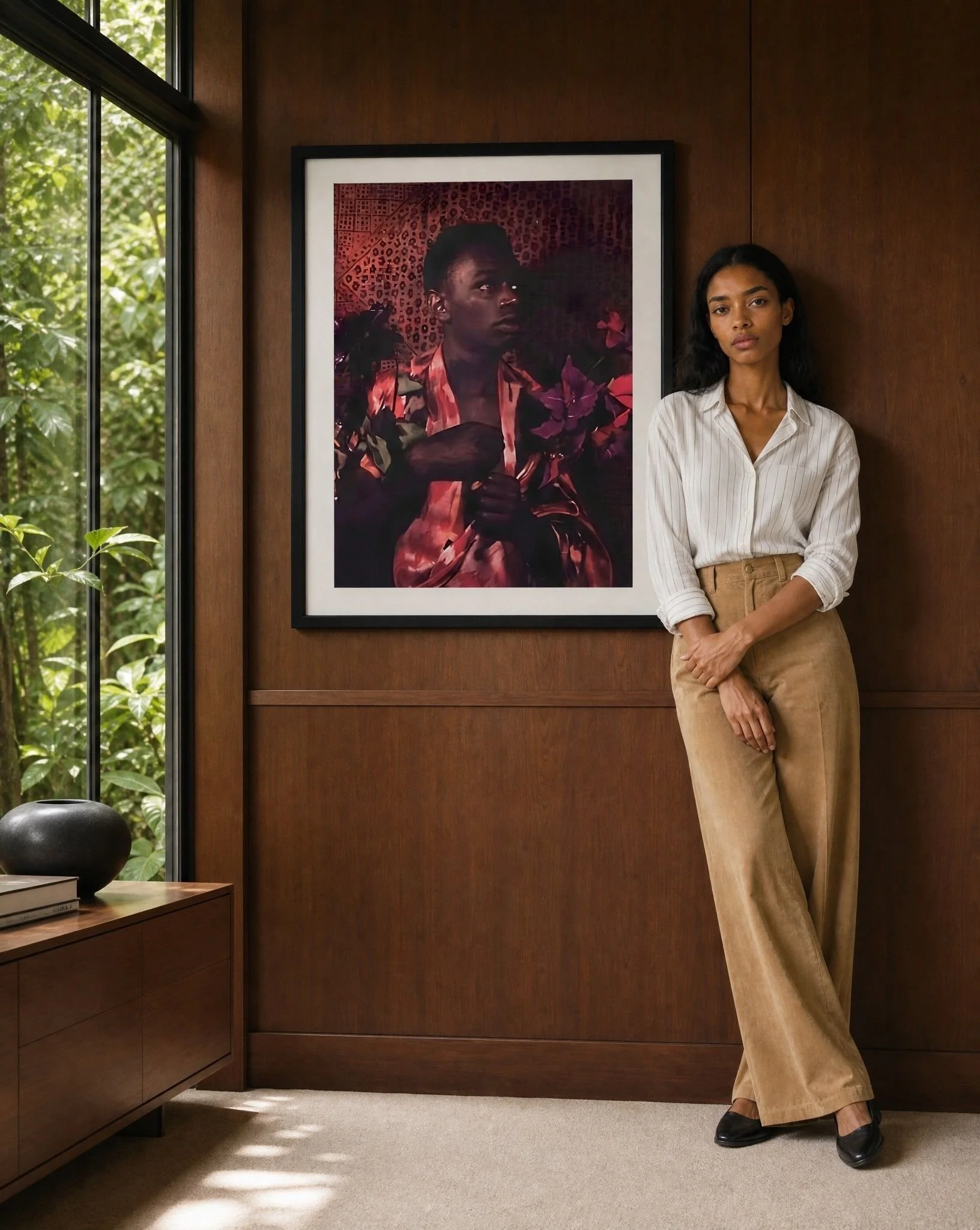 Image 2 of 3
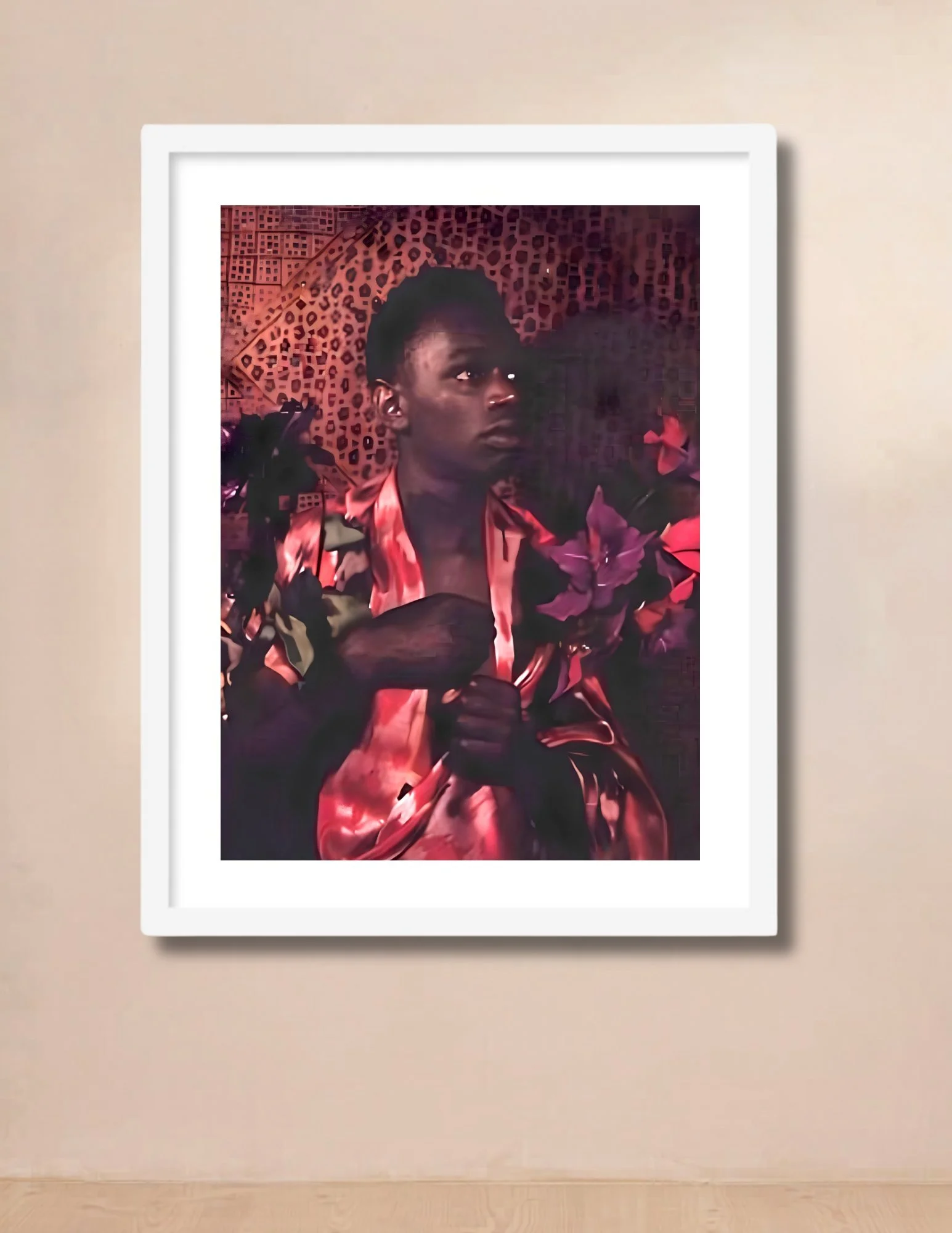 Image 3 of 3